Pular para o conteúdo
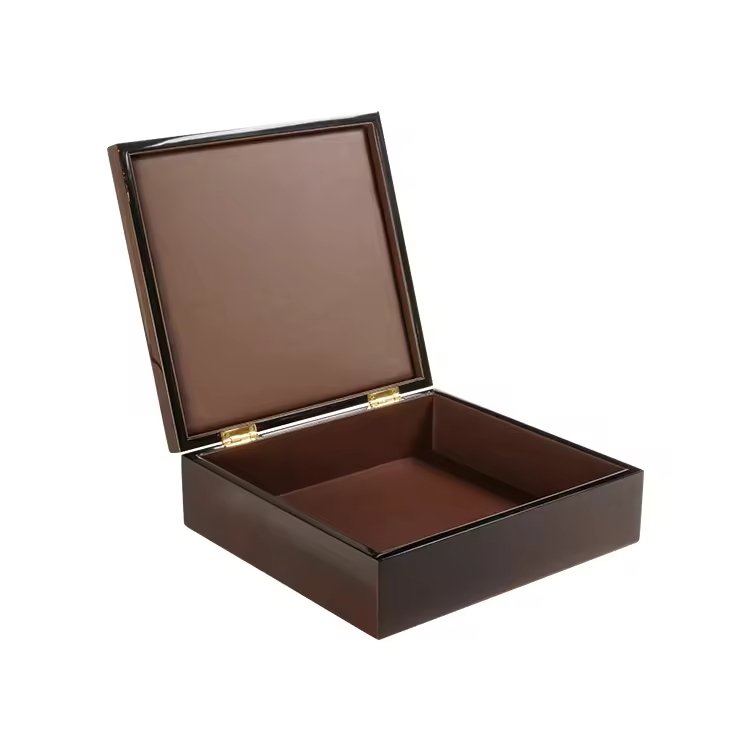
Cigar boxes are more than storage. They represent luxury and protection. The choice of material directly affects quality and brand perception.
Solid wood brings prestige and strength, while MDF with veneer offers cost savings and stability. Each option has unique advantages and risks.
Buyers often ask me which is better. The answer depends on budget, scale, and desired image. Let’s explore both.
How does solid wood enhance the durability and luxury feel of a cigar box?
Cigar brands want packaging that feels premium. Many believe only solid wood achieves that.
Solid wood provides strength, natural grain beauty, and a sense of luxury unmatched by engineered materials.
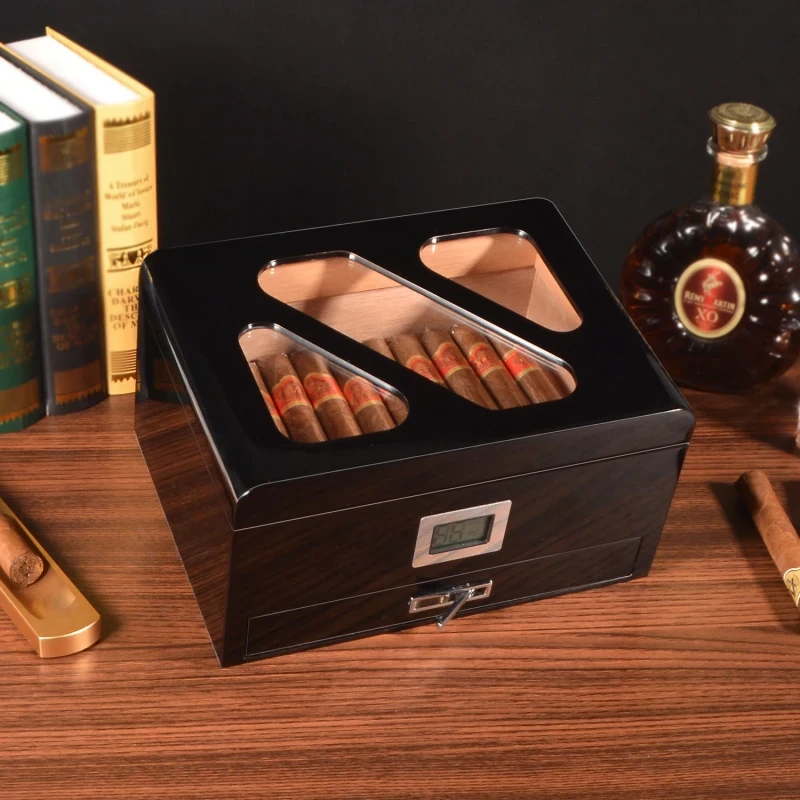
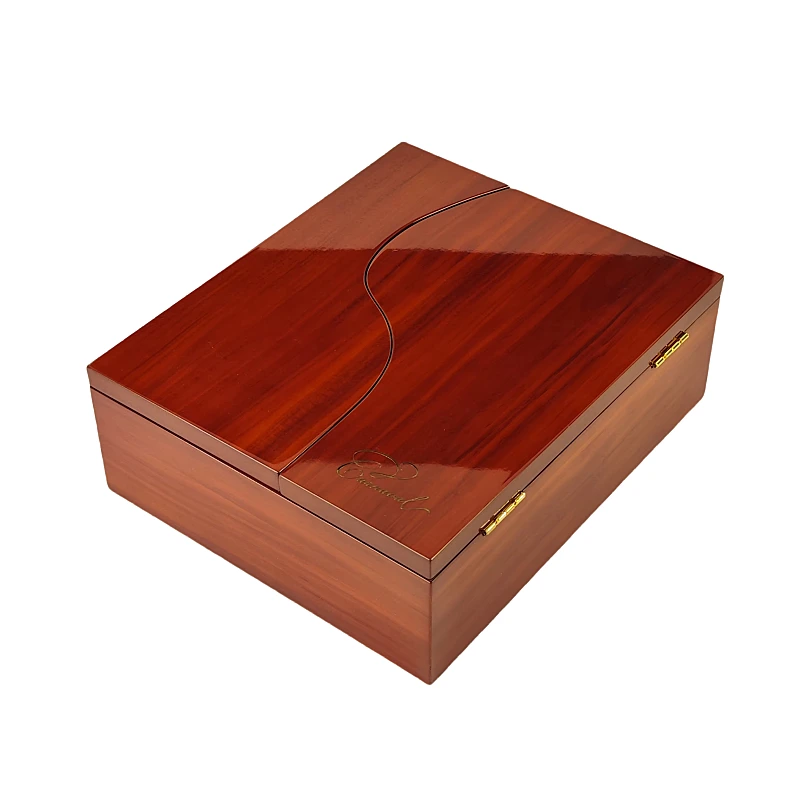
Solid wood boxes are durable. They resist daily wear better than MDF. Their structure feels heavier, giving customers a sense of value. When polished with high-gloss finishes like piano lacquer, they create a striking first impression. Collectors also appreciate the natural grain, which makes each box unique.
Key Strengths of Solid Wood
| Vantagem | Impact on Cigar Boxes |
|---|---|
| Padrões de grão naturais | Unique, premium aesthetics |
| Estrutura robusta | Long-lasting durability |
| High-gloss finishing | Creates luxury appeal |
| Valor percebido | Enhances brand image |
From my experience, luxury editions almost always choose solid wood. Clients want the box itself to feel like part of the gift. This emotional value is difficult for MDF to replace.
What are the cost and stability benefits of using MDF with veneer?
Not every brand can afford solid wood. For mass production, MDF with veneer is often the smarter option.
MDF with veneer lowers costs, improves material stability, and allows consistent finishing.
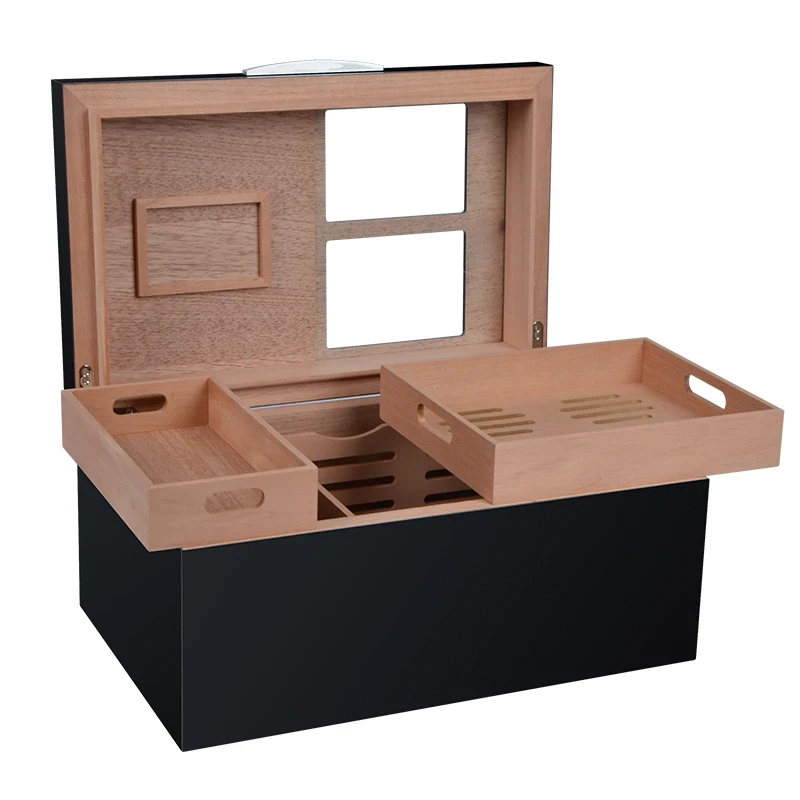
MDF is made from compressed wood fibers. It is more uniform than solid wood. It does not expand or shrink as much with changes in temperature and humidity. This makes it less likely to warp during production or shipping. Veneer adds a natural wood look without using large amounts of expensive hardwood. This balance makes MDF ideal for mid-range products.
Benefits of MDF Veneer
| Benefício | Effect on Manufacturing |
|---|---|
| Lower material cost | Reduces overall price |
| Stable dimensions | Less warping during production |
| Easy machining | Allows precise, detailed design |
| Veneer flexibility | Can mimic many wood species |
I have supplied many cigar brands with MDF veneer boxes. They achieved the same glossy piano finish as solid wood. For buyers focused on cost efficiency, this option allows them to offer a luxury look without exceeding budget.
How do solid wood and MDF differ in terms of humidity resistance for cigars?
Cigars need a stable humidity environment. The material of the box lining influences this.
Solid wood naturally breathes, helping regulate humidity, while MDF is sealed and relies on linings for control.
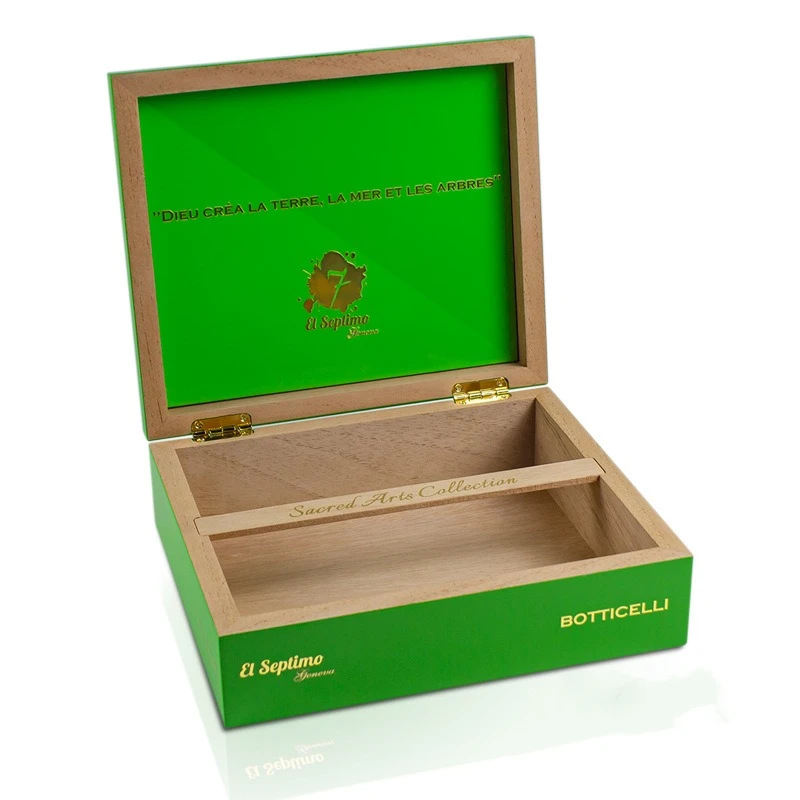
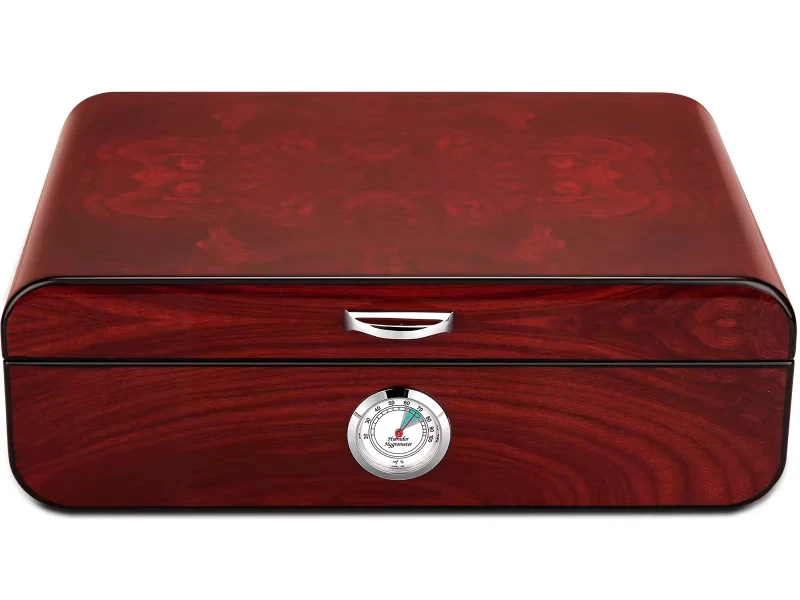
Solid wood has pores that interact with moisture. This helps balance internal humidity when paired with Spanish cedar linings. It adds an extra layer of protection for cigars. MDF, on the other hand, does not absorb or release moisture in the same way. Without proper lining, it can trap humidity or allow it to escape too quickly.
Humidity Control Comparison
| Imóveis | Madeira maciça | MDF folheado |
|---|---|---|
| Respirabilidade | Natural, supportive | Minimal, needs cedar lining |
| Risk of swelling | Higher under bad storage | Low if properly sealed |
| Cigar preservation | More organic | Dependent on inner lining |
From my perspective, both materials work well as long as Spanish cedar is used inside. But solid wood offers a natural advantage that MDF cannot fully match.
What risks of cracking, warping, or deformation exist in both materials?
Every material has weaknesses. Understanding risks helps buyers avoid expensive mistakes.
Solid wood may crack or warp with climate changes, while MDF risks swelling if not properly sealed.
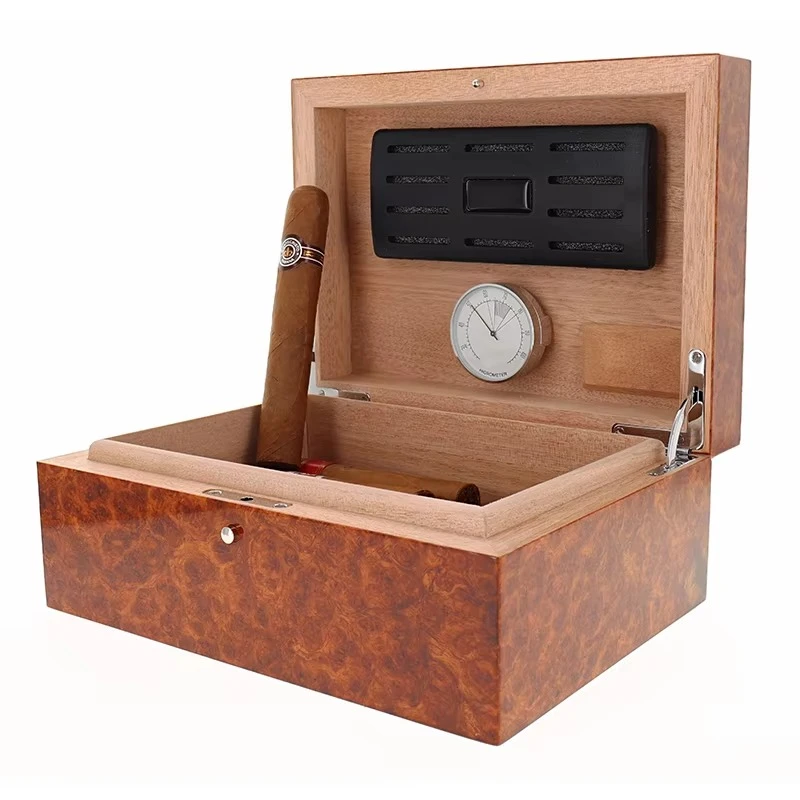
Solid wood expands and contracts with changes in humidity. If the wood is not well-seasoned or if the box faces drastic climate differences, cracks may appear. Warping is also common in larger panels. MDF does not crack, but if moisture penetrates the veneer, it can swell and deform. This is especially true for cheaper, low-density MDF.
Risk Analysis
| Fator de risco | Madeira maciça | MDF folheado |
|---|---|---|
| Rachaduras | Common in dry conditions | Raro |
| Deformação | Possible in humid environments | Very rare |
| Swelling | Rare if sealed | Common if exposed to moisture |
I once shipped solid wood boxes to a client in a very dry region. Despite using seasoned wood, some boxes developed small cracks. After that, I began advising clients to consider climate when choosing materials.
How does material choice impact the box’s weight, finish, and overall aesthetics?
A cigar box must not only protect cigars but also deliver visual impact. Material plays a big role.
Solid wood is heavier and feels premium, while MDF is lighter, uniform, and easier to finish.
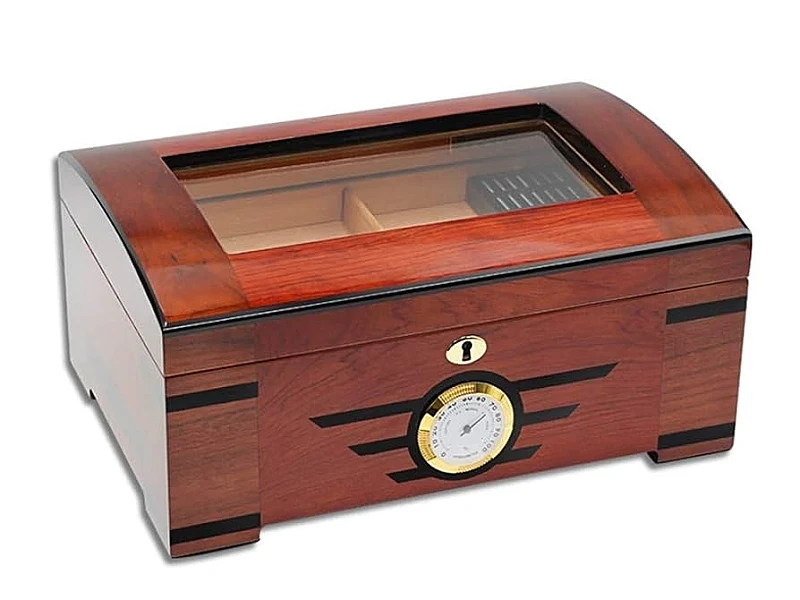
Solid wood offers depth and character through its grain. Even with similar finishes, it looks and feels richer. The weight adds to the sense of value. MDF, on the other hand, allows smooth finishes without visible grain variations. It is perfect for painted or lacquered surfaces where consistency matters.
Impacto estético
| Caraterística | Madeira maciça | MDF folheado |
|---|---|---|
| Peso | Heavier, luxury feel | Lighter, easier shipping |
| Grão natural | Visible, unique patterns | Covered by veneer |
| Finish quality | High with craftsmanship | Very consistent |
| Perceção da marca | Premium, traditional | Practical, cost-effective |
I often show clients two samples: one solid wood, one MDF. Most choose solid wood when targeting high-end buyers. But for retailers selling volume, MDF works better because of its consistent look.
Which option is more sustainable and practical for large-scale cigar box production?
Today’s buyers also care about sustainability. Manufacturers must balance ecology with production needs.
MDF veneer is more sustainable and practical for large runs, while solid wood suits limited luxury editions.
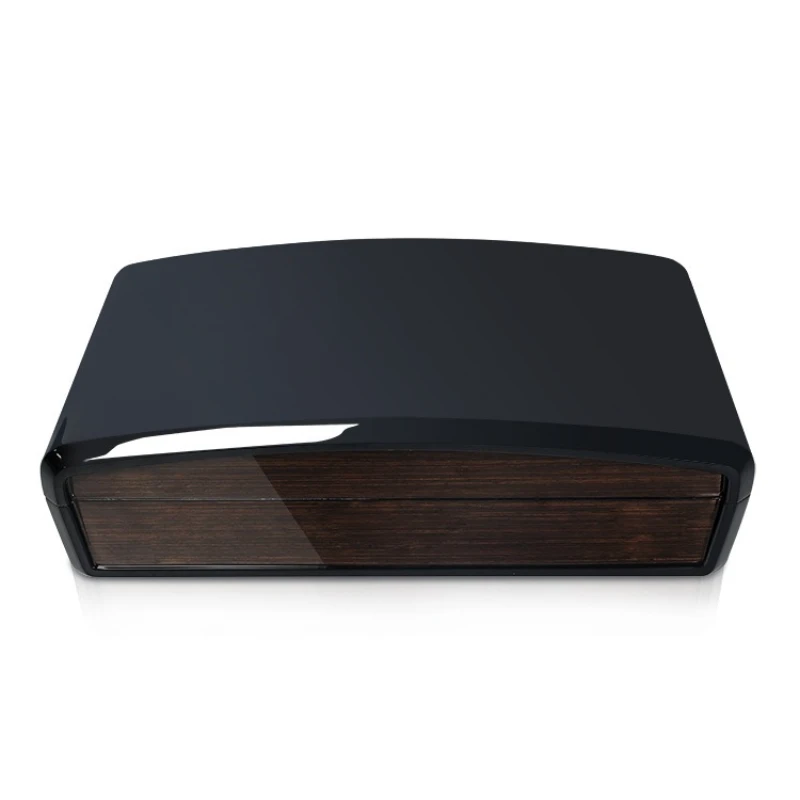
MDF uses wood fibers, including by-products that would otherwise be wasted. This makes it more sustainable than cutting large solid wood boards. It also ensures consistent supply, which is important for large-scale production. Solid wood, especially exotic hardwoods, faces sourcing limitations and higher environmental scrutiny.
Sustainability Perspective
| Fator | Madeira maciça | MDF folheado |
|---|---|---|
| Resource use | Requires larger logs | Uses recycled fibers |
| Disponibilidade | Limited, costly | Stable, widely available |
| Ideal para | Luxury, small production runs | Mass-market, large production |
For luxury branding, solid wood remains unmatched. But for long-term practicality, MDF veneer is the better solution. Many of my large-scale clients have shifted toward MDF because it balances cost, sustainability, and supply reliability.
Conclusão
Solid wood gives unmatched luxury, while MDF veneer offers stability and cost benefits. The right choice depends on brand positioning and production scale.
Nome da marca: WoodoBox
Slogan: Caixas de madeira personalizadas, fabricadas na perfeição
Sítio Web: www.woodobox.com
WhatsApp: +86 18359265311

 Português
  English
  Español
  Deutsch
  Français
  Italiano
  العربية