Pular para o conteúdo
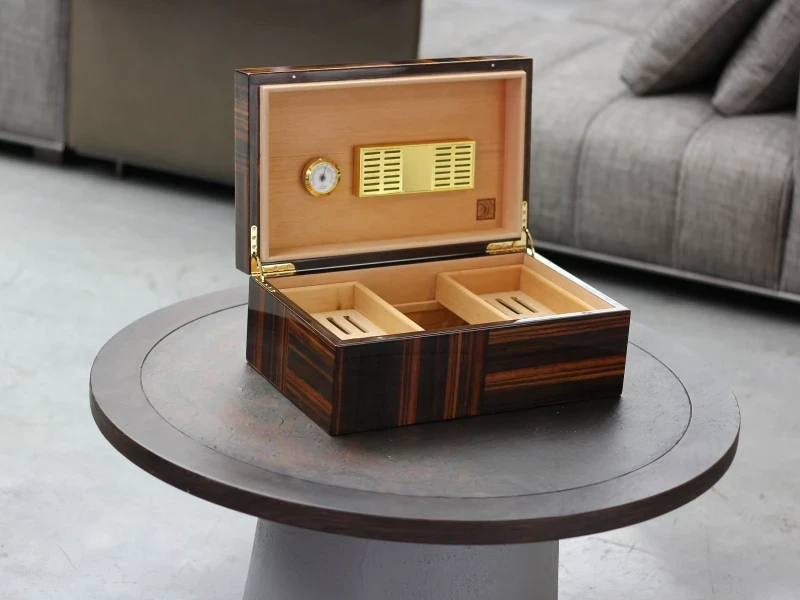
Cedar is the most popular lining material for luxury cigar boxes. But not all cedar is ready to use directly from the sawmill.
Degreasing cedar removes excess natural oils and resins, preventing strong odors, stains, and mold risks in cigar storage.
Clients often ask if this step is optional. In my experience, it is essential for quality cigar preservation.
What is “degreasing” treatment for cedar wood and why is it needed in cigar boxes?
Many buyers hear “degreasing” but don’t fully understand it. They may even think it is a chemical process.
Degreasing means heat-drying and treating cedar to remove excess oils and resins before it becomes cigar box lining.
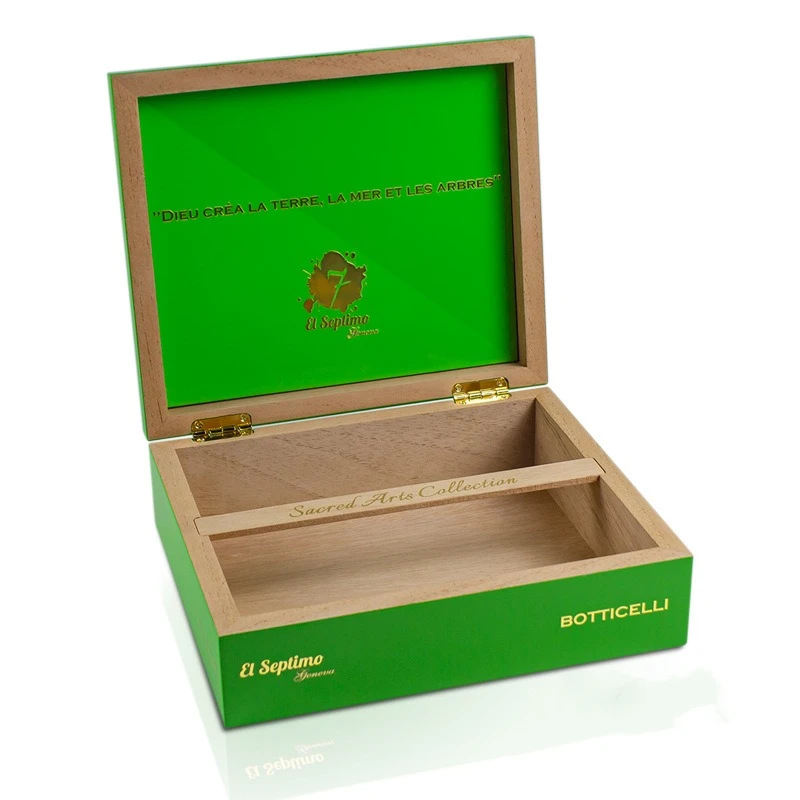
Spanish cedar naturally contains aromatic oils. In small amounts, these oils enrich cigar aroma. But in raw wood, they are too strong. Degreasing reduces the oil content to a stable level. This prevents the wood from staining cigars or overpowering their flavor. The process usually involves kiln-drying at controlled temperatures, followed by resting periods to stabilize the wood.
Why Degreasing Matters
| Motivo | Benefit for Cigar Boxes |
|---|---|
| Reduces strong oils | Prevents overpowering aroma |
| Lowers resin content | Avoids sticky or stained cigars |
| Stabilizes the wood | Makes humidity control more steady |
| Improves safety | Lowers mold and pest attraction |
Without degreasing, cedar is unpredictable. I always advise clients that it is a basic requirement for premium cigar boxes.
How do natural oils in untreated cedar affect the flavor and aroma of cigars?
Cigar lovers care deeply about flavor. Any interference from the box material can ruin the smoking experience.
Untreated cedar releases heavy oils that dominate and distort the cigar’s natural aroma.

Cigars are sensitive to their environment. If cedar has not been degreased, the oils vaporize into the box air. Over weeks or months, cigars absorb these strong scents. Instead of a subtle woody sweetness, the tobacco may taste sharp, resinous, or even chemical-like. This is especially noticeable in light-bodied cigars, which are more vulnerable to outside aromas.
Flavor Risks of Non-Degreased Cedar
- Strong woody bitterness replaces balance.
- Resin taste may stick to the wrapper leaf.
- Subtle cigar notes get lost under cedar dominance.
- Collectors lose value if cigars no longer taste authentic.
I once had a client who used raw cedar panels to save cost. Within months, customers complained about cigars tasting harsh and “piney.” The brand reputation suffered. Since then, I always highlight the importance of degreasing.
What risks of mold, resin stains, or cigar contamination come from non-degreased cedar?
Beyond aroma, untreated cedar creates physical risks for cigars.
Non-degreased cedar increases the chance of mold growth, resin stains, and even cigar contamination.
Natural oils in raw cedar often seep out as resin. This resin can leave sticky patches inside the box. Cigars that touch these spots may be permanently stained. At the same time, high oil content makes the wood more prone to mold under humidity. Instead of protecting cigars, the lining becomes a hazard.
Key Risks
| Tipo de risco | Result for Cigars |
|---|---|
| Resin leakage | Sticky stains on wrappers |
| Mold growth | Spoils cigars, damages brand image |
| Chemical strength | Overpowers cigar aroma |
| Pest attraction | Increases beetle activity |
I remember one incident where untreated cedar boxes were shipped to a tropical region. The combination of high humidity and raw resin caused both stains and mold inside. The client had to recall the boxes. It was an expensive lesson in why proper treatment matters.
Does degreasing impact the humidity control function of cedar linings?
Some clients worry that removing oils may weaken cedar’s natural properties. This is a common question I face.
Degreasing does not harm cedar’s humidity regulation. It actually improves stability.

Cedar works by slowly absorbing and releasing moisture. Degreasing reduces excess oils but keeps the cell structure intact. In fact, when cedar is stabilized, it interacts with humidity in a more balanced way. Non-degreased cedar sometimes holds too much moisture in its resin pockets, which makes regulation less reliable.
Humidity Control: Treated vs Untreated Cedar
| Imóveis | Non-Degreased Cedar | Degreased Cedar |
|---|---|---|
| Equilíbrio de humidade | Unstable, uneven release | Consistent, steady control |
| Risk of mold | Mais alto | Inferior |
| Effect on cigars | Overpowering aroma | Subtle, supportive aroma |
From my production experience, properly degreased cedar always performs better as a lining material. It provides a safer and more consistent environment for cigars.
Are there different levels or methods of cedar treatment used by manufacturers?
Not all cedar treatments are equal. The quality depends on the method and supplier.
Manufacturers use kiln-drying, air-drying, or chemical washing, but kiln-drying is the industry standard.
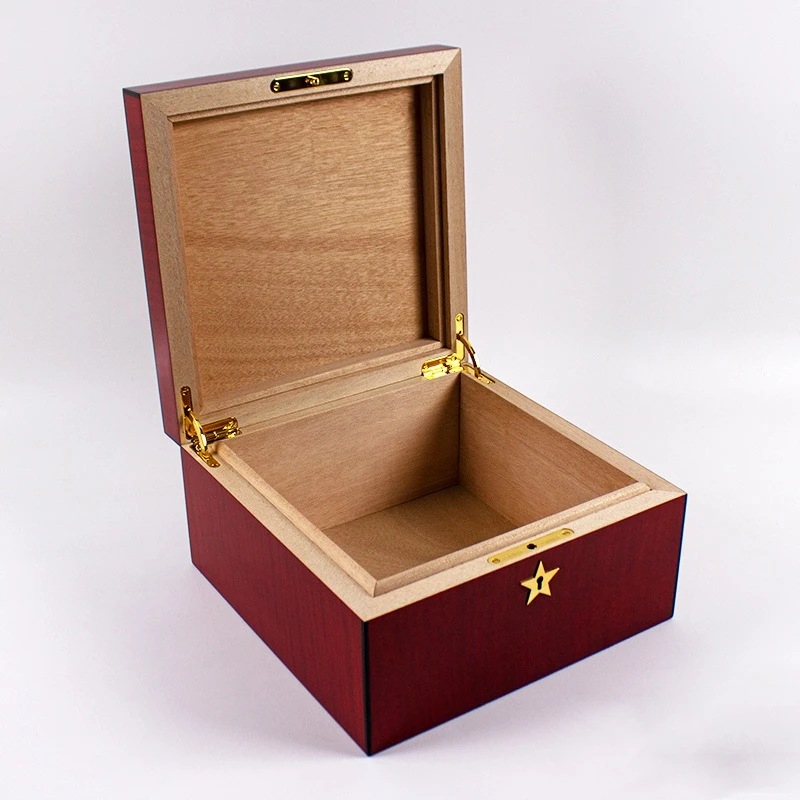
- Kiln-Drying: Most common. Heats wood to remove oils and moisture while controlling temperature. Produces stable, reliable cedar.
- Air-Drying: Slower method, less controlled. Leaves more oil, which can still cause issues.
- Chemical Washing: Rare, removes oils quickly but raises safety concerns. Not widely accepted in cigar packaging.
Some suppliers also offer “lightly degreased” vs “fully degreased” cedar. Light treatment is cheaper but less safe. Full kiln-degreasing ensures the lowest risk of oil or resin problems.
When I source cedar for clients, I always confirm kiln-drying with proper certification. It costs more but avoids costly failures later.
How can buyers verify whether the cedar in their cigar boxes has been properly processed?
Buyers often cannot see treatment quality just by looking. But there are ways to confirm.
Clients should request certifications, smell samples, and ask direct questions about the treatment process.

Practical Steps for Buyers
- Request kiln-drying certificate from suppliers.
- Smell the sample – untreated cedar has a sharper, stronger aroma.
- Check for resin spots – small sticky marks suggest incomplete degreasing.
- Ask about storage – properly processed cedar should be stored in dry, controlled conditions.
- Confirm supplier reputation – experienced manufacturers know the risks and use proper treatment.
In my factory, we always provide kiln-drying records when clients ask. This transparency builds trust and ensures long-term cooperation.
Conclusão
Degreased cedar ensures cigars stay safe, flavorful, and free from resin or mold. Skipping treatment risks both product quality and brand reputation.
Nome da marca: WoodoBox
Slogan: Caixas de madeira personalizadas, fabricadas na perfeição
Sítio Web: www.woodobox.com
WhatsApp: +86 18359265311


 Português
  English
  Español
  Deutsch
  Français
  Italiano
  العربية