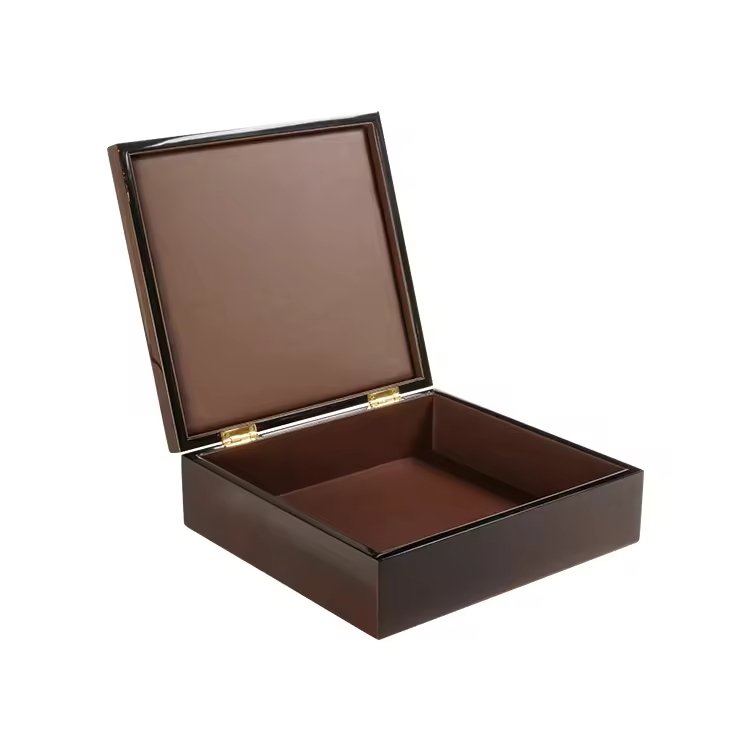
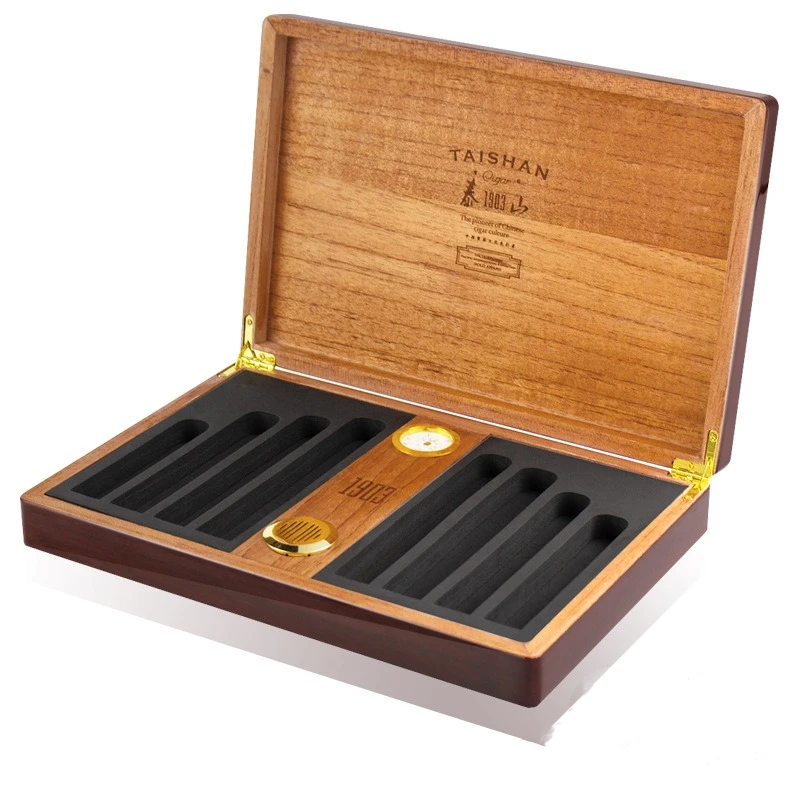
Many cigar collectors ask why premium cigar boxes rarely have painted interiors. The answer is simple: paint conflicts with the natural role of wood.
Painting the interior of cigar boxes disrupts wood’s humidity regulation and risks introducing odors. For cigar preservation, natural or untreated Spanish cedar is always superior.
In this article, I will share why high-end manufacturers avoid painted interiors, and what alternatives exist when clients request extra protection.
How does paint affect the natural humidity regulation function of wood?
Cedar’s biggest strength is its ability to absorb and release humidity. Paint interferes with this natural process by sealing the wood surface.
Paint creates a barrier that blocks wood from balancing humidity, reducing the effectiveness of the humidor.
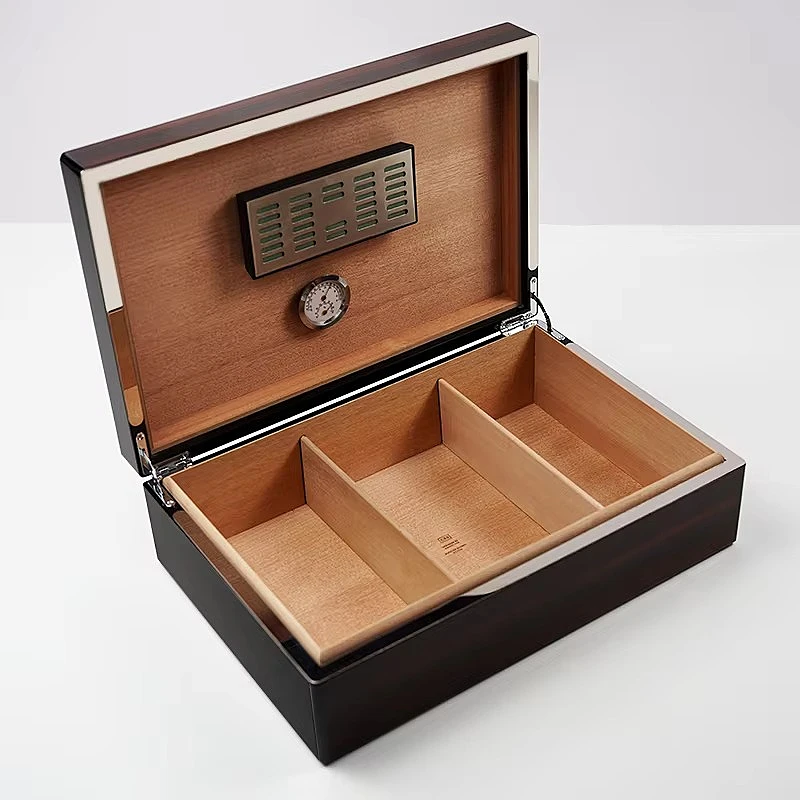
I have tested both painted and natural cedar boxes. In painted interiors, humidity response slows dramatically. Cigars inside may stay too dry because the cedar can no longer release stored moisture. In extreme cases, cigars become brittle within weeks. In contrast, natural cedar walls “breathe,” stabilizing fluctuations and keeping cigars at ideal moisture levels.
Why painted cedar fails
- Moisture barrier: Paint blocks wood pores.
- Slow response: Interior air cannot adjust quickly.
- Reduced protection: Cigars lose cedar’s natural buffering.
I once had a customer insist on a glossy white interior. Within six months, he reported dry cigars despite using a good humidifier. We later replaced the interior with untreated cedar, and the issue disappeared. This shows that function outweighs decoration.
Can chemical odors or VOCs from paint alter the cigar’s aroma and taste?
Cigars are sensitive to surrounding aromas. Even subtle chemical odors can ruin the smoking experience.
Yes, paints often contain solvents or VOCs that release odors, which can seep into cigars and permanently change their flavor.
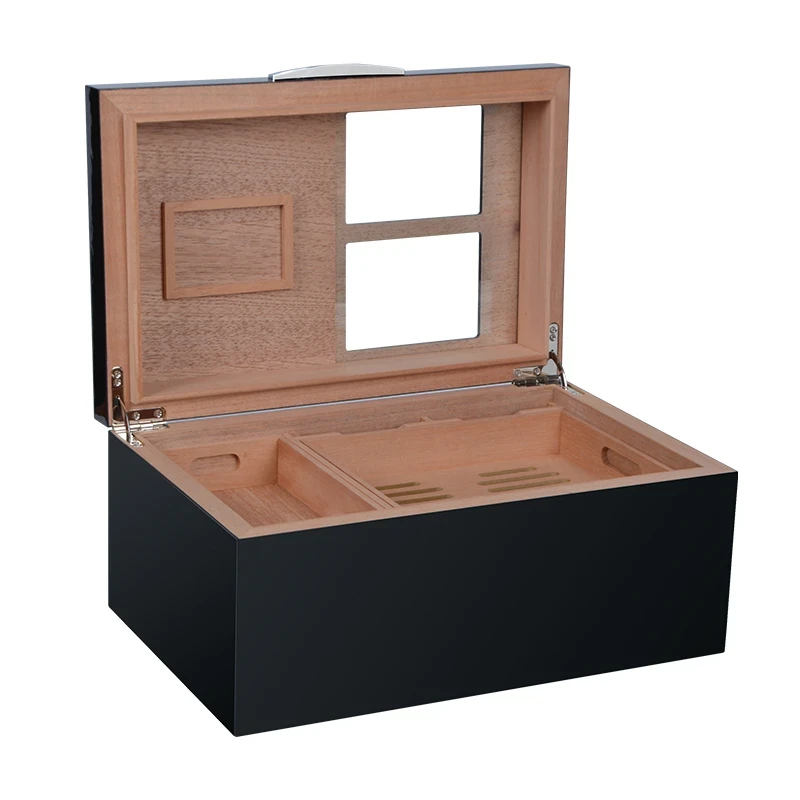
Even after curing, painted surfaces may emit trace odors. Inside a sealed humidor, these smells linger and get absorbed by cigars. I once opened a painted MDF box and immediately smelled artificial sweetness from the paint. Any cigar stored there would inevitably pick up this foreign note.
Common risks from painted interiors
- VOC release: Solvents evaporate into the closed space.
- Altered aroma: Cigars absorb unnatural smells.
- Permanent damage: Once affected, cigars rarely recover original flavor.
I always advise clients that cigars are like sponges. They pick up cedar’s pleasant aroma when stored properly. But they also absorb paint odors, which destroys the cigar’s essence.
Why do unfinished or lightly treated Spanish cedar interiors perform better for cigars?
Spanish cedar is the traditional choice for humidors. Its properties naturally align with cigar preservation.
Unfinished or lightly treated cedar regulates humidity, repels insects, and enhances cigar aroma, making it unmatched for interiors.
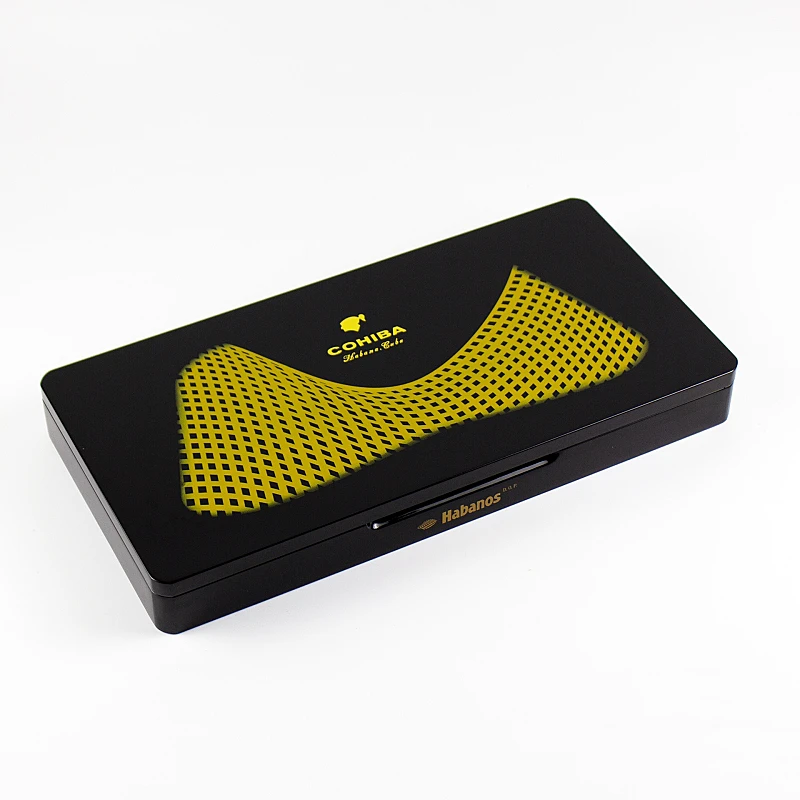
Cedar’s porous structure allows it to “breathe,” absorbing and releasing moisture to keep conditions stable. Its aroma is subtle but protective, preventing mold and deterring tobacco beetles. When left unfinished, cedar performs at full capacity. Even light sanding is enough to keep it effective.
Why cedar interiors excel
- Equilibrio idrico: Cedar stabilizes fluctuations.
- Natural aroma: Complements cigar flavor.
- Insect resistance: Protects cigars without chemicals.
For example, I once delivered a batch of humidors with 7mm natural cedar lining. Clients reported that their cigars matured better, developing deeper aroma after months of storage. This is something paint can never replicate.
Are there safer alternatives (like natural oils or water-based finishes) for interior protection?
Sometimes clients request coatings to “protect” the cedar. While most finishes harm function, a few safer options exist.
Natural oils or water-based finishes can offer limited protection, but even these reduce cedar’s performance compared to unfinished interiors.
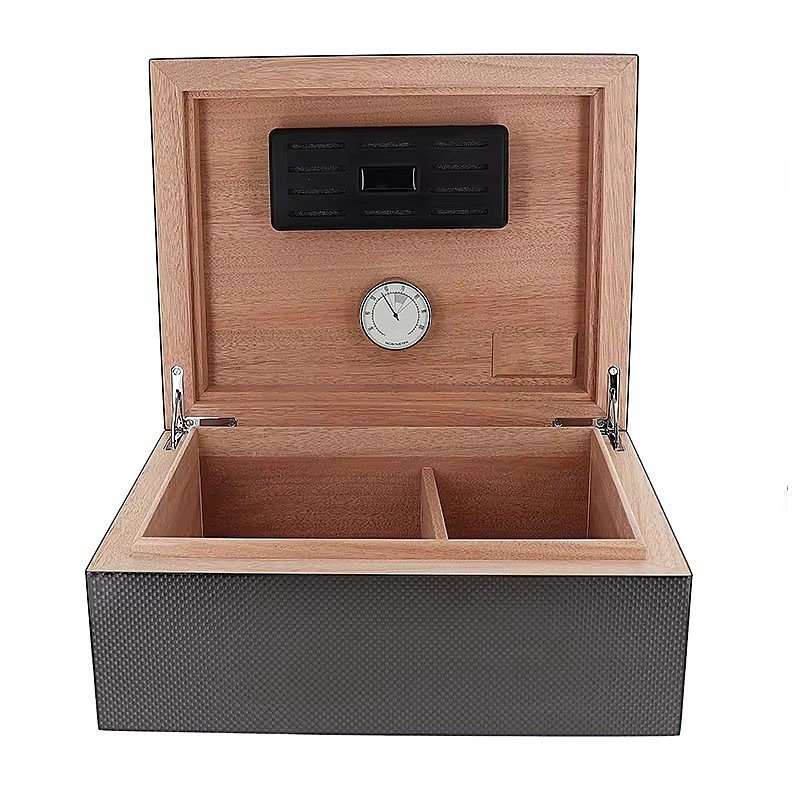
Safer finish options
| Tipo di finitura | Effect on Cedar Function | Risk of Odor | Practical Use |
|---|---|---|---|
| Natural oils (e.g. mineral oil) | Slightly reduces breathing | Basso | For light sealing |
| Water-based finishes | Minimal odor if cured | Medio | Safer than lacquer |
| Shellac (light coat) | Somewhat breathable | Basso | Occasional use |
I personally avoid applying any finish inside. Even water-based coatings change how wood interacts with humidity. However, for clients demanding protection against staining, I sometimes use a very thin coat of shellac. It seals lightly without strong odor. Still, I always explain the trade-offs clearly.
How do luxury brands balance aesthetics with the functional needs of cigar preservation?
High-end brands face pressure to impress visually while also preserving cigars. The solution is careful separation of design elements.
Luxury brands keep interiors natural cedar, while focusing decorative finishes on the exterior for aesthetics.
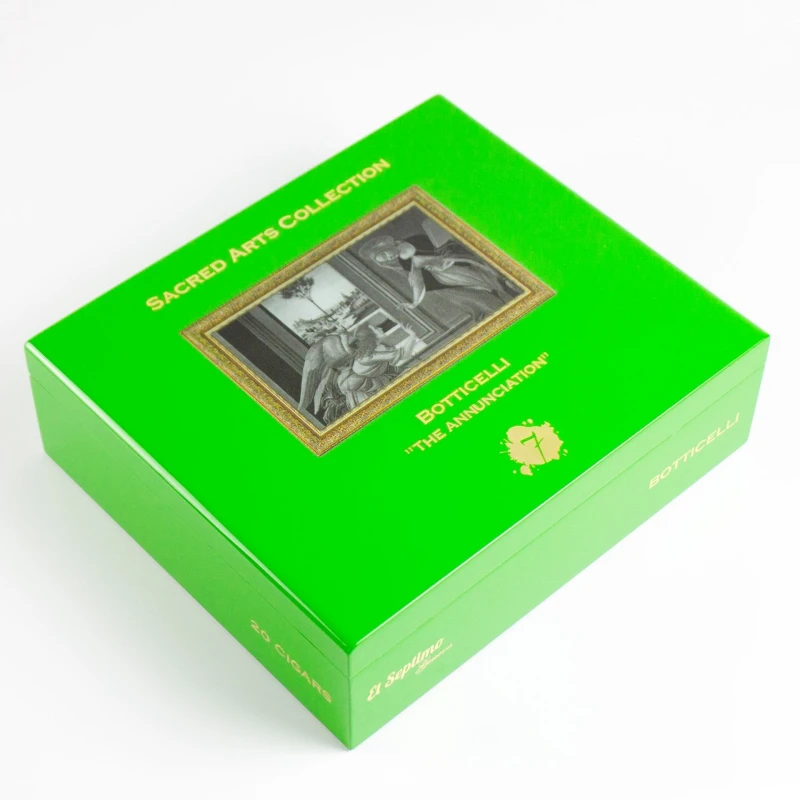
When you see a premium humidor in stores, the outside may have piano lacquer, exotic veneers, or metallic inlays. But the inside almost always remains untreated Spanish cedar. This design balance satisfies both needs: visual luxury and functional preservation.
Brand strategies
- Exterior finishes: High gloss, veneer, or paint.
- Interior finishes: Always natural cedar.
- Approccio ibrido: Decorative trays with functional cedar linings.
I have worked on projects where clients wanted bold colors inside. Instead, we suggested painted trays combined with natural cedar lining in contact with cigars. This compromise delivered design flair without sacrificing function.
What guidelines should manufacturers follow when clients request painted interiors?
Manufacturers often face demands for painted interiors, especially in gift packaging projects. The challenge is to educate clients without losing business.
Guidelines: explain risks, offer alternatives, and if paint is unavoidable, isolate it from direct cigar contact.

Practical manufacturer guidelines
- Educate clients: Explain how paint harms humidity and aroma.
- Offer alternatives: Suggest natural cedar linings or removable trays.
- If paint is required: Use low-VOC, water-based paint, and add a cedar insert.
- Test before shipping: Check for residual odor inside sealed boxes.
In my experience, most clients accept alternatives when they understand the functional conflict. For example, I convinced a luxury brand in Germany to keep the interior cedar and paint only the removable tray bottom. They later thanked me after realizing their cigars stayed fresh.
Conclusione
Painting cigar box interiors harms both humidity control and aroma. Natural Spanish cedar remains the best choice.
Nome del marchio: WoodoBox
Slogan: Scatole di legno personalizzate, realizzate alla perfezione
Sito web: www.woodobox.com
WhatsApp: +86 18359265311



 Italiano
  English
  Español
  Português
  Deutsch
  Français
  العربية