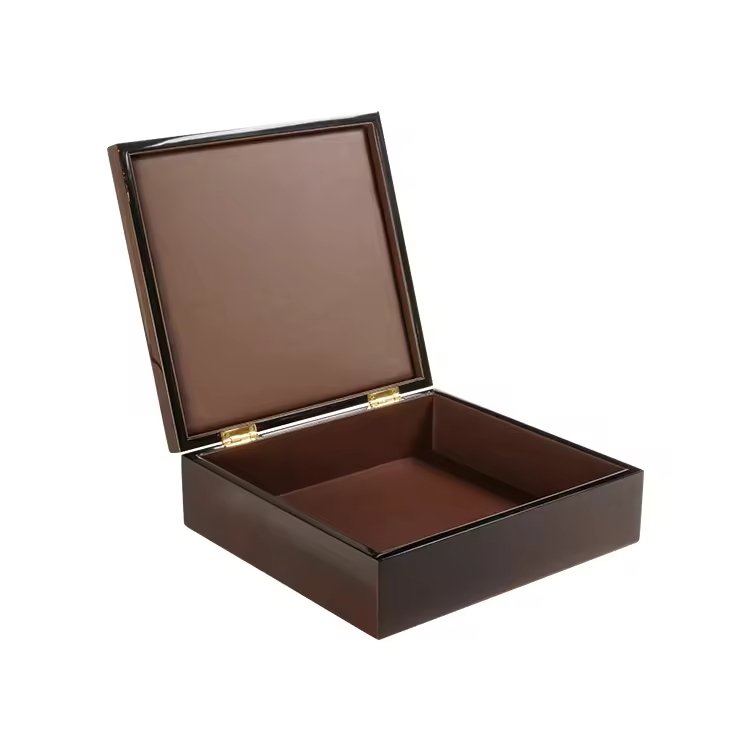

Perfume boxes fail drop tests every day, and most brands only find out after broken bottles, leaks, and angry distributors appear. The cost is not just product loss. It is lost trust.
A perfume box passes drop-test standards when it controls impact energy instead of fighting it with thickness or foam. From my experience, structure, fixation, and geometry decide success long before cushioning is added.
If you are sourcing or designing perfume packaging for export markets, understanding how drop tests really work will save you time, money, and reputation.
How do drop-test standards translate into real-world impact scenarios for perfume packaging?

Most brands read drop-test standards as technical documents, but they forget one thing. Every test simulates a real human mistake.
Drop-test standards represent worst-case handling errors that happen daily in logistics. These include careless lifting, tilted stacking, and sudden impacts during transport.
What drop tests are really simulating
From my work with export perfume boxes, most tests are based on the same logic.
- A worker drops a carton by accident
- A box slides off a conveyor
- A pallet shifts inside a container
- A courier throws a package onto the ground
Standards like ISTA do not assume gentle handling. They assume failure will happen.
Below is a simplified view of common test scenarios:
| Drop Type | What It Simulates | Risk to Perfume Bottle |
|---|---|---|
| Face drop | Flat fall from hands | Base cracking, liquid shock |
| Edge drop | Sliding off a surface | Internal shifting |
| Corner drop | Accidental tipping | Neck breakage, pump failure |
Corner drops are always the most dangerous. I have seen many designs pass face drops and fail instantly on the first corner test.
Why perfume packaging is especially vulnerable
Perfume bottles create a perfect storm for drop failures.
- Glass is rigid and brittle
- The liquid adds moving mass
- The spray pump is fragile
- The neck is a stress concentrator
When a box hits the ground, the bottle does not just stop. The liquid keeps moving for a split second. This internal motion multiplies force at the weakest points.
From real tests, I learned one rule very early:
If energy reaches the bottle directly, failure is only a matter of time.
My practical takeaway
Drop-test standards are not abstract rules. They are a checklist of mistakes that will happen after your product leaves the factory.
If your design only survives ideal handling, it is already a failed design.
Why must structural strength come before cushioning when designing a drop-safe box?
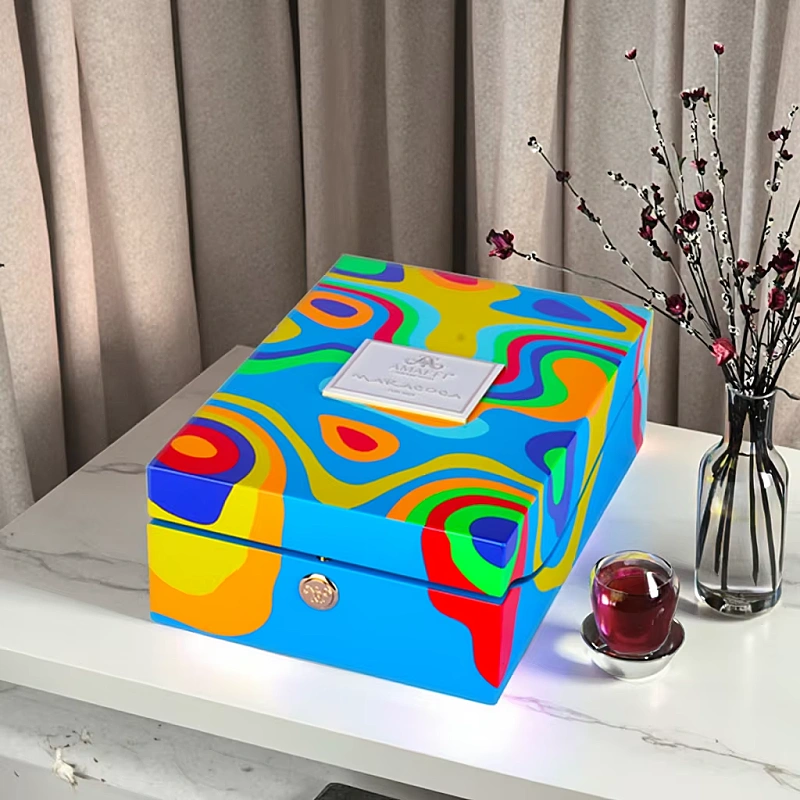
Many brands start with foam. I always start with structure.
Structural strength decides how impact energy enters the box. Cushioning only manages what remains.
The common mistake with cushioning-first thinking
I often see this logic from new buyers:
- Add thicker foam
- Add softer material
- Add more layers
This approach ignores one problem. If the outer box collapses, foam becomes useless.
When structure fails, energy moves fast and unpredictably. Foam cannot correct chaos.
Structure defines energy paths
A strong structure does three important things during impact:
- It keeps box geometry stable
- It spreads force across surfaces
- It slows energy transfer
This is where wooden boxes perform very differently from paperboard.
Structural comparison from my projects
| Tipo di scatola | Behavior on Impact | Risultato |
|---|---|---|
| Thin carton | Collapses inward | Force concentrates |
| Thick carton | Deforms unevenly | Bottle shifts |
| Rigid wooden box | Maintains shape | Energy distributes |
In multiple redesign cases, we kept the same internal foam but changed only the outer structure. The drop-test results improved immediately.
Why wood changes the equation
Wooden boxes act as shock distributors. They do not absorb energy like foam. They redirect it.
When a corner hits the ground, a rigid box spreads that energy across the entire shell. This prevents a single point from becoming a failure point.
This is why many luxury perfume brands choose wooden packaging for export. It is not only about image. It is about physics.
My design principle
I never ask, “How soft should the foam be?” first.
I always ask:
“Where will the energy go when this box hits the ground?”
Once structure answers that question, cushioning becomes simple and predictable.
How does internal fixation prevent bottle neck and spray system failure?
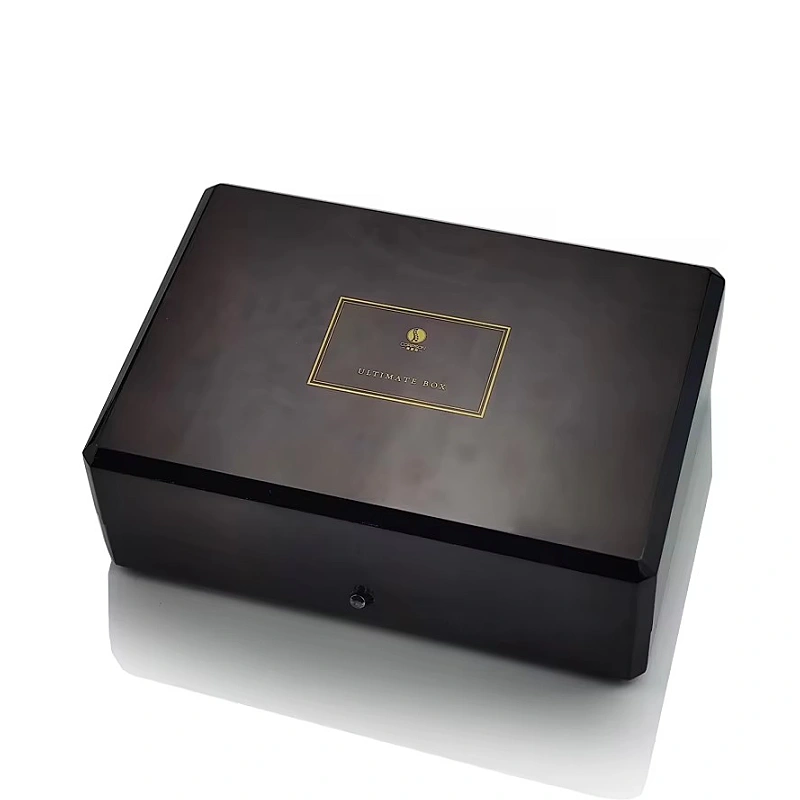
In perfume packaging, movement is the enemy.
Internal fixation prevents momentum, and momentum is what breaks necks and spray systems.
Why movement causes more damage than impact
Many people think impact itself breaks bottles. In reality, it is delayed movement.
Here is what happens during a drop:
- The box hits the ground
- The box stops instantly
- The bottle keeps moving
- The bottle hits the insert or wall
That final collision happens inside the box. That is where most damage occurs.
Critical fixation zones in perfume bottles
From years of testing, I focus on three zones:
- Bottle base
- Bottle shoulder
- Bottle neck and pump
The neck is the most sensitive. Even small movements can cause:
- Micro cracks
- Pump misalignment
- Seal failure
- Slow leakage
What good fixation really means
Good fixation does not mean squeezing the bottle tightly.
It means controlled restraint.
A well-designed insert:
- Holds the bottle in position
- Allows minimal compression
- Prevents directional movement
Below is how different insert approaches behave:
| Insert Type | Fixation Quality | Livello di rischio |
|---|---|---|
| Loose foam | Basso | Alto |
| Over-tight foam | Rigid | Medio |
| Custom EVA | Controlled | Basso |
| Wooden tray + liner | Molto stabile | Molto basso |
Why custom inserts outperform generic foam
Generic foam reacts randomly under impact. Custom inserts respond predictably.
When we design EVA, pulp, or wooden trays specifically for a bottle shape, we control:
- Contact points
- Compression zones
- Load paths
This is especially important for spray pumps. Pumps fail when force reaches them from angles they are not designed to handle.
My rule from experience
If a bottle can move, it will move.
And if it moves, it will eventually break.
Fixation is not optional. It is the silent protector inside every drop-safe perfume box.
Why do corner, edge, and face drops require different design responses?
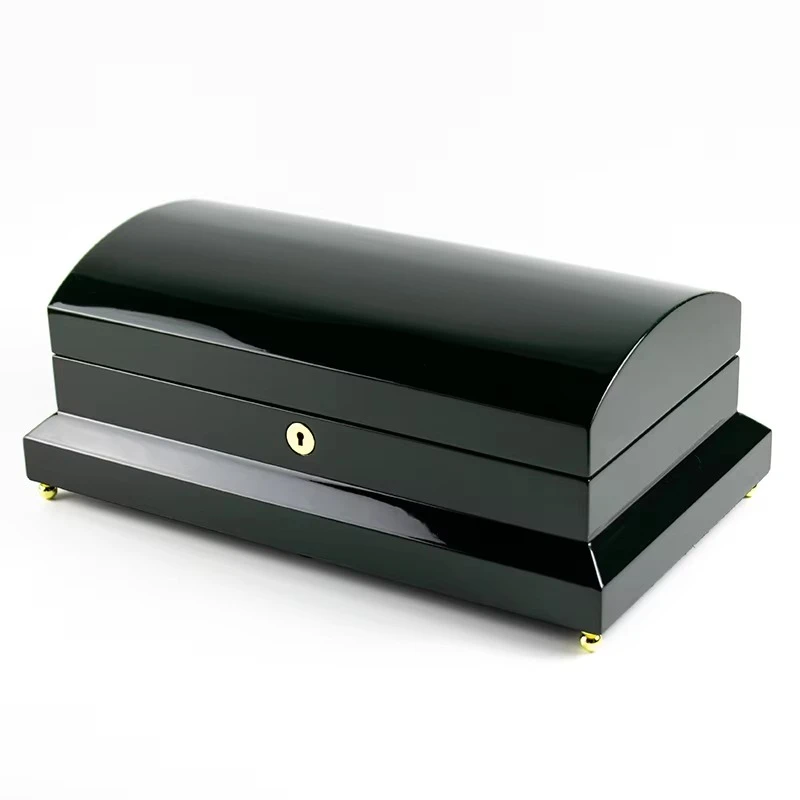
Not all drops behave the same. Designing for one and ignoring others is a common reason for test failure.
Each drop orientation sends energy through the box in a different way.
Face drops: surface load
Face drops distribute force across a wide area.
Risks include:
- Base cracking
- Liquid shock
- Insert compression failure
Face drops are usually the easiest to pass. Many weak designs survive these and create false confidence.
Edge drops: directional stress
Edge drops introduce bending forces.
Problems I often see:
- Insert shifting
- Bottle tilting
- Secondary impacts
Edge drops expose poor internal alignment.
Corner drops: concentrated energy
Corner drops are the true test.
All impact energy enters through a single point. If structure fails here, the bottle takes the hit.
Below is how different designs behave:
| Drop Type | Weak Design Result | Strong Design Result |
|---|---|---|
| Face | Foam bottoming | Controlled compression |
| Edge | Bottle tilt | Alignment maintained |
| Corner | Neck break | Energy redirected |
Why corners deserve special attention
Corners are where materials meet. They are also where stress multiplies.
Paperboard corners crush. Wooden corners hold geometry.
This is why I always reinforce corners structurally and keep bottles suspended away from them.
Design adjustments that improve corner performance
From real testing, these changes make a big difference:
- Thicker corner walls
- Internal air gaps near corners
- Offset bottle positioning
- Reinforced joint construction
Sometimes, moving a bottle just 5 mm away from a corner changes a fail into a pass.
My design habit
I design for corner drops first.
If a box survives corners, edges and faces usually follow.
How can material choice and box geometry work together to pass tests consistently?
Passing a drop test once is luck. Passing every time requires balance.
Material choice and geometry must work as one system.
Why material alone is never enough
Strong material with bad geometry still fails.
I have seen thick wooden boxes fail because they were too large and hollow.
Oversized boxes allow energy to build momentum before reaching the bottle.
Geometry controls force amplification
From testing, these geometric factors matter most:
- Box size relative to bottle
- Wall thickness consistency
- Internal void space
- Center of gravity
Compact designs perform better. Balanced mass reduces rotational force during drops.
Material and geometry pairing examples
| Materiale | Geometry Choice | Risultato |
|---|---|---|
| MDF + impiallacciatura | Compact fit | Stabile |
| Legno massiccio | Oversized | Rischioso |
| Carton + foam | Tight fit | Accettabile |
| Wood + custom tray | Equilibrato | Eccellente |
Why small adjustments matter
In one project, we reduced internal height by 8 mm. The result:
- Less vertical momentum
- Better insert engagement
- Corner test passed
Drop tests are sensitive. Small changes create large effects.
My consistent formula
From years of failures and successes, this system works:
- Rigid outer box
- Stable geometry
- Precise internal fixation
- Controlled cushioning
When these elements are designed together, results become predictable.
And predictable results are what global perfume brands need most.
Conclusione
A perfume box passes drop tests by managing energy through structure, fixation, and geometry. When design becomes systematic, protection becomes reliable.
Nome del marchio: WoodoBox
Slogan: Scatole di legno personalizzate, realizzate alla perfezione

 Italiano
  English
  Español
  Português
  Deutsch
  Français
  العربية