Wholesale buyers reject products every day without asking about price. Many brands never realize why. From my experience, packaging is often the silent decision-maker long before numbers appear.
Packaging affects wholesale buyer decisions because it reduces uncertainty, signals readiness, and protects commercial outcomes across the entire supply chain.
If you understand how buyers read packaging, you understand how wholesale decisions are truly made. Keep reading, and I will explain how buyers think when they see your box.
Why do wholesale buyers judge packaging before asking about price?
Wholesale buyers do not start with cost because cost is not the first risk. The first risk is failure. Packaging gives buyers a fast way to judge that risk.
Wholesale buyers judge packaging first because it tells them whether a product is commercially safe before they commit capital.
Packaging as a first-pass filter
In my daily work, I see buyers evaluate dozens of brands in a short time. They cannot deeply test every perfume or story. So they use packaging as a filter.
Packaging answers questions buyers do not ask out loud:
- Does this brand understand its market?
- Is the positioning clear?
- Will this cause problems later?
If packaging looks cheap, unfinished, or confused, the buyer often stops mentally right there. They may still smile. They may still say “interesting.” But the deal is already dead.
Price comes after confidence
Buyers know price can be adjusted. Packaging usually cannot. Changing packaging means redesign, new molds, new MOQ, and delays.
This is why price discussions only happen after packaging passes inspection.
From my factory conversations, I learned this simple rule:
If packaging fails, price does not matter.
What buyers scan in seconds
In the first few seconds, buyers focus on structure and execution, not decoration.
They look at:
| Buyer Focus Area | What They Are Checking |
|---|---|
| Box rigidity | Will it deform or collapse |
| Finitura superficiale | Will it scratch or fade |
| Fit and closure | Does it feel controlled |
| Peso | Does it feel justified |
| Coerenza | Can this scale in volume |
These checks happen fast. Often subconsciously.
My personal observation
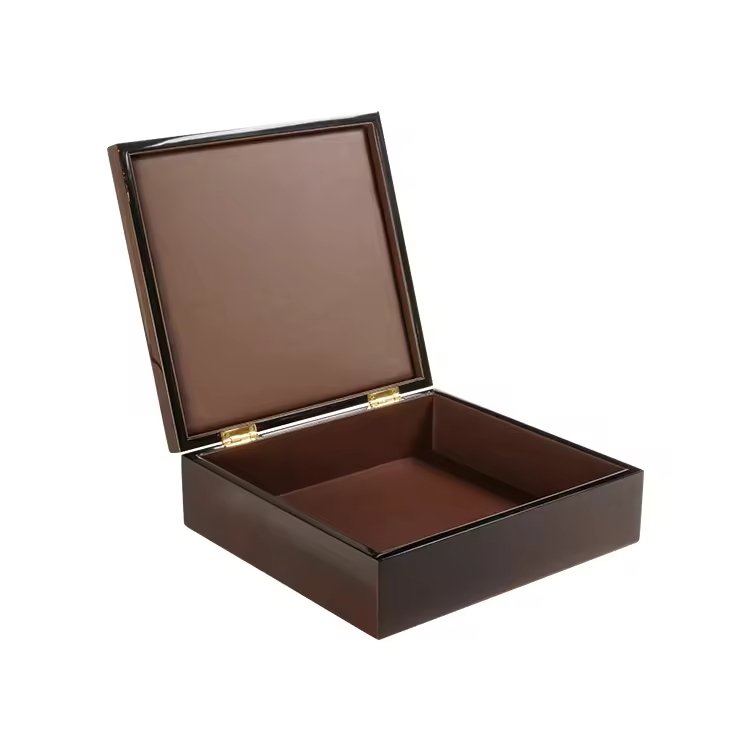
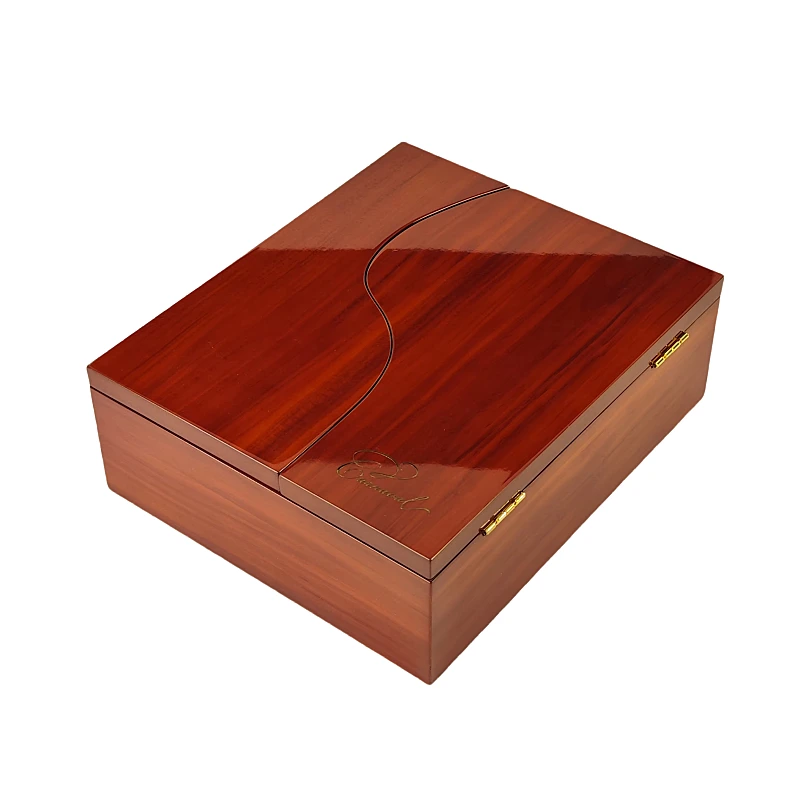
I once worked with two perfume brands at the same trade show. The scents were similar in quality. One used a thin folding box. The other used a rigid wooden box with piano lacquer.
Buyers stopped longer at the wooden box booth. Price was never mentioned in the first meeting. With the folding box brand, price was the first question, and also the last conversation.
That moment stayed with me.
Packaging sets the tone. Buyers follow that tone.
How does packaging signal whether a perfume brand is retail-ready?
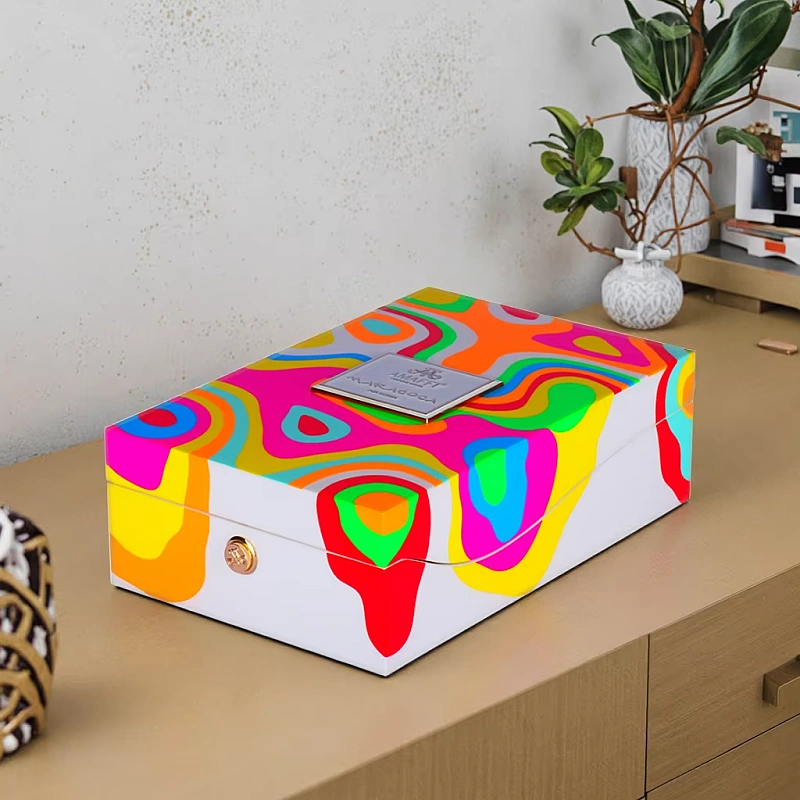
Retail readiness is not about having a good product. It is about being easy to place, easy to explain, and easy to trust.
Packaging signals retail readiness by showing that the brand can stand alone without extra support.
What “retail-ready” really means
Wholesale buyers think in systems. They think about shelves, warehouses, staff, and customers.
Retail-ready packaging answers these questions clearly:
- Can this sit next to established brands?
- Will customers understand it without explanation?
- Will it look good after weeks on display?
If the answer feels uncertain, buyers hesitate.
Design clarity matters more than beauty
Many brand owners focus on beauty. Buyers focus on clarity.
Clear packaging communicates:
- Brand level
- Price range
- Target customer
Confusing packaging forces staff to explain. Buyers dislike that.
I often tell clients this:
If your packaging needs explanation, it is not retail-ready.
Structural quality equals operational trust
Buyers worry about handling. They worry about stacking. They worry about storage.
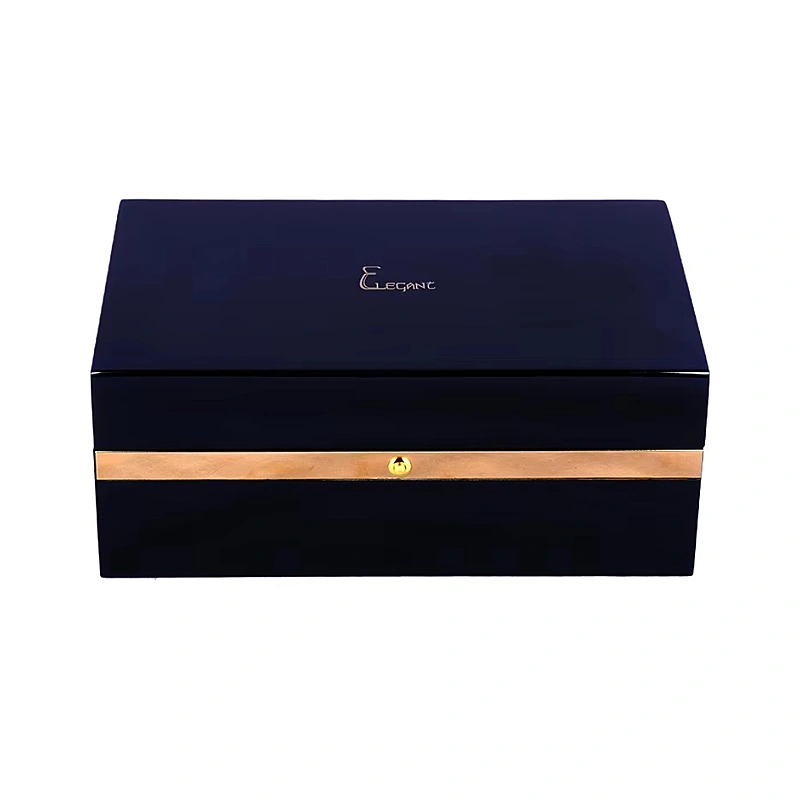
Rigid boxes, especially wooden or thick MDF structures, give buyers peace of mind.
They know:
- Bottles are protected
- Packaging keeps shape
- Displays stay clean
This is why premium perfume brands often use rigid or wooden boxes, even when cost is higher.
Signs buyers associate with readiness
Here is a simple table based on buyer feedback I collected over years:
| Caratteristiche dell'imballaggio | Buyer Interpretation |
|---|---|
| Tight tolerances | Controlled production |
| Colore uniforme | Stable supply chain |
| Durable finish | Lower return risk |
| Clear logo placement | Strong brand thinking |
| Balanced proportions | Professional design |
None of these require words. Packaging speaks for the brand.
From my experience
I have seen buyers accept higher MOQs simply because packaging looked finished and confident.
They believed the brand had already done the hard work.
That belief is what retail readiness truly means.
Why do wholesalers see packaging as a risk-management tool?
Wholesale buyers do not think like consumers. They think like insurers.
Packaging is a risk-management tool because it reduces damage, complaints, and operational costs.
Physical risk is the first concern
Perfume is fragile. Glass breaks. Caps loosen. Leakage happens.
Buyers calculate this risk instantly.
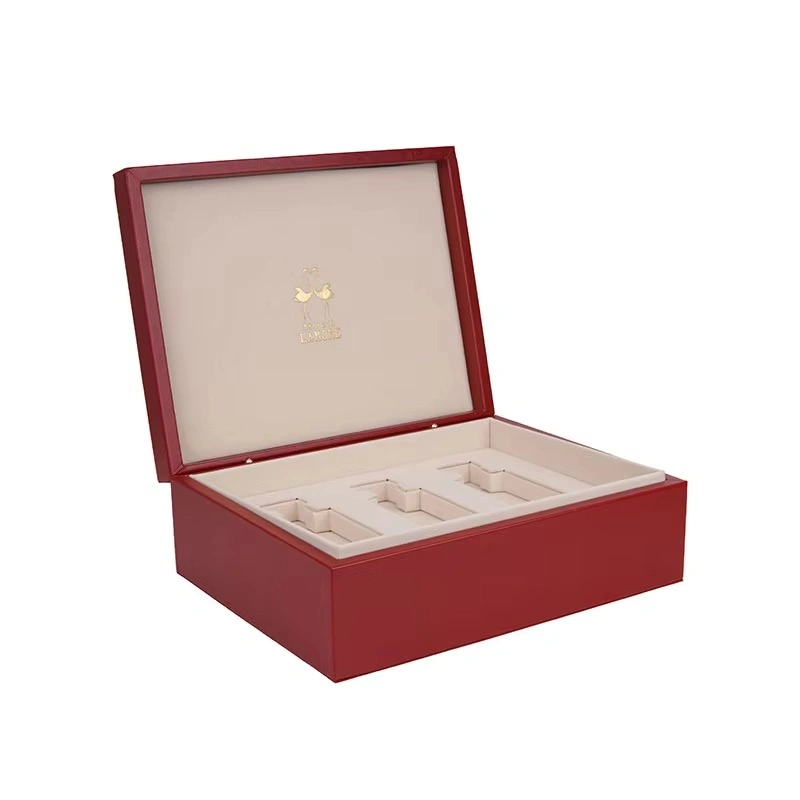
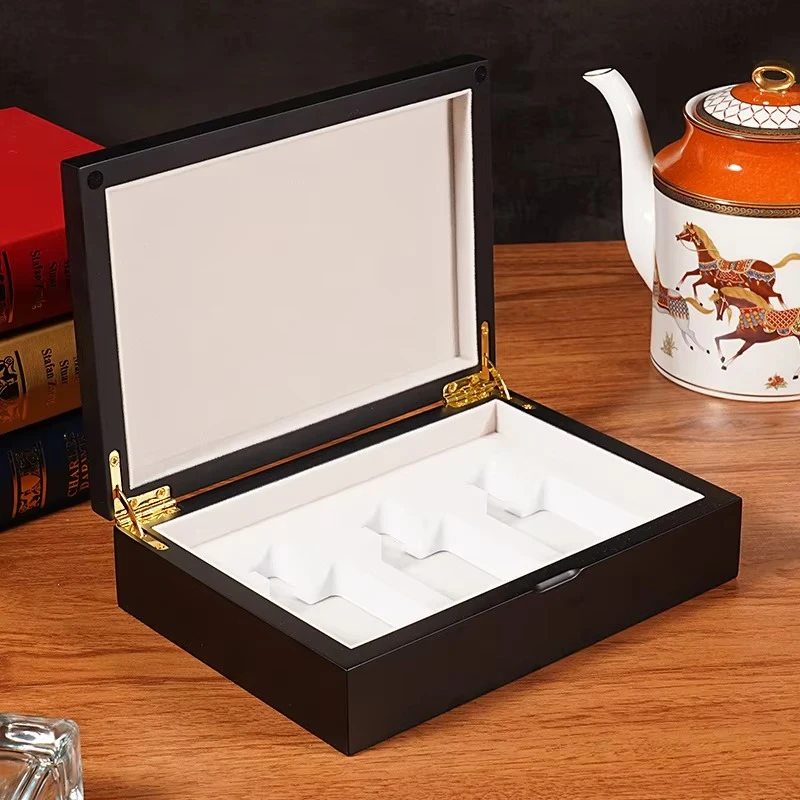
Rigid boxes, wooden boxes, and fitted inserts reduce:
- Bottle movement
- Impact damage
- Transit loss
This matters more than aesthetics.
Packaging protects margins
Every damaged unit hurts margins. Every return costs time.
Buyers know that better packaging protects profit.
Here is how they see it:
| Risk Area | Poor Packaging | Strong Packaging |
|---|---|---|
| Transport damage | Alto | Basso |
| Customer returns | Frequent | Raro |
| Storage wear | Visibile | Minimo |
| Brand complaints | Comune | Limitato |
This table lives in the buyer’s head, even if they never write it down.
Emotional risk still exists
Buyers also worry about reputation.
If customers complain about packaging, they blame the retailer, not the brand.
So buyers choose packaging that reduces emotional stress.
I once heard a distributor say:
I pay more for packaging because I sleep better.
That sentence explains everything.
Wooden boxes as risk shields
From my factory side, I see why wooden boxes perform well:
- Struttura robusta
- Inserti personalizzati
- Stable shape
- Premium perception
They reduce both physical and perceived risk.
That is why buyers accept them even with higher unit costs.
La mia conclusione
Wholesalers do not buy packaging for beauty. They buy it for safety.
If your packaging makes buyers feel protected, they will protect your brand in return.
How does packaging influence a buyer’s confidence in sell-through potential?
Sell-through is the core of wholesale success. Everything else is secondary.
Packaging influences sell-through confidence by making the product easy to notice, understand, and desire.
Buyers think in movement, not emotion
Buyers ask one main question:
Will this move?
Packaging helps them answer that without sales data.
Shelf communication matters
On a shelf, packaging has seconds to work.
Buyers evaluate:
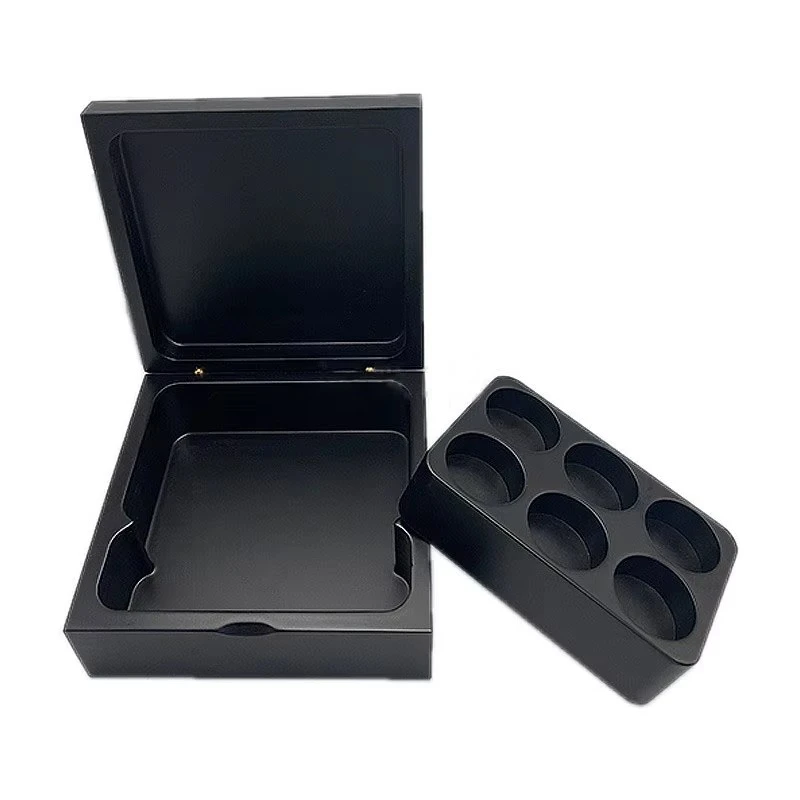
- Visual contrast
- Material quality
- Shape uniqueness
Packaging that stands out without shouting feels safer.
Online sell-through is also packaging-driven
Today, many wholesalers sell online.
Packaging affects:
- Product photos
- Esperienza di unboxing
- Review content
Premium boxes photograph better. They create perceived value.
Buyers know this.
Signals that increase sell-through confidence
From buyer feedback, these signals matter most:
| Packaging Signal | Buyer Thought |
|---|---|
| Peso | Feels worth the price |
| Finitura | Looks premium on camera |
| Struttura | Easy to display |
| Coerenza | Predictable repeat sales |
| Branding | Easy to remember |
None of these depend on fragrance quality directly.
My real-world experience
I worked with a brand that upgraded from a paper box to a rigid box. The perfume stayed the same.
Sell-through improved within two months.
Buyers told me:
Customers trusted it faster.
That trust came from packaging, not scent.
Negotiation becomes difficult when buyers doubt value.
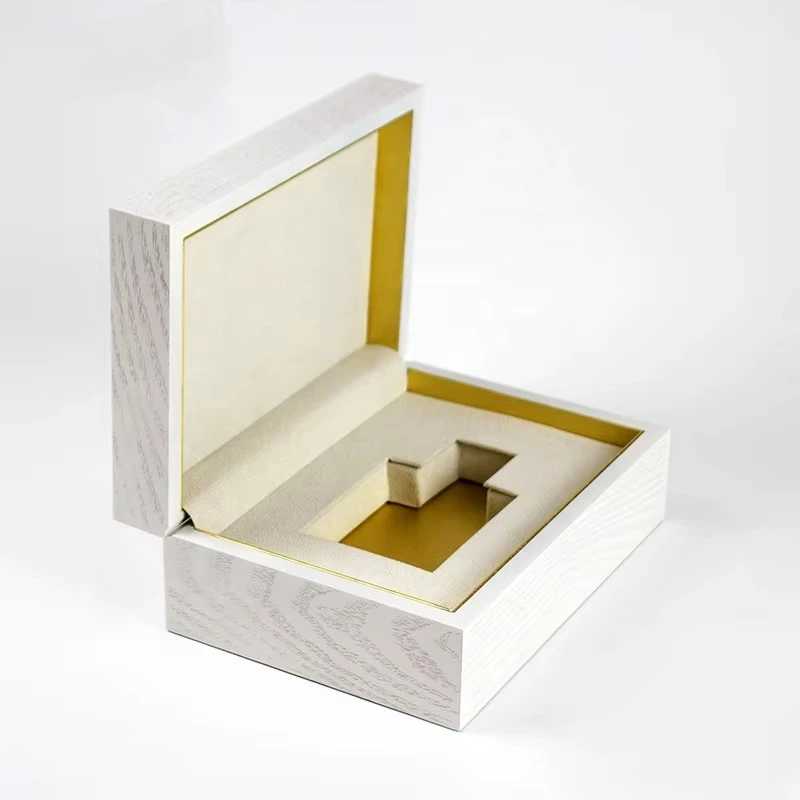
Premium packaging simplifies negotiations because it makes pricing logic visible and defensible.
Packaging justifies price
Buyers need to explain pricing internally.
When packaging looks premium, explanations become easy.
They can say:
- The packaging supports the retail price
- The brand matches market level
- The margin structure makes sense
Without strong packaging, buyers push harder on price.
Internal approvals depend on appearance
Many buyers need approval from teams or partners.
Packaging helps them sell the idea internally.
I have seen buyers take photos of boxes to meetings. The box becomes the argument.
Reduced negotiation friction
Strong packaging reduces:
- Discount pressure
- MOQ resistance
- Payment disputes
Buyers feel less need to “protect themselves.”
A simple comparison
| Scenario | Buyer Behavior |
|---|---|
| Weak packaging | Aggressive negotiation |
| Premium packaging | Cooperative discussion |
| Generic box | Price-first focus |
| Custom wooden box | Value-first focus |
This pattern repeats again and again.
My final observation
Packaging does not end negotiations. It sets the tone.
When the tone is confident, discussions become easier.
That is why premium packaging is not an expense. It is leverage.
Conclusione
Packaging shapes wholesale decisions because it reduces risk, builds confidence, and proves readiness before numbers appear. Buyers say yes faster when uncertainty disappears.
Nome del marchio: WoodoBox
Slogan: Scatole di legno personalizzate, realizzate alla perfezione

 Italiano
  English
  Español
  Português
  Deutsch
  Français
  العربية