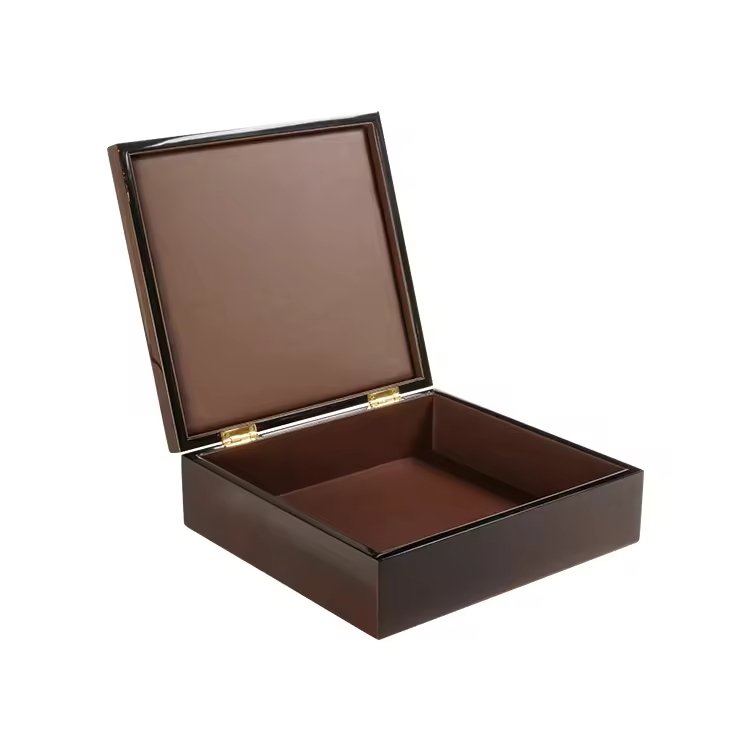
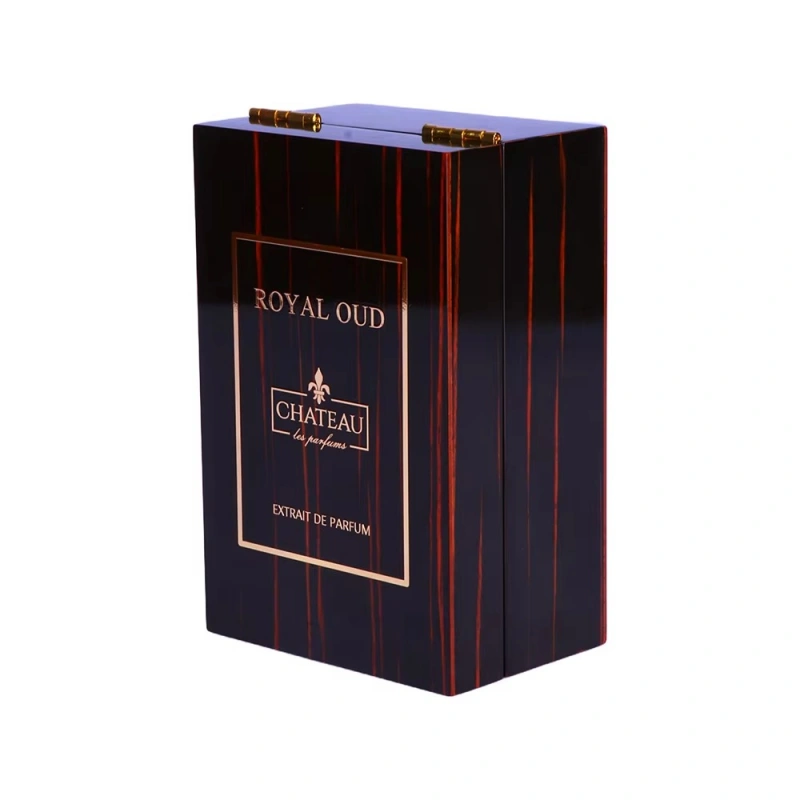
Before a customer smells a fragrance, judgment already begins. Packaging weight quietly shapes expectations, often deciding whether the scent feels premium or forgettable.
Yes, heavier packaging does psychologically suggest better fragrance quality—but only when that weight feels intentional and honest. Weight influences trust, perceived investment, and emotional readiness. When done right, it prepares the mind to believe the fragrance is worth more.
Weight is not decoration. It is communication. And in luxury perfumery, it speaks before scent ever can.
I have seen this effect clearly over 15 years of working with perfume brands and producing high-end wooden boxes. The fragrance stayed the same. Only the box changed. Yet customer reactions shifted immediately.
What follows is how and why this happens—and how brands should use weight with care.
Why does weight influence our perception of value before we smell a fragrance?
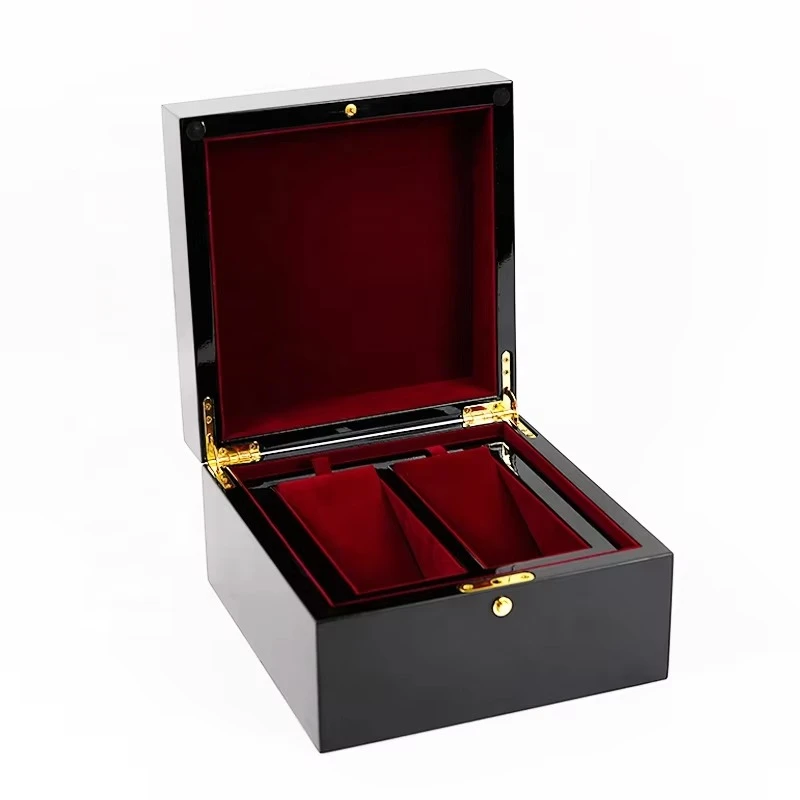
When customers touch packaging, their brain makes fast value judgments. Weight becomes one of the strongest early signals, long before logic or scent enters the process.
Weight influences perceived value because the human brain links heaviness with effort, cost, and importance. This association forms instantly and operates below conscious awareness.
Approfondisci
In my experience, fragrance packaging is judged in seconds. A customer lifts the box or bottle. That moment matters more than most brands realize.
Humans evolved to associate weight with work. Heavier objects usually required more energy to create, move, or protect. Over time, the brain learned a shortcut:
If something is heavy, it probably cost more to make.
This shortcut still operates today.
Before smelling a fragrance, customers cannot judge its formula. They rely on external cues. Weight becomes one of the most reliable cues because it is physical and immediate.
I have watched buyers pick up two perfume boxes of similar size. One is light paperboard. The other is rigid or wooden. Almost every time, the heavier one is described as “more premium,” even with no brand name visible.
This reaction is not cultural guesswork. It appears across markets.
From client feedback sessions, I often hear words like:
- Serious
- Solid
- Sicuro di sé
- Expensive
None of these describe scent. They describe expectation.
Weight also affects how long customers interact with packaging. Heavier boxes are held longer. They invite slower movements. This delay gives the brain more time to build anticipation.
Light packaging, by contrast, encourages quick handling. It feels temporary. Disposable.
In fragrance retail, where shelves are crowded and attention is short, that difference is critical.
Here is a simplified comparison I often share with clients:
| Packaging Feel | Immediate Assumption | Risposta emotiva |
|---|---|---|
| Molto leggero | Cost-saving | Low trust |
| Moderato | Standard | Neutro |
| Purposeful heavy | Invested | Respect, curiosity |
The key is not extreme weight. It is meaningful weight.
When packaging feels heavy for its size, the brain assumes something valuable is being protected. That assumption transfers directly to the fragrance inside.
This is why weight influences perception even before smell. The brain wants to decide early. Weight helps it decide fast.
How does tactile heaviness trigger assumptions about craftsmanship and quality?
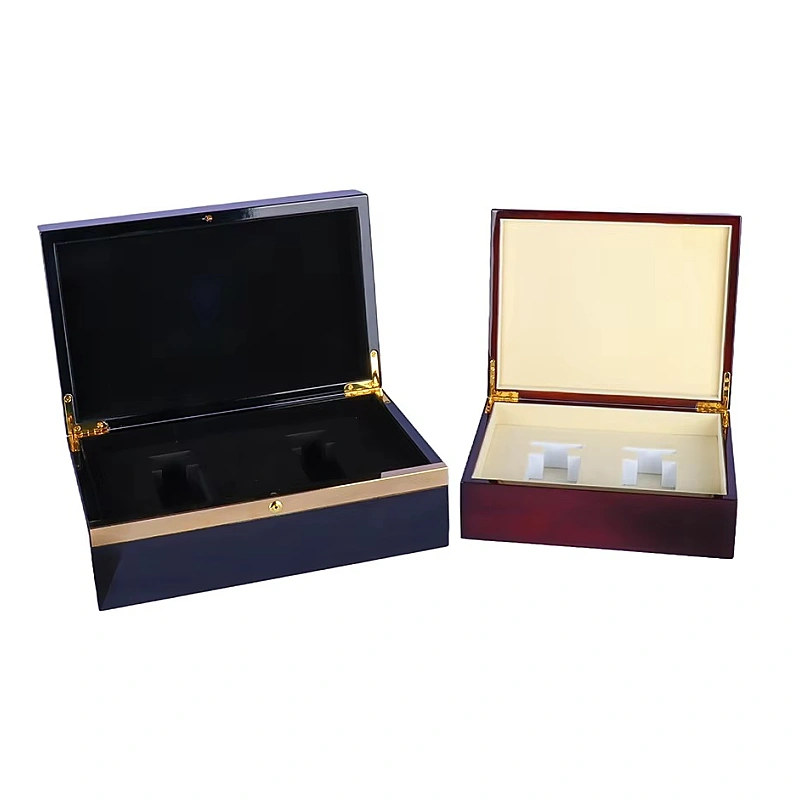
Touch creates belief faster than sight. When packaging feels heavy, customers assume better craftsmanship without asking questions.
Tactile heaviness signals structure, material integrity, and care in production. These signals translate directly into perceived quality.
Approfondisci
Craftsmanship is invisible to most customers. They cannot see glue joints, internal structure, or tolerances. But they can feel stability.
Heaviness enhances that feeling.
In my factory work, I have seen how the same design feels completely different depending on material choice. MDF with veneer feels different from solid wood. Thin walls feel different from thick ones.
Customers may not know why. But they feel it.
Weight changes how an object behaves in the hand. Heavier packaging:
- Moves less when placed on a table
- Feels more stable when opened
- Resists accidental tipping
These behaviors suggest control and precision.
When customers open a heavy perfume box, their movements slow down. The lid opens with resistance. The inner tray stays in place. This resistance is interpreted as quality.
Light packaging often does the opposite. Lids flip open too easily. Inner parts shift. The experience feels loose.
I often explain craftsmanship perception like this:
If an object behaves predictably and calmly, people assume it was carefully made.
Weight helps create that calm behavior.
Another factor is sound. Heavier materials produce deeper sounds. When wood closes, it sounds different from paperboard. The brain reads this as density and durability.
Here is a breakdown I share internally when designing boxes:
| Sensory Input | Light Packaging | Heavy Packaging |
|---|---|---|
| Hand feel | Hollow | Solid |
| Opening motion | Fast, loose | Slow, controlled |
| Suono | Sharp, thin | Deep, muted |
| Stabilità | Shifts easily | Stays grounded |
Each of these reinforces the idea of craftsmanship.
Importantly, customers rarely analyze these sensations. They simply conclude:
“This feels well made.”
That conclusion then colors how they judge the fragrance. If the box feels crafted, the scent must be crafted too.
This is not manipulation. It is alignment.
When packaging reflects the care put into the fragrance, weight becomes a truthful signal. When it does not, customers feel the mismatch.
That is why tactile heaviness must come from real structure, not fake additions.
Why do luxury brands intentionally add weight to perfume packaging?

Luxury brands do not add weight by accident. They do it because weight supports pricing, storytelling, and shelf presence.
Luxury brands add weight to anchor premium positioning and justify higher price points before scent evaluation.
Approfondisci
In luxury perfumery, brands compete on emotion before performance. The customer often smells the fragrance after forming an opinion.
Weight plays a strategic role here.
From projects I have worked on, luxury brands often add weight in layers:
- Thicker glass bottles
- Metal caps instead of plastic
- Rigid inner trays
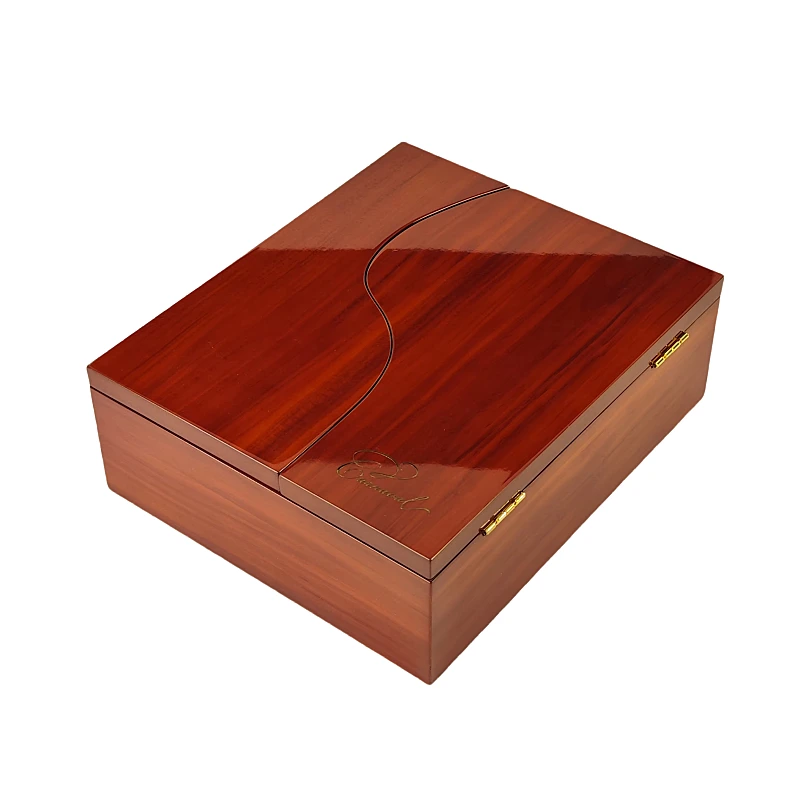
- Wooden outer boxes
Each layer adds small amounts of weight. Together, they change perception.
What matters is not where the weight comes from, but how it feels as a whole.
Customers rarely say, “This has a metal cap.” They say, “This feels expensive.”
That reaction helps brands defend higher prices. When a fragrance costs more, customers subconsciously ask: why?
Weight provides part of the answer.
Luxury brands also use weight to slow down the unboxing process. A heavier box encourages careful handling. This creates ritual.
Ritual is important in luxury.
I often remind clients that luxury is not speed. It is pause.
Weight creates pause.
Here is how weight supports luxury strategy:
| Obiettivo del marchio | Role of Weight |
|---|---|
| Premium pricing | Justifies cost |
| Brand story | Signals investment |
| Shelf impact | Feels substantial |
| Unboxing ritual | Slows interaction |
In one project, a brand kept the same fragrance and bottle. They only changed from a rigid paper box to a lacquered wooden box. Retail price increased. Sales did not drop. In some channels, they rose.
Why?
Because the packaging finally matched the price.
Luxury brands understand that customers want reassurance. Weight reassures without explanation.
However, good brands also understand limits. They test balance. They test ergonomics. They test customer feedback.
Weight is designed. Not guessed.
That is why successful luxury packaging feels heavy, but never clumsy.
When does added weight enhance perception—and when can it backfire?
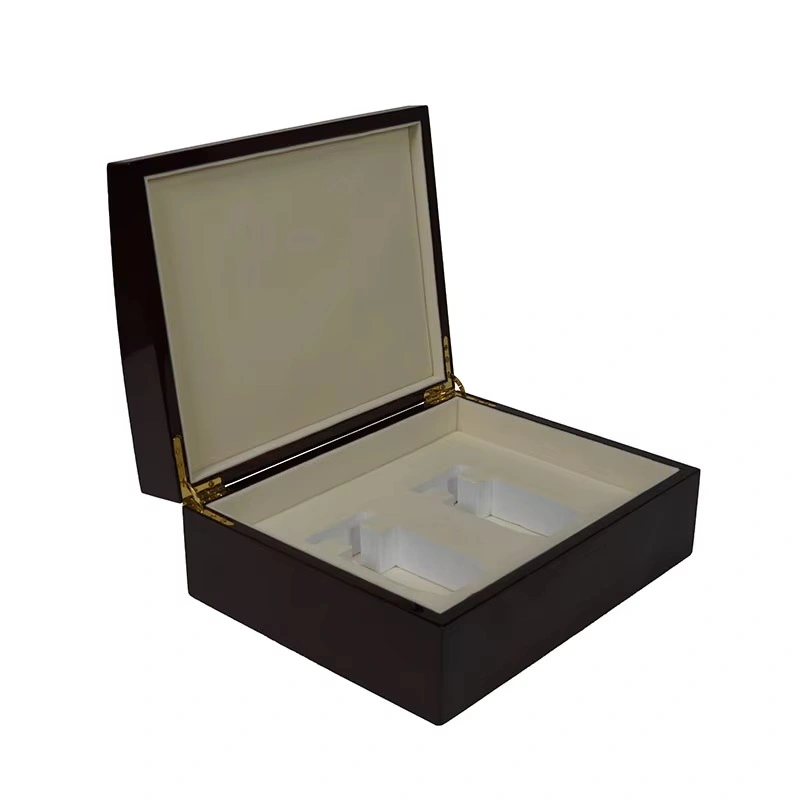
Weight can build trust or destroy it. The difference lies in intention, balance, and honesty.
Added weight enhances perception only when it feels natural and functional. It backfires when it feels forced or deceptive.
Approfondisci
I have seen both outcomes.
In successful projects, customers describe heavy packaging as “solid” or “reassuring.” In failed ones, they say “awkward” or “too much.”
The line between the two is thin.
Weight enhances perception when:
- It matches the size of the box
- It aligns with material choice
- It improves stability and handling
Weight backfires when:
- The box feels unbalanced
- The lid is too heavy
- The object strains the wrist
Customers are sensitive to misuse.
One mistake I see is adding weight through hidden fillers. Extra layers. Dense inserts with no function. Customers may not see them, but they feel the result.
When weight has no visible reason, suspicion appears.
Another mistake is ignoring ergonomics. A heavy perfume box that is hard to open creates frustration. Frustration cancels luxury.
Ecco un semplice confronto:
| Weight Use | Customer Reaction |
|---|---|
| Structural wood | Fiducia |
| Thicker glass | Confidence |
| Hidden metal plates | Doubt |
| Overbuilt lid | Annoyance |
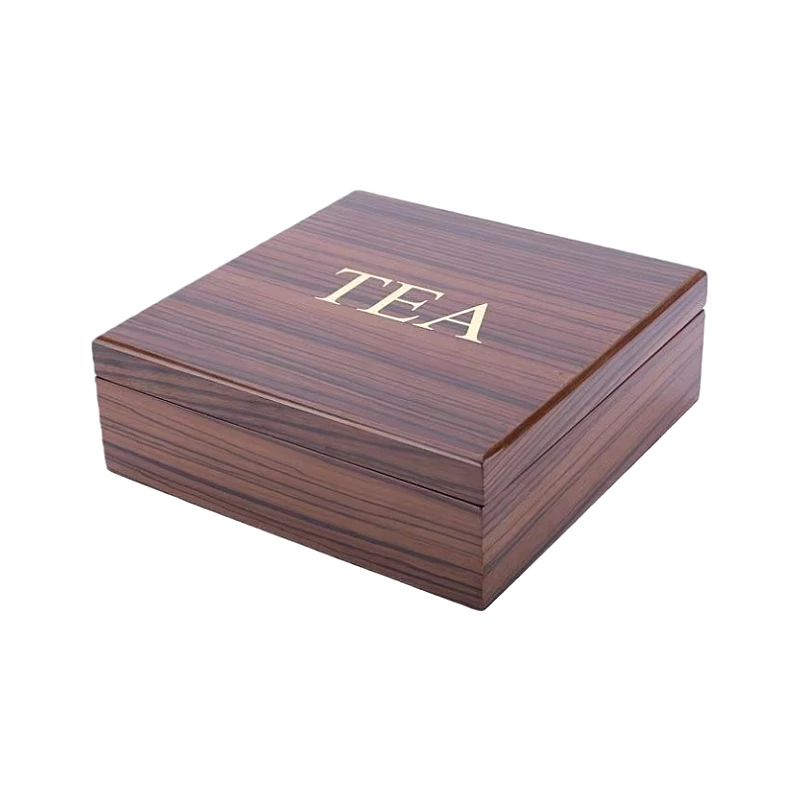
Wood works especially well because its weight feels honest. Wood is expected to weigh more. Customers accept it.
Plastic pretending to be heavy does not work the same way.
I always advise brands to ask one question:
If a customer asks why this is heavy, can we answer honestly?
If the answer is yes, weight helps. If the answer is vague, weight hurts.
Another risk is sustainability perception. Excessive weight increases shipping cost and carbon footprint. Some customers notice this.
Luxury today includes responsibility. Weight must respect that shift.
The goal is not to impress with heaviness. It is to reassure with substance.
How can brands use weight strategically without relying on excess?
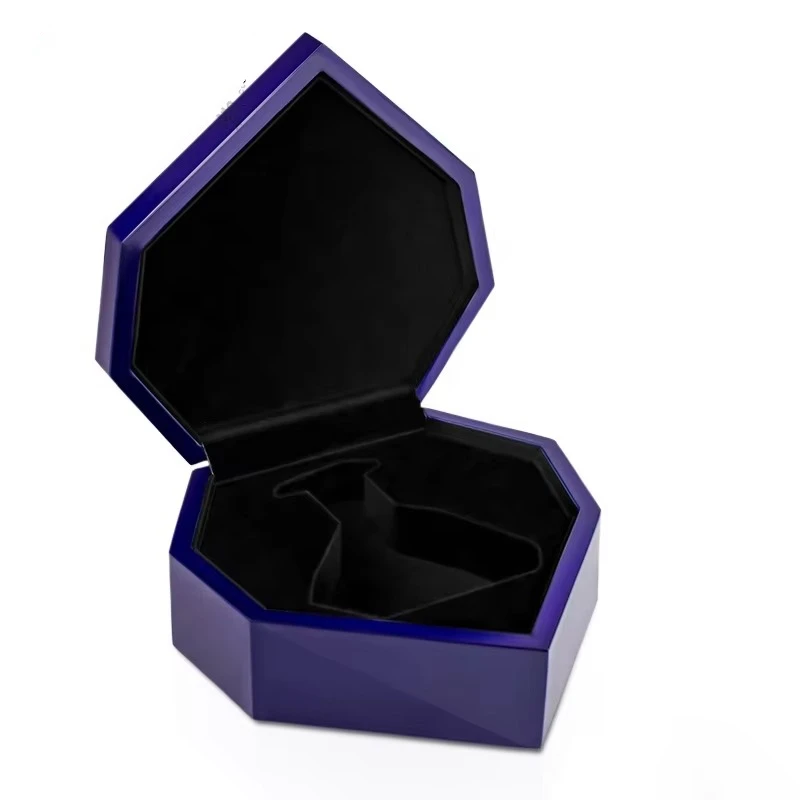
Smart brands design weight into structure, not waste. They choose materials that feel right without overdoing it.
Brands should use weight as a result of good design and honest materials, not as an added trick.
Approfondisci
Strategic weight starts at design stage, not after.
I guide brands to think about weight in three steps.
1. Choose honest materials
Materials carry expectations.
Wood, glass, and metal are naturally heavier. Customers accept their weight.
Engineered solutions should support structure, not simulate mass.
2. Build weight into function
Weight should improve performance:
- Stability on shelf
- Smooth opening
- Protection for the bottle
If weight improves function, customers feel it belongs.
3. Control distribution
Even heavy boxes should feel balanced.
Weight should sit low. Bases should feel grounded. Lids should not overpower.
Here is a strategic approach I often recommend:
| Elemento di design | Weight Strategy |
|---|---|
| Outer box | Rigid or wood |
| Inner tray | Structural support |
| Lid | Controlled thickness |
| Finitura | Adds feel, not mass |
Brands can also use finishes to enhance perceived weight. High-gloss lacquer, piano finish, or matte coatings increase tactile richness without much added mass.
This is important for shipping and sustainability.
Finally, brands should test. Let real customers hold prototypes. Watch their reactions. Do not ask leading questions.
Weight should feel obvious but not discussed.
When done right, customers do not say, “This is heavy.” They say, “This feels right.”
That is the goal.
Conclusione
Heavier packaging prepares customers to believe. When weight is honest and balanced, it builds trust before scent. When it is forced, it destroys credibility.
Nome del marchio: WoodoBox
Slogan: Scatole di legno personalizzate, realizzate alla perfezione

 Italiano
  English
  Español
  Português
  Deutsch
  Français
  العربية