Warehouses look safe, but silent pressure destroys products every day.
Compression damage grows slowly, stays invisible, and often appears only after delivery.
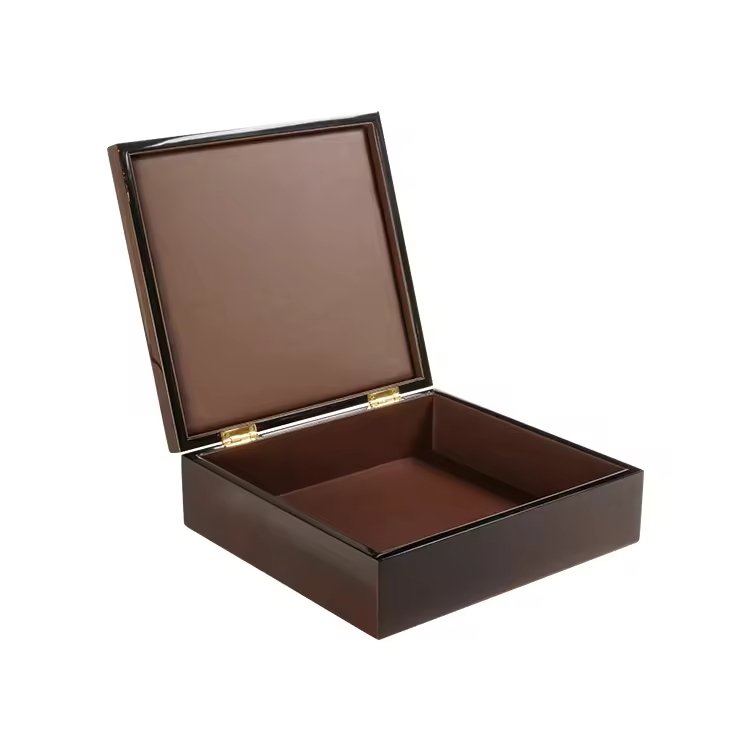
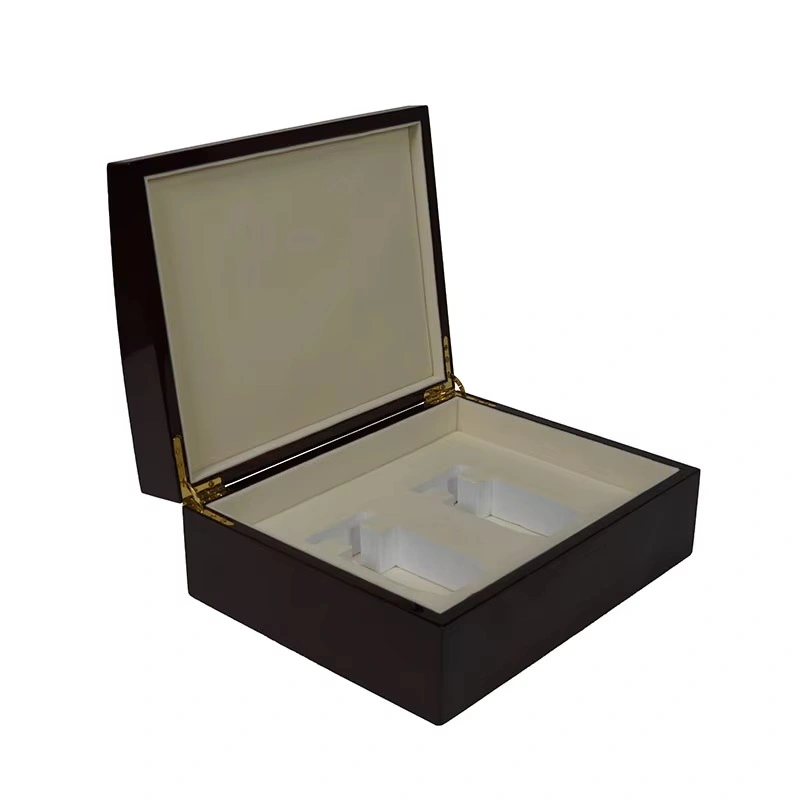
Wooden boxes reduce compression damage because they carry vertical load through structure, not through the product inside.
I have seen this repeatedly in real perfume logistics. When weight moves through walls and corners instead of air space, the bottle stays untouched.
Most buyers focus on drop tests and impact resistance.
Very few think about what happens after six weeks under a pallet.
That is where wooden packaging proves its real value.
How does the load-bearing capacity of wood resist vertical stacking pressure?
In warehouses, stacking pressure does not come from one event.
It comes from gravity, time, and repetition.
Wood resists stacking pressure because it is a true load-bearing material, not a surface-based one.
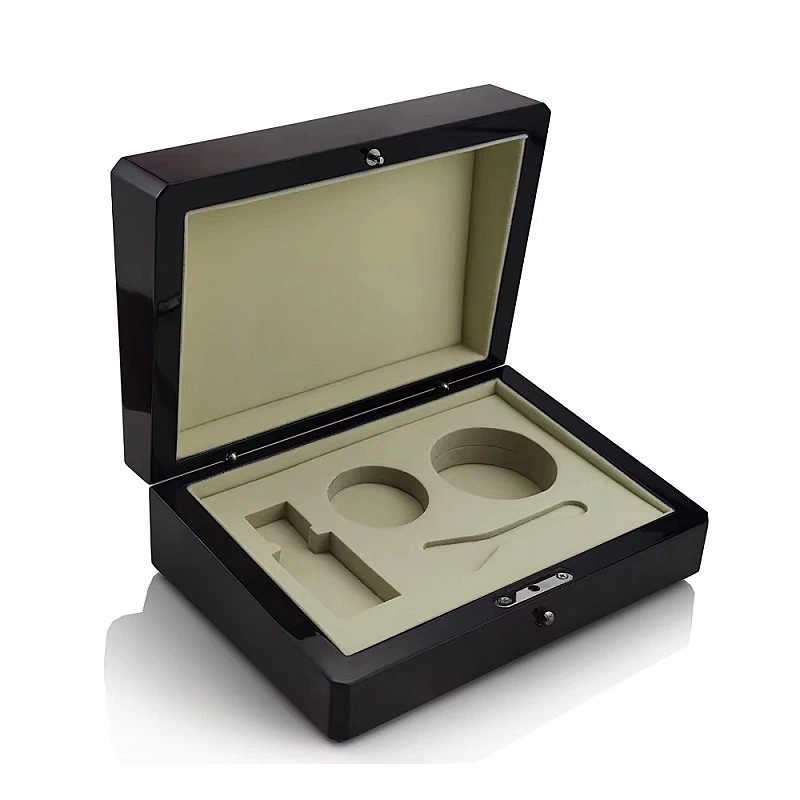
In my factory, we design wooden boxes to behave like small structures.
Not containers. Not shells. Structures.
How vertical load actually moves in stacked packaging
When cartons are stacked, weight moves downward.
The key question is simple: where does that force go?
- In weak packaging, force bends panels.
- In rigid packaging, force travels through edges and corners.
Wood belongs to the second category.
Why wood panels work differently from paper or plastic
Wood has internal fiber direction and thickness.
This gives it compressive strength, not just stiffness.
In practical terms:
| Materiale | Load behavior under stacking | Result after long storage |
|---|---|---|
| Corrugated paper | Gradual panel bending | Collapse or sag |
| Plastica | Creep deformation | Shape distortion |
| Legno | Vertical load transfer | Stable geometry |
I have tested this many times with perfume gift boxes.
The wooden box does not rely on surface tension.
It relies on material mass and structure.
Corners are the real heroes in wooden boxes
In stacking, corners matter more than panels.
A well-made wooden box has:
- Thick corner joints
- Tight panel connections
- Square geometry
When load is applied, pressure flows:
top panel → side walls → corners → pallet
It never enters the empty space inside.
This is why bottles inside wooden boxes feel almost no vertical stress, even after months.
Design details that increase load-bearing strength
From my experience, these details matter most:
- Panel thickness above 6–9 mm
- Reinforced corner joints
- Flat, level top surfaces
- Tight tolerances in assembly
These are not luxury features.
They are structural necessities.
When buyers ask me why two wooden boxes behave differently in warehouses, the answer is always the same:
one was designed as a structure, the other as decoration.
Why do wooden boxes maintain shape better than paper or plastic under long-term load?
Time is the real enemy in warehouses.
Not height. Not weight. Time.
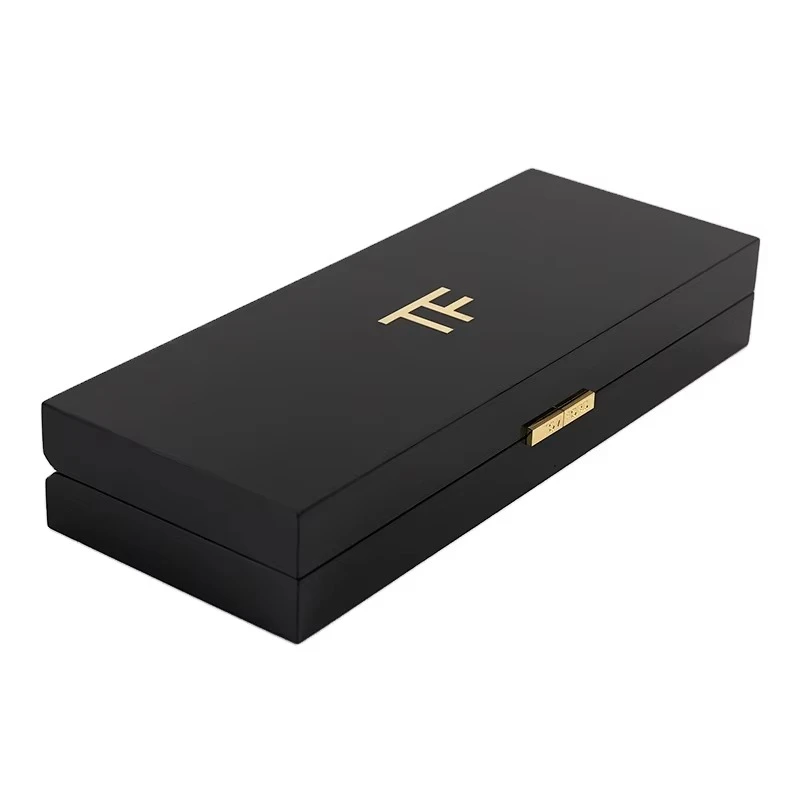
Wood maintains shape because it resists creep and fatigue under constant pressure.
Paper and plastic do not.
Understanding long-term load, not short-term testing
Most packaging tests last minutes.
Warehouses last months.
This gap causes many failures.
Cardboard may pass a stacking test today.
Six weeks later, it looks very different.
What “creep” means in real warehouse life
Creep is slow deformation under constant load.
- Paper fibers relax
- Plastic chains slide
- Panels bow inward
Wood behaves differently.
Wood fibers lock together.
They resist slow movement.
That is why wooden boxes have what I call shape memory.
Why shape consistency matters more than strength
Once a box loses shape, stacking becomes uneven.
This creates:
- Point loading
- Tilted pallets
- Stress concentration
Then damage accelerates.
In my damage investigations, I often find:
- Bottom cartons crushed
- Middle layers distorted
- Top layers unstable
The first failure always starts with shape loss.
Environmental factors make paper worse
Warehouses are not climate-controlled perfection.
They have:
- Humidity swings
- Temperature changes
- Variazione stagionale
Paper absorbs moisture.
Plastic softens with heat.
Wood, when sealed and finished correctly, stays stable.
That is why we use:
- Lacquer sealing
- Controlled moisture content
- Balanced panel construction
Real-world comparison after long storage
From client feedback:
| Packaging type | Storage time | Risultato |
|---|---|---|
| Paper carton | 4-6 settimane | Visible sagging |
| Plastic box | 8–10 weeks | Deformazione |
| Scatola di legno | 12+ weeks | No deformation |
This consistency is why luxury perfume brands trust wood for long-term warehousing.
They are not paying for looks.
They are paying for predictability.
How does rigid structure prevent force transfer to the perfume bottle inside?
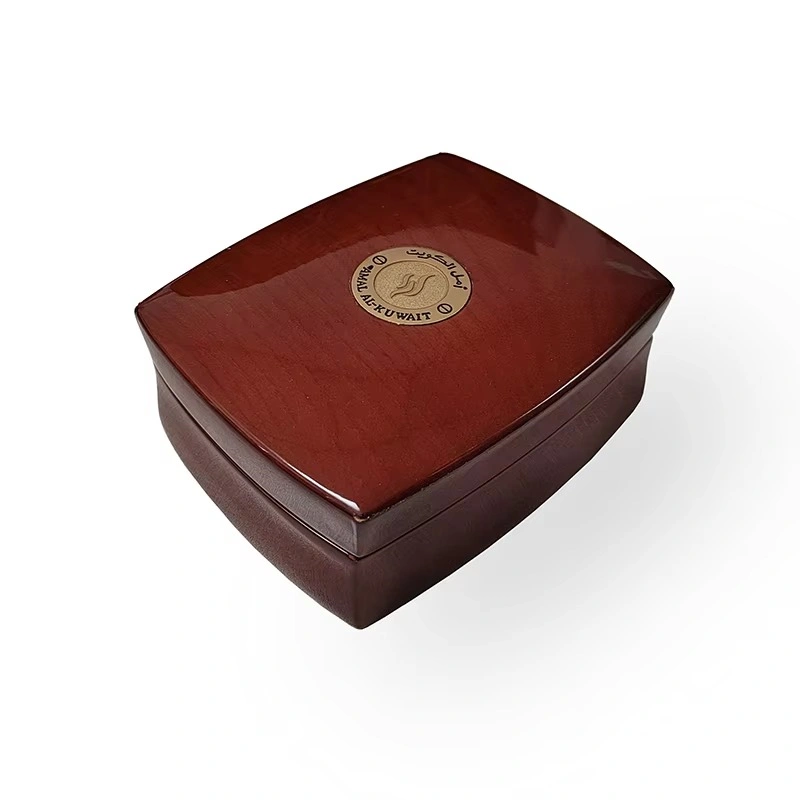
Perfume bottles are fragile systems.
Glass, liquid, spray mechanisms, seals.
They fail under stress, not only impact.
Rigid wooden structures block force pathways before they reach the bottle.
Force transfer is the hidden danger
When packaging deforms, force moves inward.
This causes:
- Bottle shoulder stress
- Neck micro-cracks
- Spray pump misalignment
None of this shows immediately.
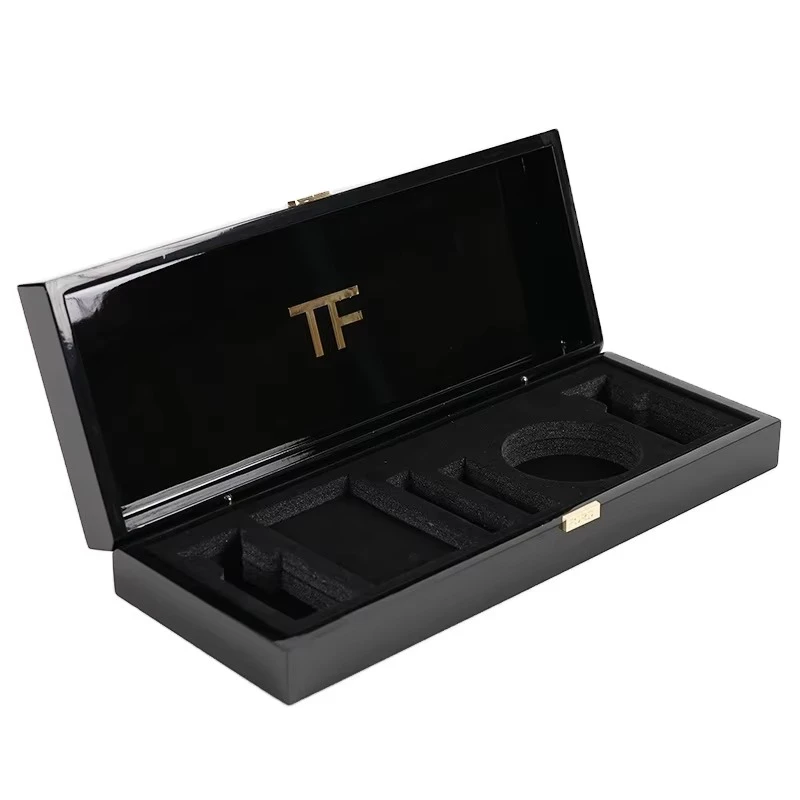
Wooden boxes isolate the internal space
A well-designed wooden box has:
- Fixed internal volume
- Stable walls
- Predictable load paths
The internal cavity stays neutral.
The bottle floats in a protected zone.
Cushioning vs structure
Many buyers confuse cushioning with protection.
Cushioning absorbs impact.
Structure prevents load transfer.
In stacking, structure matters more.
I always explain it this way:
- Foam helps when falling
- Wood helps when waiting
Internal fit matters as much as external strength
Inside the wooden box, we control:
- Inserire materiale
- Contact points
- Clearance
This prevents internal stress even if minor deformation occurs.
Typical internal structure setup
| Componente | Funzione |
|---|---|
| Wooden shell | Carry vertical load |
| MDF or plywood insert | Hold bottle position |
| Soft lining | Prevent vibration |
| Air gap | Avoid pressure contact |
When designed correctly, the bottle never touches load-bearing surfaces.
Why perfume spray systems benefit most
Many damage cases involve spray failure, not broken glass.
Compression causes:
- Valve stress
- Seal fatigue
- Leakage
Wooden boxes keep the system unstressed.
That is why high-end fragrance brands report fewer returns when switching to wooden outer packaging.
Why is compression damage cumulative in warehouses, not instant?
Compression damage is patient.
It waits.
Most compression damage happens over time, not at stacking day one.
The illusion of safety
Boxes look fine on day one.
They look fine on day seven.
Then suddenly, damage appears.
This leads to confusion and blame.
Why cumulative stress is dangerous
Each day adds:
- Micro-deformation
- Fiber fatigue
- Shape loss
At a tipping point, failure accelerates.
Why inspections miss compression damage
Warehouse staff look for:
- Crushed cartons
- Torn boxes
- Obvious collapse
Compression damage hides inside.
I have opened boxes that looked perfect outside but had cracked bottles inside.
Weak packaging hides the problem
Paper collapses slowly.
Plastic bends silently.
By the time damage shows, the root cause is forgotten.
Wood avoids this chain reaction.
Timeline comparison
| Week | Paper carton | Scatola di legno |
|---|---|---|
| 1 | Stabile | Stabile |
| 3 | Softening | Stabile |
| 6 | Deformation | Stabile |
| 10 | Internal damage | Stabile |
This is why brands often blame transport, not storage.
In reality, storage pressure did the damage.
How does wooden packaging improve stacking safety and predictability?
Packaging changes behavior.
Not just physics.
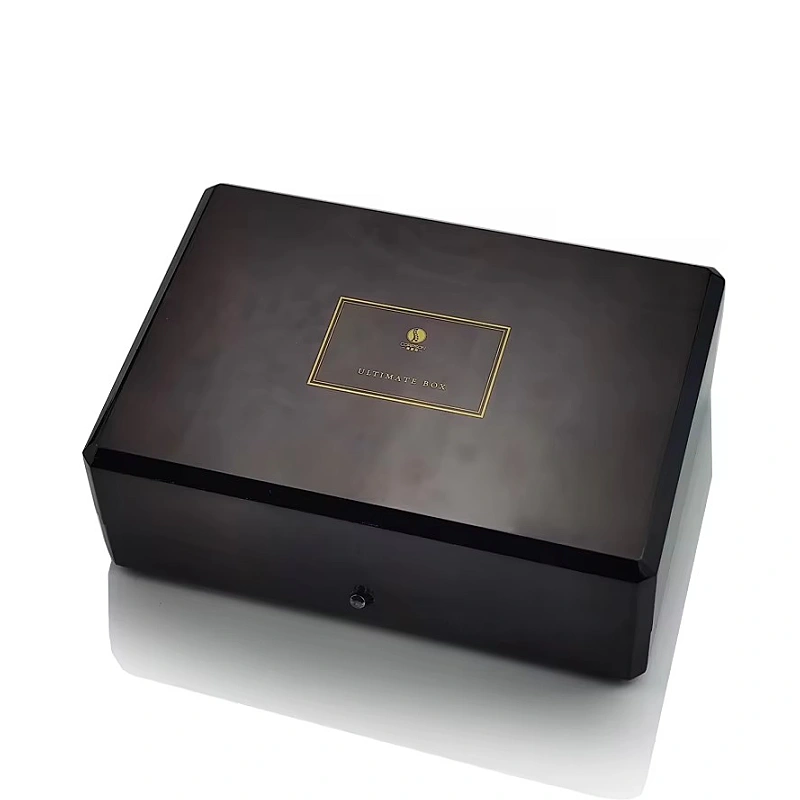
Wooden boxes improve stacking because people trust them and treat them differently.
Human factors in warehouse stacking
Workers stack based on perception.
- Fragile boxes get avoided
- Rigid boxes get aligned
Wood signals strength.
Better pallet alignment
Wooden boxes have:
- Superfici piane
- Square edges
- Uniform size
This improves:
- Load distribution
- Forklift handling
- Pallet stability
Reduced overstacking risk
Warehouses often overstack weak cartons to save space.
With wooden boxes:
- Load limits are clearer
- Stacks stay uniform
- Risk is visible earlier
Predictability reduces accidents
Predictable packaging means:
- Fewer collapses
- Less rework
- Lower insurance claims
This matters for high-value perfume inventory.
Operational benefits beyond protection
From client reports:
- Faster counting
- Easier storage planning
- Cleaner warehouse appearance
These benefits are indirect, but real.
Packaging that behaves well gets respected.
Conclusione
Wooden boxes protect perfume by carrying weight, holding shape, and blocking stress.
They turn warehouse time from a risk into a controlled environment.
Nome del marchio: WoodoBox
Slogan: Scatole di legno personalizzate, realizzate alla perfezione

 Italiano
  English
  Español
  Português
  Deutsch
  Français
  العربية