Cold-chain transport looks safe on paper. In real shipments, repeated temperature changes quietly damage products and brands without warning.
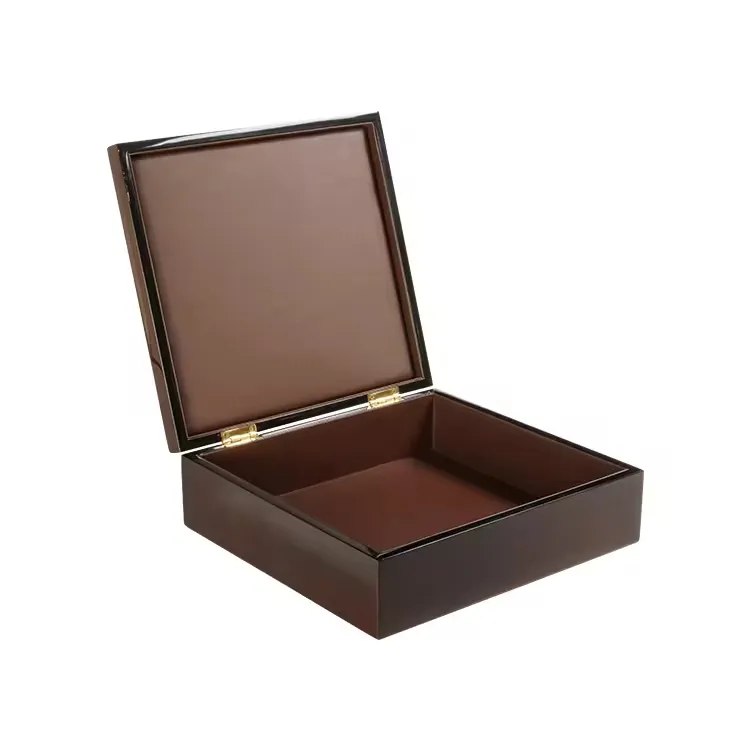
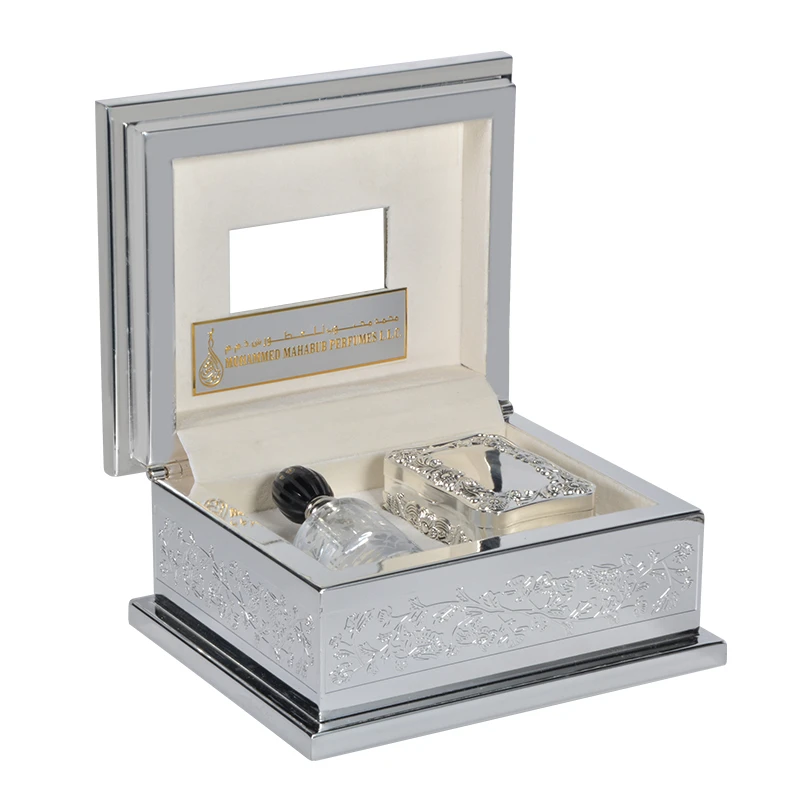
Wooden boxes minimize cold-chain risk by slowing temperature change, reducing condensation, maintaining structure, and protecting products through unstable logistics environments.
I have worked with global perfume brands for over 15 years. From my experience, cold-chain failure rarely comes from extreme cold itself. The real danger comes from constant transitions. This is where wooden boxes make a real difference. Let me explain why.
How do wooden boxes stabilize temperature fluctuations during cold-chain transit?
Sudden temperature shifts are the hidden enemy of cold-chain transport. Many packages fail not in storage, but during movement.
Wooden boxes stabilize temperature by acting as thermal buffers that slow down both cooling and warming, reducing thermal shock during transit.
Why temperature fluctuation matters more than temperature level
In theory, cold-chain transport keeps products at a controlled temperature. In reality, this rarely happens. Perfumes and cosmetics move through many steps.
- Cold storage warehouses
- Loading docks
- Airport terminals
- Aircraft cargo holds
- Regional distribution centers
Each step creates a temperature jump. Glass bottles react fast. Liquids expand and contract. Seals and spray pumps experience stress.
I have seen perfectly designed bottles fail because packaging allowed temperature to change too quickly.
How wood reacts differently to temperature
Wood behaves very differently from plastic or thin paperboard.
- It has natural density
- It transfers heat slowly
- It does not react instantly to ambient air
This creates a buffer zone around the product. The inside temperature changes gradually, not suddenly.
Here is a simple comparison based on my shipment tests:
| Tipo di imballaggio | Speed of Temperature Change | Risk of Thermal Shock |
|---|---|---|
| Plastic Box | Very Fast | Alto |
| Paper Carton | Veloce | Medium to High |
| Scatola di legno | Lento | Basso |
Why slow change protects perfume bottles
Perfume bottles combine glass, metal, rubber, and liquid. These materials expand at different rates.
When temperature changes too fast:
- Glass may crack
- Seals may loosen
- Spray systems may fail
A wooden box slows this process. It gives materials time to adapt.
In several long-haul shipments I handled, brands saw fewer broken pumps and fewer leaking bottles after switching to wooden outer packaging.
My practical takeaway
Wood does not stop temperature change. It controls the speed. That control makes the difference between safe delivery and hidden damage.
Why is thermal buffering more important than insulation alone in long-distance shipping?
Many buyers ask me about insulation values. They focus on numbers. They miss the real issue.
Thermal buffering matters more than insulation because it controls temperature transitions, not just temperature levels.
The limitation of insulation-only thinking
Insulation works best in stable environments. Cold-chain transport is not stable.
Insulation materials like foam or plastic panels:
- Trap cold efficiently
- React quickly when exposed
- Often fail during unloading and loading
I have seen insulated cartons cause more condensation than uninsulated ones because they trap cold and then meet warm air suddenly.
Buffering vs insulation explained simply
Let me explain this in simple terms.
- Insulation tries to block heat
- Buffering tries to slow heat movement
Wood does both in a balanced way, but buffering is its real strength.
How wooden boxes create a stable micro-environment
A wooden box creates layers of protection:
- Outer wood shell
- Internal lining or insert
- Air gaps inside the structure
These layers slow down air exchange and heat transfer.
Here is how this helps in practice:
| Situazione | Insulated Carton | Scatola di legno |
|---|---|---|
| Cold to warm transition | Sudden condensation | Gradual warming |
| Warm to cold transition | Fast cooling | Slow cooling |
| Repeated cycles | Material fatigue | Stable response |
Real shipping behavior I have observed
In one export project for a European perfume brand, insulated cartons showed label bubbling after arrival. Wooden boxes in the same shipment did not.
The reason was simple. The wooden box allowed the bottle to warm slowly. Moisture had time to evaporate instead of settling.
My conclusion from experience
Insulation alone is not enough for long-distance shipping. Thermal buffering is what protects products over time and distance.
Condensation causes silent damage. It often shows up weeks later.
Wooden boxes reduce condensation by regulating humidity and limiting direct air contact with cold surfaces.
Why condensation is a serious cold-chain risk
When cold products meet warm air, moisture forms immediately.
This moisture can:
- Damage labels
- Cause metal corrosion
- Weaken seals
- Create mold risks
I have seen luxury perfumes rejected by retailers because labels looked aged or stained.
How wood manages moisture naturally
Wood is not airtight like plastic. This is an advantage.
- Wood absorbs and releases moisture slowly
- It balances humidity inside the box
- It prevents sudden moisture accumulation
This natural regulation reduces condensation on the bottle surface.
Comparison with plastic and foam packaging
Plastic and foam trap air. When that air warms up, moisture has nowhere to go.
Ecco un semplice confronto:
| Materiale | Comportamento dell'umidità | Condensation Risk |
|---|---|---|
| Plastica | Traps moisture | Alto |
| Schiuma | Absorbs then releases fast | Medio |
| Legno | Regulates slowly | Basso |
Internal isolation matters
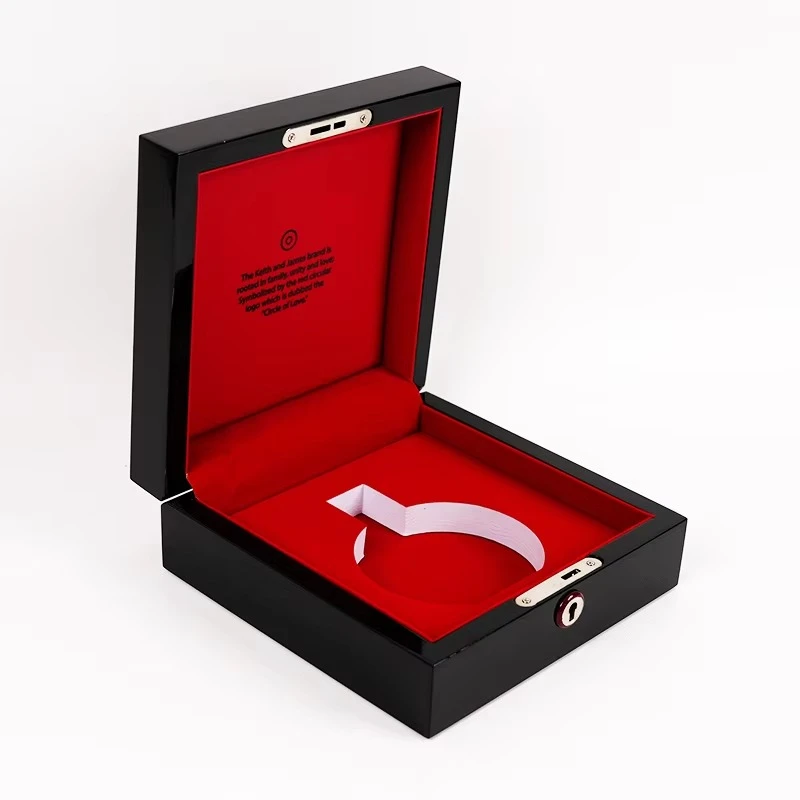
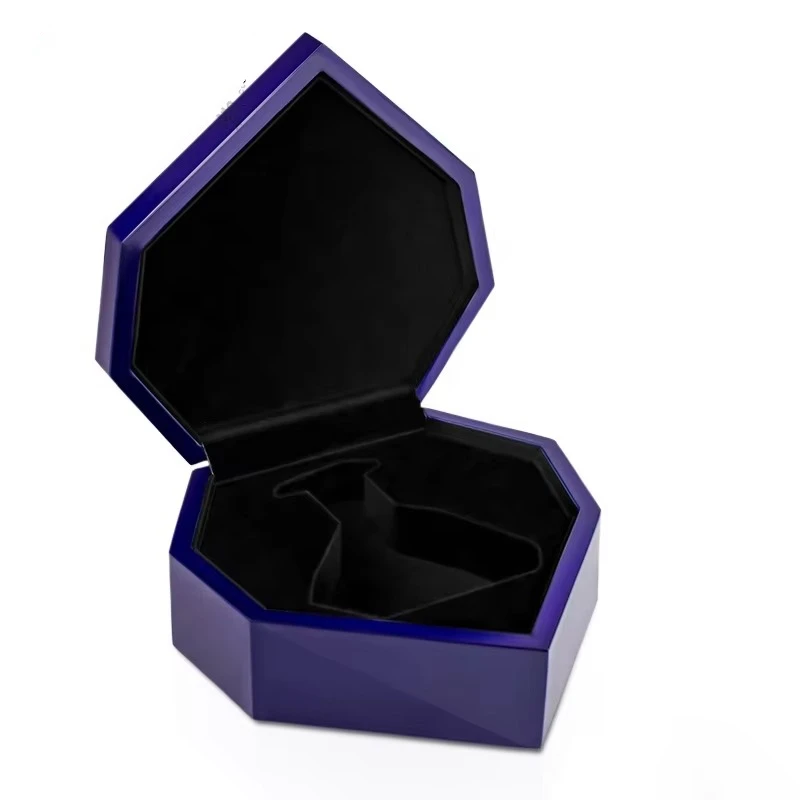
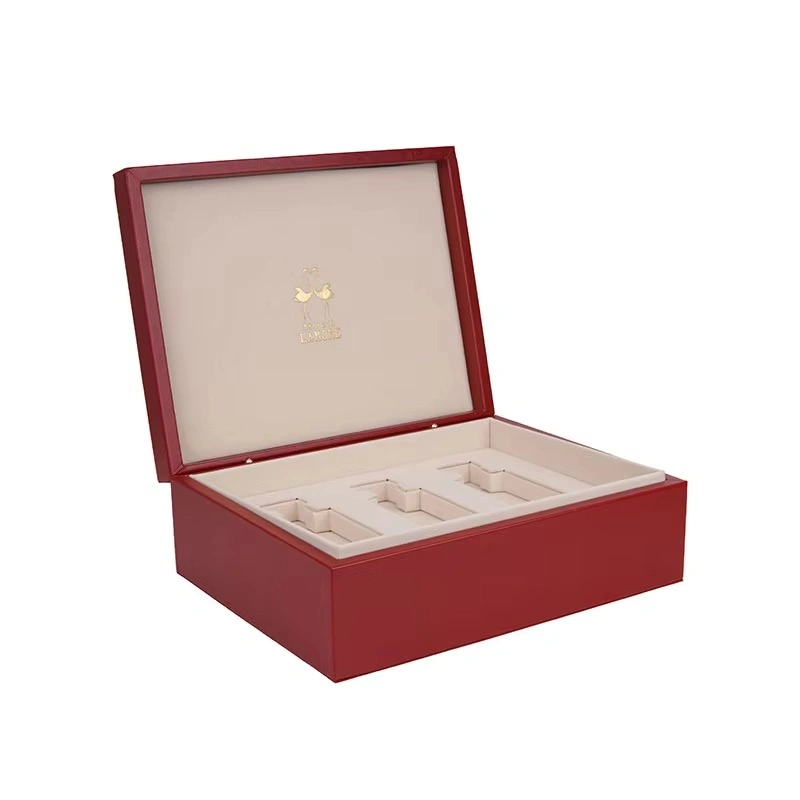
Wooden boxes usually include inserts:
- Wooden trays
- Fodere in velluto
- PU leather cushions
These keep bottles away from direct air exposure.
This isolation creates another layer of protection against moisture.
What I have seen in real projects
In repeated cold-chain shipments to North America, brands using wooden outer boxes reported:
- Fewer label complaints
- Less corrosion on metal caps
- Fewer leakage claims
The difference was consistent.
My practical view
Condensation is not always visible at delivery. Wooden boxes reduce long-term moisture damage that hurts brand perception later.
In what way does rigid wooden structure protect against cold-induced mechanical stress?
Cold changes material behavior. This is often ignored.
Rigid wooden structures protect products by preventing movement and maintaining strength in cold conditions.
How cold affects common packaging materials
At low temperatures:
- Plastic becomes brittle
- Foam hardens
- Paperboard loses strength
I have seen plastic trays crack during winter transport. Foam inserts failed to hold bottles firmly.
Why rigidity matters more in cold environments
Cold reduces flexibility. Any movement becomes dangerous.
Micro-movements cause:
- Glass fatigue
- Seal wear
- Cap loosening
Rigid wooden boxes lock the product in place.
Structural stability of wood
Wood performs well across a wide temperature range.
- It does not crack easily
- It maintains shape
- It absorbs vibration
This makes it ideal for long-distance transport.
Here is a comparison I often share with clients:
| Tipo di imballaggio | Cold Resistance | Stabilità strutturale |
|---|---|---|
| Plastic Tray | Basso | Basso |
| Foam Insert | Medio | Medio |
| Wooden Insert | Alto | Alto |
Internal fixation systems
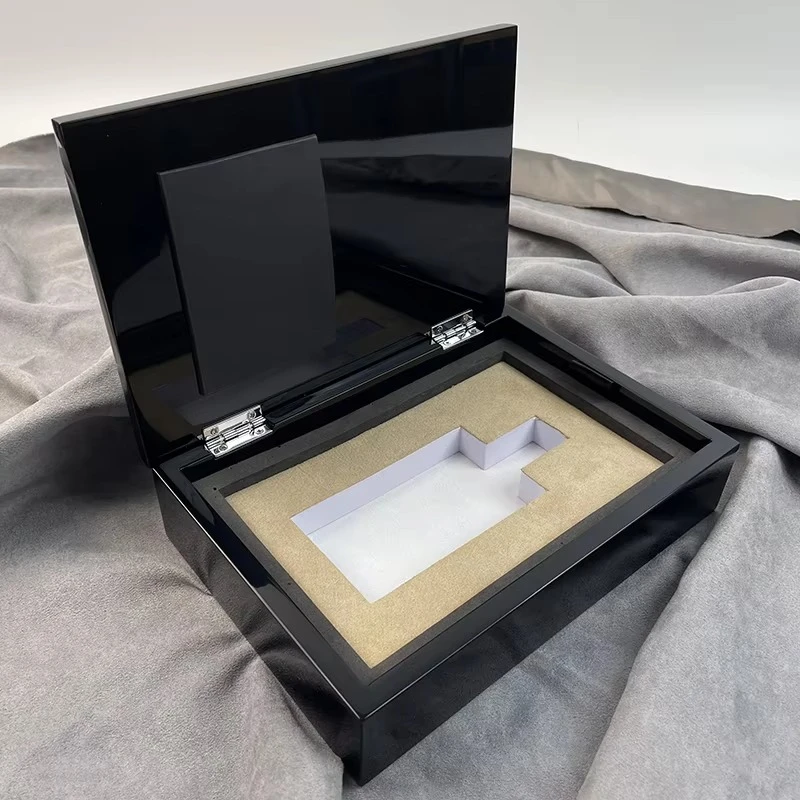
High-end wooden boxes often include:
- CNC-cut inserts
- Layered supports
- Custom-fit compartments
These systems prevent movement even during turbulence or handling shocks.
Lessons from field failures
In one winter shipment, a brand used foam inserts inside cartons. Bottles arrived intact but spray pumps failed weeks later.
The cause was micro-movement under cold conditions.
After switching to wooden boxes, the issue disappeared.
La mia conclusione
Cold makes weak structures fail faster. Wood stays strong and stable when other materials struggle.
How do wooden boxes improve reliability across multiple climate zones?
Global shipping rarely stays in one climate.
Wooden boxes improve reliability by smoothing temperature and humidity extremes across different climate zones.
The reality of multi-zone shipping
A single shipment may pass through:
- Freezing warehouses
- Humid coastal ports
- Dry aircraft holds
- Warm retail storage
Each zone stresses the product differently.
How wood creates consistency
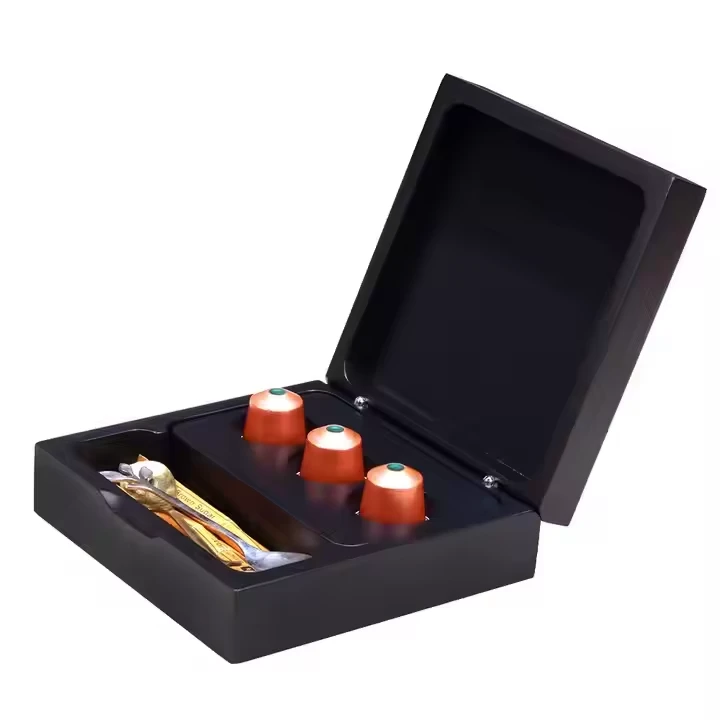
Wood creates a controlled micro-environment.
- It slows temperature change
- It balances humidity
- It shields from sudden air exposure
This consistency protects sensitive products like perfume.
Long-term stability benefits
I have compared shipments packed in cartons versus wooden boxes after weeks in transit.
Wooden box shipments showed:
- Better scent stability
- Fewer leaks
- Cleaner presentation
This matters for premium brands.
Climate transition comparison
| Climate Transition | Carton Packaging | Scatola di legno |
|---|---|---|
| Cold to humid | High condensation | Controlled moisture |
| Dry to cold | Material shrinkage | Stable structure |
| Warm to cold | Fast cooling | Gradual cooling |
Brand protection beyond transport
Retailers judge brands by details.
- Label condition
- Cap finish
- Spray performance
Wooden boxes help protect these details across climates.
My experience-based conclusion
Wooden boxes do not fight the climate. They manage change. That management builds reliability for global brands.
Conclusione
Wooden boxes manage cold-chain risk by controlling change, not resisting it, and that control protects products, brands, and long-term trust.
Nome del marchio: WoodoBox
Slogan: Scatole di legno personalizzate, realizzate alla perfezione

 Italiano
  English
  Español
  Português
  Deutsch
  Français
  العربية