Vai al contenuto
Perfume disappears faster than most people expect. Many buyers feel confused and even frustrated when a bottle loses volume while sitting unused.
Perfumes evaporate faster without outer packaging because the bottle is fully exposed to air, heat, light, and pressure changes, which slowly pull volatile fragrance molecules out over time.
I have handled perfume packaging issues for more than fifteen years. I have seen this problem repeat across luxury brands, niche labels, and private collections. The reason is not mystery. It is physics and packaging.
To understand this clearly, we need to look at how outer packaging works, not as decoration, but as protection.
How does outer packaging create a micro-environment that slows evaporation?
When people remove outer packaging, they believe the bottle itself is enough. That belief causes slow but permanent loss.
Outer packaging creates a stable micro-environment by reducing airflow, slowing pressure changes, and keeping the air around the bottle still and consistent.
From my experience, this is one of the most misunderstood roles of packaging. A perfume box is not empty space. It holds a pocket of calm air.
What is a micro-environment in perfume storage?
A micro-environment is a small, controlled space around an object. In perfume storage, it means the air inside the box stays mostly still.
When a bottle sits inside a box:
- Air movement is limited
- Pressure changes are slower
- Temperature shifts happen gradually
When a bottle sits on a shelf:
- Air constantly moves
- Pressure changes happen every day
- Temperature shifts happen fast
This difference matters more than people think.
Why still air matters for evaporation
Evaporation happens faster when air moves. Moving air pulls vapor away from surfaces. This is basic physical behavior.
Here is a simple comparison I often explain to clients:
| Storage Condition | Movimento dell'aria | Evaporation Speed |
|---|---|---|
| Inside box | Molto basso | Lento |
| Scaffale aperto | Costante | Più veloce |
Even sealed perfume bottles are not perfectly sealed. Vapor always forms inside. When air outside the bottle moves, it encourages vapor to escape through the weakest points.
Pressure balance around the bottle
Outer packaging also slows pressure exchange. Air conditioning, heating, and daily room changes all affect pressure.
Without a box:
- Pressure outside changes fast
- Pressure inside responds slowly
- Vapor pushes outward
With a box:
- Pressure changes are softened
- Vapor movement slows
I have seen perfumes stored inside rigid boxes lose less volume after several years compared to exposed bottles from the same batch.
Why rigid and wooden boxes work better
Not all packaging performs the same. In my work, rigid cardboard and wooden boxes perform much better than thin folding cartons.
| Tipo di imballaggio | Air Buffer | Stabilità |
|---|---|---|
| Thin paper box | Basso | Debole |
| Rigid box | Medio | Buono |
| Scatola di legno | Alto | Eccellente |
Wood naturally limits airflow and temperature change. That is why high-end brands invest in it, even when cost is higher.
Why is the bottle neck and spray system more exposed without a box?
Most perfume loss does not happen through glass. It happens at the top.
Without outer packaging, the bottle neck and spray system face direct exposure to air movement, making vapor escape easier over time.
This is something I learned early when troubleshooting customer complaints.
The spray system is the weakest seal
Perfume bottles are sealed, but not welded. The spray pump includes:
- Plastic components
- Springs
- Tiny air gaps
- Flexible seals
These parts expand and contract. They breathe slightly.
Even luxury spray systems are not airtight forever.
How exposure increases vapor loss
When the bottle is exposed:
- Air flows around the spray head
- Pressure outside changes daily
- Temperature warms and cools the pump
Each cycle pushes microscopic vapor outward.
Inside a box, these cycles slow down.
Real-world example from brand feedback
I once worked with a niche perfume brand that received complaints about evaporation. All affected customers displayed bottles openly.
The same fragrance stored inside boxes had almost no complaints.
Nothing changed in the formula. Only storage changed.
Why caps alone are not enough
Many people believe the cap protects the bottle. Caps help, but they are not sealed systems.
| Protection Element | Efficacia |
|---|---|
| Spray pump | Parziale |
| Cappuccio | Limitato |
| Outer box | Forte |
The box protects the entire top area, not just the nozzle.
Long-term exposure damage
Over years, exposure causes:
- Seal fatigue
- Material aging
- Faster vapor exchange
This is why old perfumes stored openly often feel weaker, even if they smell fine.
How do temperature and airflow accelerate evaporation in unprotected bottles?
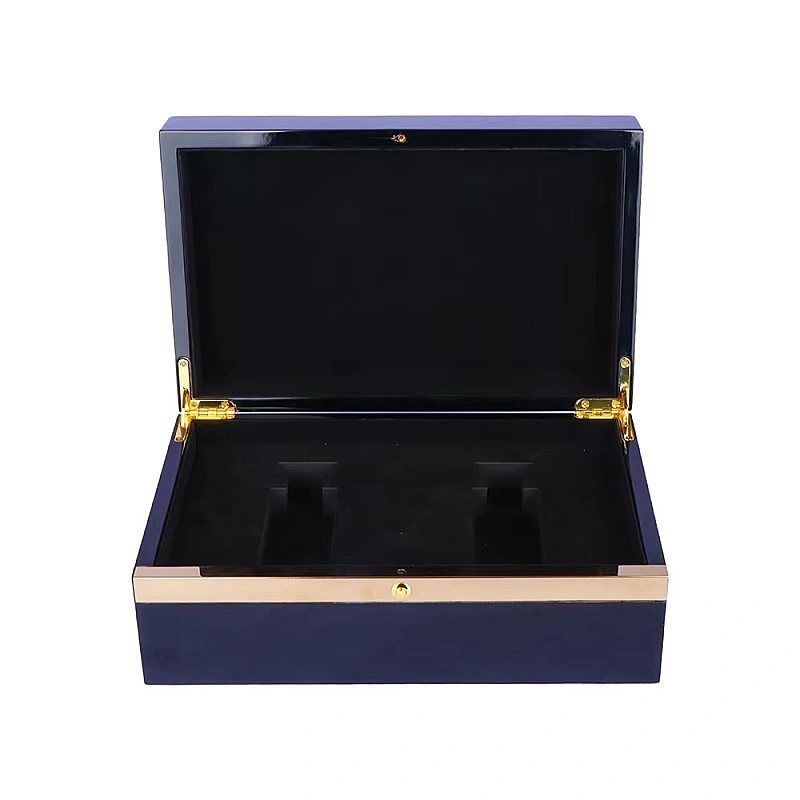
Heat and air movement work together. Without packaging, they act directly on the bottle.
Temperature changes increase vapor pressure, while airflow removes vapor faster, making evaporation accelerate in exposed perfume bottles.
I see this problem most often in modern homes.
Temperature changes act like a pump
Every time temperature rises:
- Liquid expands
- Vapor pressure increases
- Fragrance pushes toward the nozzle
When temperature drops:
- Pressure falls
- Fresh vapor forms
This cycle repeats daily.
Inside a box, temperature changes slower. Outside, changes are immediate.
Common home heat sources
Many perfumes sit near:
- Windows
- Lamps
- Elettronica
- Radiators
These locations cause local heating.
I have seen bottles lose noticeable volume in less than two years because of this.
Airflow multiplies the effect
Airflow removes vapor faster. Sources include:
- Air conditioning
- Fans
- Walking movement
- Open doors
Even gentle airflow matters at a microscopic level.
| Condizione | Vapor Removal |
|---|---|
| Still air | Lento |
| Moving air | Veloce |
Outer packaging blocks most of this movement.
Seasonal changes matter too
In winter:
- Indoor heating dries air
- Pressure differences increase
In summer:
- Heat raises volatility
Unprotected bottles suffer in both seasons.
Why bathrooms are especially risky
Bathrooms combine:
- Calore
- Umidità
- Air movement
They are one of the worst storage locations for perfume.
I always advise clients to store perfume in dry, cool, boxed conditions.
Why does light and heat indirectly increase evaporation rates?
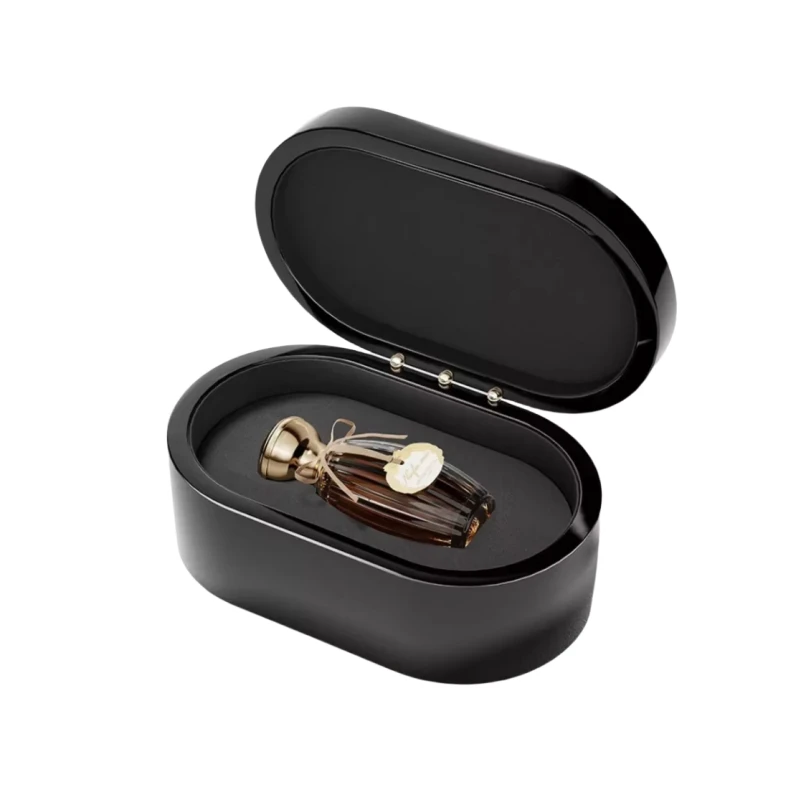
Light does not pull perfume out directly. It changes the perfume itself.
Light and heat increase evaporation indirectly by warming the liquid and accelerating oxidation, which makes fragrance components more volatile.
This is a subtle but important effect.
Light causes gradual warming
Even soft indoor light raises surface temperature slightly.
Glass absorbs light. The liquid warms.
This increases vapor pressure inside the bottle.
Oxidation changes fragrance behavior
Light exposure accelerates oxidation.
Oxidation causes:
- Breakdown of top notes
- Chemical imbalance
- Increased volatility
Lighter molecules escape more easily after oxidation.
Why clear bottles suffer more
Clear glass offers no protection.
| Tipo di bottiglia | Protezione dalla luce |
|---|---|
| Clear glass | Nessuno |
| Vetro colorato | Parziale |
| Boxed storage | Forte |
Outer packaging blocks light completely.
Long-term scent impact
Oxidation also changes smell:
- Top notes fade
- Balance shifts
- Alcohol sharpness increases
This often makes people spray more, accelerating loss further.
Wooden packaging advantage
Wood blocks light fully. It also absorbs slight heat.
That combination slows chemical change.
This is why premium fragrance collections often use wooden cases.
How can rigid or wooden outer packaging reduce long-term fragrance loss?
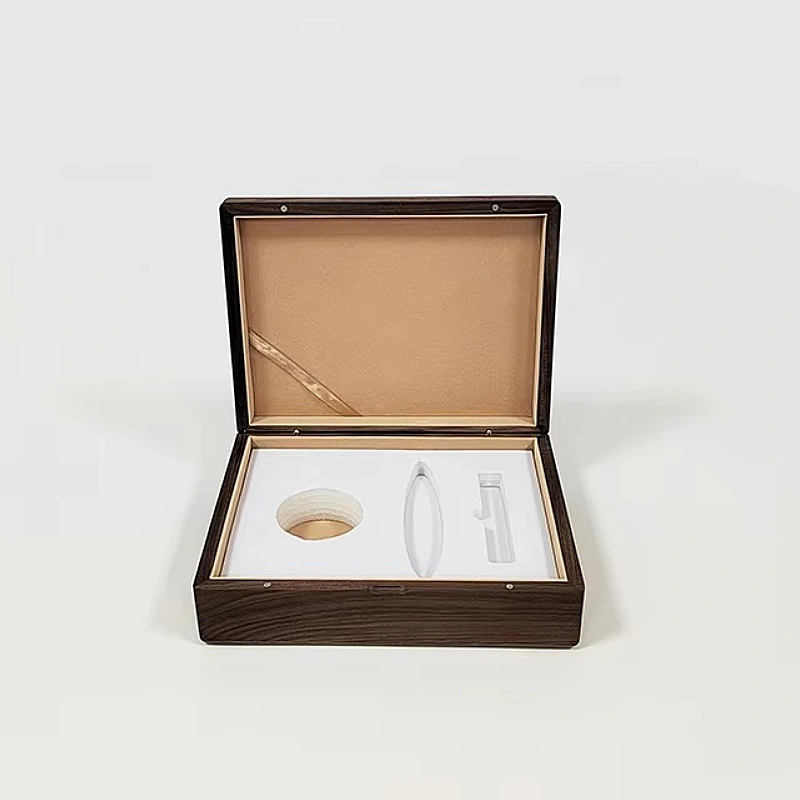
From my professional view, this is where packaging shows real value.
Rigid and wooden outer packaging reduces fragrance loss by stabilizing temperature, blocking light, limiting airflow, and protecting the spray system over time.
I have reviewed long-term storage results many times.
Multi-layer protection effect
Rigid and wooden boxes protect on several levels:
- Physical barrier
- Thermal buffer
- Light shield
- Airflow blocker
No single element works alone. Together, they slow evaporation significantly.
Why wood performs best
Wood has natural advantages:
- Low thermal conductivity
- Light absorption
- Dense structure
It creates the most stable micro-environment.
Comparison from real storage tests
| Metodo di conservazione | Volume Retention After 3 Years |
|---|---|
| Scaffale aperto | Basso |
| Thin paper box | Medio |
| Rigid box | Alto |
| Scatola di legno | Molto alto |
These results match what I see in client feedback.
Cost versus value for brands
Wooden packaging costs more. But it delivers:
- Better customer experience
- Lower complaint rates
- Stronger premium positioning
For luxury brands, this tradeoff makes sense.
Advice I give to consumers
I always recommend:
- Keep perfume in its box
- Store away from light
- Avoid temperature swings
These habits preserve both scent and volume.
Conclusione
Perfumes evaporate faster without outer packaging because nothing shields them from air, heat, light, and pressure changes. A box slows evaporation and preserves scent over time.
Nome del marchio: WoodoBox
Slogan: Scatole di legno personalizzate, realizzate alla perfezione

 Italiano
  English
  Español
  Português
  Deutsch
  Français
  العربية