Vai al contenuto
Perfume that smells perfect at launch can disappoint customers months later. Many brands blame formulas, but the real problem is often unstable temperature during storage and shipping.
Perfume degrades faster under rapid temperature changes because heat and cooling cycles disrupt chemical balance, speed up oxidation, and increase evaporation of volatile aroma molecules.
I have worked with perfume brands for more than 15 years. From my experience, temperature instability causes more fragrance complaints than most people expect. If you understand how this happens, you can prevent it.
Rapid temperature fluctuation is not just about hot weather. It is about constant change. Warehouses, trucks, containers, and retail spaces all create stress on perfume. Let me break it down step by step.
How do rapid temperature changes disrupt the chemical stability of perfume formulas?
Rapid temperature shifts create internal stress inside the perfume liquid. Over time, this stress breaks the balance that keeps a fragrance stable.
When perfume moves between hot and cold environments, its molecules expand and contract again and again. This movement is not gentle. It slowly damages the structure of the fragrance formula.
Perfume formulas lose stability when repeated temperature changes force aroma molecules, alcohol, and fixatives to constantly expand and shrink, weakening their chemical balance.
Perfume is a controlled chemical system
A perfume formula looks simple. But in reality, it is a precise system.
It includes:
- Volatile aroma molecules
- Ethanol or alcohol base
- Fixatives that slow evaporation
- Sometimes water or stabilizers
All these parts are designed to work together at a stable temperature range.
What temperature fluctuation really does
When temperature rises:
- Molecules move faster
- Alcohol expands
- Internal pressure increases
When temperature drops:
- Molecules slow down
- Liquid contracts
- Pressure decreases
This cycle repeats many times during shipping and storage.
Why repetition is the real enemy
One hot day is usually not enough to ruin a perfume. The real damage comes from repetition.
I have seen perfumes travel through:
- Hot production floors
- Cold air-conditioned offices
- Warm shipping containers
- Cool retail stores
Each change stresses the formula again.
Long-term chemical impact
Over time, this stress leads to:
- Separation of delicate aroma components
- Reduced clarity of scent layers
- Faster breakdown of top notes
From my experience, brands often discover this problem only after customer complaints start.
Simple summary
| Fattore | Impact on Perfume |
|---|---|
| Heat expansion | Increases molecular movement |
| Cooling contraction | Causes internal stress |
| Repeated cycles | Breaks formula balance |
| Long-term result | Faster scent degradation |
Chemical stability depends on consistency. Perfume does not like surprises.
Why are essential oils and aroma molecules sensitive to heat and cooling cycles?
Essential oils are the most fragile part of a perfume formula. They react quickly to temperature changes.
Natural aroma molecules are complex and delicate. Even small changes in temperature can alter their structure.
Essential oils degrade faster because heat and cooling cycles disturb their molecular structure, making them more reactive and less stable over time.
Natural ingredients are not industrial chemicals
Many high-end perfumes use natural oils. These oils come from:
- Flowers
- Boschi
- Resins
- Citrus peels
Natural materials are sensitive by nature. They evolved for plants, not for shipping containers.
Heat increases reactivity
When temperature rises:
- Molecules move faster
- Chemical reactions speed up
- Oils become more reactive with oxygen
This is why warm storage accelerates aging.
Cooling causes micro-structural stress
Sudden cooling may seem safe. But it also causes problems.
Cooling leads to:
- Rapid contraction of liquid
- Micro separation inside the formula
- Stress between blended components
This stress does not always show visually. But the scent changes slowly.
Essential oils vs synthetic molecules
From my experience working with brands:
| Component Type | Stability Level |
|---|---|
| Natural essential oils | Basso |
| Semi-synthetic molecules | Medio |
| Fully synthetic aroma chemicals | Più alto |
This is why natural perfumes often have shorter shelf life if poorly stored.
Real-world brand feedback
I remember a niche perfume brand that used high percentages of natural citrus oils. The scent was beautiful at launch. After summer shipping, customers complained the top note disappeared.
The formula did not change. Storage conditions did.
Key takeaway
Essential oils need calm conditions. They cannot survive constant temperature shocks without losing character.
How does temperature fluctuation accelerate oxidation and evaporation in perfume?
Oxidation and evaporation are silent killers of perfume quality. Temperature fluctuation speeds up both processes at the same time.
These changes happen slowly. But once they start, they are hard to stop.
Temperature fluctuation accelerates oxidation and evaporation by increasing molecular activity, internal pressure changes, and oxygen interaction inside the bottle.
Oxidation explained simply
Oxidation happens when oxygen reacts with fragrance compounds.
Heat makes this worse because:
- Chemical reactions move faster
- Oxygen becomes more active
- Natural oils react more easily
Even sealed bottles contain small amounts of air.
Why fluctuation is worse than steady heat
Steady warmth is bad. But fluctuation is worse.
Why?
- Expansion pulls oxygen deeper into liquid
- Contraction redistributes oxygen
- Repetition spreads oxidation through the formula
Evaporation is not always visible
Many people think evaporation only happens when a bottle is open. This is not true.
Temperature change causes:
- Pressure build-up
- Micro air exchange through seals
- Slow loss of alcohol and light notes
This happens even in unopened bottles.
Signs I often see from clients
From my client feedback, common complaints include:
- Scent feels weaker
- Opening smells sharp
- Dry-down feels flat
- Bottle empties faster than expected
These are classic oxidation and evaporation symptoms.
How bottle sealing interacts with temperature
| Condizione | Effetto |
|---|---|
| Perfect seal | Slows damage |
| Minor seal gaps | Accelerates loss |
| Repeated pressure change | Forces vapor out |
Temperature fluctuation tests packaging more than static storage.
Practical insight
Perfume does not suddenly fail. It slowly loses balance. Customers notice only when the damage is already done.
What role does packaging play in protecting perfume from thermal stress?
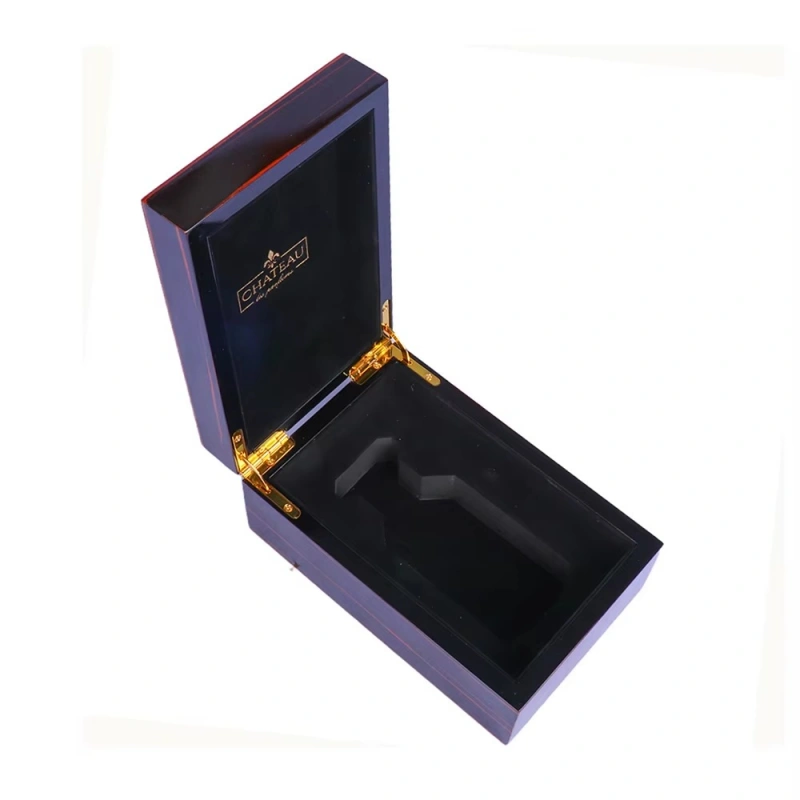
Packaging is the first line of defense against temperature shock. Many brands underestimate its role.
A bottle alone is not enough. The outer box matters more than people think.
Packaging protects perfume by slowing down temperature changes, reducing thermal shock, and limiting pressure variation inside the bottle.
Thin packaging offers little protection
Standard paper boxes:
- Change temperature quickly
- Offer no insulation
- Provide no buffering time
In hot or cold environments, the bottle inside follows the external temperature almost immediately.
Wood as a natural thermal buffer
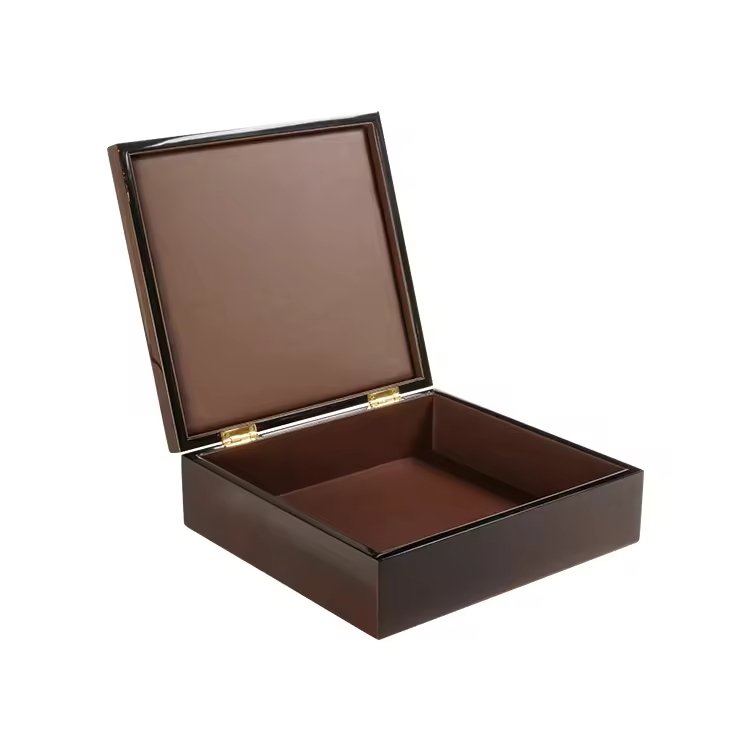
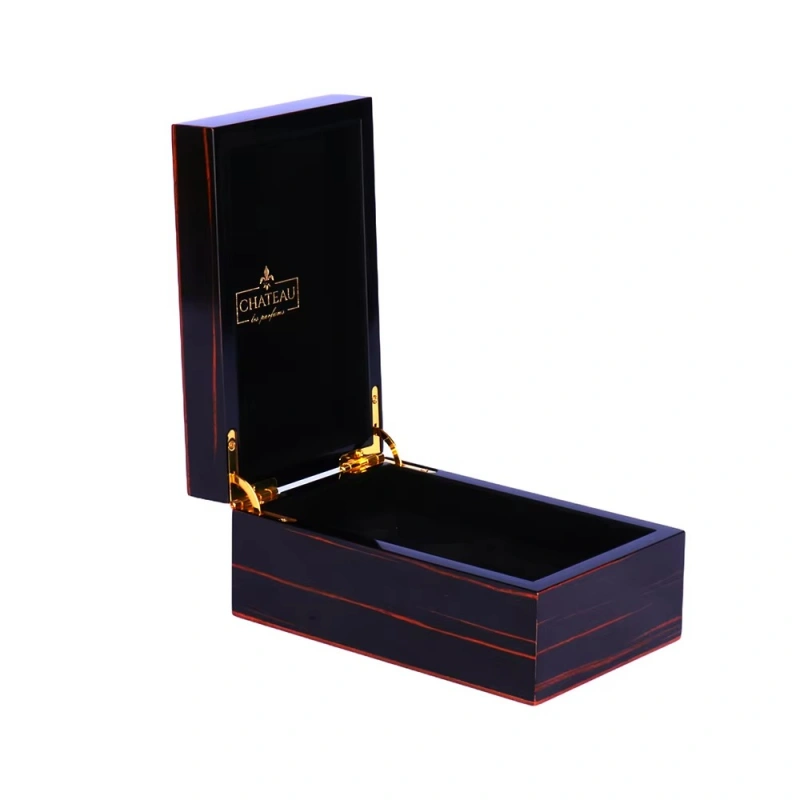
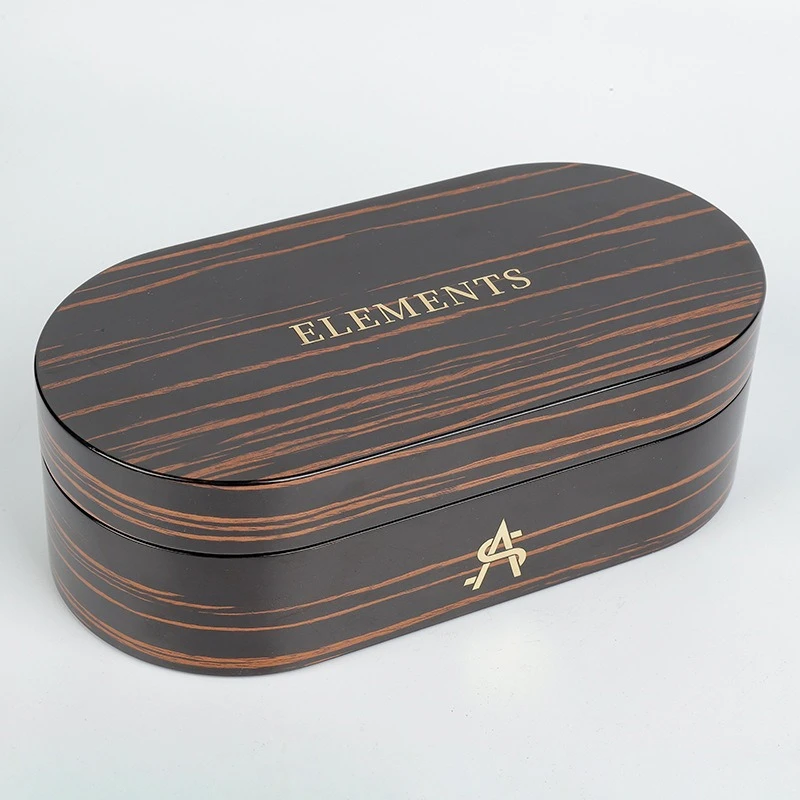
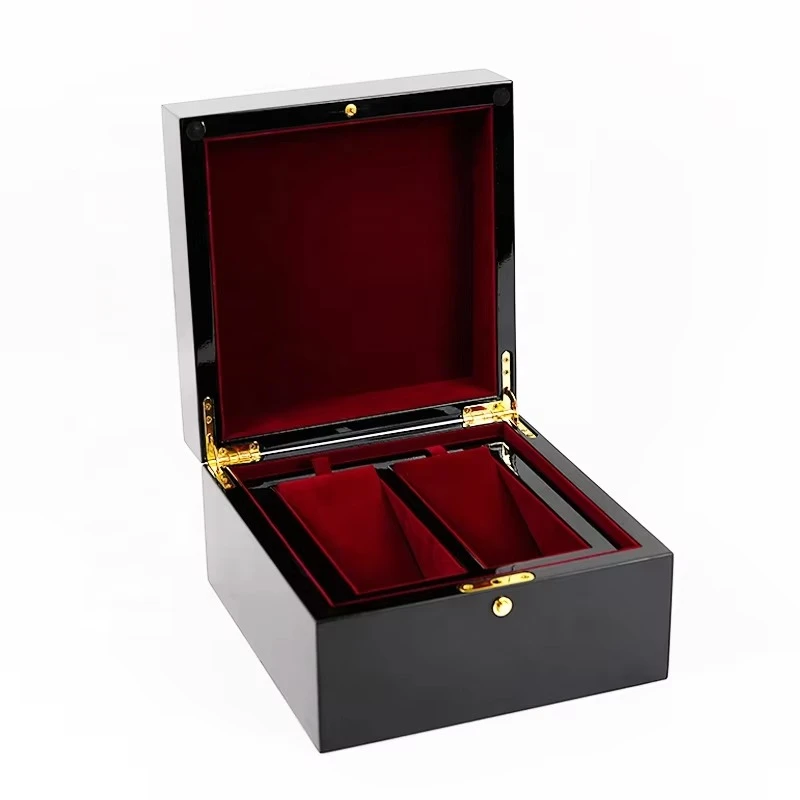
From my experience designing wooden boxes, wood has unique advantages:
- Low thermal conductivity
- Slow heat transfer
- Natural insulation properties
Wood does not block heat. It slows it down. This matters a lot.
Why slowing change is critical
Perfume tolerates slow temperature change better than sudden shifts.
Wooden boxes:
- Reduce temperature speed
- Prevent sharp expansion and contraction
- Stabilize internal bottle pressure
Real shipping experience
I have seen brands ship perfumes:
- In paper boxes with frequent complaints
- In wooden boxes with fewer stability issues
The difference showed after long-distance shipping and seasonal changes.
Packaging comparison table
| Tipo di imballaggio | Thermal Protection | Stabilità |
|---|---|---|
| Paper box | Molto basso | Povero |
| Plastic box | Basso | Limitato |
| MDF wooden box | Medio | Buono |
| Solid wood box | Alto | Eccellente |
Packaging is part of product quality
Luxury fragrance is not just liquid. Packaging protects brand value.
If packaging fails, customers blame the perfume.
How can proper storage and box design slow down perfume degradation?
Storage and packaging design work together. One without the other is not enough.
The goal is simple: reduce temperature shock and keep conditions stable.
Proper storage and insulated box design slow degradation by minimizing temperature fluctuation, limiting oxidation, and preserving aroma balance.
Storage principles I recommend
From my experience, good storage means:
- Evitare l'esposizione diretta alla luce solare
- Avoid frequent relocation
- Maintain steady room temperature
- Control warehouse airflow
These steps cost little but protect value.
Why box design matters
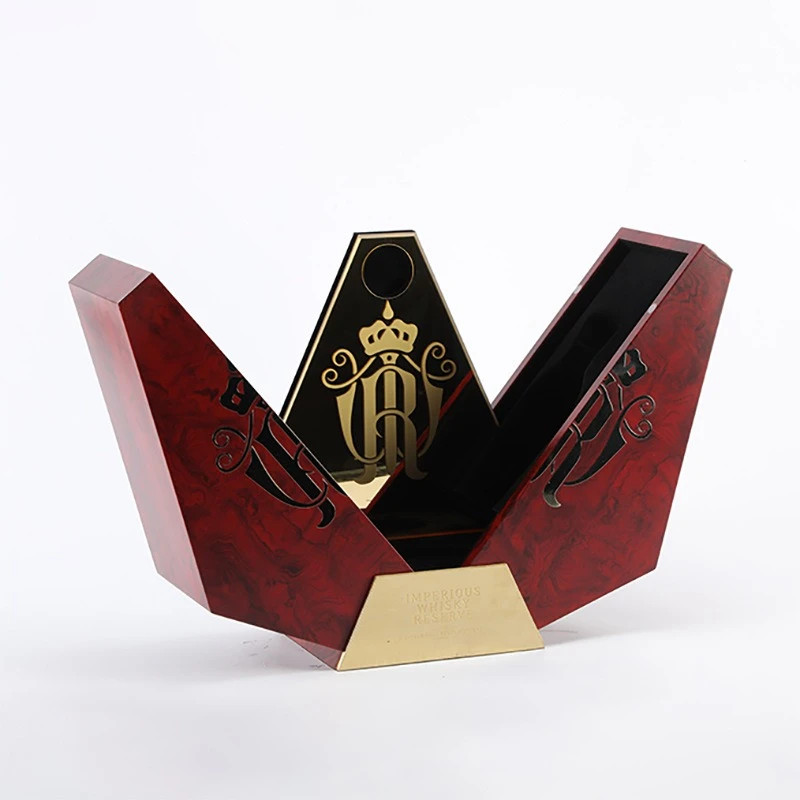
A well-designed wooden box should:
- Fit bottle tightly
- Reduce internal air volume
- Use dense wood or MDF
- Include internal lining when needed
This creates a stable micro-environment.
Box design elements that help
Wood material choice
| Materiale | Benefici |
|---|---|
| Legno massiccio | Best insulation |
| MDF con impiallacciatura | Balanced cost and performance |
| Thin plywood | Limited protection |
Internal structure
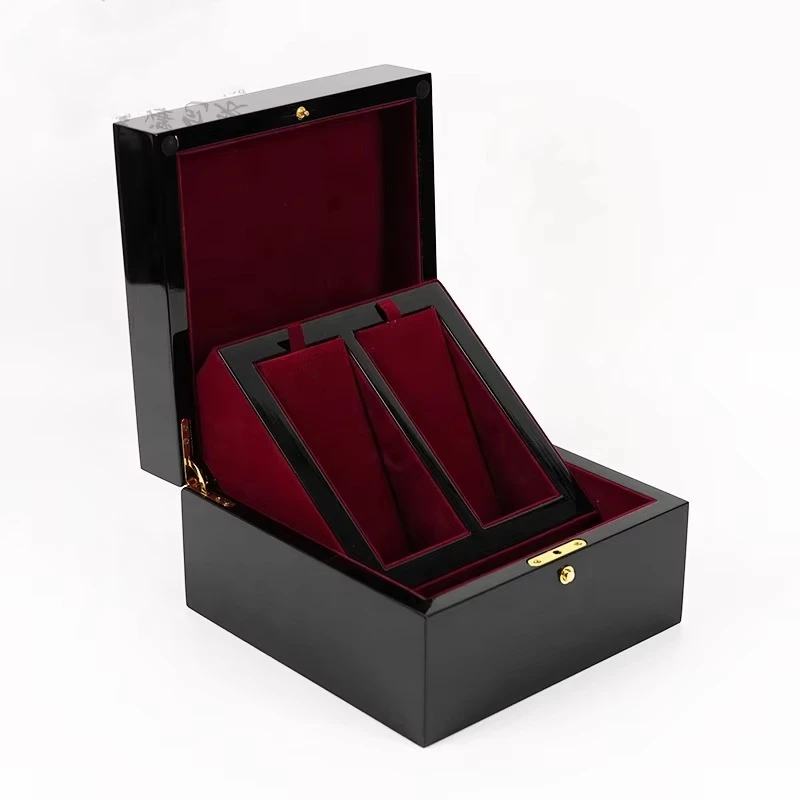
- Foam or velvet reduces vibration
- Tight fit limits air movement
- Dark interior blocks light
Cost vs long-term value
Some brands worry about cost. But from my experience:
- Returns cost more
- Reputation damage costs more
- Reformulation costs much more
Packaging is cheaper than fixing mistakes later.
My personal conclusion
I have worked on many packaging projects where wooden boxes reduced perfume complaints. The formula stayed the same. Only protection changed.
Stable temperature means stable scent.
Conclusione
Perfume degrades faster because rapid temperature changes break chemical balance. Stable storage and protective wooden packaging slow damage and protect fragrance quality.
Nome del marchio: WoodoBox
Slogan: Scatole di legno personalizzate, realizzate alla perfezione

 Italiano
  English
  Español
  Português
  Deutsch
  Français
  العربية