I know many people feel lost when they see so many floral perfumes on the market. They want clarity but do not know where to start.
Flowers used in perfumes offer structure, emotion, and depth. Perfume makers choose them because each flower brings a clear mood, a unique texture, and a stable scent profile that supports the entire formula.
I want to guide you through these flowers in a simple way. I will use my experience working with high-end brands to help you see how each flower shapes a perfume’s story.
Which Classic Flowers Have Been Used in Perfumery for Centuries, and Why Are They So Important?
Many readers want to understand why perfume houses always return to a few classic flowers. They feel confused because new scents appear every day, yet the same flowers remain the core.
Classic flowers matter because they have balanced, complete scent structures. They support other notes and stay stable over time, so perfumers use them as anchors.
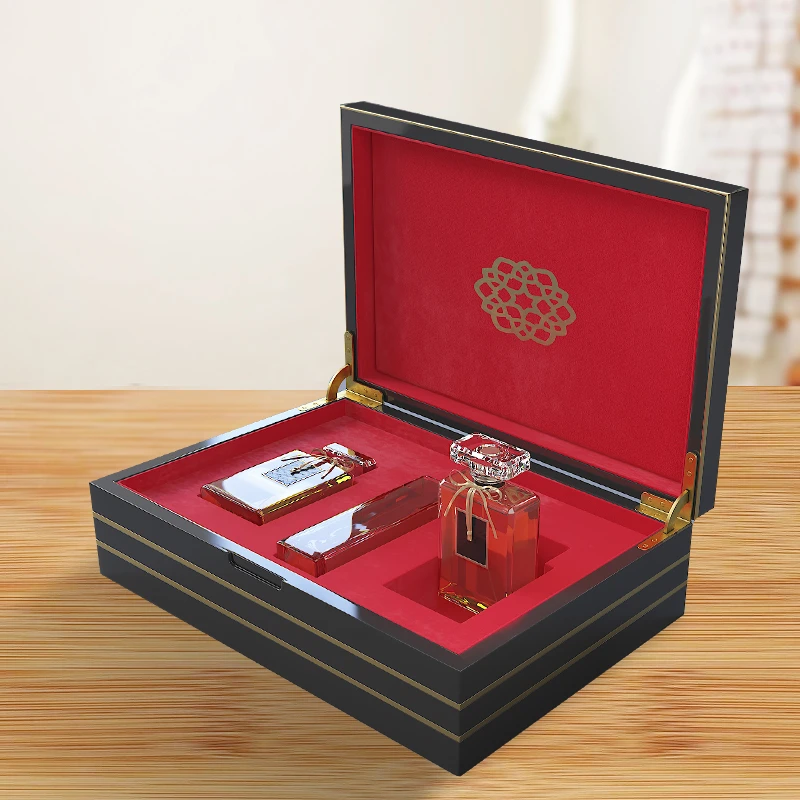
I look at these flowers the same way I look at core materials in luxury wooden box production. Some woods are timeless because they work well. It is the same in perfumery. Rose, jasmine, lavender, iris, and orange blossom have survived centuries because they offer layers. I want to explain this in a simple way.
Rose: The Queen of Perfumery
Rose has fresh, sweet, green, and warm tones. So perfumers can push it toward romance, mystery, or even spice. I see rose as a “pillar” note, like walnut wood in a premium jewelry box. It feels strong and elegant.
Jasmine: The Heart of Many Perfumes
Jasmine gives a creamy, warm, sensual tone. It blends well with woods, fruits, and musk. When I worked with a client who made luxury perfume gift boxes, jasmine was always part of their signature scent. It gave their packaging a soft emotional link.
Lavender and Iris
Lavender gives calm and clarity. Iris gives a powdery, smooth impression. Both add refinement the same way velvet lining enhances a wooden box.
Table: Why These Classic Flowers Matter
| Fiore | Caratteristiche principali | Why Perfumers Use It |
|---|---|---|
| Rosa | Fresh, sweet, deep | Builds structure and emotion |
| Gelsomino | Warm, creamy | Adds sensuality and softness |
| Lavanda | Clean, herbal | Creates calm and balance |
| Iris | Powdery, elegant | Adds luxury and smoothness |
| Fiore d'arancio | Bright, sweet | Gives comfort and light |
These flowers are important because they always behave well in blends. They keep the perfume stable and expressive, just like high-quality materials keep a premium box consistent.
How Do Different Floral Families—Fresh, Sweet, Powdery, or Exotic—Shape a Perfume’s Personality?
People often smell a floral perfume and say “it smells nice” but cannot explain why. They feel unsure about the differences.
Each floral family shapes a perfume’s mood. Fresh florals feel clean, sweet florals feel soft, powdery florals feel elegant, and exotic florals feel bold.
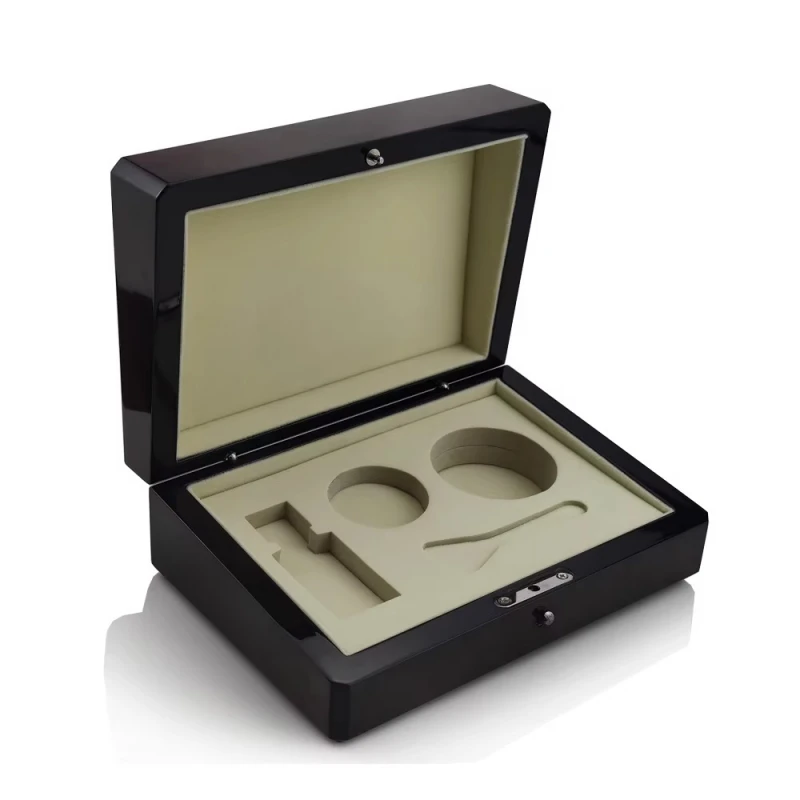
I like to think of floral families the same way I think of different surface finishes on a wooden box. Each finish changes the mood even if the shape stays the same.
Fresh Florals
Fresh flowers like lily of the valley or peony feel bright and clean. Perfumers use them for modern, airy scents. They act the same way a matte finish feels light on the eyes.
Sweet Florals
Sweet flowers like rose or frangipani feel soft and romantic. These scents are warm and full. They remind me of soft PU leather used inside luxury gift boxes.
Powdery Florals
Iris and violet give a powdery tone. Many people associate them with elegance. They stay close to the skin and feel timeless.
Exotic Florals
Tuberose and ylang-ylang feel heavy and rich. They bring drama. These notes behave like high-gloss piano lacquer on a premium wooden box—they stand out.
Table: How Floral Families Change the Mood
| Floral Family | Mood Created | Typical Flowers |
|---|---|---|
| Fresco | Clean, airy | Lily of the valley, peony |
| Dolce | Soft, warm | Rose, frangipani |
| Polveroso | Elegant, gentle | Iris, violet |
| Exotic | Bold, rich | Tuberose, ylang-ylang |
This structure helps people choose scents that match how they want to feel.
Why Are Certain Flowers More Suitable for Extraction Methods Like Distillation or Solvent Extraction?
Many readers do not know why some ingredients cost more. They only feel confused when they see big price differences.
Some flowers can handle heat during distillation, but delicate flowers need solvent extraction to keep their scent intact. This difference affects cost and quality.
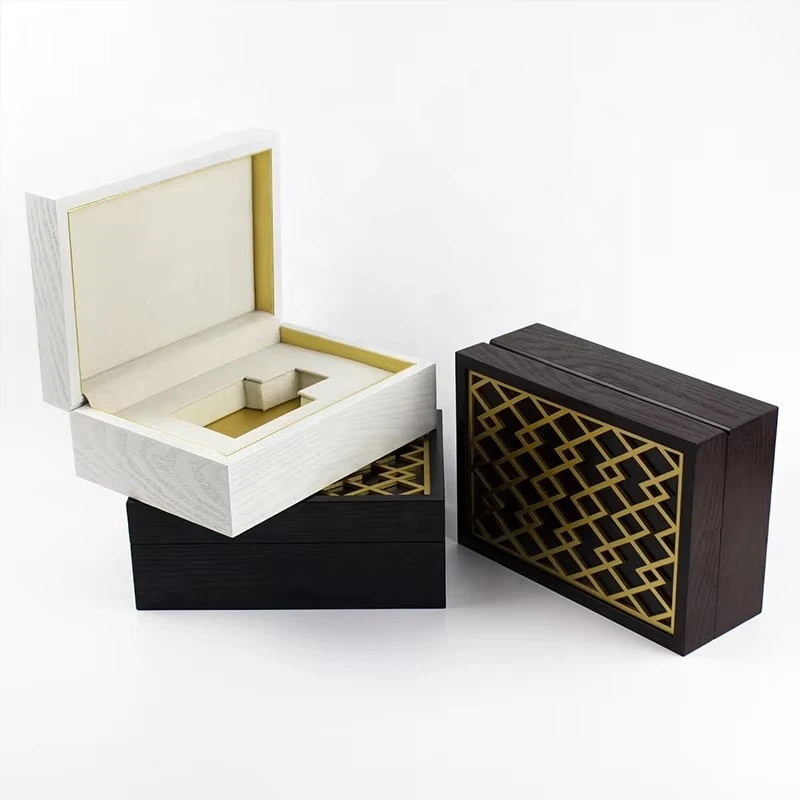
When I work with perfume brands, I often see how extraction affects their budget. It is similar to choosing between CNC carving or hand polishing in wooden box production. Some processes are simple. Some require more skill.
Distillation
Distillation works for flowers that hold their scent when heated. Lavender and rose can handle this process. This makes them easier to produce.
Solvent Extraction
Flowers like jasmine and tuberose cannot handle heat. Their smell breaks down. So perfumers use solvents to extract the scent gently. This process costs more. It is the same as using multiple layers of glossy lacquer on a box. It takes more time.
Table: Which Extraction Methods Fit Each Flower
| Fiore | Metodo | Motivo |
|---|---|---|
| Lavanda | Distillation | Heat stable |
| Rosa | Distillation and solvent | Versatile petals |
| Gelsomino | Solvent | Heat destroys aroma |
| Tuberosa | Solvent | Very delicate |
| Fiore d'arancio | Distillation | Strong essential oils |
This helps readers understand why some floral ingredients feel luxurious.
How Do Seasonal and Environmental Factors Influence the Quality of Floral Ingredients?
Many people assume flowers always smell the same. They feel surprised when they learn the opposite.
Season, soil, sunlight, and climate shape a flower’s scent profile. A small change can shift freshness, sweetness, or intensity.
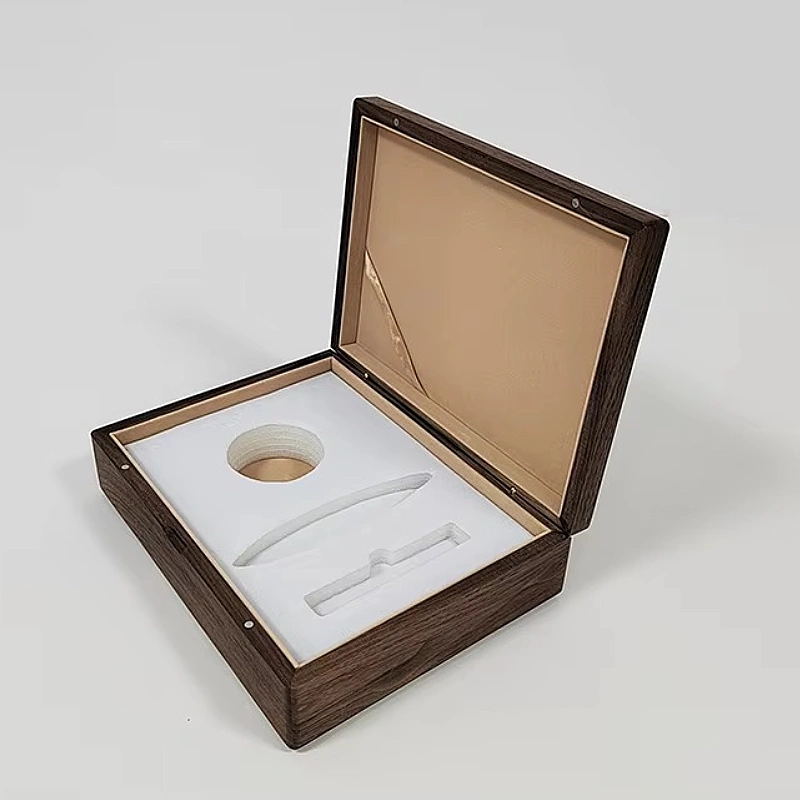
I saw this clearly when I visited suppliers who handle essential oils. The same flower from two fields smelled different. I face the same thing in wood sourcing. Wood grain changes with climate, and flowers do too.
Sunlight and Temperature
More sun means more aromatic molecules. Cool climates slow the plant down and create softer tones.
Soil and Water
Minerals in the soil change the scent. Water levels also change the concentration of oils.
Harvest Timing
If picked too early, the flower smells weak. If picked too late, it smells heavy.
Table: Environmental Effects on Flowers
| Fattore | Effetto sul profumo | Perfumer’s Consideration |
|---|---|---|
| Luce solare | Stronger aroma | Choose for bold perfumes |
| Soil | Changes sweetness | Match desired mood |
| Clima | Alters intensity | Adjust blends |
| Harvest time | Controls freshness | Balance top notes |
This is why top perfumers choose their sources with great care.
How Can You Choose Floral Notes That Fit the Mood or Style You Want Your Perfume to Express?
Readers often feel unsure about choosing floral notes. They want a simple guide.
Choose flowers based on the emotion you want. Soft notes feel romantic. Fresh notes feel clean. Exotic notes feel bold. Powdery notes feel elegant.
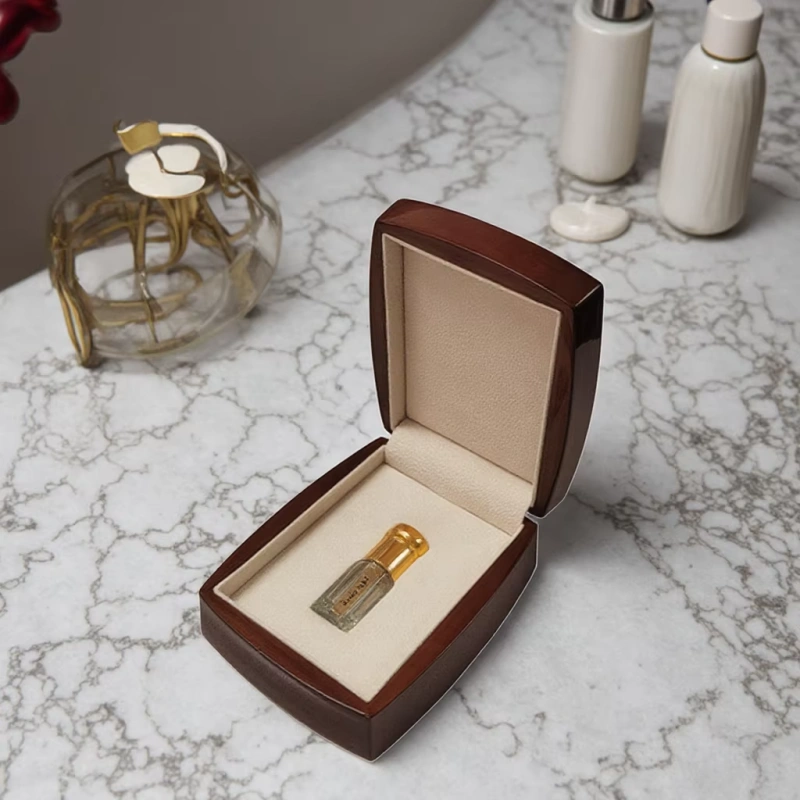
When brands ask me to design a perfume gift box, I ask them what mood they want the product to express. It is the same question perfumers ask. The right flower sets the tone.
If You Want Soft and Romantic
Choose rose or peony.
If You Want Clean and Fresh
Choose lily of the valley or neroli.
If You Want Bold and Sensual
Choose tuberose or jasmine.
If You Want Elegant and Quiet
Choose iris or violet.
Table: Matching Mood to Flowers
| Stato d'animo | Suggested Flowers |
|---|---|
| Romantico | Rose, peony |
| Fresco | Neroli, lily of the valley |
| In grassetto | Tuberose, jasmine |
| Elegante | Iris, violet |
This simple guide helps anyone choose perfume with confidence.
Conclusione
Flowers shape a perfume’s story in clear ways, and knowing these traits helps you choose with ease.

 Italiano
  English
  Español
  Português
  Deutsch
  Français
  العربية