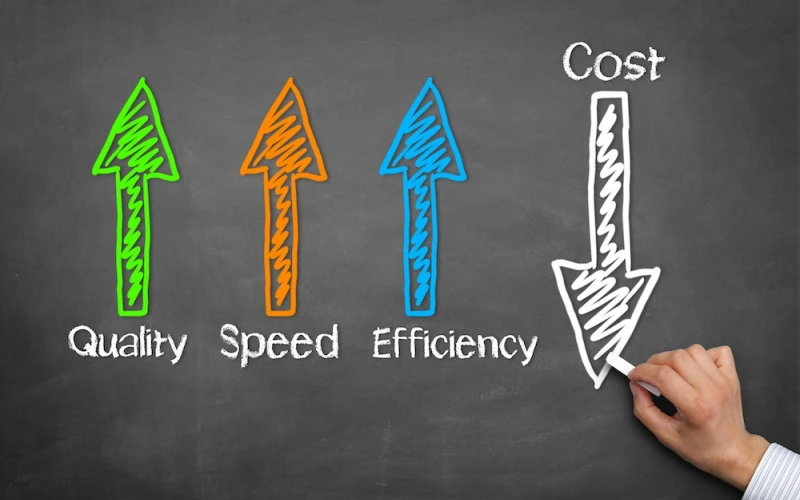
I often see buyers focus on unit price first. The real problem comes later, when hidden cost choices turn into defects, delays, and losses.
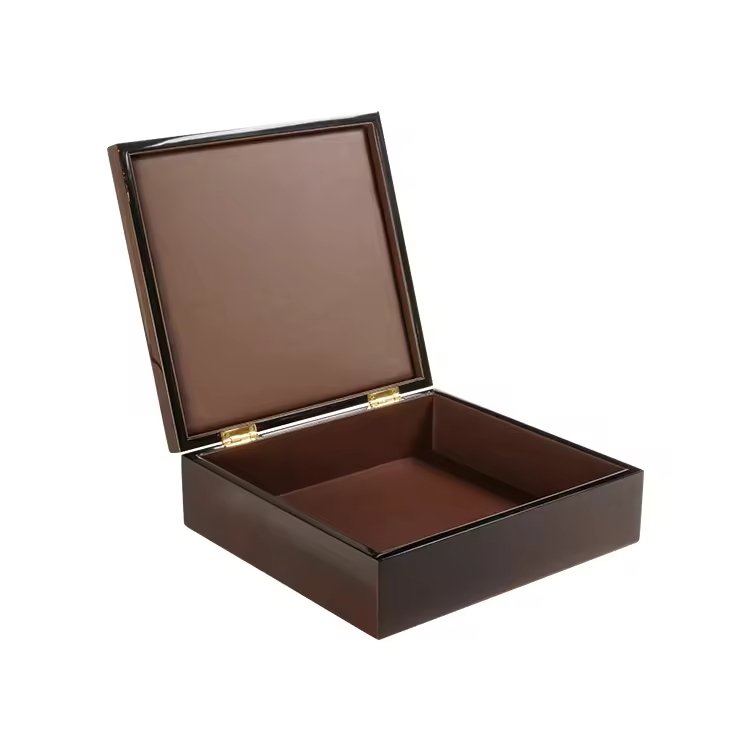
A wooden cigar box price is not one number. It is a collection of manufacturing decisions that directly shape quality, risk, and long-term cost.
I have worked with buyers at every budget level. What separates smooth projects from painful ones is not price. It is how clearly the buyer understands where the money goes.
A Buyer’s Cost Breakdown: Where Every Dollar Actually Goes
Most buyers feel confused when quotes vary widely. The pressure grows because every factory claims “same quality, better price.”
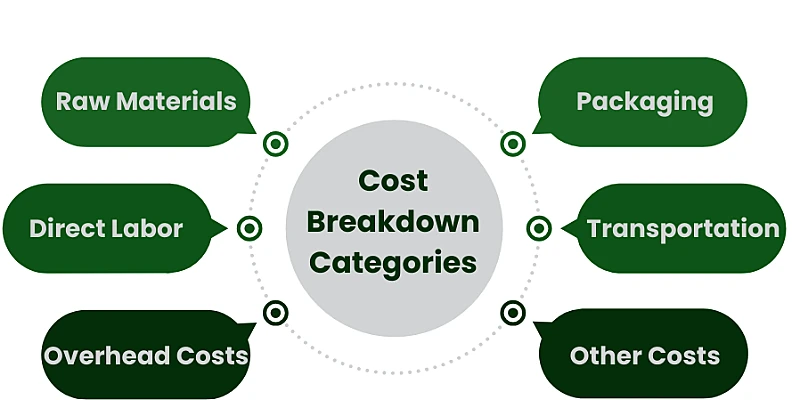
In reality, wooden cigar box costs follow a stable structure. The difference is how each factory allocates time, control, and risk inside that structure.
Core Cost Structure in Real Production
Based on real factory accounting, a typical wooden cigar box breaks down like this:
| Cost Component | Percentage Range |
|---|---|
| Wood structure & veneer | 30–35% |
| Interior lining (often Spanish cedar) | 8–12% |
| Hardware (hinges, locks, magnets) | 5–8% |
| Surface finishing & lacquer | 12–18% |
| Labor & assembly | 20–25% |
| Packaging & export prep | 5–8% |
| QC, rework risk, overhead | Équilibre |
These numbers rarely change. What changes is how aggressively each part is compressed.
Why Price Gaps Look Bigger Than They Are
When one factory quotes 30% less than another, they are not reinventing the process. They are reducing:
- Time spent drying wood
- Number of lacquer layers
- Precision in hinge alignment
- Time allowed for curing and inspection
The product still looks acceptable during sampling. Problems show up later.
Cost Is Not Material Alone
Many buyers assume lower price equals cheaper wood. That is only partly true.
Time is often the first thing removed:
- Shorter drying cycles
- Faster assembly lines
- Fewer inspection points
This is why cost transparency matters more than unit price. If you see where money goes, you can predict what might fail.
Low Budget Range: Cost Savings and the Trade-Offs You Accept
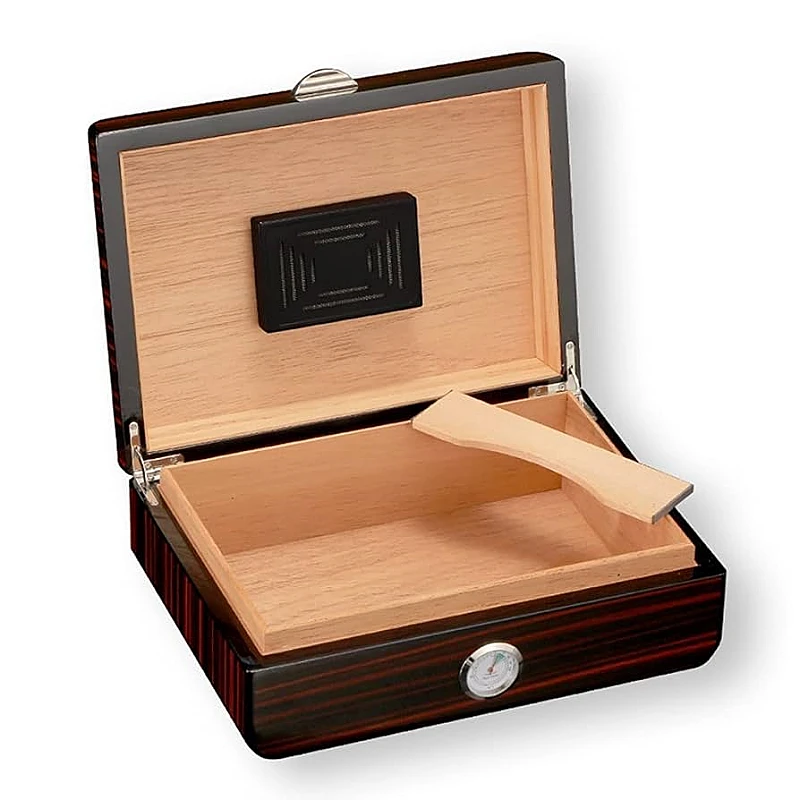
Low prices feel safe at the beginning. The danger appears after shipping.
Low-budget wooden cigar boxes reduce cost by removing time and control, not just materials.
Common Cost-Cutting Methods at Low Budget
Factories usually apply several of these at once:
Choix des matériaux
- MDF or mixed wood replaces solid wood
- Thin veneer replaces thicker face layers
- Cedar liners are air-dried quickly
Process Shortcuts
- Lacquer drops from 5–6 coats to 2–3
- Hinges aligned by eye instead of jigs
- No resting time between finish layers
QC Reductions
- Random inspection only
- No humidity testing
- No dimensional tolerance records
Why Problems Appear After Arrival
During sampling, the box is fresh. It has not faced:
- Container humidity
- Long sea transit
- Seasonal climate change
After arrival, buyers report:
- Lid gaps
- Warped panels
- Hinges drifting off-center
- Inconsistent cigar fit
These defects were not created by shipping. Shipping only revealed them.
Hidden Cost Table
| Saved Cost | Later Risk |
|---|---|
| Faster drying | Panel warp |
| Fewer lacquer coats | Surface cracking |
| Manual alignment | Lid misfit |
| Reduced QC | Batch inconsistency |
Who Low Budget Fits
Low budget works only when:
- Orders are small
- Distribution is local
- Product lifespan expectations are low
For export-grade cigar boxes, low budget is often a delayed expense, not a saving.
Mid-Range Budget: Paying for Structural Safety and Consistency
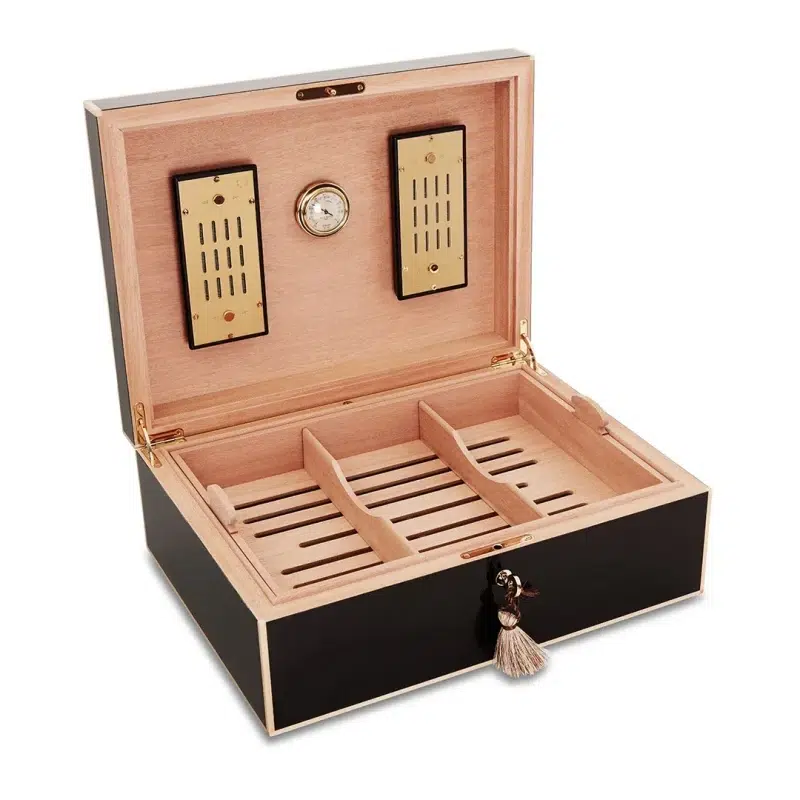
This is where most professional buyers should operate.
Mid-range budgets do not buy luxury. They buy repeatability and control.
What Changes at Mid-Range
Money shifts toward stability:
Wood and Structure
- Kiln-dried wood with moisture control
- Stable veneer pressing
- Balanced panel construction
Finishing Process
- 4–5 lacquer layers
- Controlled curing time
- Light sanding between coats
Assembly and QC
- Jig-based hinge alignment
- Dimensional checks at key steps
- Golden sample confirmed before mass production
Why Repeatability Matters More Than Appearance
Many buyers chase visual upgrades. Mid-range buyers focus on tolerance.
A box that looks simple but closes the same way every time is more valuable than a glossy box with fit issues.
Typical Production Rhythm
| Stade | L'heure |
|---|---|
| Material prep | 7 à 10 jours |
| Box assembly | 10–15 days |
| Finishing & curing | 7 à 10 jours |
| Final QC & packing | 5 days |
Total lead time usually lands at 30–40 days.
The Role of the Golden Sample
The golden sample is not a showroom piece. It is a tolerance reference.
It locks:
- Lid gap range
- Hinge angle
- Interior clearance
- Finish thickness expectation
Without it, mid-range pricing loses its value.
High-End Budget: Process Control, Not Just Premium Feel
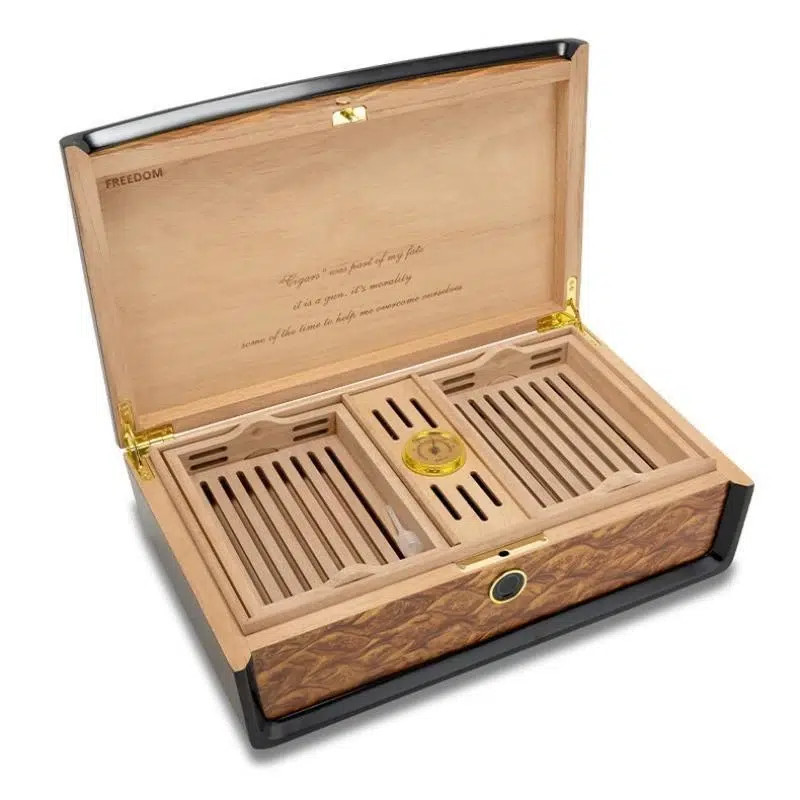
High-end pricing is often misunderstood.
You are not paying for luxury. You are paying for risk reduction.
Where High-End Money Actually Goes
Environment Control
- Humidity-controlled workshops
- Temperature-stable finishing rooms
Hardware Management
- Pre-tested hinge batches
- Consistent torque standards
- Hardware traceability
Labor Allocation
- Extra fitting time per unit
- Manual correction allowance
- Skilled worker assignment
QC and Rework
- Multi-stage inspection
- Rework budget built into price
- Post-assembly resting time
Why This Matters for Export Buyers
High-end boxes survive:
- Long storage
- Climate changes
- Retail handling
- Long-term use
The box stays stable because risk was priced in.
Cost vs Insurance Mindset
| Buyer View | Factory Reality |
|---|---|
| Paying more | Buying insurance |
| Premium feel | Process buffer |
| Luxe | Prévisibilité |
In my experience, high-end projects have fewer urgent emails after shipment. That alone has value.
How Smart Buyers Use Cost Transparency to Avoid Future Loss

Price transparency is a negotiation tool and a risk filter.
When you understand cost structure, you stop arguing price and start controlling outcomes.
Questions Smart Buyers Ask
- How many lacquer layers are included?
- How is wood moisture measured?
- Are hinges aligned by jig or by hand?
- What QC happens before packing?
Factories that answer clearly are usually safer partners.
Align Budget With Risk Tolerance
| Buyer Priority | Recommended Budget |
|---|---|
| Fast turnover | Low to mid |
| Stable export | Mid-range |
| Long-term brand | High-end |
My Personal Rule
If a factory cannot explain where your money goes, they will not control where problems come from.
Clear cost structure leads to:
- Fewer surprises
- Predictable lead times
- Stable quality across batches
This is how professional buyers protect margins.
Conclusion
A wooden cigar box budget is a risk map. The clearer you see it, the fewer problems you will face.
WoodoBox – Premium Wooden Packaging Manufacturer in China
Boîtes en bois sur mesure, fabriquées à la perfection

 Français
  English
  Español
  Português
  Deutsch
  Italiano
  العربية