Aller au contenu
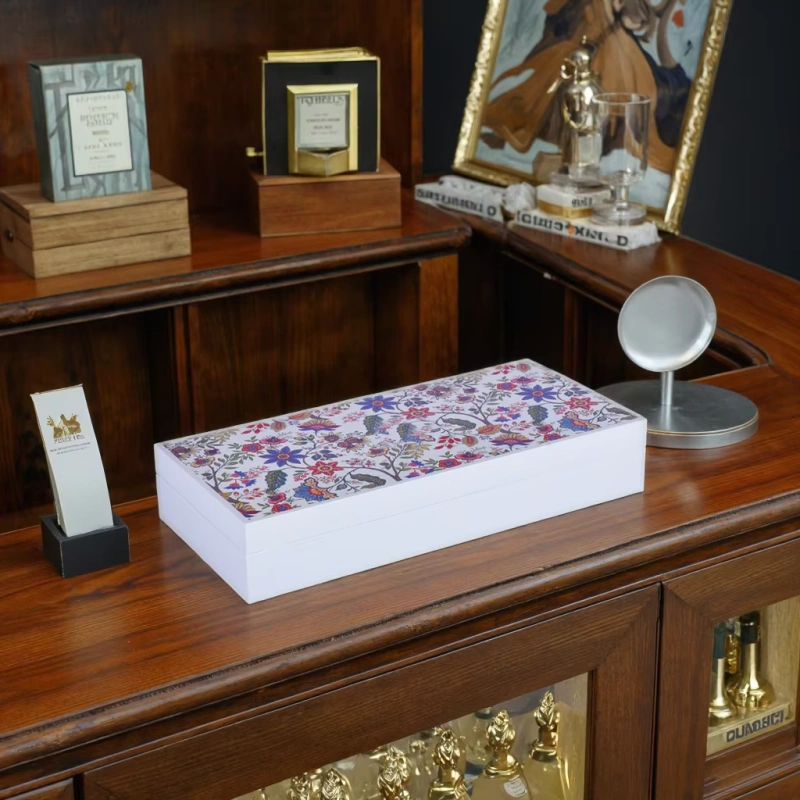
Luxury hotels lose guests in the first few seconds. If amenities feel noisy, cheap, or careless, trust drops fast, even before sleep begins.
A wooden perfume box suits luxury hotel room amenities because it delivers calm, quality, and intention instantly, without explanation, distraction, or visual pressure.
When guests enter a hotel room, they do not want to think. They want to feel settled. Packaging that speaks softly but clearly fits this moment best. From my experience, wood does exactly that.
I have worked with perfume brands and hotel projects for over fifteen years. During this time, I learned that hospitality packaging follows very different rules from retail. In this article, I will explain why wooden perfume boxes work so well in luxury hotel rooms, based on real production and usage experience.
Why do luxury hotels prioritize first impression over product explanation?
Luxury hotel guests decide fast. They do not read. They sense. If the first feeling is wrong, no story can fix it later.
Luxury hotels focus on first impression because guests judge amenities emotionally and instantly, not through logic, features, or written explanation.
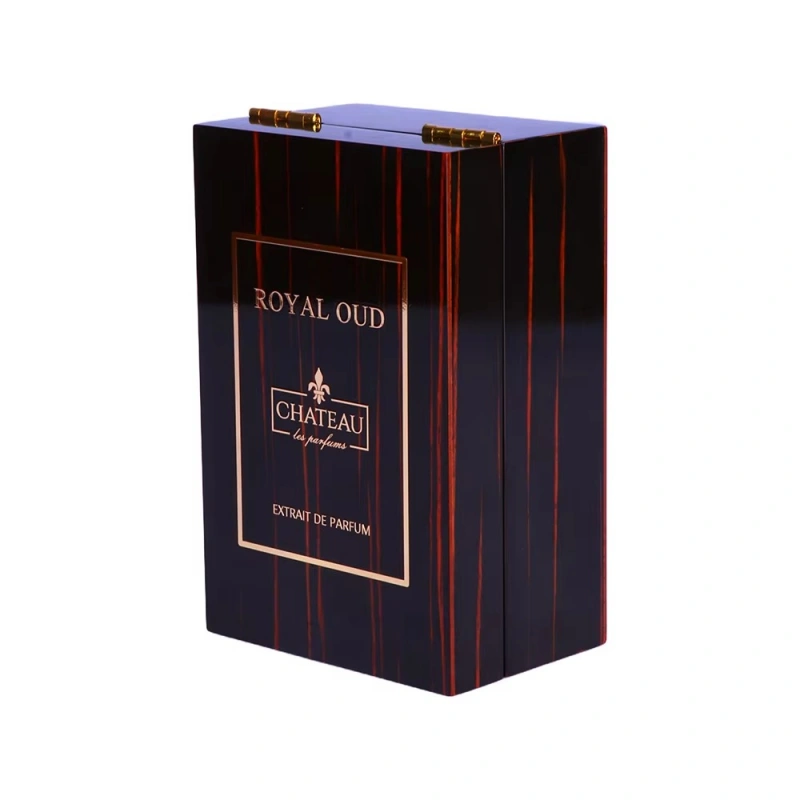
In hotel rooms, guests arrive tired. They are overstimulated by travel, noise, and screens. Their attention is low. Their sensitivity is high. At this moment, every object in the room must support calm.
From my experience, this is why hotels rarely rely on text-heavy packaging. They do not want guests to stop and analyze. They want guests to feel taken care of without effort.
How guests really evaluate hotel amenities
In retail, customers compare prices, read labels, and check ingredients. In hotels, none of this happens. Instead, guests ask simple questions, often without words:
- Does this feel clean?
- Does this feel intentional?
- Does this feel expensive?
- Does this feel calm?
A wooden perfume box answers these questions immediately. It does not ask for attention. It does not explain itself. It simply exists with confidence.
Why explanation can feel like noise
In many failed hotel projects I have seen, packaging tries too hard. It uses strong graphics, bold colors, or long brand stories. These elements may work on a shelf. In a hotel room, they feel like interruption.
Wood does not interrupt. It blends. It supports the atmosphere instead of competing with it.
First impression happens before touch
Another key point many designers miss is this: guests judge before touching. They see the box on the vanity or bedside table. The shape, surface, and material do the work.
Below is a simple comparison from my project experience:
| Type d'emballage | Impact visuel | Emotional Speed | Hotel Fit |
|---|---|---|---|
| Paper box | Lumière | Moyen | Faible |
| Plastic box | Vif | Fast but cheap | Très faible |
| Glossy printed box | Loud | Fast but tiring | Moyen |
| Boîte en bois | Quiet | Fast and positive | Très élevé |
This is why hotels invest heavily in materials that communicate instantly. Wooden perfume boxes win this race without saying a word.
How does a wooden box align with hotel standards of refinement and calm?
Luxury hotels sell rest. Every object must help the guest slow down. Materials matter more than messages.
A wooden box aligns with hotel standards because natural materials create visual calm, emotional safety, and refined restraint.
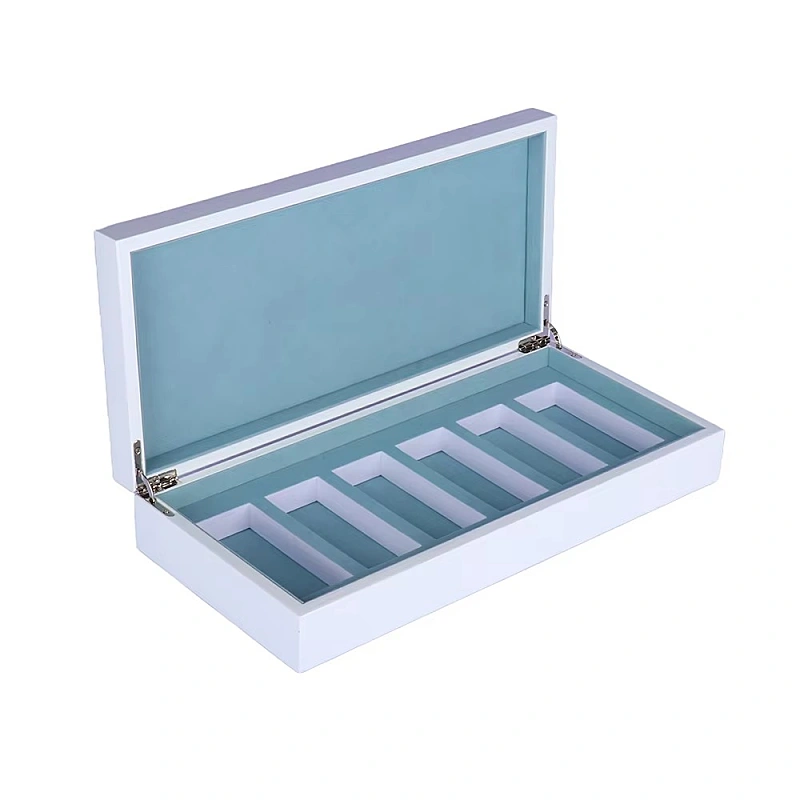
In my work with high-end hotels, one word appears again and again during discussions: calm. Calm lighting. Calm colors. Calm textures. Packaging is not excluded from this rule.
Wood as a visual neutral
Wood has a unique advantage. It feels premium without shouting. Unlike metal or glass, it reflects light softly. Unlike plastic, it has depth. Unlike paper, it has weight.
Hotels like this because wood does not dominate space. It supports it.
I often describe wood to clients as “visual silence.” It fills space without noise.
Alignment with interior design language
Most luxury hotels use a controlled palette. You often see:
- Warm neutrals
- Natural textures
- Contraste doux
- Minimal branding
A wooden perfume box fits naturally into this environment. It does not clash with marble, stone, linen, or leather. Instead, it completes the picture.
From my experience, interior designers prefer wooden packaging because it feels like furniture, not marketing.
Surface finish matters more than decoration
In hotel projects, we often reduce branding. Logos become smaller. Colors become softer. Finish becomes more important than print.
Here is a typical finish preference table from my hotel clients:
| Type de finition | Guest Reaction | Hotel Preference |
|---|---|---|
| Laque piano brillante | Elegant but reflective | Moyen |
| Laque mate | Soft and calm | Haut |
| Natural wood veneer | Warm and grounded | Très élevé |
| Heavy embossing | Décoratif | Faible |
Wood allows these finishes to perform well. It carries matte and satin surfaces beautifully. This supports the hotel’s desire for refinement without excess.
Calm is a business decision
This calm is not emotional only. It is strategic. Guests who feel relaxed stay longer in the room. They complain less. They remember the experience better.
From feedback I received, hotels that switched from paper to wooden amenity boxes reported fewer negative comments about room details. Guests did not mention the box directly. That silence is success.
Why does durable packaging matter in high-turnover hotel environments?
Hotels are gentle in concept but rough in reality. Amenities are touched, moved, cleaned, and replaced constantly.
Durable packaging matters because hotel amenities face frequent handling, inspection, and reuse, which quickly exposes weak materials.
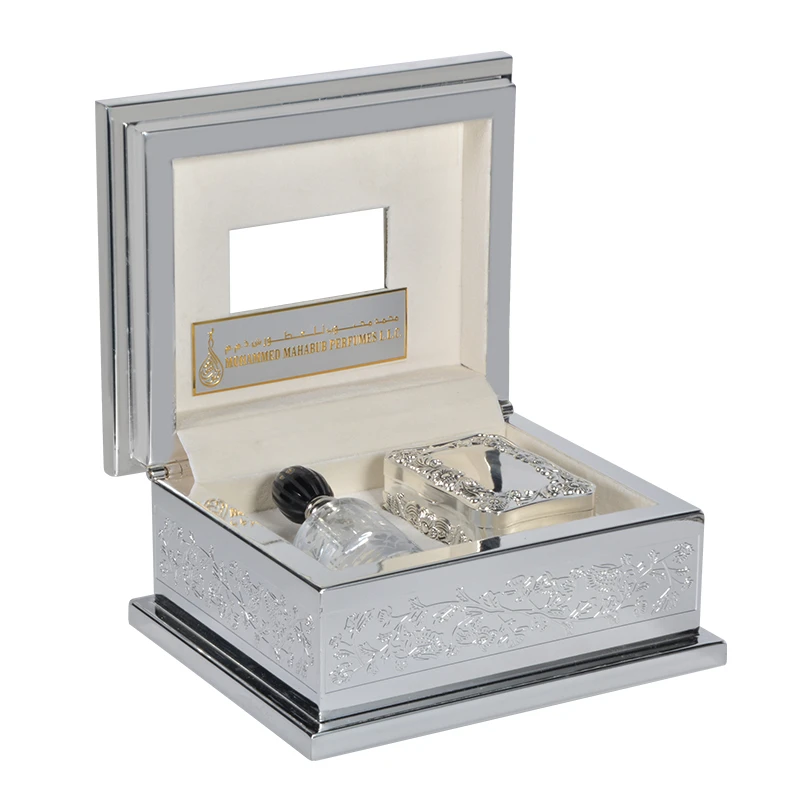
Many buyers underestimate how harsh hotel environments are. From my factory perspective, hotel use is closer to commercial use than home use.
What actually happens to hotel amenities
In real hotel operations:
- Housekeeping touches amenities daily
- Boxes are wiped, repositioned, and inspected
- Guests open and close boxes without care
- Some amenities are reused for display or refilled
Paper boxes fail fast in this environment. Edges soften. Corners break. Surfaces stain.
Wood behaves differently.
Structural stability over time
Wooden boxes keep their shape. Even after repeated use, the edges stay sharp. The lid still fits. The box still looks intentional.
Below is a durability comparison based on long-term use:
| Matériau | Edge Wear | Surface Damage | Durée de vie |
|---|---|---|---|
| Carton | Haut | Haut | Court |
| Plastique | Faible | Moyen | Moyen |
| MDF avec placage | Faible | Faible | Long |
| Bois massif | Très faible | Faible | Very long |
Hotels appreciate this because it reduces replacement frequency. It also keeps visual standards consistent across rooms.
Maintenance and cleaning reality
Hotels clean fast. They do not baby packaging. Wood handles light moisture and wiping better than paper. With proper coating, it resists stains and fingerprints.
I always design hotel boxes with this in mind. Edges are sealed. Coatings are chosen for cleaning tolerance, not just appearance.
Durability protects brand image
In hotels, worn packaging sends a wrong message. Guests notice small flaws. A damaged box suggests neglect.
Durable wooden boxes protect the hotel’s image by staying visually correct longer. This is one of the main reasons hotels accept higher unit costs for wooden packaging.
They do not pay for wood. They pay for stability.
How does a wooden box elevate perceived value without overwhelming guests?
Luxury hospitality avoids excess. Guests should feel special, not targeted by marketing.
A wooden box elevates perceived value by suggesting care and curation, without using aggressive branding or visual pressure.
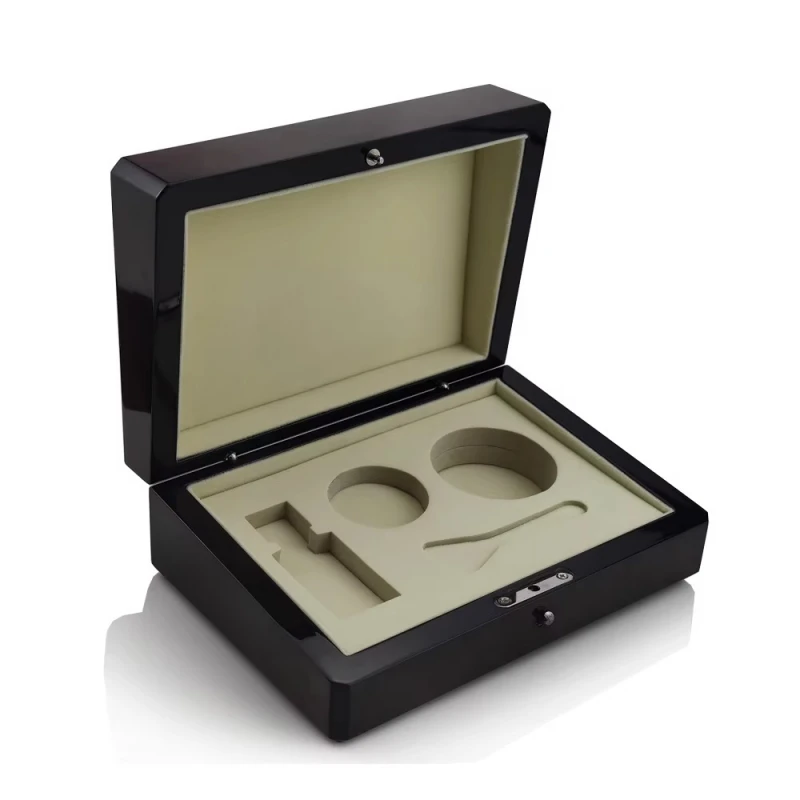
In hotel amenities, subtlety is everything. Over-designed packaging can make guests suspicious. They may wonder if they are paying for packaging instead of service.
Wood avoids this problem.
The psychology of quiet luxury
Wood signals effort without showing cost. Guests rarely calculate material price. They simply feel that someone cared.
I have heard guests say things like:
- “This feels custom.”
- “This feels made for this hotel.”
- “This doesn’t feel like a free item.”
These reactions matter more than praise.
Avoiding promotional feeling
Printed boxes often feel promotional. They remind guests of retail. Hotels try to remove this feeling.
Wooden boxes feel closer to objects, not ads. They sit quietly in the room.
Size and proportion control
Wood also allows precise control of thickness and weight. A small wooden box feels solid. A small paper box feels cheap.
This difference affects perception directly.
Here is a simple perception comparison:
| Type de boîte | Guest Assumption |
|---|---|
| Thin paper box | Mass produced |
| Heavy printed box | Marketing driven |
| Small wooden box | Curated and intentional |
Guests assume exclusivity
One interesting result I see often is this: guests assume wooden amenity boxes are exclusive to the hotel.
They believe the perfume was made for this place. This strengthens the hotel’s brand without saying anything.
This effect is very hard to achieve with other materials.
Why does wooden packaging support brand consistency and memorability for hotels?
Hotels do not want to be remembered for logos. They want to be remembered for feeling.
Wooden packaging supports brand memory by becoming part of the guest’s emotional experience, not a separate brand message.
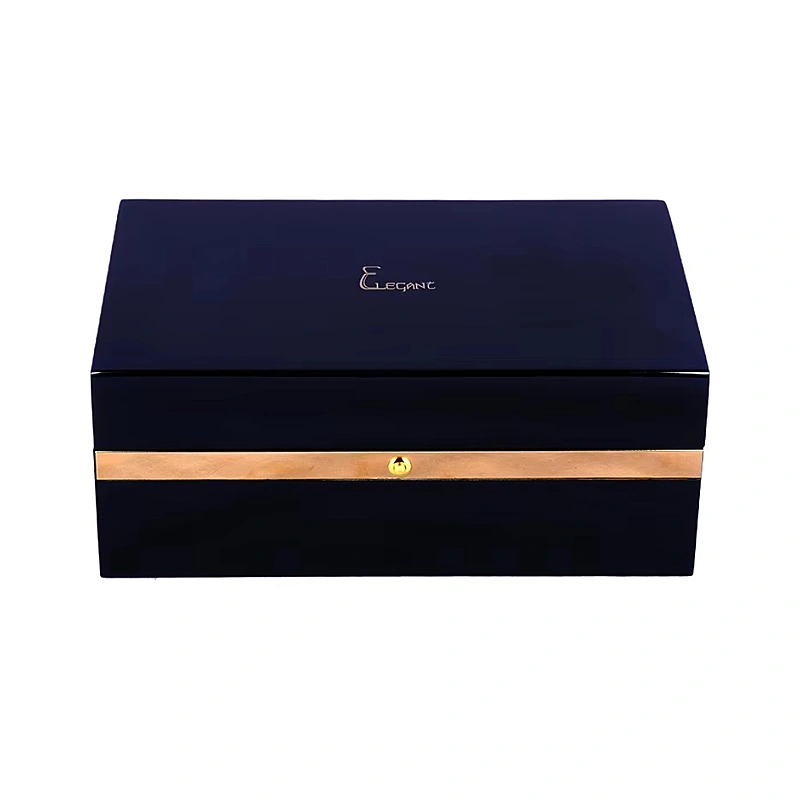
From my long-term feedback, guests rarely remember details. They remember impressions.
Memory works through touch and atmosphere
Wood engages multiple senses. Visual warmth. Soft touch. Natural weight.
These elements blend into the room experience. Later, when guests recall the stay, the wooden box becomes part of that memory.
Consistency across locations
For hotel groups, wood offers consistency. The same box design works in different countries and cultures.
Wood is culturally neutral. It does not offend. It does not confuse. It feels familiar everywhere.
Supporting brand without dominating it
Hotels want their brand to feel present, not loud. Wooden boxes allow subtle branding through:
- Small metal logos
- Gravure au laser
- Embossed plates
This keeps the brand consistent but respectful.
Detail-driven differentiation
Many hotels offer similar services. Details create difference.
When guests notice care in small objects, they trust the whole brand more. Wooden perfume boxes signal that care clearly.
This trust leads to repeat stays and recommendations.
Conclusion
A wooden perfume box works in luxury hotels because it communicates care without noise, supports calm, survives real use, and becomes part of the guest’s memory.
Nom de marque : WoodoBox
Slogan : Boîtes en bois sur mesure, fabriquées à la perfection

 Français
  English
  Español
  Português
  Deutsch
  Italiano
  العربية