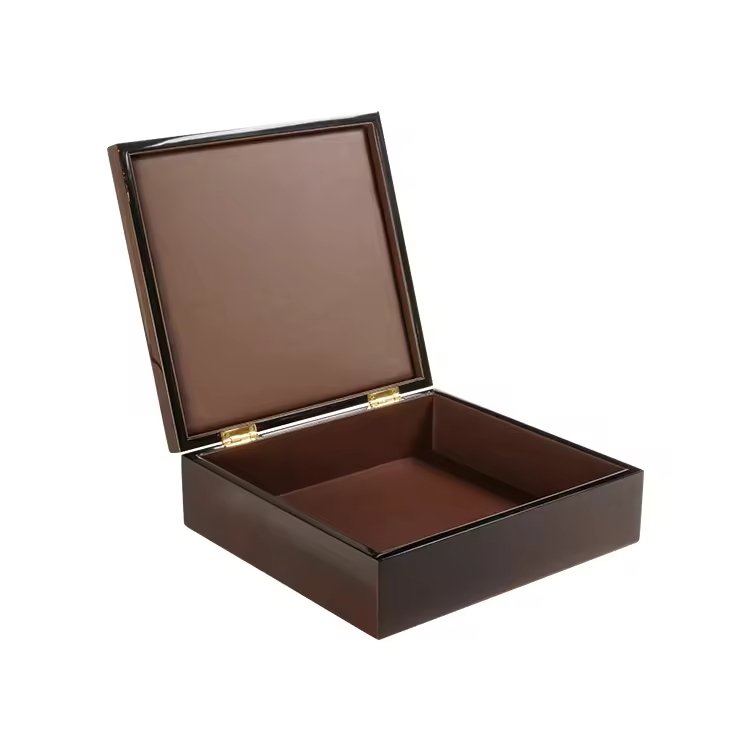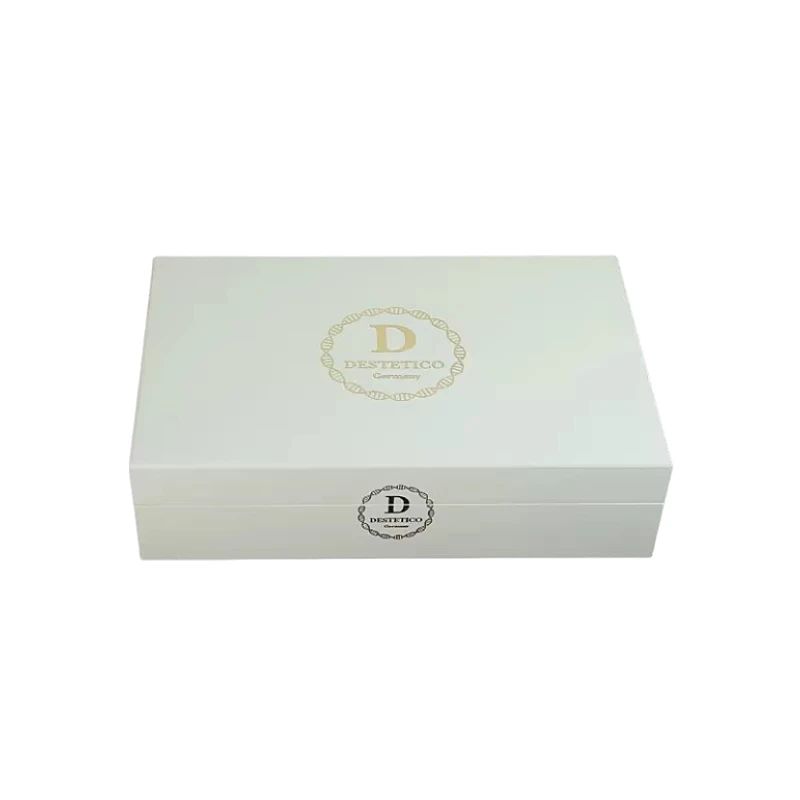
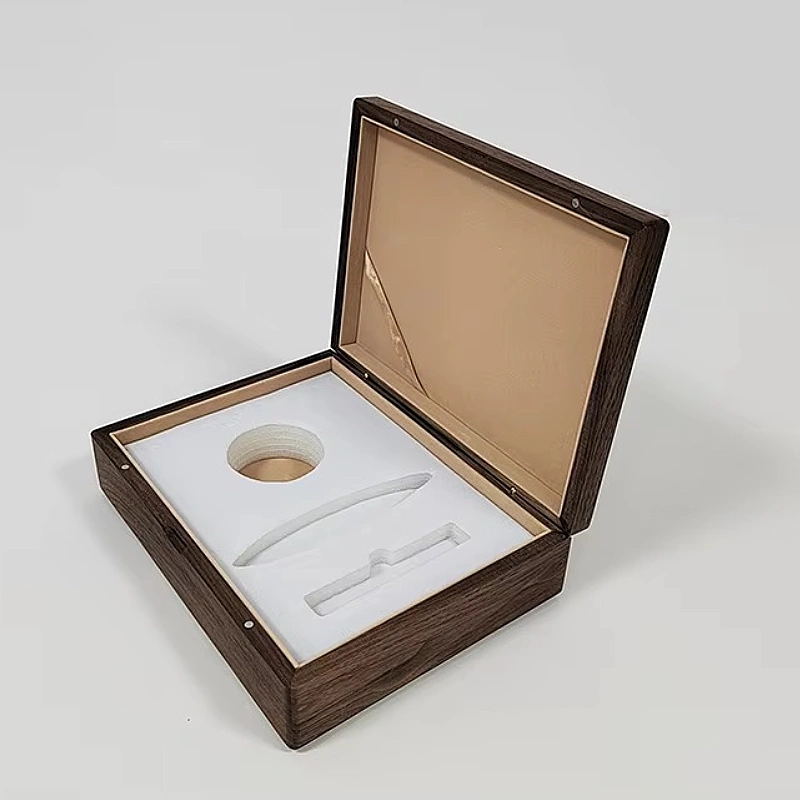
The problem is simple. Many perfume brands invest heavily in fragrance, but lose customers before the bottle is even touched. This creates wasted cost and missed trust.
Customers judge perfume value within 3 seconds because the box sends faster signals than scent ever can. In those seconds, the brain decides price level, quality, and credibility based only on what it sees and expects to feel.
I have seen this happen repeatedly. Once that instant judgment is formed, most customers will not re-evaluate, even if the fragrance is excellent. That is why the box matters so much.
This article explains what happens in those first seconds, and why packaging carries so much hidden power in perfumery.
Why does the human brain form value judgments before conscious thinking begins?
The issue starts here. Brands expect customers to think carefully. Customers do not. The brain wants speed and safety first.
The brain forms value judgments before conscious thinking because it is designed to reduce effort and risk. It uses fast pattern recognition instead of slow analysis.
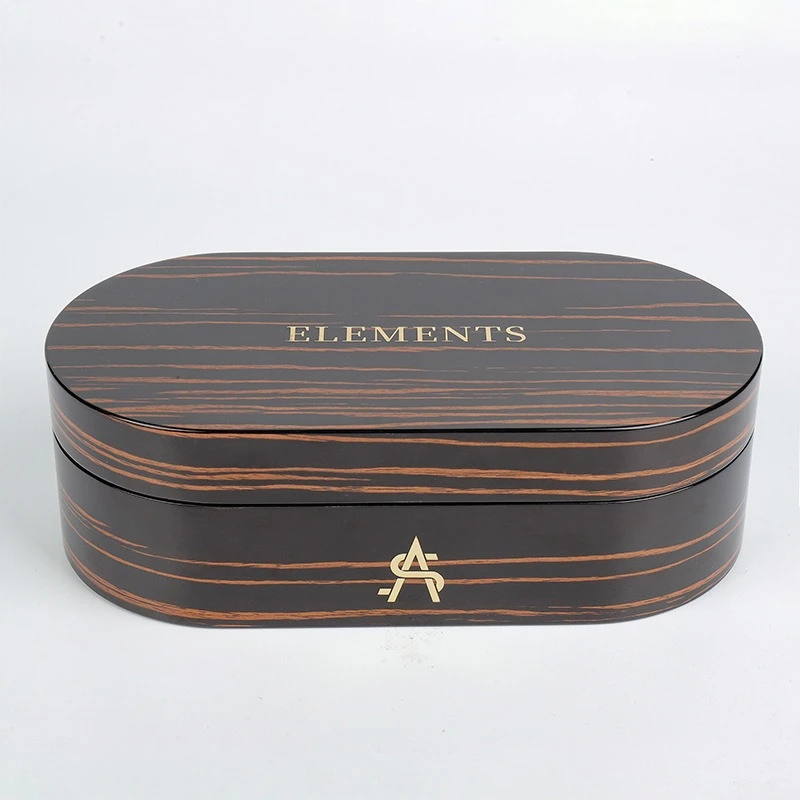
From my experience working with perfume packaging buyers, this is the most misunderstood point. Many brand owners assume customers will “study” their product. In reality, most decisions are automatic.
The brain prefers shortcuts, not analysis
The human brain processes visual input in layers. The first layer is not logic. It is survival and efficiency.
When a customer sees a perfume box, the brain asks very basic questions:
- Does this look familiar?
- Does this look safe?
- Does this look expensive or risky?
This happens in milliseconds. Long before brand stories or ingredient lists.
I often explain this to clients using a simple comparison. Imagine walking into a luxury hotel lobby. You know if it is premium before anyone speaks to you. You do not check the marble source or furniture brand. You feel it.
Perfume packaging works the same way.
Value judgment happens before attention
Another key point is attention. The brain decides value first, then decides whether something deserves attention.
If the box looks cheap, the brain quietly says “not worth my time.” The fragrance never gets a fair chance.
This is why many niche perfume brands struggle on shelves. They compete visually with global luxury brands that have trained customers for decades.
Emotional reaction comes first
These instant judgments are emotional, not intellectual.
Here is how the sequence usually works:
| Étape | Brain Action | L'heure |
|---|---|---|
| Visual scan | Shape, color, size | < 1 second |
| Emotional signal | Premium or risky | 1–2 seconds |
| Value label | Cheap, normal, luxury | ~3 seconds |
| Rational thought | Only if invited | Après |
If the emotional signal is negative, rational thinking never fully engages.
This is not a flaw in customers. It is how humans are built. As a packaging manufacturer, I design boxes with this reality in mind, not against it.
How do shape, material, and color send instant price signals?
Many brands focus on graphics. But the strongest price signals come earlier, from structure and material.
Shape, material, and color send instant price signals because they are processed faster than text or branding. They communicate cost and intention without explanation.
%[Boîte blanche de luxe avec logo Destetico
I learned this lesson the hard way early in my career. We once produced a beautifully printed paper box for a client. The design was elegant. The reaction was cold. Later, we upgraded only the structure and material. The response changed immediately.
Shape signals control and investment
Simple shapes feel confident. Balanced proportions feel intentional.
Luxury perfume boxes often share these traits:
- Strong vertical or horizontal balance
- Bords nets
- Controlled opening movement
Over-designed shapes often feel insecure. When a box tries too hard to be “creative,” it can feel cheap or unstable.
Material speaks louder than print
Material is one of the fastest signals of price.
Here is how customers often read materials subconsciously:
| Matériau | Instant Signal |
|---|---|
| Thin paperboard | Low risk, low price |
| Thick rigid board | Mid to premium |
| Bois | High investment |
| Heavy lacquered surface | Luxury intention |
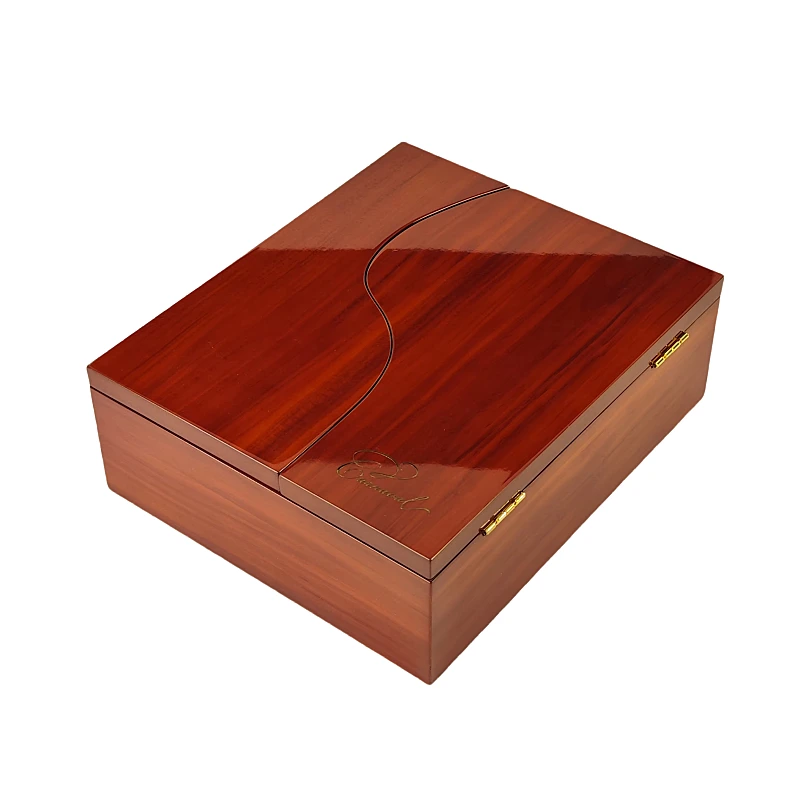
Wood is powerful because it feels honest. It has weight. It resists pressure. It suggests cost even before touch.
That is why wooden perfume boxes perform so well in high-end segments. They do not need explanation.
Color sets expectation instantly
Color works like a shortcut language.
In perfumery, these patterns repeat across markets:
- Black, deep green, dark blue → serious, premium
- Soft neutral tones → niche, refined
- Bright colors → playful, lower price
Color mistakes are hard to fix later. If the color says “cheap,” no amount of storytelling can fully reverse it.
When I advise brands, I always say this: customers do not read color. They feel it.
Why does packaging act as a shortcut for quality and trust?
Trust is expensive to build. Packaging helps customers skip the process.
Packaging acts as a shortcut for quality and trust because most customers cannot evaluate perfume quality directly. They judge what they can see and feel.
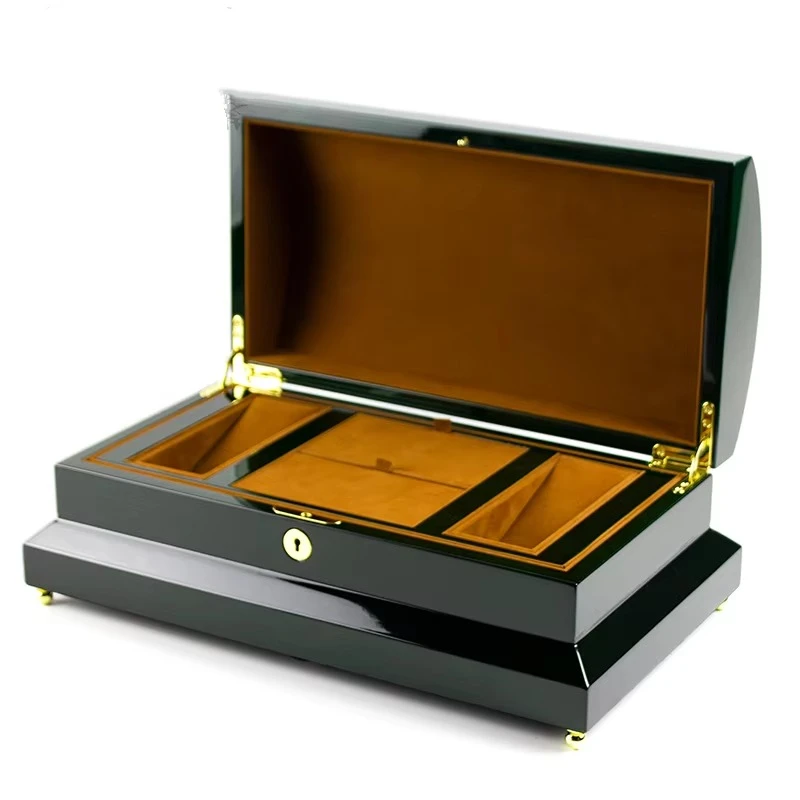
In 15 years of working with international buyers, I have never met a customer who could judge fragrance cost accurately by smell alone in a retail setting.
Customers cannot verify fragrance value
Perfume value comes from many hidden factors:
- Ingredient sourcing
- Formulation time
- Perfumer expertise
- Brand consistency
Customers cannot see these. So they look for substitutes.
Packaging becomes the visible proof.
Structure equals seriousness
A rigid, well-made box tells the brain that the brand invested money and care.
Customers think:
“If they spent this much on the box, the inside must matter too.”
This is not always true. But perception matters more than truth in early judgment.
Packaging reduces fear
Buying perfume is risky. Smell is personal. Returns are rare. Mistakes feel expensive.
Packaging reduces fear by signaling:
- Stabilité
- Professionalism
- Confidence
Here is how different packaging choices affect trust:
| Packaging Choice | Trust Effect |
|---|---|
| Murs minces | Doubt |
| Coupe ample | Carelessness |
| Clean opening | Control |
| Soft inner lining | Protection de l'environnement |
These details work quietly. Customers may never mention them. But they feel them.
In my experience, when trust is high, customers become more forgiving. They explore scent longer. They listen to the brand story. They imagine ownership.
How does past luxury experience influence instant judgment?
Customers do not judge packaging in isolation. They compare it to memory.
Past luxury experience influences instant judgment because the brain matches new stimuli with stored references. If the match feels right, acceptance follows.
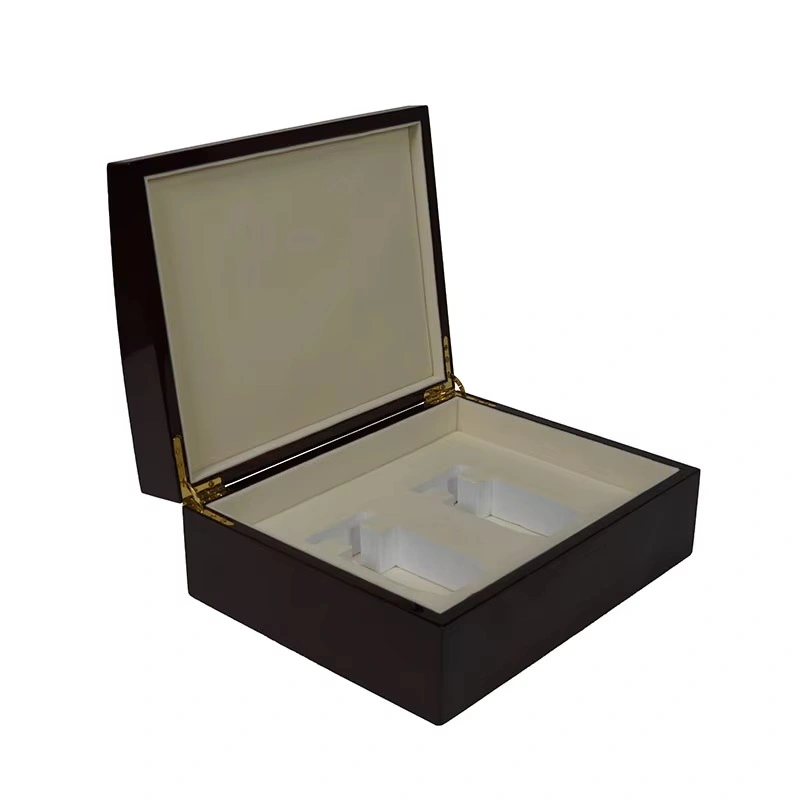
This is one of the most important points for premium perfume brands.
Luxury memory sets the standard
Customers carry invisible benchmarks:
- Famous perfume houses
- Montres de luxe
- High-end spirits
They may not consciously name them, but the feeling remains.
When they see a new perfume box, the brain asks:
“Does this belong in the same world?”
Mismatch creates rejection
If a brand claims luxury pricing but the box feels lighter or cheaper than expected, the brain reacts fast.
It says:
“This does not match what luxury should feel like.”
At that moment, skepticism appears.
Familiar signals create comfort
Luxury packaging often repeats familiar signals:
- Poids
- Minimalism
- Restraint
- Précision
These are not boring. They are reassuring.
I often tell clients that innovation should sit on top of familiarity, not replace it.
Voici une comparaison simple :
| Experience Match | Customer Reaction |
|---|---|
| Matches luxury memory | Confort |
| Slightly exceeds | Delight |
| Falls below | Doubt |
| Conflicts | Rejection |
Wooden boxes work well because they already exist in many luxury memories. Jewelry. Watches. Wine. Cigars.
When perfume packaging enters that same material world, the brain accepts it faster.
Why is it so hard to reverse a bad first impression in perfumery?
This is the painful truth for many brands.
It is hard to reverse a bad first impression because the brain protects its first judgment. It treats change as risk.
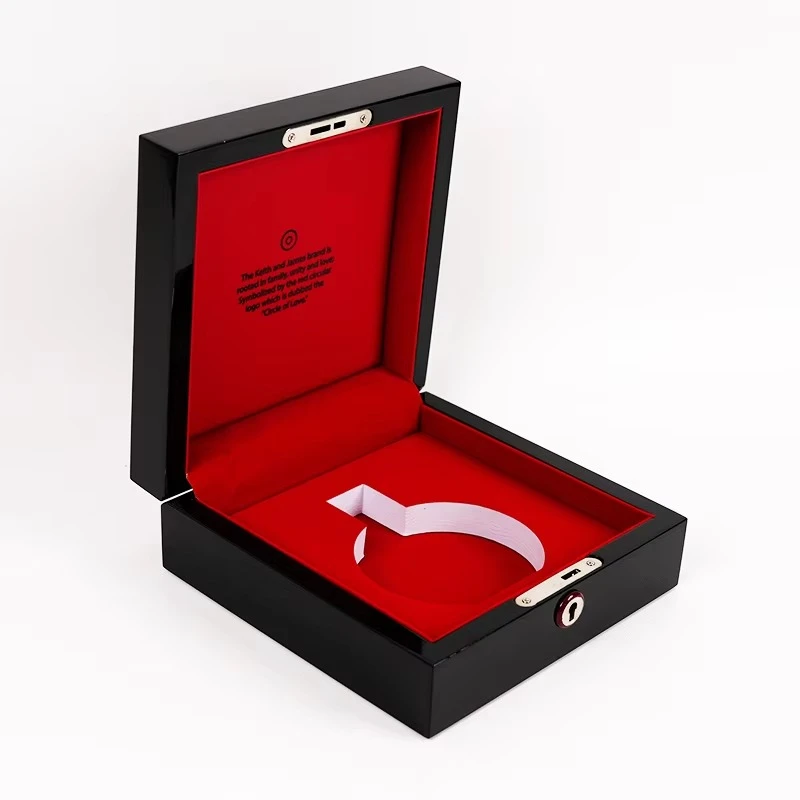
I have seen excellent perfumes struggle for years because of weak packaging. Even after redesigns, the damage lingered.
First impressions anchor perception
Once the brain labels something as “cheap” or “not for me,” it resists updating that label.
This is called anchoring, but you do not need the theory to see it in practice.
Customers often say:
“I tried it before. It wasn’t my thing.”
Even when the product has improved.
Perfume is emotional, not corrective
Perfume does not offer clear proof like electronics. You cannot demonstrate performance easily.
So customers rely even more on their initial feeling.
Negative signals amplify faster than positive ones
A weak box creates questions:
- Why is it so light?
- Why does it feel rushed?
- Why does it look confused?
Positive answers take time. Negative ones appear instantly.
Fixing the box is easier than fixing memory
This is why I always tell brands to invest early.
Here is a simple cost logic many buyers miss:
| Stade | Coût |
|---|---|
| Fix packaging early | Predictable |
| Fix perception later | Expensive |
| Fix reputation | Sometimes impossible |
Packaging is not decoration. It is risk management.
In perfumery, you rarely get a second first impression.
Conclusion
Customers judge perfume value in 3 seconds because packaging gives the fastest emotional truth. If the box speaks confidence, the fragrance earns respect.
Nom de marque : WoodoBox
Slogan : Boîtes en bois sur mesure, fabriquées à la perfection

 Français
  English
  Español
  Português
  Deutsch
  Italiano
  العربية