Aller au contenu
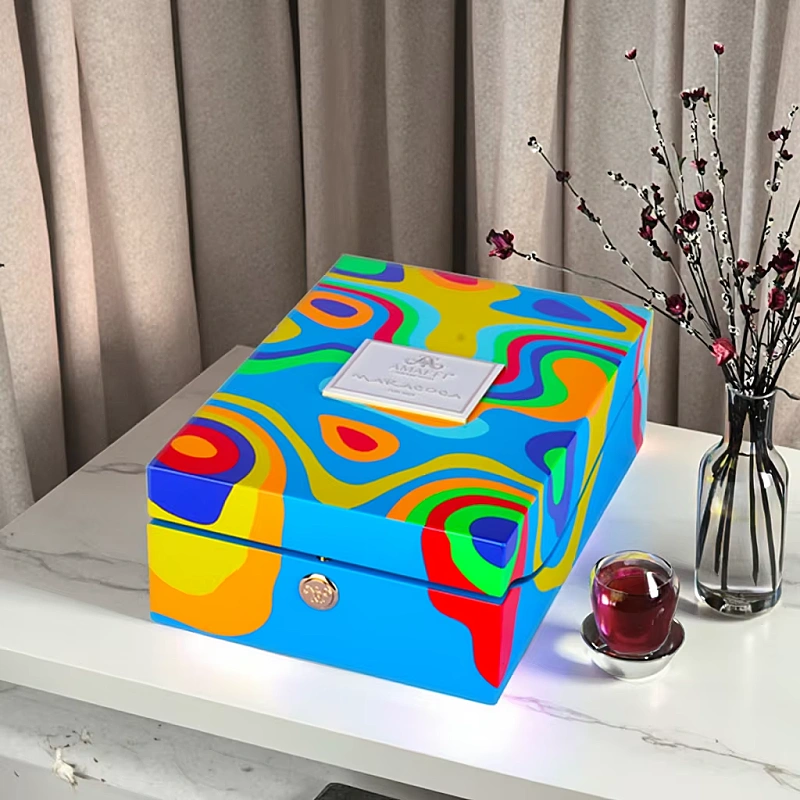
Heat damage is one of the most silent killers of perfume quality. Many brands only discover problems after products reach the market, when leaks, scent changes, or complaints begin to appear.
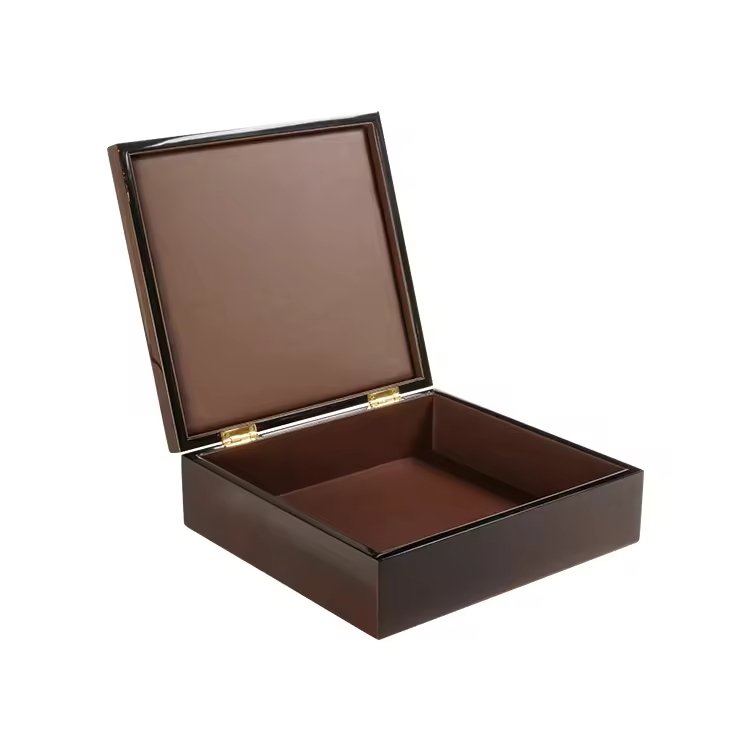
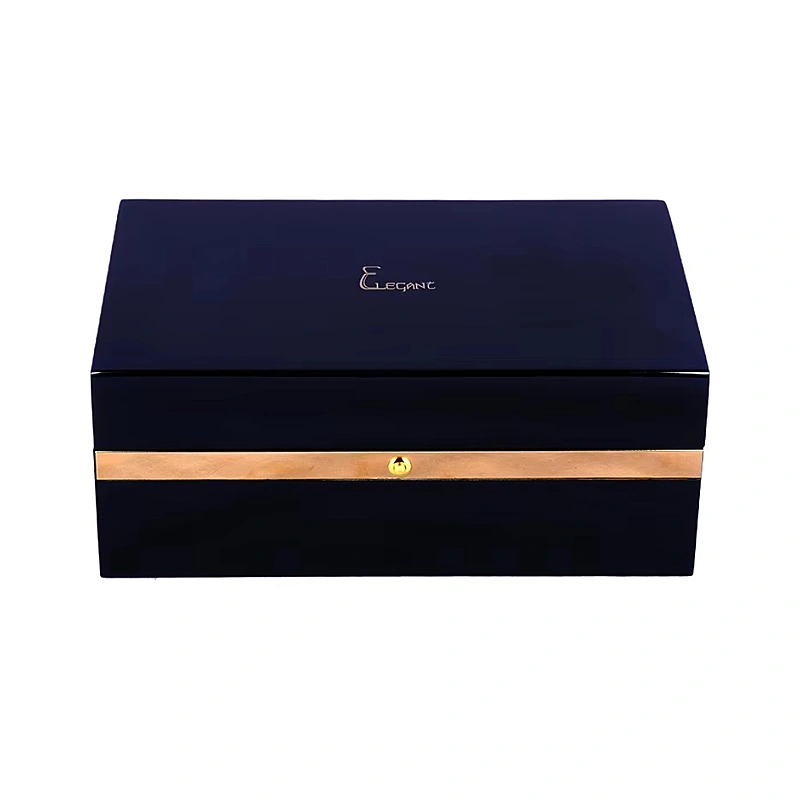
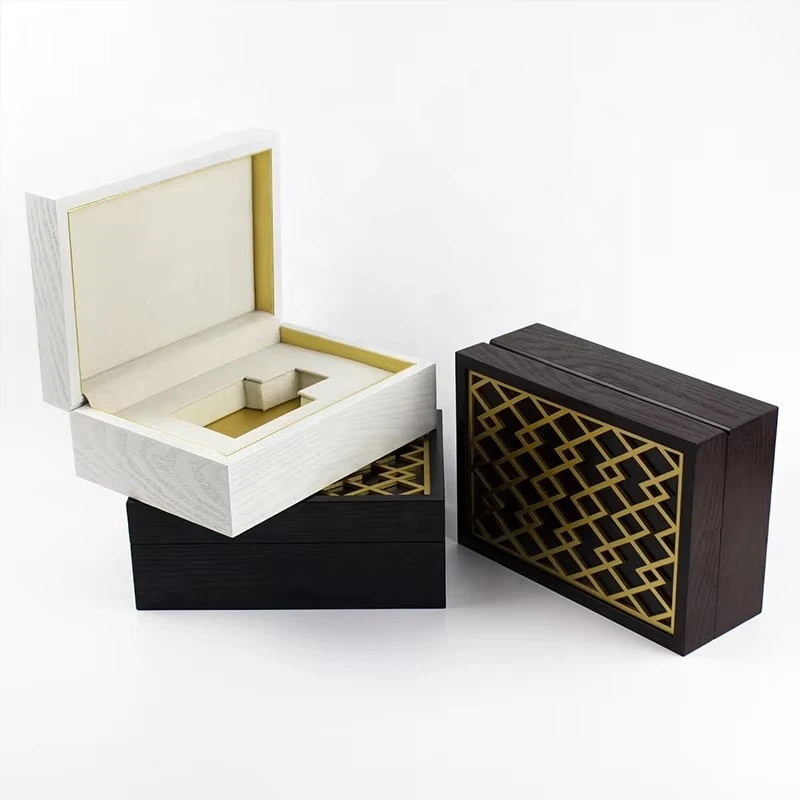
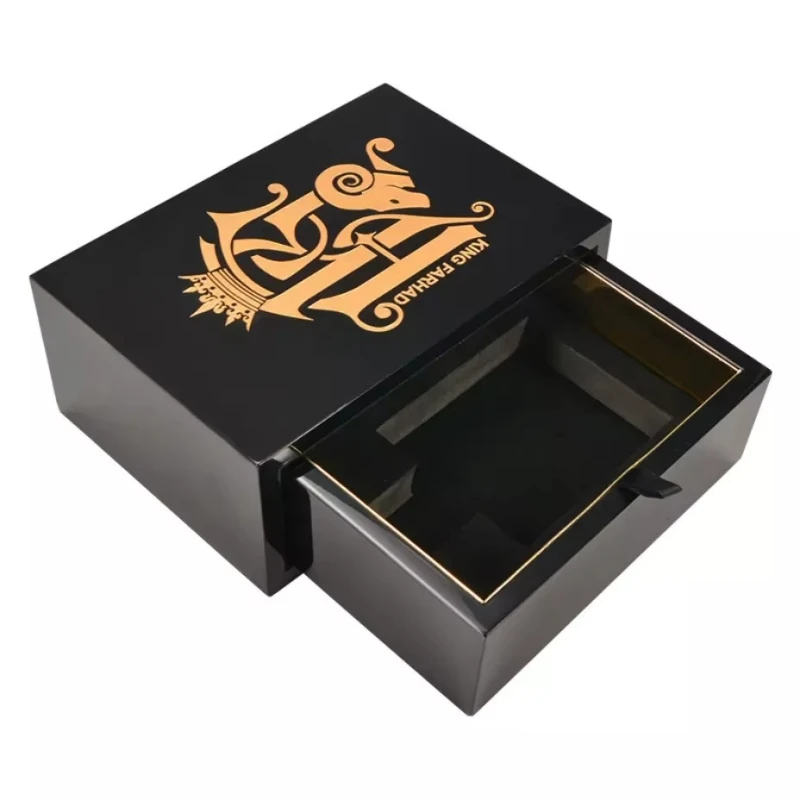
Wooden perfume boxes are ideal for temperature-sensitive regions because they slow temperature change, reduce pressure stress, and protect fragrance stability during transport and storage.
I have worked with perfume brands exporting to hot and unstable climates for more than 15 years. I have seen many packaging failures. I have also seen why wooden boxes quietly solve problems that paper and plastic cannot.
The following sections explain this from real production, shipping, and market feedback experience.
Why does wood act as a natural thermal buffer against temperature swings?
Heat does not damage perfume only because it is high. Damage happens when temperature changes too fast and too often.
Wood acts as a thermal buffer because it absorbs and releases heat slowly, creating a more stable environment around the perfume bottle.
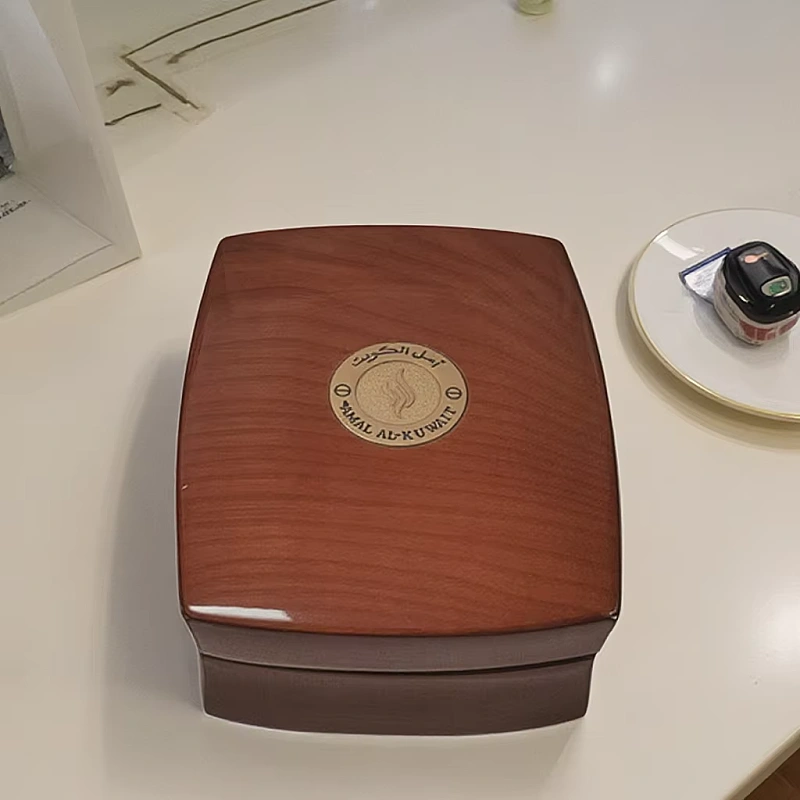
Wood has a cellular structure filled with tiny air pockets. These pockets slow heat transfer. When the outside temperature rises fast, wood does not heat up instantly. When the temperature drops, wood also cools down slowly. This delay is critical.
How heat moves through different materials
From my production experience, material choice directly affects how perfume feels temperature stress.
| Matériau | Heat Transfer Speed | Temperature Shock Risk |
|---|---|---|
| Plastique | Rapide | Haut |
| Carton | Medium to Fast | Moyen |
| Métal | Very Fast | Très élevé |
| Bois massif | Lent | Faible |
| MDF + placage | Lent | Faible |
Plastic and metal respond almost instantly to external heat. Paperboard is slightly better, but still thin. Wood behaves differently.
Why slow change matters more than insulation value
Many people misunderstand insulation. Wood is not a refrigerator. It does not cool perfume. What it does is slow change.
In real logistics, perfume does not face one constant temperature. It faces cycles:
- Cold air-conditioned warehouse
- Hot loading dock
- Warm truck
- Cooler airplane cargo hold
- Hot destination warehouse
Each switch causes stress. Wood smooths these transitions.
What I see in real export cases
In Middle East shipments, daytime heat can exceed 45°C. But damage often happens when products move in and out of air conditioning. Brands using wooden boxes report fewer issues during these transitions.
I once worked with a niche perfume brand shipping to Dubai and Riyadh. After switching from rigid paper boxes to wooden boxes, leakage complaints dropped within one season. The formula did not change. Only the box did.
Wood creates time. That time protects perfume.
How do wooden boxes protect perfume from heat shock better than paper or plastic?
Heat shock happens when temperature changes faster than the perfume system can adapt.
Wooden boxes protect perfume from heat shock by slowing expansion and contraction inside the bottle and reducing stress on seals.
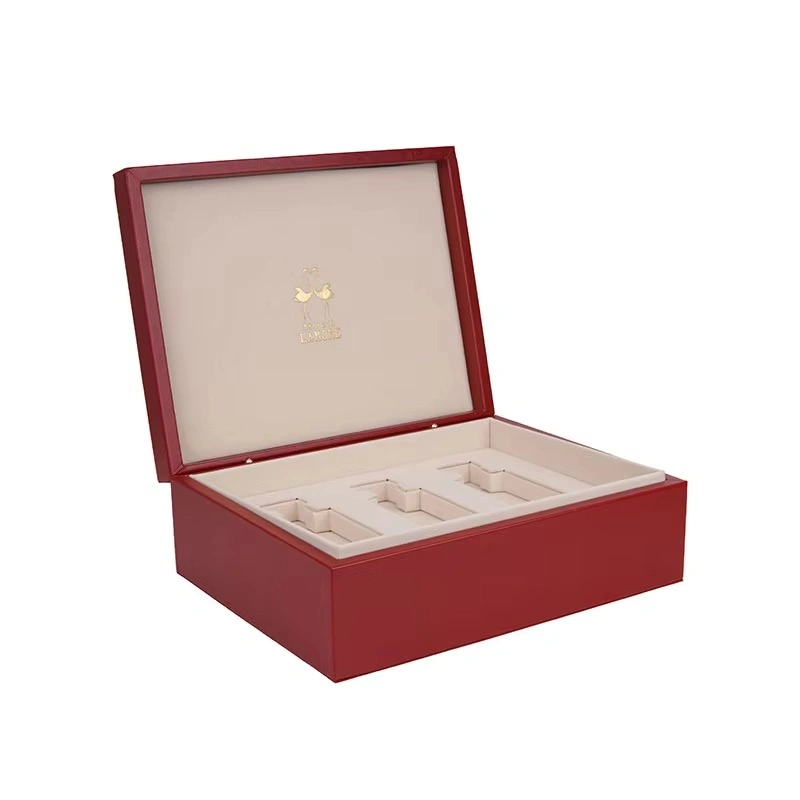
Heat shock is not visible at first. But its effects appear later as leaks, loose caps, or scent imbalance.
The weak points of perfume packaging
Every perfume bottle has vulnerable areas:
- Spray valve
- Gasket or seal
- Collier serti
- Cap fit
When temperature rises quickly, liquid expands. Air expands faster. Pressure pushes outward.
Why thin packaging fails
Paper and plastic offer almost no resistance to fast heat change. The bottle feels the full impact of external temperature shifts.
This leads to:
- Sudden pressure spikes
- Micro leaks at the valve
- Cap loosening
- Alcohol vapor loss
Over time, these small failures become real defects.
How wooden boxes change the pressure curve
Wood slows heat entry. This slows liquid expansion. Pressure increases more gently.
I often explain this to clients using a simple idea:
Fast pressure is dangerous. Slow pressure is manageable.
Real-world comparison from my projects
In Southeast Asia shipments, one client tested three pack types:
- Plastic clamshell
- Rigid paper box
- Lacquered wooden box
After 60 days of mixed transport and storage:
- Plastic showed the highest leakage rate
- Paper showed moderate evaporation
- Wooden boxes showed almost no visible issues
The bottle stayed the same. The box made the difference.
Wooden boxes also protect during daily use
Even after sale, customers bring perfume from cool rooms to hot outdoor environments. Wooden boxes continue to reduce shock during storage at home or in shops.
Wood works quietly. It does not look technical. But it protects in ways other materials cannot.
Why is temperature stability more important than absolute temperature for perfume?
Many people focus on how hot a place is. In perfume preservation, this is the wrong question.
Temperature stability matters more than absolute temperature because repeated thermal cycling damages perfume faster than steady heat.
Perfume formulas are complex. Alcohol, water, aroma compounds, and natural extracts all react to stress differently.
What thermal cycling does to perfume
Thermal cycling means repeated heating and cooling. This causes:
- Ingredient separation
- Faster oxidation
- Top note degradation
- Color changes
Even if peak temperature is not extreme, repetition causes damage.
Why stable heat can be less harmful
I have seen perfumes stored at a steady 35°C perform better than perfumes moved daily between 20°C and 40°C.
Consistency reduces stress. Instability accelerates breakdown.
Role of wooden boxes in stabilizing micro-climate
Wood creates a micro-environment around the bottle. Inside the box:
- Temperature changes slower
- Pressure changes smoother
- Humidity swings are reduced
This stability protects sensitive ingredients.
Natural ingredients need extra care
Many high-end perfumes use:
- Huiles naturelles
- Resins
- Botanical extracts
These ingredients are more fragile. They react badly to fast change.
From my experience with niche brands, wooden packaging helps maintain:
- Top note clarity
- Heart note balance
- Cohérence des couleurs
Why this matters for brand reputation
Customers may not know why a perfume feels “off.” They only know they are unhappy.
Returns increase. Complaints rise. Brand trust suffers.
By improving temperature stability, wooden boxes protect not only perfume, but also brand image.
This is why many luxury brands accept higher packaging costs. Stability protects long-term value.
How does wood reduce evaporation and pressure stress in hot climates?
Evaporation is slow, silent, and expensive for perfume brands.
Wood reduces evaporation and pressure stress by slowing vapor movement and limiting sudden internal pressure changes.
Evaporation does not always cause leaks. Sometimes the liquid level drops without visible damage.
Why evaporation happens faster in heat
Heat increases vapor pressure. Alcohol wants to escape. Weak points allow it to pass slowly.
Common causes include:
- Micro gaps in spray valves
- Cap fit tolerance
- Seal aging under stress
Thin packaging accelerates loss
When packaging heats fast, vapor pressure spikes quickly. This pushes vapor outward.
Plastic and paper offer no resistance to this process.
Wood acts as a pressure moderator
Wood slows heat transfer. Vapor pressure rises more slowly. Seals have time to adjust.
This reduces:
- Vapor loss
- Valve fatigue
- Gasket deformation
Evidence from long-term storage
I have clients storing perfume in African and South American climates. After one year:
- Paper box perfumes show noticeable weight loss
- Wooden box perfumes show minimal change
Weight loss equals money loss. It also equals scent change.
Humidity control is a hidden benefit
Wood also buffers humidity. While not airtight, it absorbs and releases moisture slowly.
This reduces condensation risk inside packaging, which can affect labels and closures.
Why this matters for distributors
Distributors in hot regions often store goods for months. Evaporation during storage reduces sellable volume.
Wooden boxes protect inventory value without active climate control.
This is a quiet advantage that many buyers only notice after comparing results.
Why do wooden boxes improve reliability in global distribution and storage?
Global logistics is unpredictable. Packaging must handle uncertainty.
Wooden boxes improve reliability because they perform consistently across changing climates, handling conditions, and storage environments.
Perfume may travel thousands of kilometers. No shipment experiences perfect conditions.
Common stress points in global distribution
From my export experience, problems happen during:
- Port delays
- Customs inspections
- Truck loading
- Last-mile delivery
- Retail storage
Each step adds risk.
Why wooden boxes reduce total risk
Wooden boxes provide:
- Structural protection
- Thermal buffering
- Pressure moderation
- Durabilité du stockage
This combination matters more than any single feature.
Comparison of packaging reliability
| Type d'emballage | Transport Stability | Climate Adaptability | Long-Term Storage |
|---|---|---|---|
| Plastique | Faible | Pauvre | Pauvre |
| Carton | Moyen | Moyen | Moyen |
| Boîte en bois | Haut | Haut | Haut |
Feedback from distributors
Distributors often tell me wooden boxes:
- Reduce damaged units
- Taux de retour plus faibles
- Improve shelf life confidence
They trust the product more. That trust affects reorders.
Reliability protects relationships
When shipments arrive without issues, business runs smoother. Fewer arguments. Fewer claims. Better partnerships.
For brands selling into temperature-sensitive regions, reliability is not optional.
Wooden boxes help perfumes survive the real world, not just the factory.
Conclusion
Wooden perfume boxes create thermal calm, reduce pressure stress, and protect fragrance integrity, making them ideal for unstable and hot climates worldwide.
Nom de marque : WoodoBox
Slogan : Boîtes en bois sur mesure, fabriquées à la perfection


 Français
  English
  Español
  Português
  Deutsch
  Italiano
  العربية