I know many beginners feel stressed when they pick up a cigar cutter for the first time because they fear cutting too much or ruining the wrapper.
You only need to remove a small piece of the cap to get a clean and smooth draw.
This simple step sets the tone for the whole smoking experience, so it helps to do it right.
A good cut gives you confidence before you light the cigar. I want to share what I learned from cigar makers and collectors during my years of building high-end wooden cigar boxes at WoodoBox. These insights will guide you in a clear and simple way.
How do you identify the correct part of the cigar—the cap—to cut before smoking?
Many people feel confused when they look at a cigar because they cannot tell where the cap ends and the wrapper begins.
The cap is the small, rounded piece of tobacco on the head of the cigar, and you should only cut the top layer of this cap.
If you cut deeper than the cap line, the wrapper may start to peel.

The cap is easy to find once you know what to look for. I remember when I first learned this from a cigar maker in Guangdong during a packaging project. He rolled a cigar slowly and showed me the three lines on the cap. That simple moment changed how I saw every cigar afterward.
What the cap looks like
You can see one, two, or sometimes three small circular seams. These seams mark the cap. Everything below the last seam should stay untouched. This design keeps the cigar together until you remove just enough to open it.
Why cutting the cap matters
A clean cut keeps the draw smooth. A deep cut may break the wrapper and make the cigar fall apart. Many cigar buyers who visit my factory often share the same problem: they cut too deep on their first try.
Quick reference table
| Fonctionnalité | Ce que vous devez remarquer | What You Should Cut |
|---|---|---|
| Seams | One to three lines | Only the topmost layer |
| Forme | Rounded tip | Avoid cutting past the curl |
| Texture | Légèrement plus épais | Cut just above the seam |
When you follow these points, you will always cut the right spot even if you are new to cigars. With practice, your hand becomes steady, and the motion feels natural.
What are the differences between straight cutters, punch cutters, and V-cutters, and when should each be used?
Many people wonder which cutter gives the best result because they all look useful.
Straight cutters give a wide opening, punch cutters create a small round hole, and V-cutters make a deep notch that increases airflow.
The right choice depends on how much draw you want and the cigar’s structure.
I spent years designing cigar boxes for brands in Europe and the U.S., and I often listened to customers talk about their preferred cutting styles. Some prefer the strong draw from a straight cut, while others enjoy the focused airflow from a punch cut.
Coupe droit
A straight cutter is the most common tool. It removes a clean slice from the cigar head. This is a good choice for almost all shapes.
Emporte-pièce
A punch cutter makes a small circle in the cap. It keeps the wrapper very stable. I like it for cigars that have fragile wrappers because it reduces the chance of cracking.
coupe-V
A V-cutter cuts a wedge into the cigar head. This gives a deeper channel for smoke. It is great for cigars with a tight draw.
Tableau comparatif
| Type de coupe | Style d'ouverture | Meilleur pour | Notes |
|---|---|---|---|
| Hétérosexuel | Full, wide | La plupart des cigares | Classic and simple |
| Coup de poing | Small, round | Firm caps | Keeps wrapper strong |
| Coupe en V | Deep notch | Tight draws | More flavor intensity |
When you match the cutter with the cigar type, you get better airflow and a more enjoyable smoking experience.
How can you make a clean, confident cut that avoids cracking or unraveling the wrapper?
Some people cut slowly because they are scared to damage the cigar.
A clean cut comes from a firm grip, a sharp blade, and one quick motion across the top of the cap.
A slow, hesitant cut often crushes the tobacco instead of slicing it.
I have seen this mistake many times when customers visit my production floor and try cutting cigars that come with their custom boxes. Their hands shake, and the wrapper cracks. But when they try again with steady pressure, the result looks clean and professional.
Steps for a clean cut
Step 1: Use a sharp cutter
A sharp blade slices cleanly. A dull blade squeezes the cigar. I always check blades in my packaging kits before sending them to clients.
Step 2: Hold the cigar near the head
Hold it close to the cap but not too tight. A gentle but stable grip stops the cigar from moving.
Step 3: Align the cutter with the cap line
Do not cut below the last seam. Stay above it.
Step 4: Cut in one quick motion
Push fast and straight. The speed gives a smooth finish.
Troubleshooting table
| Problème | Cause | Correction |
|---|---|---|
| Emballage fissuré | Cutter too dull | Use a sharper blade |
| Uneven cut | Slow motion | Cut in one quick press |
| Loose wrapper | Cut past the seam | Stay on the cap only |
When you practice these steps, cutting becomes more natural and enjoyable.
How does cigar shape affect where and how much you should cut?
Many beginners cut every cigar the same way, but shapes vary a lot.
You should cut less on tapered cigars and cut slightly more on straight cigars because each shape handles airflow differently.
Knowing this makes your smoking smoother and more consistent.
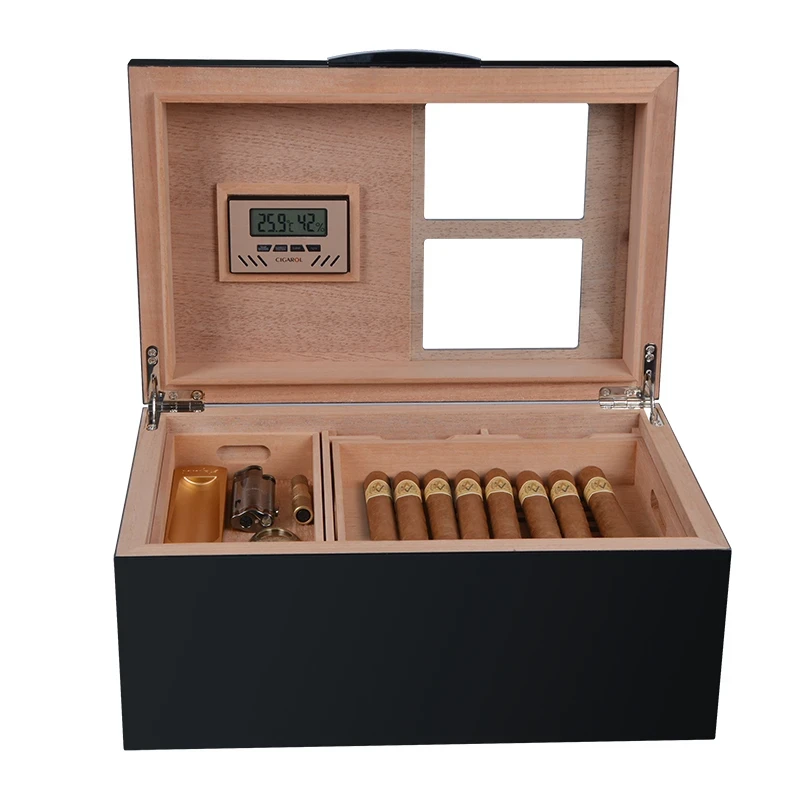
Over the years, I worked with many cigar factories that produce torpedoes, figurados, and parejos. Their rolling masters explained how each shape influences the draw. These small details helped me a lot, especially when designing custom cigar boxes that fit these shapes.
Straight cigars (Parejos)
These have a flat head. You can remove around 2–3 mm with no problem.
Torpedoes and Belicosos
These have a pointed head. Cut very little at first. If the draw is tight, cut a bit more.
Figurés
These have unique shapes. You only cut enough to open an even path for the smoke.
Shape reference table
| Forme | How Much to Cut | Tips |
|---|---|---|
| Parejo | 2-3 mm | Very stable structure |
| Torpedo | 1-2 mm | Increase gradually if needed |
| Figurado | Minime | Test draw after each small cut |
When you respect the cigar’s shape, you keep the wrapper safe and improve the airflow.
What common mistakes lead to a poor draw or damaged cigar, and how can you easily avoid them?
I see many people repeat the same errors when they cut their cigars.
The most common mistakes are cutting too deep, using a dull cutter, or cutting at an angle.
Avoiding these problems makes your smoking experience smoother from the first draw.
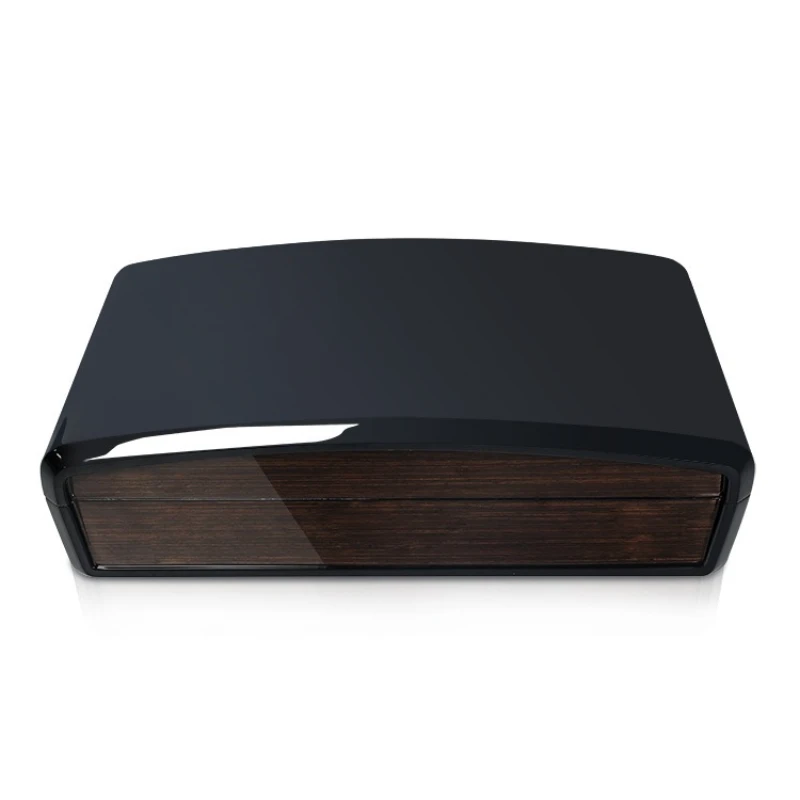
I learned these patterns from years of talking with cigar buyers who store their cigars in our high-gloss wooden boxes. Many beginners make the same mistakes, but they also fix them fast after understanding a few basic rules.
Mistake 1: Cutting past the cap seam
This exposes the wrapper and may cause unraveling. Always stay above the seam.
Mistake 2: Dull blade
A dull blade crushes tobacco. Keep your cutter clean and sharp.
Mistake 3: Cutting too much off
This causes a loose draw. You only need a small opening.
Mistake 4: Cutting at an angle
This creates uneven burning. Keep the cutter level.
Mistake and fix table
| Erreur | Résultat | Correction |
|---|---|---|
| Deep cut | L'emballage se défait | Coupez uniquement le bouchon. |
| Lame émoussée | Crushed tobacco | Replace or sharpen |
| Big cut | Overly loose draw | Trim less |
| Angle cut | Combustion inégale | Hold cutter straight |
These simple corrections help you get consistent results every time.
Conclusion
A small, clean cut protects the wrapper and gives a smooth draw every time.
WoodoBox – Boîtes en bois personnalisées, fabriquées à la perfection




 Français
  English
  Español
  Português
  Deutsch
  Italiano
  العربية