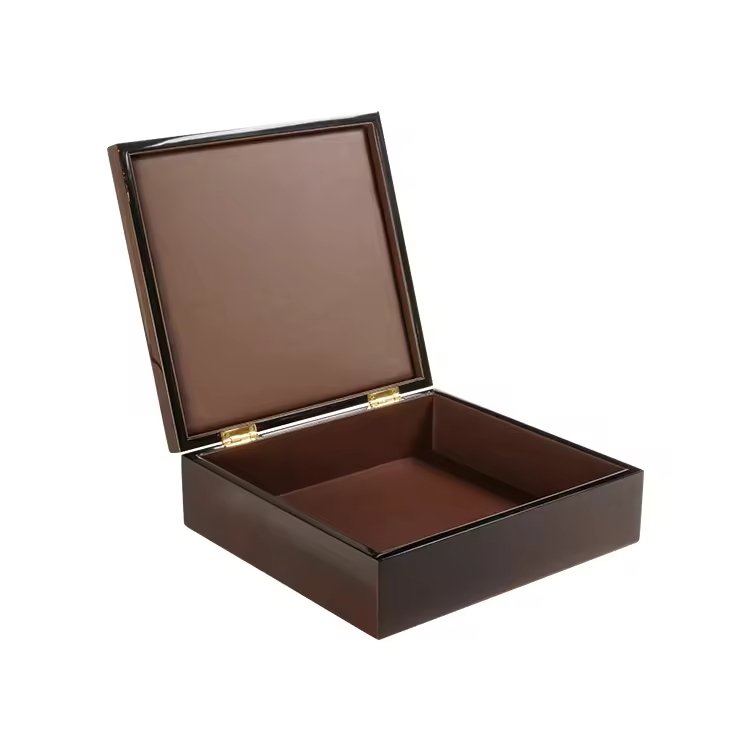
Aller au contenu
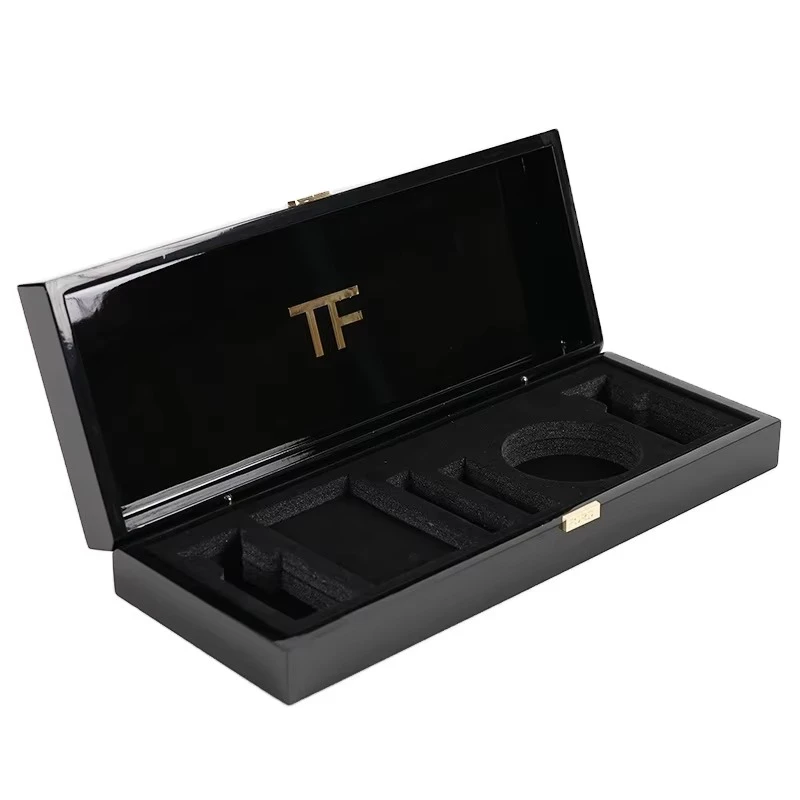
I have seen many rare perfumes fail in resale, not because of the scent, but because buyers did not trust what they saw. In the secondary market, small visual details often decide big money.
Packaging has a direct and measurable impact on the resale value of rare perfumes. It builds trust, proves authenticity, protects condition, and preserves the story behind the fragrance. In my experience, packaging can raise or destroy resale value before the bottle is even examined.
I want to walk you through how and why this happens, based on real cases I have seen while working with perfume brands, collectors, and resale buyers for over 15 years.
Why does original packaging act as proof of authenticity in the resale market?
Original packaging often becomes the first layer of trust between a buyer and a seller. Without it, doubts start immediately.
Many collectors today buy perfumes they cannot smell in advance. They rely on visual and historical signals. The box is one of the strongest signals available.
Original packaging works as physical evidence that a perfume is real and traceable. It connects the bottle to a brand, a release period, and a specific production logic.
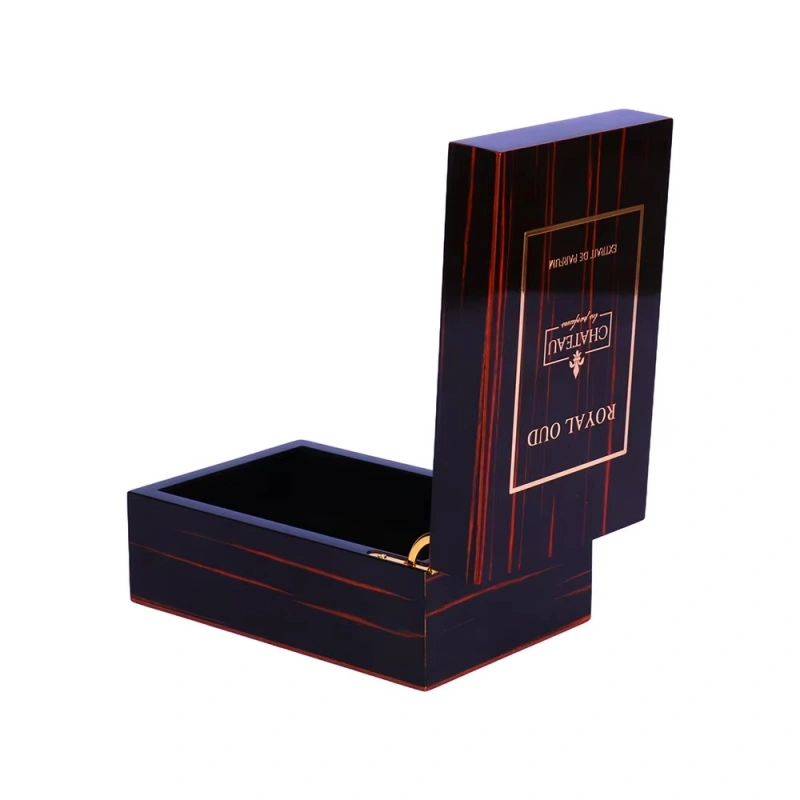
How buyers use packaging to judge authenticity
From what I have observed, buyers subconsciously follow a checklist. Packaging answers many of their questions before they ask them.
Key authenticity signals buyers look for
| Packaging Detail | What Buyers Assume |
|---|---|
| Correct box size | Bottle has not been swapped |
| Brand-consistent design | Matches official release |
| Material quality | Brand seriousness and budget |
| Aging consistency | Box and bottle age together |
| Original inserts | Completeness and care |
When packaging is missing, buyers start imagining worst-case scenarios. Was the bottle refilled? Was it exposed to light? Was it stored poorly? These doubts lower offers instantly.
Why wooden boxes strengthen authentication
Wooden boxes send a stronger signal than paper packaging. They are harder to fake cheaply. They are also harder to discard casually. When I see a wooden perfume box preserved after ten or fifteen years, I assume the owner cared from day one.
From resale feedback I have heard, buyers often say this directly: “If the wooden box is there, I feel safer.”
My personal observation from client feedback
I once worked with a niche perfume brand that used identical bottles for several releases. Only the wooden boxes differed. In the resale market, buyers relied on the box, not the bottle, to confirm which edition they were buying.
In that case, packaging did not support authenticity. It defined it.
How does packaging condition directly affect resale pricing and buyer confidence?
Condition is not just about how full the bottle is. It is about how the entire set looks and feels today.
Buyers judge risk very quickly. Packaging condition is a shortcut to evaluating that risk.
Good packaging condition reduces perceived risk, which increases buyer confidence and final pricing.
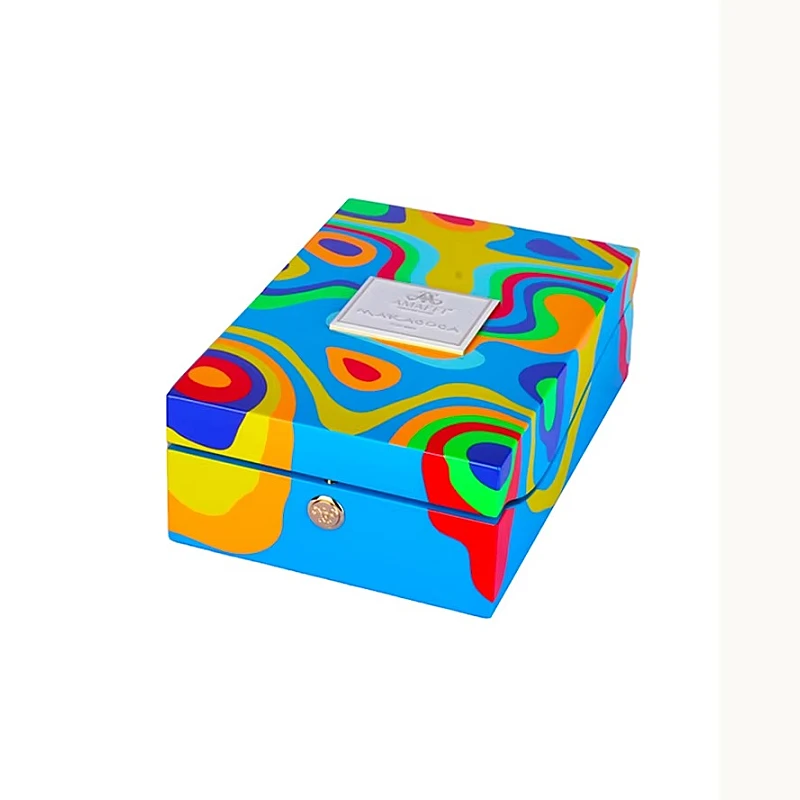
Why damaged packaging scares buyers
In my experience, buyers assume damaged packaging reflects poor storage. Even if the liquid looks fine, doubts remain.
Common buyer concerns include:
- Exposure to heat or sunlight
- Frequent handling and movement
- Poor humidity control
- Casual ownership behavior
Once these concerns appear, price negotiations begin aggressively.
Comparison of price impact based on packaging condition
| Packaging Condition | Typical Buyer Reaction | Resale Price Impact |
|---|---|---|
| Mint / near-mint | High trust | Full market price |
| Light wear | Acceptable | -5% to -10% |
| Visible damage | Doubtful | -15% to -30% |
| Missing box | Suspicious | -30% to -50% |
These numbers are not theoretical. They reflect real resale conversations I have witnessed.
Why wooden boxes age better than paper
Paper packaging ages fast and unevenly. It fades, yellows, collapses, and absorbs odor. Even when stored well, it often looks tired after years.
Wooden boxes age slowly. Minor scratches often look natural. Patina can feel intentional. This visual stability protects resale value.
I have seen wooden boxes that looked respectable after two decades. I rarely see paper boxes survive that long without obvious damage.
Confidence equals liquidity
When buyers feel confident, perfumes sell faster. Faster sales often mean better pricing. Sellers with strong packaging do not need to explain or justify as much. The product speaks for itself.
Why do rigid and wooden boxes outperform paper packaging in long-term value?
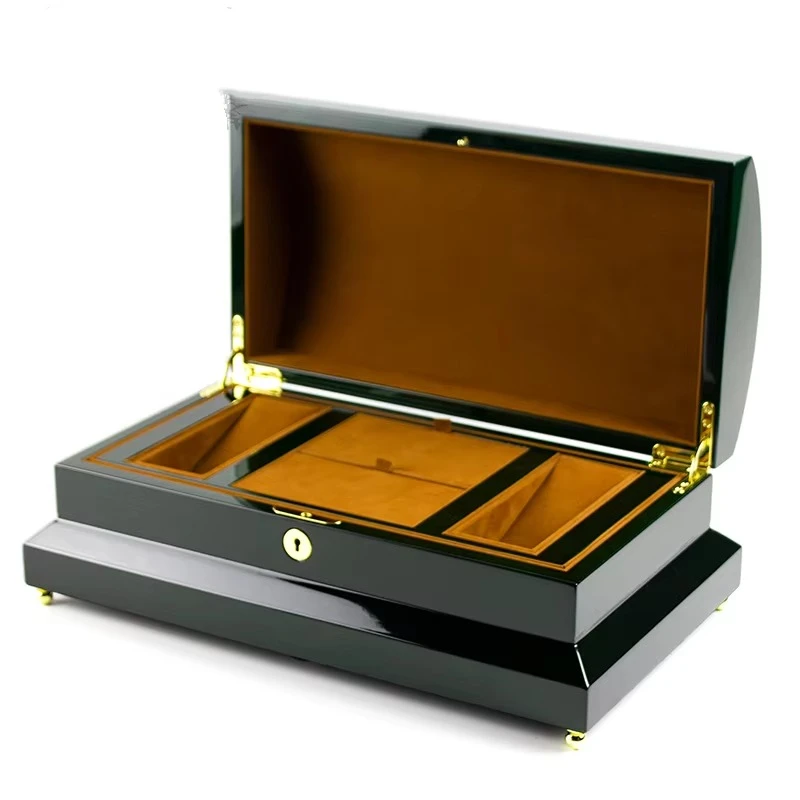
Rigid and wooden packaging does more than look premium. It actively protects the perfume and the resale narrative around it.
Long-term value depends on both physical protection and perceived care. Wooden boxes perform well in both areas.
Physical protection advantages
Wooden boxes create a stable micro-environment. Over time, this matters more than most people realize.
Protection factors offered by wooden boxes
- Reduced light exposure
- Better temperature stability
- Lower risk of bottle impact
- Reduced evaporation risk
- Stronger structural integrity
Collectors understand these factors. Even if they do not explain them scientifically, they feel the difference intuitively.
Perception of intent and brand positioning
Packaging communicates brand intent. When a brand chooses wood, buyers assume the perfume was meant to last.
This perception follows the perfume into the resale market. Buyers often believe:
- The perfume was designed for collectors
- Storage was considered from the start
- The brand expected long-term ownership
These beliefs increase willingness to pay.
Comparison of packaging types over time
| Type d'emballage | Durabilité | Aging Appearance | Resale Support |
|---|---|---|---|
| Thin paper box | Faible | Pauvre | Faible |
| Rigid paper box | Moyen | Mixte | Modéré |
| Boîte en bois | Haut | Fort | Excellent |
My experience with resale-focused brands
I have worked with brands that switched from rigid paper to wooden boxes after seeing resale behavior. They did not do it for marketing. They did it because collectors asked for it.
Once the switch happened, resale prices stabilized. Complaints dropped. Brand reputation improved in collector forums.
Packaging choice became a long-term brand investment, not a cost.
How do limited-edition and numbered boxes increase collectibility and demand?
Scarcity only works when it can be proven. Packaging is often the proof.
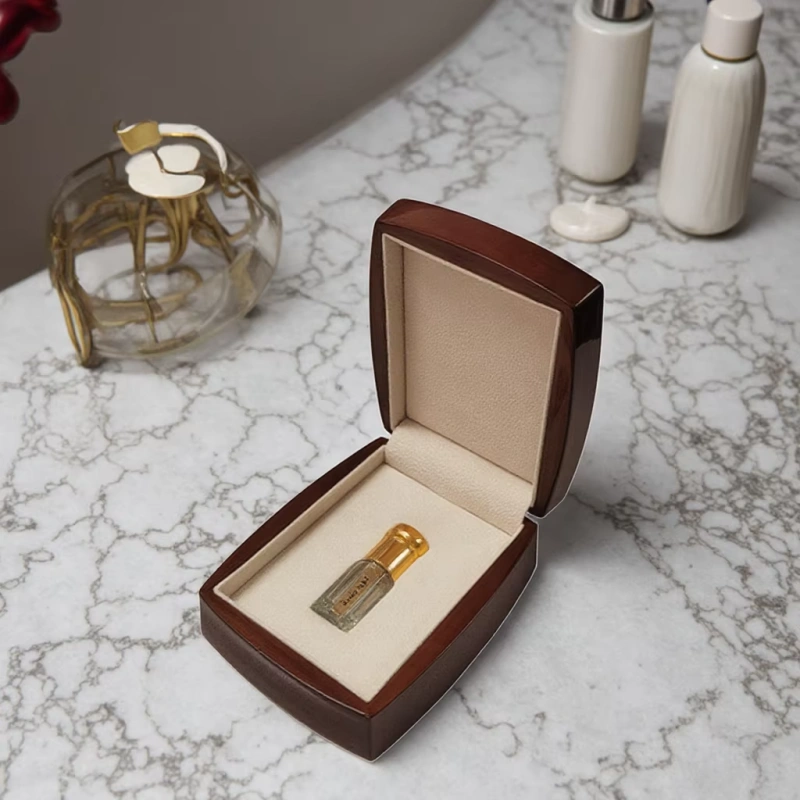
Numbered and limited-edition boxes turn perfumes into documented objects, not just consumables.
Why numbering matters to collectors
Collectors want certainty. A number carved, printed, or engraved on a box provides that certainty.
It answers key questions:
- How many exist?
- Where does this one sit in the series?
- Is this part of the original release?
Without the box, these answers disappear.
Psychological impact of numbered wooden boxes
In my conversations with collectors, numbered wooden boxes trigger emotional responses:
- Ownership pride
- Completion desire
- Status recognition
- Fear of missing out
These emotions drive higher bids.
Observed resale behavior with numbered packaging
| Scénario | Buyer Interest | Price Outcome |
|---|---|---|
| Bottle only | Faible | Discounted |
| Bottle + box | Moyen | Market average |
| Numbered wooden box | Haut | Premium pricing |
I have seen cases where a half-full bottle sold for more than a full bottle simply because the numbered wooden box was included.
My role in creating verifiable scarcity
As a packaging manufacturer, I help brands design boxes that make scarcity visible and durable. Laser numbering, metal plaques, and engraved wood all survive time better than paper labels.
When scarcity survives, value survives.
Why do collectors pay more for perfumes with complete, well-preserved packaging?
Collectors do not buy perfume the same way consumers do. They buy meaning, history, and completeness.
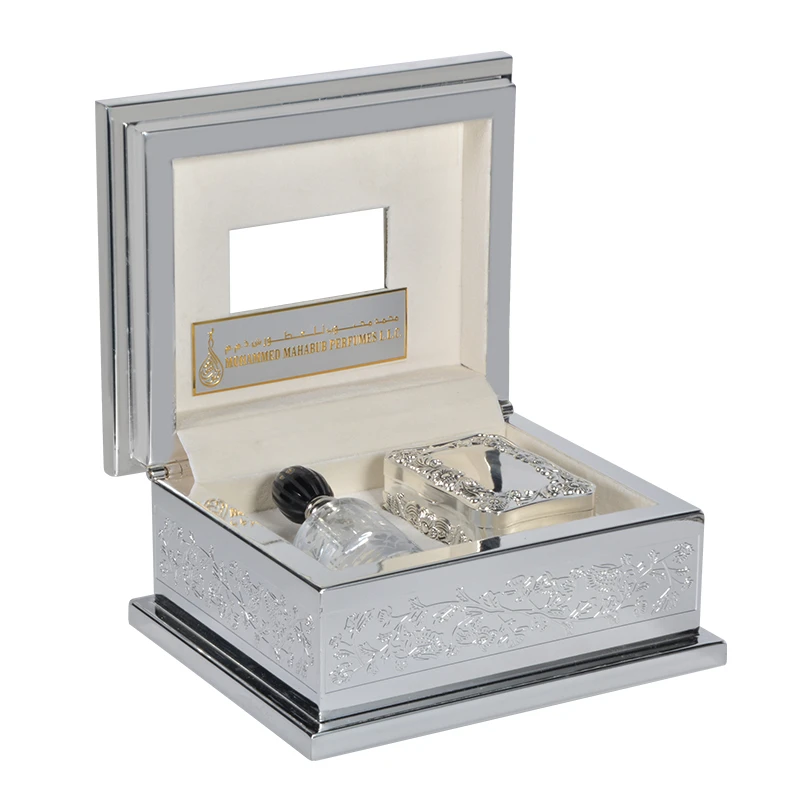
Complete packaging turns a perfume into a finished story.
Completeness as a value multiplier
A complete set usually includes:
- Boîte d'origine
- Inner supports
- Booklets or cards
- Numbering or certificates
Each missing element reduces emotional and financial value.
Emotional logic behind higher prices
From what collectors have told me, complete packaging makes them feel:
- Closer to the original release moment
- More connected to the brand vision
- More confident in long-term ownership
This emotional comfort has a price.
Story preservation through durable packaging
Packaging carries design language from a specific time. Fonts, materials, colors, and construction all tell a story.
Wooden boxes preserve this story better than fragile materials. They do not just survive. They age with dignity.
My long-term observation
Over many years, I have seen one pattern repeat. Perfumes with complete, well-preserved wooden packaging rarely struggle in resale. Even in slow markets, they attract attention.
Incomplete sets sit longer. They invite negotiation. They lose authority.
Conclusion
Packaging does not follow resale value. It leads it. For rare perfumes, strong, complete, and durable packaging turns scent into a lasting asset.
Nom de marque : WoodoBox
Slogan : Boîtes en bois sur mesure, fabriquées à la perfection



 Français
  English
  Español
  Português
  Deutsch
  Italiano
  العربية