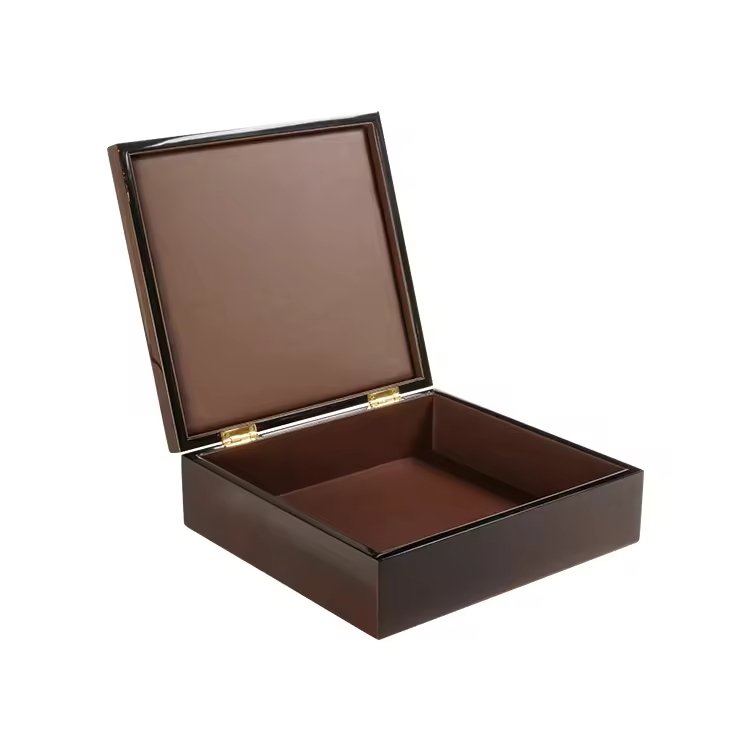
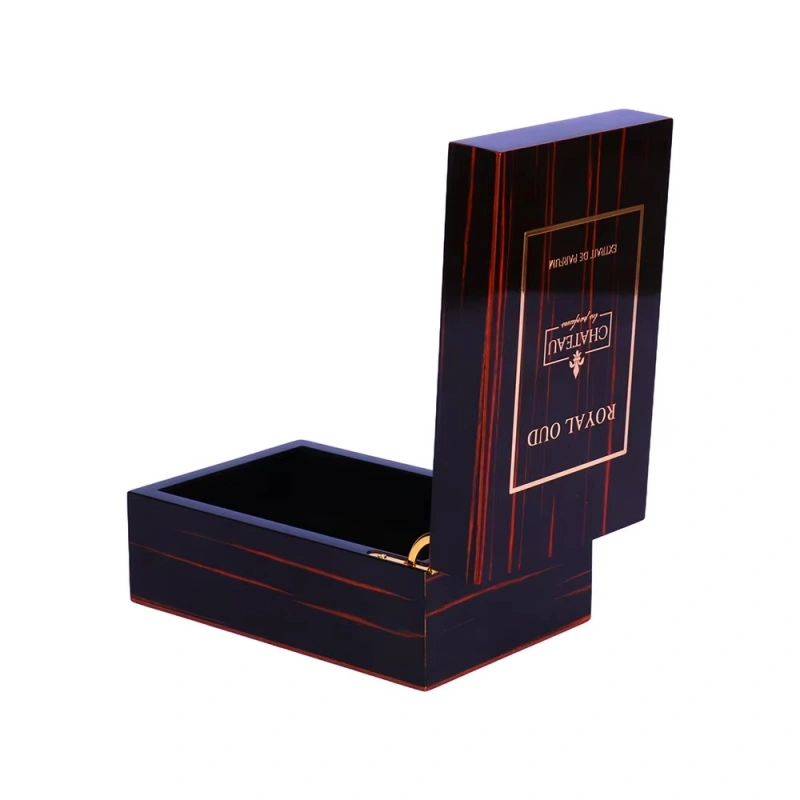
Cold climates quietly damage perfume during storage and transport. Many brands only focus on heat. I have seen cold cause leaks, oxidation, and formula stress when packaging fails.
Wooden boxes provide insulation by slowing temperature change, reducing thermal shock, and keeping perfume chemistry stable rather than warm.
This difference matters more than many buyers expect. Once you understand how wood behaves in cold environments, you start to see why it protects value during winter shipping and storage.
How does the cellular structure of wood slow down heat loss in cold environments?
Cold air moves fast. Many packaging materials let that cold pass straight through. Wood behaves very differently at a structural level.
Wood slows heat loss because its cellular structure traps air, and air resists temperature transfer.
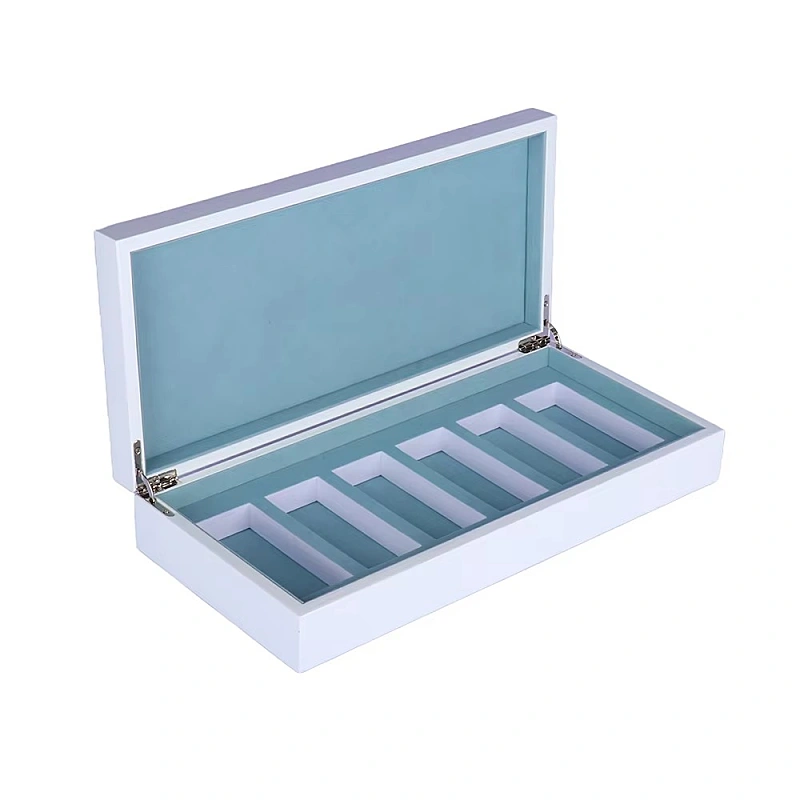
Wood is not a solid mass. Inside every wooden panel are countless tiny cells. These cells once carried water and nutrients when the tree was alive. After drying, they become sealed air pockets.
How wood’s structure works in cold conditions
Air is one of the weakest conductors of heat. When cold surrounds a wooden box, heat does not rush out of the inside. Instead, the cold must move slowly from cell to cell.
I have tested this many times in real shipments. When a perfume bottle sits inside a wooden box, the temperature inside drops much slower than the outside air.
This delay is critical.
What happens during sudden cold exposure
When a package moves from room temperature into winter air, several things happen at once:
- External temperature drops quickly
- Internal temperature drops slowly
- The liquid perfume lags behind both
Wood creates a buffer zone. This buffer reduces stress on both glass and liquid.
Why thin materials fail faster
To make this clearer, I often explain it to buyers with a simple comparison:
| Packaging Material | Heat Transfer Speed | Behavior in Cold |
|---|---|---|
| Plastic shell | Rapide | Becomes brittle |
| Paper box | Rapide | Loses strength |
| Thin cardboard | Très rapide | No insulation |
| Boîte en bois | Lent | Stable and calm |
Plastic and paper transmit cold almost immediately. Wood resists it.
Real experience from production
In one export project to Northern Europe, we shipped identical perfume bottles in different outer packages for testing. The wooden box versions reached low internal temperature hours later than paper box versions.
That delay reduced seal stress and leakage complaints. The brand noticed the difference after one winter season.
From my experience, the cellular structure of wood does not block cold. It slows it. That is exactly what perfume needs.
Why do wooden boxes reduce thermal shock during sudden temperature drops?
Thermal shock happens when temperature changes faster than materials can adjust. In cold climates, this is one of the biggest hidden risks.
Wooden boxes reduce thermal shock by slowing the speed of temperature change rather than stopping it completely.
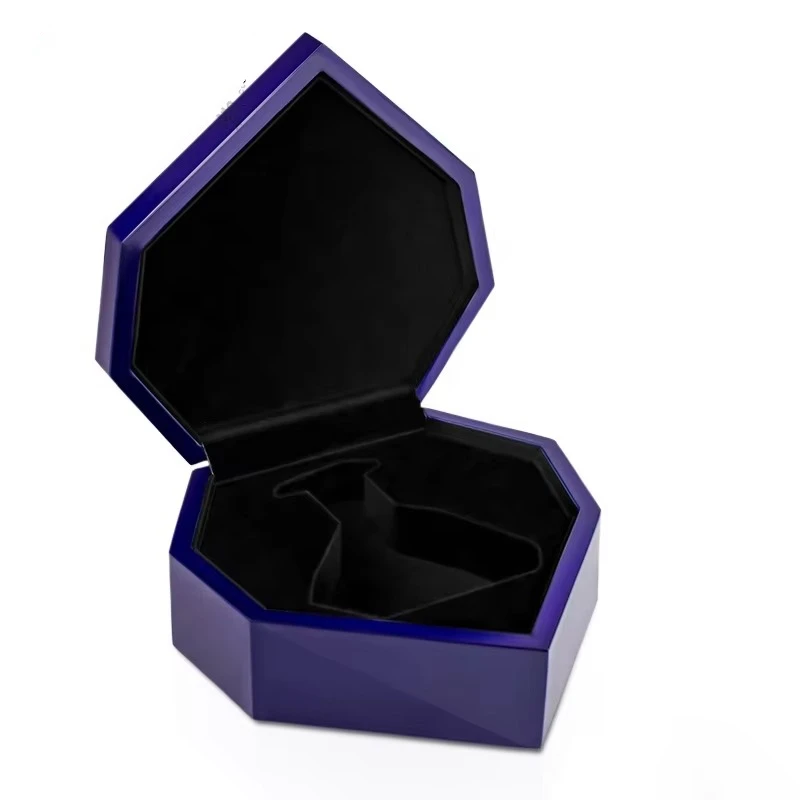
Many buyers assume insulation means keeping things warm. That is not true for perfume. The real danger is sudden change.
What thermal shock does to perfume packaging
When temperature drops fast, several stresses happen at the same time:
- Glass contracts
- Liquid volume shrinks
- Air inside the bottle compresses
- Seals experience pressure imbalance
This combination creates risk.
I have seen winter shipments where bottles arrived intact, but seals had micro-leaks. These leaks were invisible at first but caused oxidation later.
Why gradual change matters more
Wood does not trap heat forever. Instead, it creates a delay. This delay allows:
- Glass to contract evenly
- Liquid to adjust slowly
- Pressure inside the bottle to balance
This is the key difference.
Plastic packaging allows cold to hit instantly. Wood spreads the change over time.
Internal pressure and oxygen entry
One problem many brands overlook is oxygen entry. Rapid cooling pulls air inward. When temperatures normalize, oxygen remains inside the bottle.
This accelerates oxidation.
From client feedback, winter leakage and oxidation complaints often come together. When we add wooden outer packaging, both decrease.
Wood as a shock absorber, not a heater
I always explain this clearly to buyers:
- Wooden boxes do not keep perfume warm
- Wooden boxes keep perfume stable
Stability protects fragrance chemistry and presentation.
Design factors that improve shock resistance
In our projects, we adjust several factors for cold climates:
- Wall thickness
- Internal cavity size
- Cushioning material choice
Voici un exemple simple :
| Élément de conception | Cold Climate Adjustment |
|---|---|
| Wall thickness | Increased by 10–20% |
| Inner fit | Slight clearance |
| Lining material | Low-compression velvet |
These changes improve thermal buffering without large cost increases.
Thermal shock does not announce itself. It shows up later as quality issues. Wooden boxes reduce this risk quietly and reliably.
How does insulation help protect perfume chemistry in cold climates?
Perfume chemistry is sensitive. Cold does not destroy it instantly, but stress accumulates over time.
Insulation protects perfume chemistry by reducing cold shock, slowing crystallization, and limiting oxidation risk.
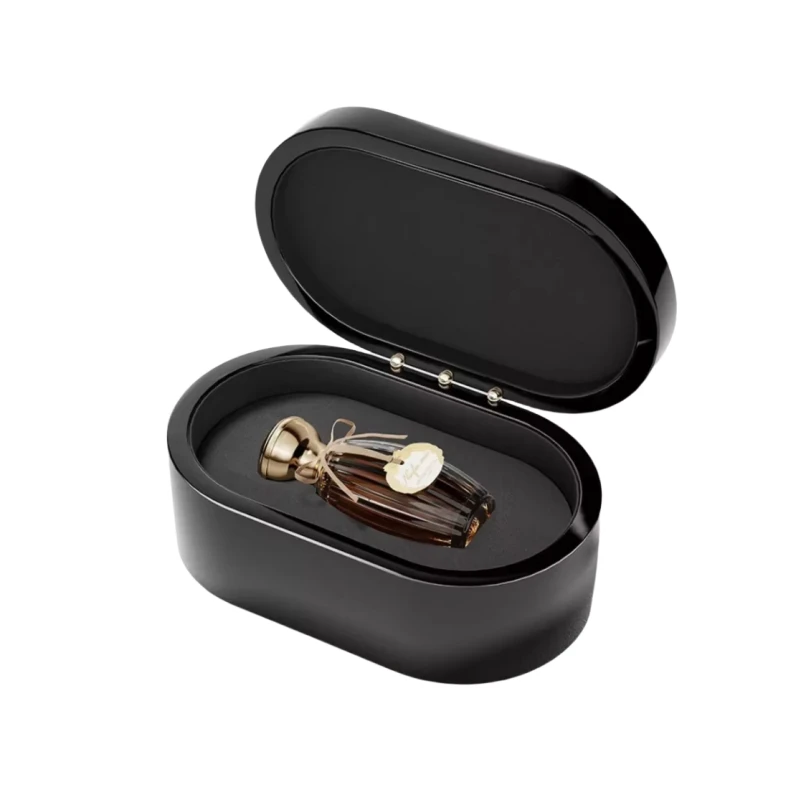
Many buyers focus on bottle protection. Chemistry protection is equally important.
What cold does to fragrance ingredients
In cold environments, several chemical changes can happen:
- Essential oils thicken
- Natural resins crystallize
- Volatile compounds separate
- Alcohol density changes
Most of these changes are reversible. The problem is repetition.
Repeated cold stress causes long-term damage
When perfume experiences repeated cold shock during transport and storage, the formula becomes unstable over time.
I have seen this with niche fragrances that use higher natural oil content. After multiple winter cycles, the scent profile shifts slightly.
This is not dramatic. It is subtle. But premium customers notice.
Why wooden insulation helps chemistry
Wood slows temperature movement. This gives ingredients time to adapt.
Instead of freezing quickly, the perfume cools gradually. Instead of sudden thickening, oils adjust slowly.
This reduces internal separation stress.
Oxidation risk during temperature recovery
Cold itself is not the only issue. Warming back up is also risky.
If oxygen enters during cooling, oxidation accelerates during warming. This damages top notes first.
Wooden boxes reduce this risk by:
- Limiting pressure imbalance
- Reducing seal stress
- Slowing air movement
Plastic vs wood for chemical stability
From years of testing and feedback:
| Outer Packaging | Chemical Stability |
|---|---|
| Plastic shell | Low in cold |
| Paper carton | Très faible |
| Boîte en bois | Haut |
Wood creates a calmer environment. Chemistry prefers calm.
My personal takeaway
After 15 years working with perfume brands, I have learned one thing. Formula protection is not only about ingredients. It is about environment.
Wooden boxes create a controlled micro-environment without technology. That is rare and valuable.
Why is gradual temperature change more important than absolute warmth?
Many buyers ask me how warm a wooden box keeps perfume. That is the wrong question.
Gradual temperature change matters more than absolute warmth because perfume tolerates cold better than sudden stress.

Perfume is designed to survive a wide temperature range. What it cannot handle well is shock.
The difference between cold and shock
Cold is a condition. Shock is an event.
A perfume stored steadily at low temperature is often fine. A perfume that drops 20 degrees in one hour is not.
Wood addresses the event, not the condition.
Why heating is not the solution
Some brands consider active heating or insulated liners. These add cost and complexity.
In many cases, they also create new risks:
- Condensation
- Uneven warming
- Material incompatibility
Wood avoids these problems by being passive.
Gradual change protects every component
Slow temperature change protects:
- Glass bottle
- Pump mechanism
- Seal materials
- Liquid composition
Everything moves together.
How buyers misunderstand insulation
Many buyers equate insulation with warmth. In packaging, insulation means resistance to change.
This applies to both heat and cold.
A simple analogy I use
I often explain it this way:
Dropping into icy water shocks the body. Walking slowly into cold water is uncomfortable but safe.
Perfume behaves the same way.
Packaging strategy for cold regions
For brands selling in cold regions, I recommend focusing on:
- Stability over warmth
- Delay over blockage
- Consistency over extremes
Wooden boxes align with this strategy naturally.
Absolute warmth is expensive. Gradual change is efficient.
How can wooden box design improve cold-climate storage and transport stability?
Design decisions amplify the insulating benefits of wood. Small changes make large differences.
Wooden box design improves cold-climate stability through thickness control, internal fit, and material pairing.
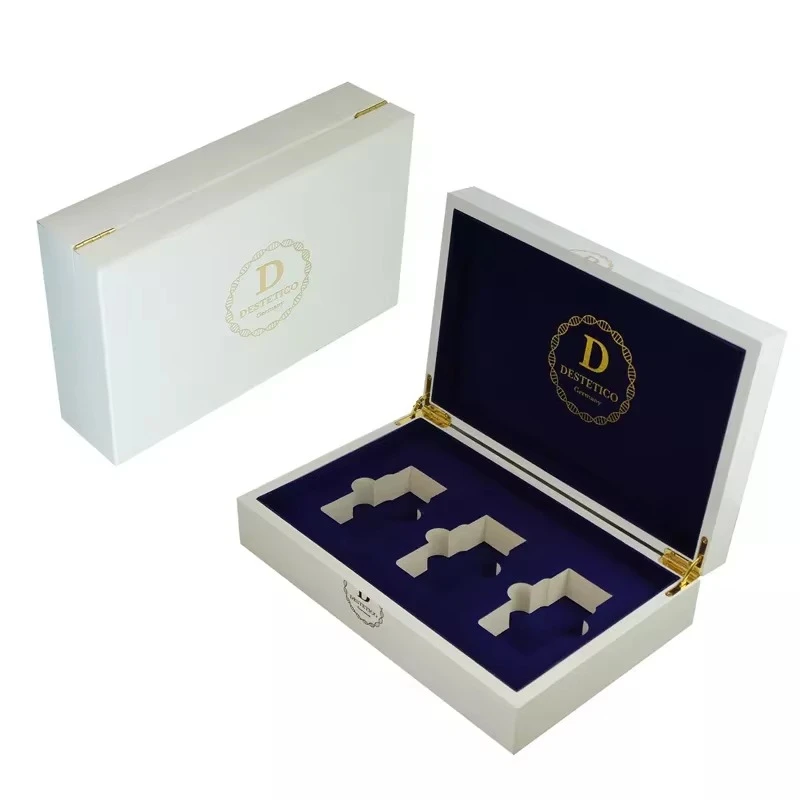
I treat cold-climate projects differently from standard ones.
Key design elements that matter
There are three main design areas:
1. Wall thickness
Thicker walls mean more air cells. More air cells mean slower heat movement.
I usually increase wall thickness by 10–20% for cold destinations.
2. Internal cavity design
Tight fits transfer cold faster. Slight clearance allows air buffering.
This does not mean loose packaging. It means controlled space.
3. Lining materials
Soft linings add another insulation layer. Velvet and PU behave better than bare wood.
Typical cold-climate design setup
| Composant | Standard Design | Cold-Climate Design |
|---|---|---|
| Wall thickness | 8–10 mm | 10–12 mm |
| Inner clearance | Serré | Slight buffer |
| Lining | En option | Recommended |
| Closure | Magnetic | Magnetic + tolerance |
These adjustments are subtle. They are not visible to consumers. They matter during transport.
Transport and storage reality
Cold exposure happens in places buyers do not see:
- Unheated trucks
- Airport cargo zones
- Winter warehouses
- Last-mile delivery
Packaging must handle all of them.
Cost vs risk balance
Many buyers worry about cost. From my experience, cold-climate design adjustments increase cost far less than product loss.
Leakage returns cost more than thicker wood.
Long-term brand protection
Premium brands sell trust. Packaging that protects fragrance integrity supports that trust.
Wooden boxes are not decoration. They are part of product protection.
My final design philosophy
I design wooden boxes to behave calmly in unstable environments. Cold climates are unstable by nature.
Wood responds with patience. That patience protects everything inside.
Conclusion
Wooden boxes protect perfume in cold climates by slowing temperature change, reducing shock, and keeping chemistry stable. In winter logistics, stability matters more than warmth.
WoodoBox
Boîtes en bois sur mesure, fabriquées à la perfection

 Français
  English
  Español
  Português
  Deutsch
  Italiano
  العربية