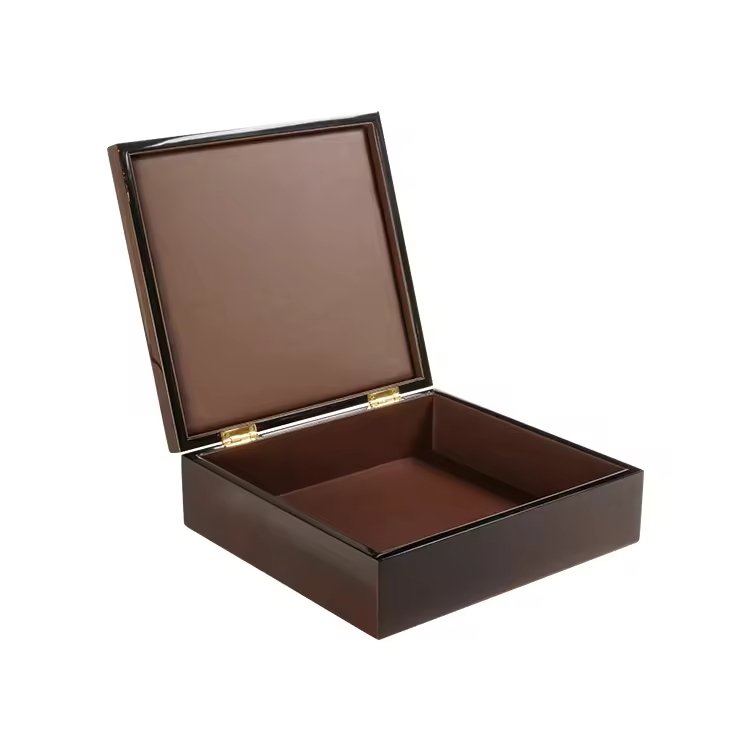
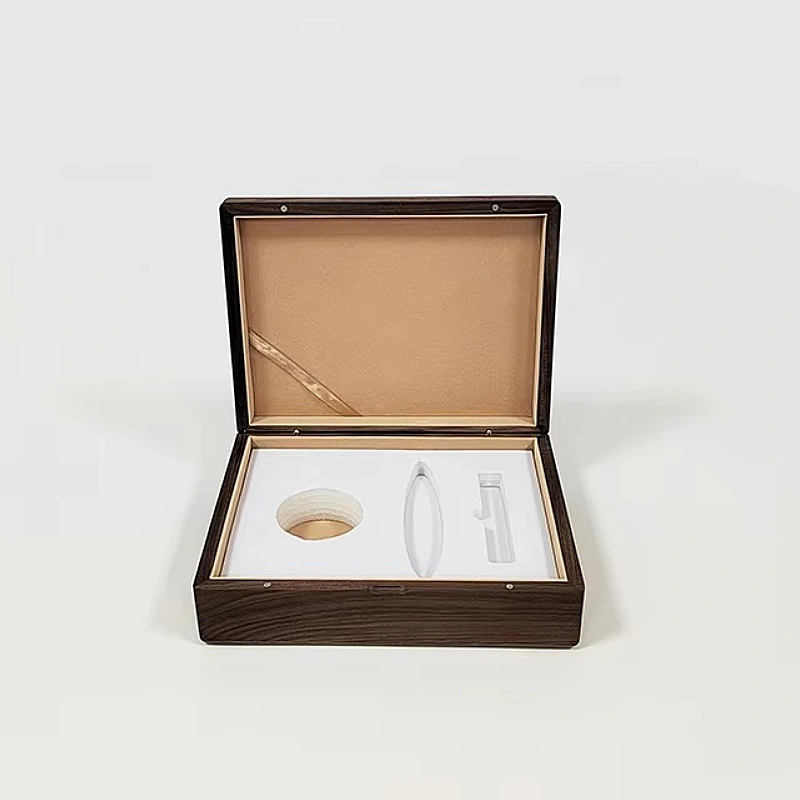
Many perfume brands struggle with repeat purchases. The scent is good, but customers disappear. I have seen how packaging quietly solves this problem.
Yes, a wooden box can increase repeat purchases. It works by shaping memory, trust, and emotion over time, not by visual impact alone.
If you keep reading, I will explain exactly how this happens, based on my real experience working with premium perfume brands for over 15 years.
How does a wooden box influence long-term brand memory after the first purchase?
A customer may love your perfume today, but forget your brand tomorrow. This is where memory decides repeat purchases.
A wooden box builds long-term brand memory by staying physically present long after the perfume is finished.
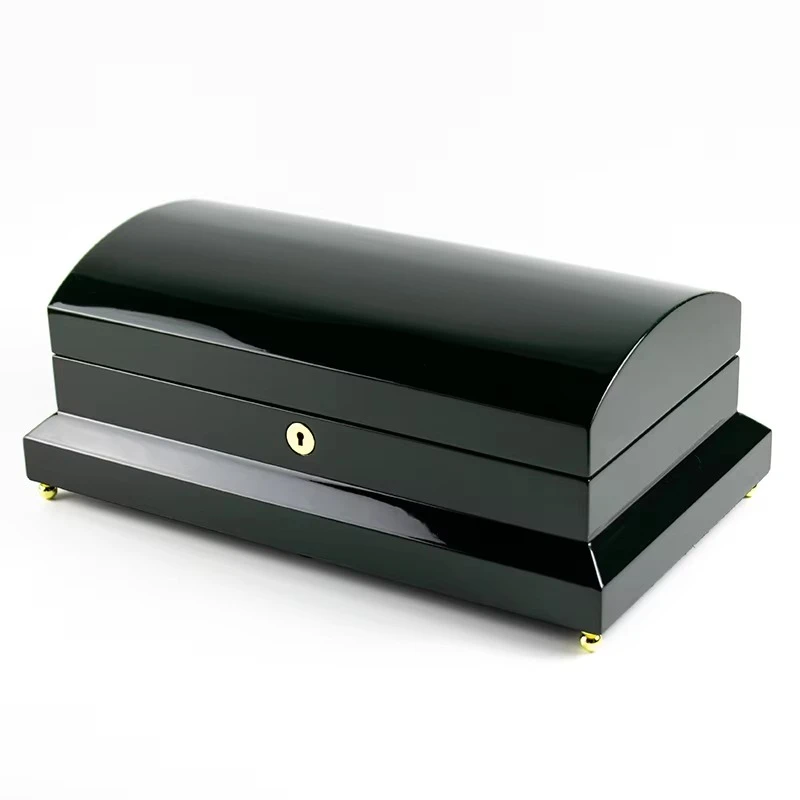
When paper packaging is thrown away, the brand disappears with it. Wooden boxes stay. They sit on shelves. They get reused. They become visible reminders.
Why memory matters more than scent alone
I have worked with many perfume brands. Most scents are good. Some are excellent. But memory is the real battlefield.
Customers often remember:
- The feeling of opening the box
- The weight in their hands
- The sound of the lid
- The smell of wood mixed with fragrance
These memories stay longer than the scent itself.
Physical presence creates mental recall
A wooden box does something paper cannot do. It occupies space in daily life.
I have seen customers use perfume boxes as:
- Rangement pour bijoux
- Desk organizers
- Display items
- Keepsake boxes
Every use triggers brand recall.
Paper box vs wooden box memory impact
| Type d'emballage | Time Before Disposal | Long-Term Recall | Daily Visibility |
|---|---|---|---|
| Paper carton | Days or weeks | Faible | Aucun |
| Boîte en bois | Months or years | Haut | Frequent |
This difference directly affects repeat purchases.
My observation from real brand feedback
Clients often tell me:
- “Customers still talk about the box.”
- “People remember our packaging clearly.”
- “They recognize us instantly next time.”
That recognition reduces hesitation when buying again.
Memory reduces decision effort
When customers shop again, they do not want to think too much. Familiar brands feel safe.
A wooden box keeps the brand familiar. That familiarity turns into repeat action.
Why does durable packaging extend the brand experience beyond the perfume itself?
Many brands think the experience ends when the perfume bottle is empty. This is a mistake.
Durable packaging extends the brand experience long after product consumption ends.
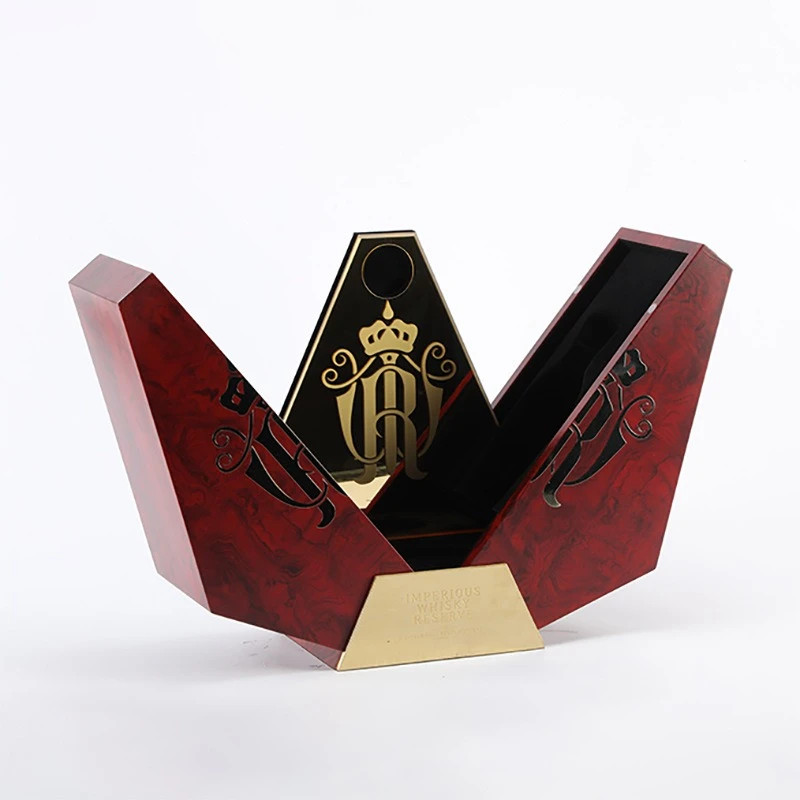
Perfume is temporary. A wooden box is not.
The lifespan gap between product and packaging
Perfume may last:
- 1 month
- 3 months
- 6 months
A wooden box may last:
- 5 years
- 10 years
- A lifetime
This gap matters.
Packaging becomes part of daily life
Once the perfume is gone, the box often stays.
I have seen customers:
- Store watches inside
- Keep letters or photos
- Place it on open shelves
The brand stays visible without advertising.
Brand exposure without marketing cost
This is silent marketing.
No ads.
No campaigns.
No discounts.
Just presence.
Comparison of experience duration
| Élément | Experience Duration |
|---|---|
| Perfume scent | Temporary |
| Bottle usage | Short-term |
| Wooden box presence | Long-term |
This extended experience increases emotional familiarity.
Why this matters for niche perfume brands
Small and niche brands lack massive ad budgets. Packaging must work harder.
A wooden box:
- Carries brand values
- Shows intention
- Signals seriousness
It keeps the brand alive between purchases.
My production insight
When brands choose thicker walls, better hinges, and proper finishes, customers keep the box longer.
Durability equals respect.
Customers feel respected.
They remember who respected them.
How does emotional attachment to packaging affect repurchase behavior?
Repeat purchases are emotional decisions. Logic comes later.
Emotional attachment to packaging creates comfort, and comfort leads to repurchase.
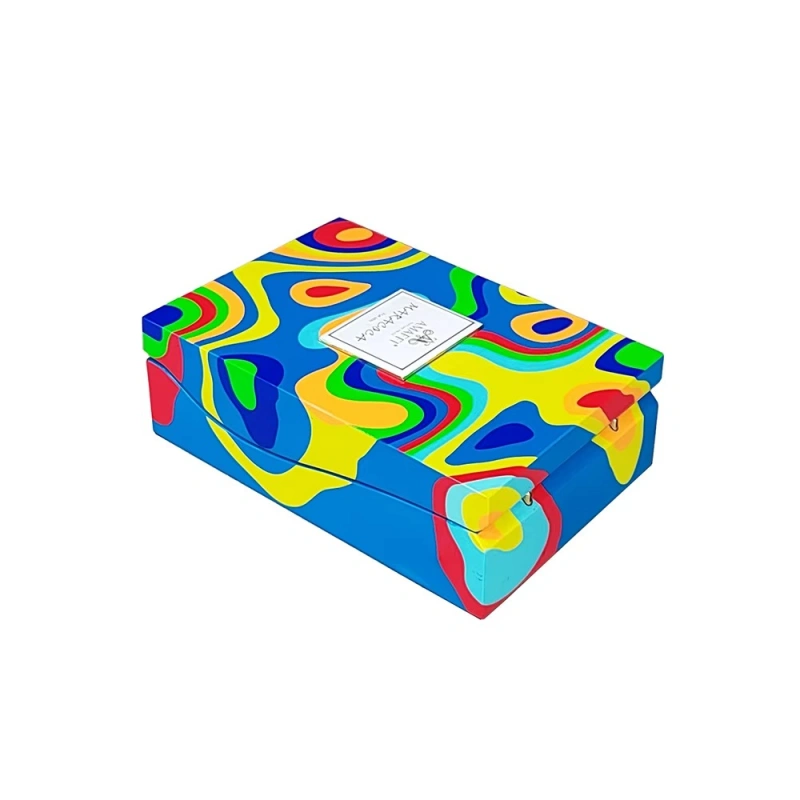
Wood creates emotion naturally. This is not marketing language. This is human behavior.
Why wood feels different
Wood feels:
- Chaud
- Naturel
- Human
- Intentional
Paper feels temporary.
Plastic feels cold.
This difference matters.
Emotional bonding through touch
Customers touch wooden boxes many times:
- When opening
- When closing
- When reusing
Touch builds attachment.
Packaging becomes a personal object
Once reused, the box stops being “packaging.” It becomes “my box.”
At that point, the brand becomes personal too.
Emotional attachment and behavior link
| Emotional State | Buying Behavior |
|---|---|
| Indifference | Switch brands |
| Confort | Return easily |
| Attachment | Stay loyal |
Wooden packaging supports comfort and attachment.
What I see with artisanal perfume brands
Niche brands benefit the most.
They do not compete on price.
They compete on feeling.
Wood supports:
- Craft values
- Slow production
- Thoughtful design
Customers who value these ideas come back.
Personal reflection from my work
When brands ask me to simplify packaging too much, I ask one question:
“What feeling do you want customers to remember?”
If the answer is warmth, intention, and care, wood is often the right choice.
Can wooden boxes increase trust and reduce post-purchase regret?
Post-purchase regret kills repeat business. Many brands ignore this stage.
A well-made wooden box reduces regret by reinforcing perceived value after purchase.
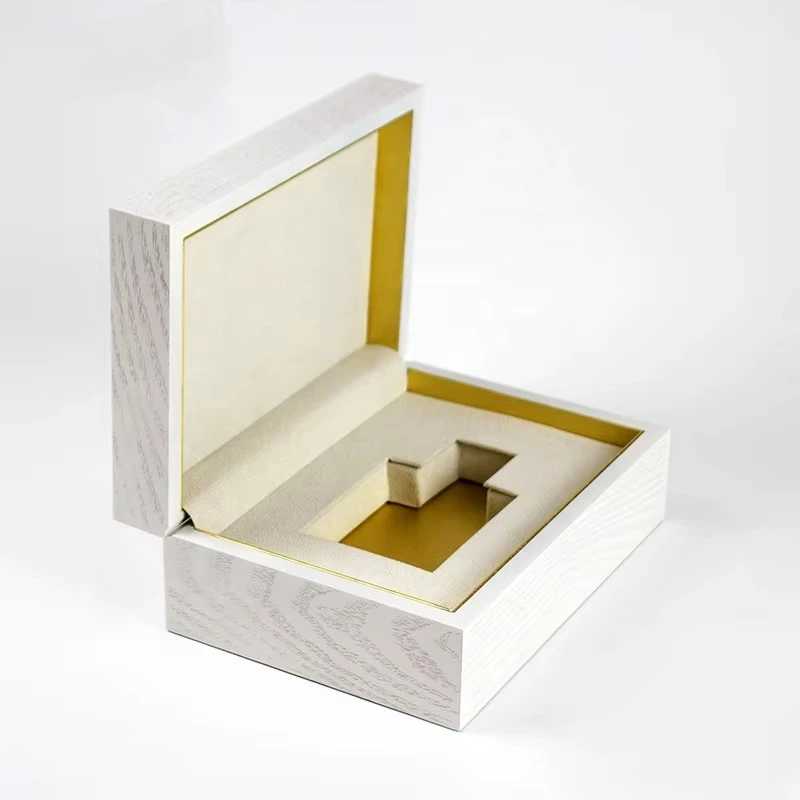
Perfume is emotional. Customers often question their decision later.
Why regret happens
Customers ask themselves:
- Was it worth the price?
- Should I have chosen another brand?
- Did I overpay?
Packaging answers these questions silently.
Weight and build quality matter
A solid wooden box:
- Feels heavy
- Feels durable
- Feels expensive
This reassures the buyer.
Packaging as justification
Customers justify their purchase through physical cues.
If the box feels premium, the price feels reasonable.
Comparison of perceived value
| Packaging Quality | Valeur perçue | Regret Risk |
|---|---|---|
| Light paper box | Faible | Haut |
| Solid wooden box | Haut | Faible |
Trust is built after the sale
Most brands focus on trust before purchase. This is incomplete.
Trust must continue after purchase.
Wooden packaging:
- Shows commitment
- Signals long-term thinking
- Reduces disappointment
My experience with customer complaints
Brands using premium wooden boxes receive fewer complaints about price.
Customers feel satisfied earlier and longer.
That satisfaction supports repeat buying.
Loyalty is not automatic. It is built step by step.
Premium wooden packaging helps move customers from trial to habit.
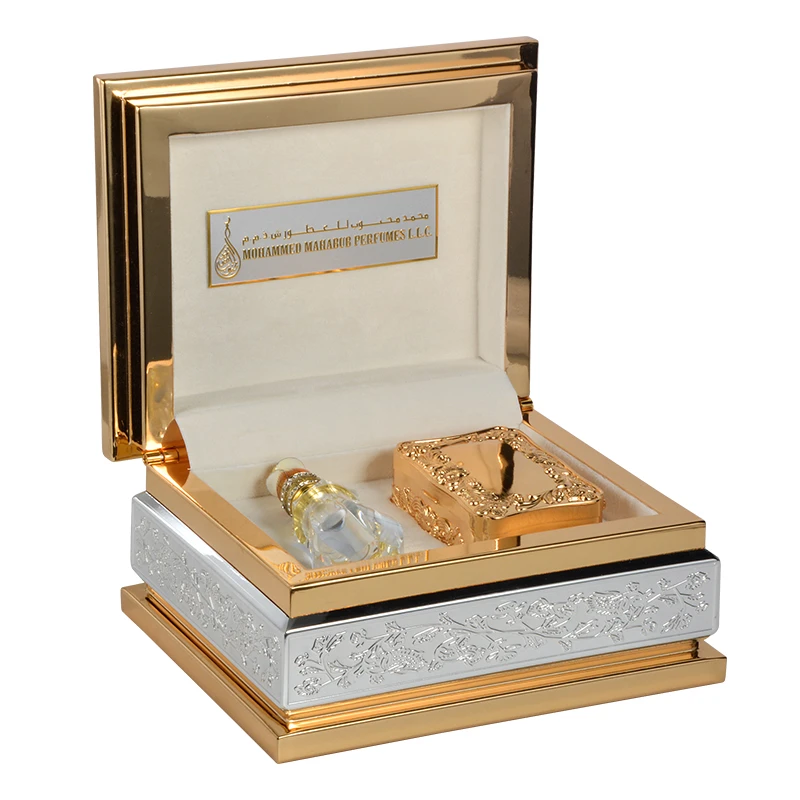
A first purchase is curiosity.
A second purchase is trust.
A third purchase is loyalty.
The role of packaging in the loyalty path
Packaging supports every step:
- Première impression
- Daily interaction
- Mémoire à long terme
Wood performs well in all three.
Familiarity reduces risk
When customers return to a brand they recognize, they feel safe.
The wooden box acts as a visual shortcut:
“I know this brand.”
“I trust this brand.”
Premium signals consistency
Luxury buyers want consistency.
If packaging is premium:
- They expect the scent to be premium again
- They trust future releases
Loyalty without discounts
I have seen brands avoid heavy discounting because their packaging already communicates value.
Customers return without price pressure.
Wooden box as brand ambassador
Even without words, the box says:
- We care
- We invest
- We think long-term
This aligns with loyal customer behavior.
My honest conclusion from production experience
Wooden boxes do not force loyalty.
They support it.
When the scent is good and the box is right, loyalty grows naturally.
Conclusion
A wooden box does not push repeat purchases. It earns them by building memory, trust, and emotional comfort that stays long after the perfume is gone.
Nom de marque : WoodoBox
Slogan : Boîtes en bois sur mesure, fabriquées à la perfection

 Français
  English
  Español
  Português
  Deutsch
  Italiano
  العربية