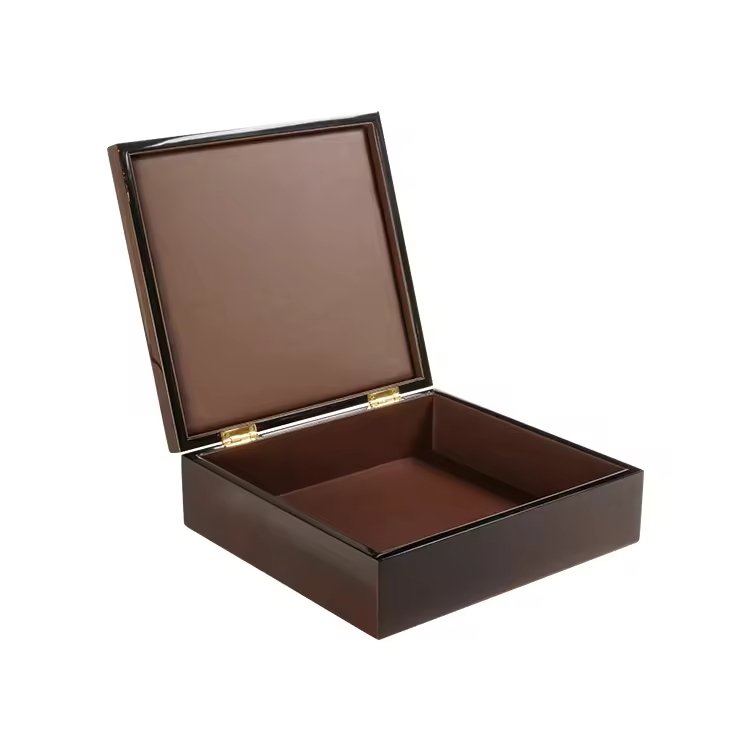
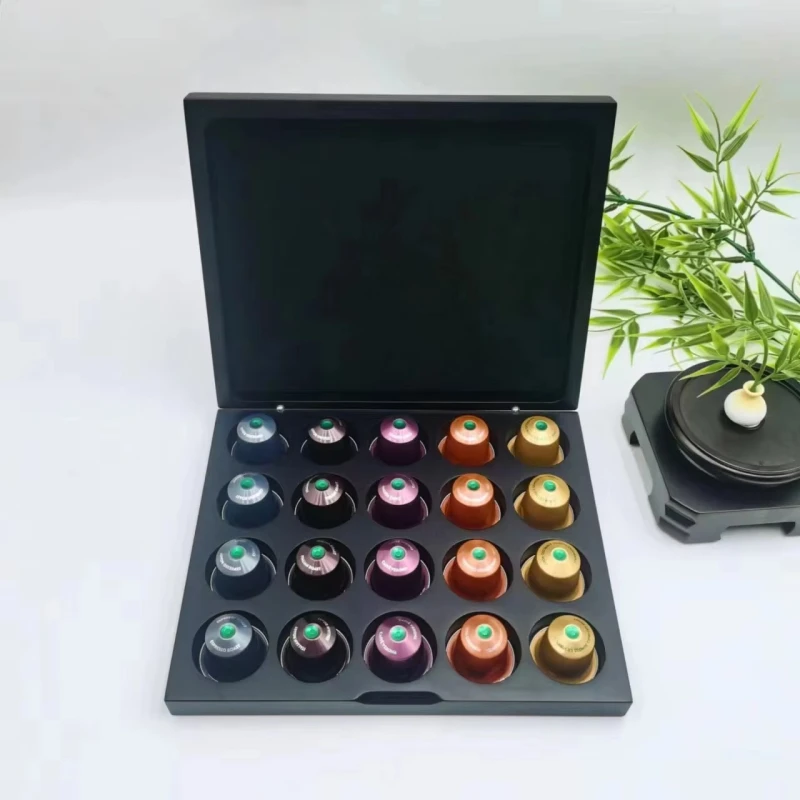
Many people think storing perfume boxes separately looks strange. Some even think it means the collector does not care about the full set. In reality, the opposite is true. This habit comes from deep experience, long-term thinking, and respect for how objects age.
Collectors store perfume boxes separately because bottles and boxes age differently and serve different roles over time. Bottles are for use. Boxes are for preservation. Treating them the same often damages both.
If you have ever wondered why serious collectors do this, the answer sits at the intersection of material science, value protection, and practical organization.
Why do collectors separate storage to reduce light and handling exposure?
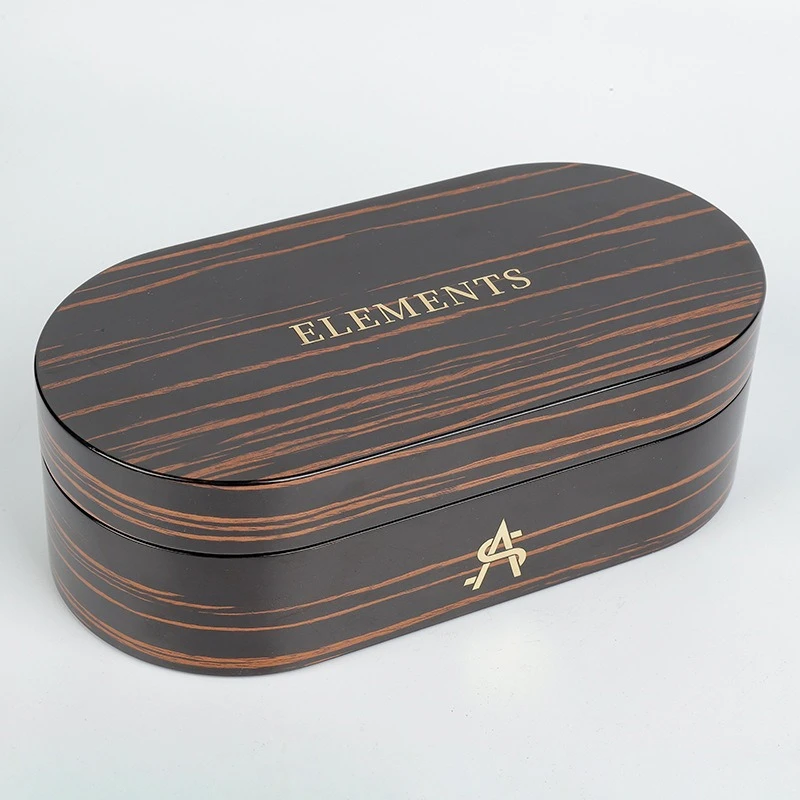
Many collectors separate boxes from bottles because daily use creates repeated exposure that slowly damages packaging. Every open, close, and touch adds small risks that accumulate over years.
Separating storage reduces unnecessary light, friction, and hand contact that cause long-term cosmetic damage to boxes. This approach allows collectors to enjoy the perfume without wearing down its original container.
Light exposure is cumulative
Light damage is slow but permanent. Even indirect indoor light causes fading, yellowing, or uneven aging over time.
When boxes stay on display with bottles:
- Printed surfaces fade
- Lacquers lose clarity
- Dark colors become uneven
- Metallic details oxidize faster
Collectors who separate storage often keep boxes in darker areas, while bottles sit in cabinets designed for daily access.
Handling is the silent destroyer
From my experience working with high-end wooden and luxury boxes, most damage comes from hands, not accidents.
Each time a box is handled:
- Skin oils transfer to surfaces
- Corners experience micro-friction
- Hinges and closures wear slightly
- Edges soften and lose sharpness
Over ten years, this adds up. Collectors who use perfume often may open the same box hundreds of times. Separation removes this risk completely.
Boxes were not designed for repeated use
Many luxury perfume boxes are designed for presentation, not daily interaction.
This is especially true for:
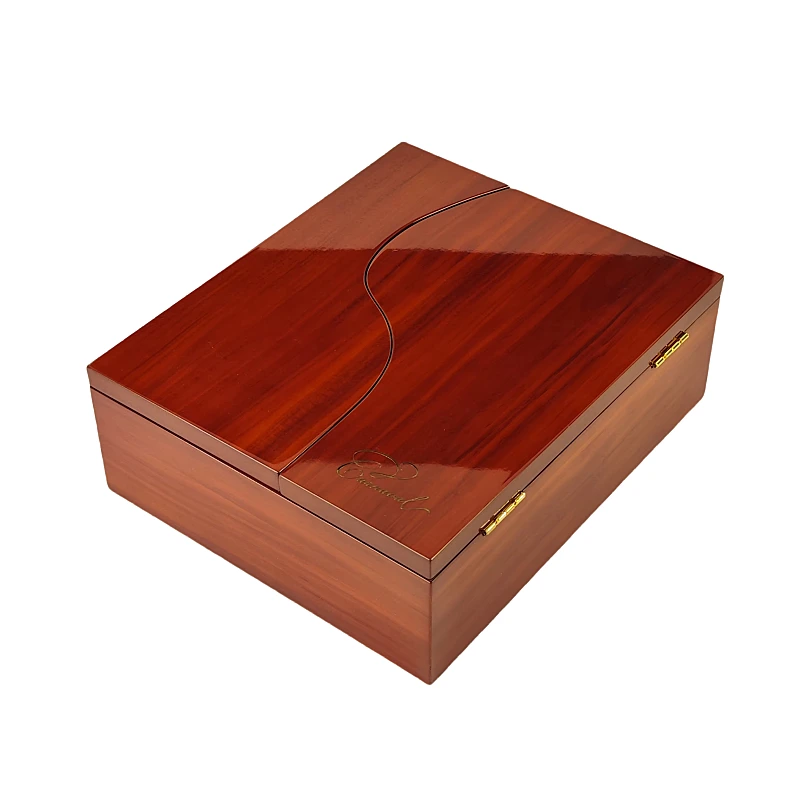
- Piano lacquer wooden boxes
- Rigid paper boxes with wrapped edges
- Boxes with magnetic closures
- Boxes with foil stamping or silk lining
These finishes look perfect at first, but they are sensitive. Collectors learn this early and adjust their storage habits.
A simple comparison
| Facteur | Box Stored with Bottle | Box Stored Separately |
|---|---|---|
| Exposition à la lumière | Frequent | Minime |
| Manipulation | Daily | Rare |
| Edge wear | Haut | Très faible |
| Surface aging | Irrégulier | Controlled |
| Long-term condition | Compromised | Preserved |
Collectors are not being careless. They are reducing risk through separation.
How does different environmental control benefit bottles and boxes differently?
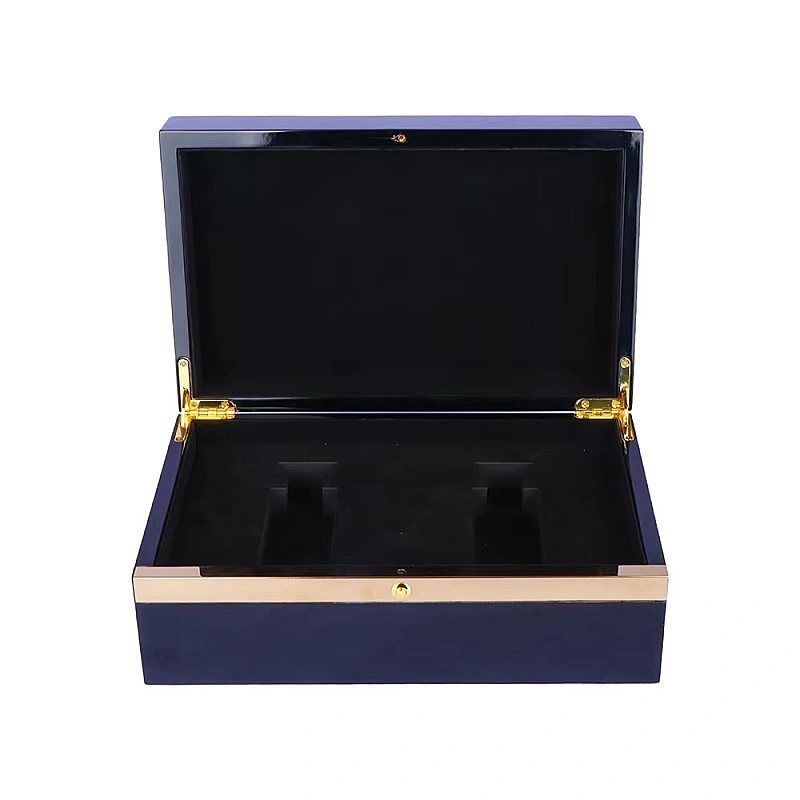
Perfume bottles and boxes respond very differently to temperature, humidity, and air flow. Storing them together often means one of them lives in suboptimal conditions.
Separate storage allows collectors to create ideal environments for both liquid perfume and packaging materials without compromise.
Bottles need stability above all
Perfume is sensitive to:
- Chaleur
- Variations de température
- UV exposure
- Vibration
Collectors often store bottles in:
- Temperature-controlled cabinets
- Closed drawers
- Wine-style cool storage
- Dark shelves with limited airflow
These spaces are optimized for liquid stability, not packaging preservation.
Boxes need dryness and stillness
Boxes, especially premium ones, have very different needs.
Wooden, lacquered, or paper-based boxes benefit from:
- Faible humidité
- Stable air
- Minimal stacking pressure
- Clean, dust-free environments
High humidity can cause:
- Warping in wooden boxes
- Mold growth in fabric linings
- Glue failure in wrapped paper boxes
- Bubbling under lacquer finishes
When stored together, something always suffers
If collectors prioritize the bottle:
- Boxes may experience humidity
- Boxes may get stacked awkwardly
- Boxes may absorb odor
If they prioritize the box:
- Bottles may sit too warm
- Bottles may be harder to access
- Bottles may be exposed to light
Separation solves this conflict.
Common storage strategies I see
From my work with collectors and brands, I often see patterns like these:
| Article | Typical Storage Method |
|---|---|
| Daily-use bottles | Drawer or cabinet |
| Rare bottles | Climate-controlled case |
| Cardboard boxes | Flat archival storage |
| Boîtes en bois | Shelved, wrapped, low-humidity |
| Éditions limitées | Individually protected |
Each item gets what it needs. Nothing is forced into a shared compromise.
Long-term thinking drives this choice
Collectors with long horizons think in decades. They know small environmental mismatches create visible damage later.
Separate storage is not extra work. It is prevention.
Why is preserving box condition critical for long-term collectible value?
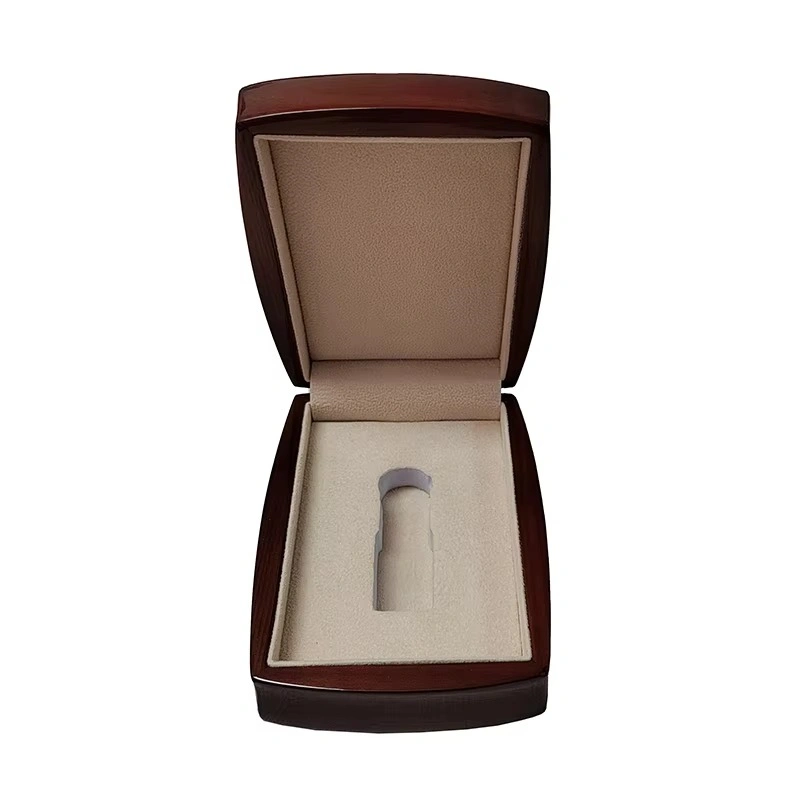
In the collector market, box condition often matters more than people expect. I have seen resale prices shift dramatically based on packaging quality alone.
A near-perfect box can increase resale value even when the perfume bottle is partially used. This is especially true for rare, discontinued, or limited releases.
Buyers judge before they smell
When collectors buy from secondary markets, the first evaluation is visual.
They look for:
- Angles vifs
- Clean surfaces
- Original finish
- No fading or stains
- Working closures
A damaged box signals poor care, even if the bottle is fine.
Boxes serve as proof of authenticity
Original packaging helps confirm:
- Edition authenticity
- Production period
- Brand design language
- Serial or numbering integrity
For limited releases, the box often carries more verification cues than the bottle itself.
Condition tiers matter
Collectors often think in tiers, not just “with box” or “without box.”
| Box Condition | Perception du marché |
|---|---|
| Menthe | Investment-grade |
| Near mint | Prime |
| Light wear | Acceptable |
| Visible damage | Discounted |
| No box | Lowest tier |
Separating boxes early keeps them in higher tiers longer.
Wooden and special boxes raise the stakes
High-end perfume boxes made from wood, lacquer, or metal amplify this effect.
They are often:
- Produced in small quantities
- Custom-designed per release
- Costly to replicate
- Impossible to replace later
I have seen collectors value the box as much as the bottle for these editions.
Preservation equals optionality
Even if a collector never plans to sell, preserving box condition keeps options open.
Life changes. Collections evolve. Priorities shift.
A preserved box gives flexibility. A damaged one removes it.
How does separate storage support organization and rotation in large collections?
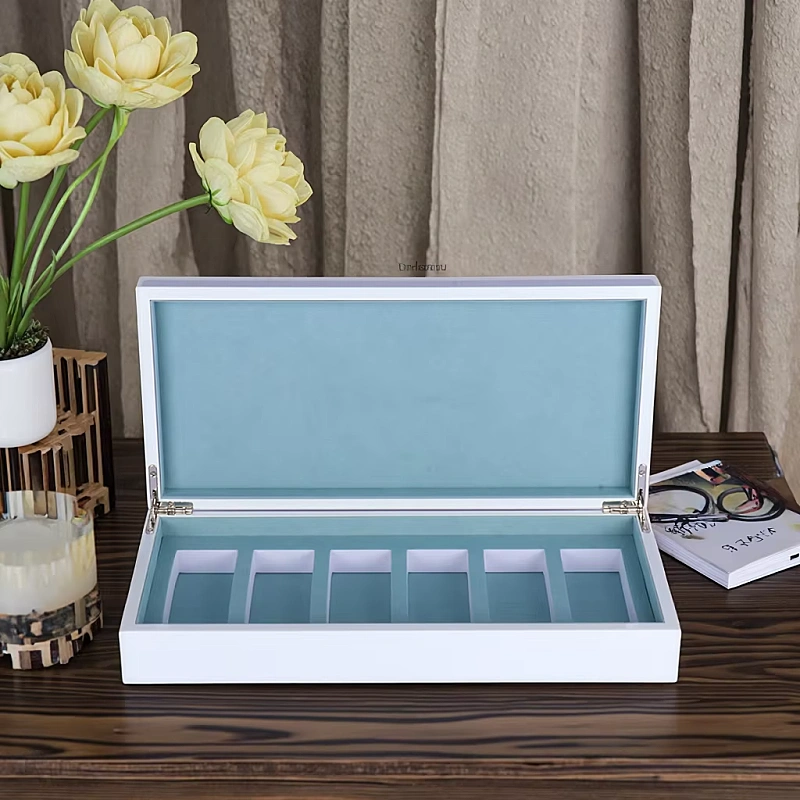
Large collections require systems. Without separation, storage becomes cluttered, risky, and inefficient.
Separating bottles from boxes allows collectors to organize by use, season, and access frequency without constant reshuffling.
Bottles are living objects
Collectors interact with bottles often. They rotate them by:
- Saison
- Humeur
- Occasion
- Usage frequency
This requires easy access and frequent movement.
Boxes are reference objects
Boxes serve different purposes:
- Archival reference
- Brand history record
- Authenticity proof
- Visual catalog
They do not need daily access.
Separation reduces accidents
Every time a collector reorganizes shelves:
- Boxes slide
- Corners collide
- Stacks shift
- Finishes scratch
By removing boxes from rotation areas, collectors reduce accidental damage.
Clear classification systems emerge
Collectors often sort boxes by:
| Catégorie | Exemple |
|---|---|
| Marque | Chanel, Dior, niche houses |
| Année de sortie | Chronological archives |
| Edition type | Limited, standard, anniversary |
| Matériau | Wood, paper, mixed |
| Market region | EU, US, Asia releases |
This level of order is impossible if boxes remain attached to daily-use bottles.
Space efficiency improves
Boxes take space. Bottles take access priority.
Separating them allows:
- Denser box storage
- Safer stacking
- Better use of vertical space
- Cleaner display areas
Collectors who scale their collections learn this fast.
Why do experienced collectors treat boxes as archival assets, not packaging?
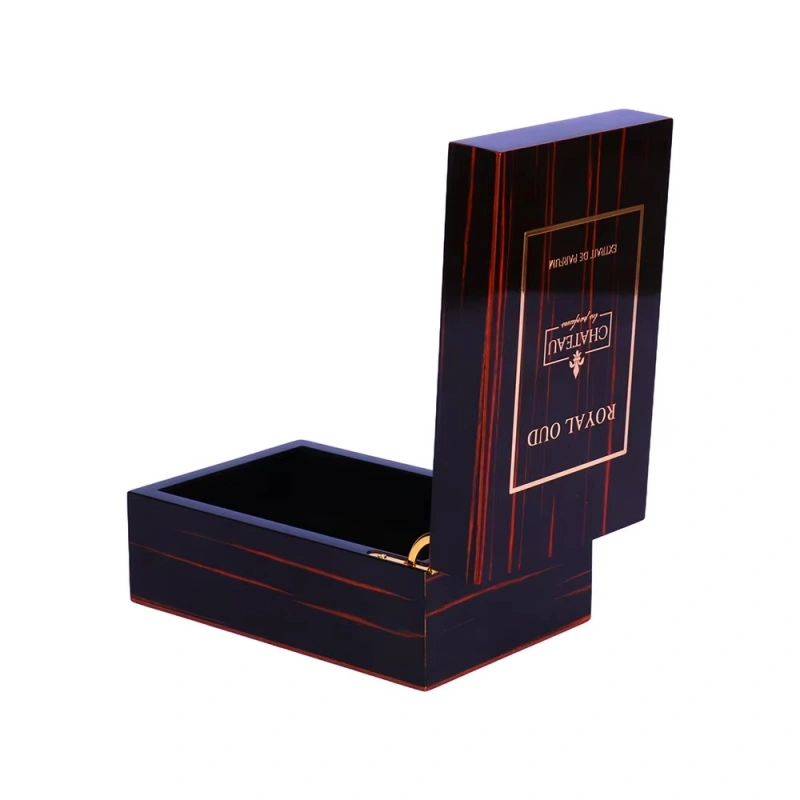
At a certain level, collectors stop seeing boxes as disposable. They see them as historical records.
Experienced collectors treat boxes as archival assets because they carry design, context, and identity that bottles alone cannot preserve.
Boxes capture a moment in brand history
A box reflects:
- Design trends of its era
- Brand positioning at release
- Material choices of that time
- Marketing language and visuals
Years later, this context becomes valuable.
Perfume disappears, boxes remain
Perfume is consumable. Even sealed bottles degrade slowly.
Boxes, when preserved, remain stable much longer.
Collectors understand this asymmetry.
Limited editions elevate boxes further
For numbered or special releases:
- The box may carry the number
- The box may carry certificates
- The box may include unique materials
In these cases, the box is the anchor of the collectible identity.
Archival mindset changes behavior
Once collectors adopt an archival mindset, separation feels natural.
They:
- Wrap boxes carefully
- Avoid unnecessary handling
- Control storage conditions
- Document contents
This mirrors museum practice, not casual ownership.
My manufacturing perspective
From my years producing high-end wooden boxes, I know how much intention goes into them.
Designers think about:
- Grain direction
- Lacquer depth
- Opening feel
- Weight balance
Collectors who separate boxes are honoring that work.
They are not rejecting packaging. They are elevating it.
Conclusion
Collectors store perfume boxes separately because they understand time, materials, and value. By separating use from preservation, they protect history while enjoying the present.
Nom de marque : WoodoBox
Slogan : Boîtes en bois sur mesure, fabriquées à la perfection

 Français
  English
  Español
  Português
  Deutsch
  Italiano
  العربية