Every year, brands lose products in transit without knowing why. Bottles crack. Sprayers fail. Corners chip. Many assume thicker foam will fix it. From my experience, that belief often creates bigger risks.
Wooden packaging improves shock absorption by controlling how impact energy enters, spreads, and slows before it reaches the product. Foam alone cannot do this in real transport conditions.
If you have ever shipped fragile or high-value products, this difference matters more than most people expect. Let me explain why, based on what I have seen in real production and shipping cases.
How does the structural mass of wood change the way impact energy is absorbed?
Light packaging reacts fast to impact. Heavy packaging reacts slow. This timing difference changes everything when a box hits the ground.
The structural mass of wood slows down impact energy and spreads it across a wider area before it reaches the product.
When a package drops, energy enters the system instantly. With foam-only packaging, there is almost no delay. The force goes straight through the foam until it compresses fully. Once the foam bottoms out, the remaining force hits the product directly.
Wood behaves in another way. Its mass resists sudden motion. This resistance creates a short delay. Even milliseconds matter. That delay lowers peak force before it reaches the inner layers.
Why mass matters in impact physics
Impact damage is not only about total energy. It is about peak force.
- High peak force breaks glass
- Lower peak force spreads stress safely
Wood helps lower peak force by increasing inertia.
How wooden structure spreads force
A wooden box does not compress like foam. Instead, it transfers force sideways.
- Energy enters one panel
- The panel shares stress with edges and corners
- The load spreads across joints
- The force weakens before reaching the inside
This is especially important for bottles with thin necks or sharp glass corners.
Simple comparison table
| Type d'emballage | Impact Delay | Force Distribution | Peak Force on Product |
|---|---|---|---|
| Foam only | Almost none | Localized | Haut |
| Wood + foam | Noticeable | Distributed | Beaucoup plus bas |
What I see in real projects
In perfume box testing, we often compare foam-only inserts with wooden outer boxes. Drop height stays the same. Product weight stays the same. Damage rate changes completely.
Foam-only designs fail at corners and spray heads. Wooden systems protect these weak points better because the force does not arrive all at once.
From my experience, structural mass is not a luxury detail. It is a core protection mechanism.
Why does foam alone fail to manage repeated or directional shocks?
Foam looks soft and safe. That visual comfort hides a serious weakness.
Foam alone fails because it compresses, deforms, and loses performance under repeated and angled shocks.
Real logistics never deliver a single clean drop. Packages experience vibration, tilt, stacking pressure, and multiple impacts from different directions.
Foam fatigue over time
Foam has memory. But memory fades.
- Long storage compresses foam
- Heat softens foam cells
- Weight causes permanent deformation
Once foam compresses, it does not recover fully.
Directional shock problem
Foam works best when force comes straight in.
But real shocks are:
- Angled
- Rotational
- Off-center
Foam cannot redirect force. It only compresses where hit.
Common foam-only failure patterns
From damage reports I have reviewed, failures repeat:
- Bottle neck cracks
- Internal movement marks
- Stress lines at glass edges
- Loose caps after transport
These issues often appear even without a major drop.
Comparison of repeated shock behavior
| Condition | Foam Only | Wood + Foam |
|---|---|---|
| Repeated vibration | Loses shape | Stable |
| Angled impact | Local collapse | Force redirected |
| Long storage | Compression set | No deformation |
| Stack pressure | Foam flattens | Load carried by wood |
Why this matters for export
International shipping adds time.
- Sea freight vibrates for weeks
- Air freight adds pressure changes
- Warehouses stack cartons high
Foam-only systems slowly lose protection. Wooden structures do not.
In my own factory tests, foam-only samples often pass first drops and fail later ones. Wood-based systems show consistent results across all tests.
Consistency is the real value.
How do wood and foam work differently under sudden impact?
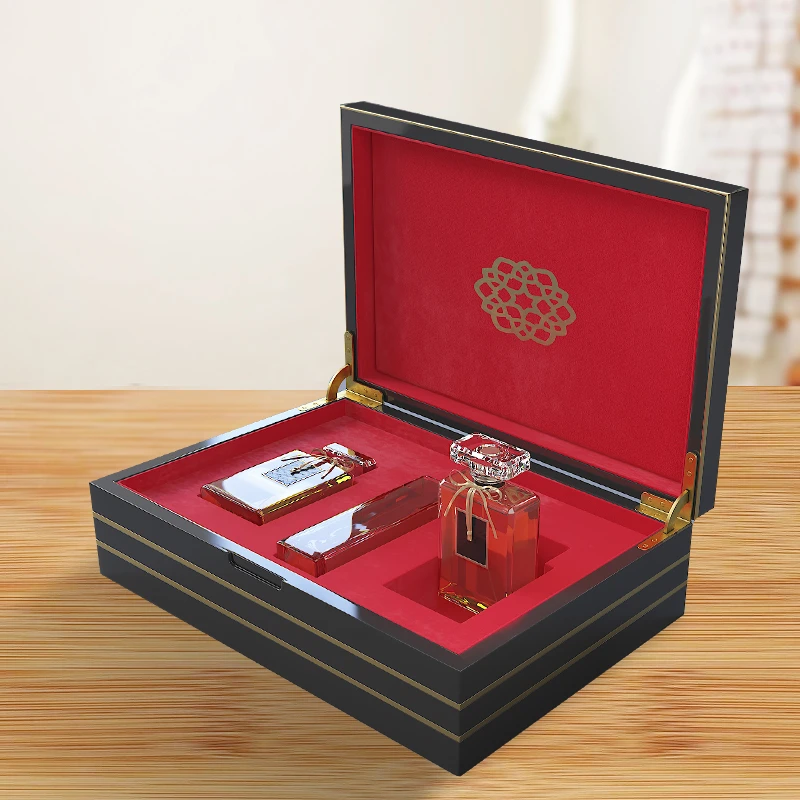
Wood and foam are not competitors. They solve different parts of the same problem.
Wood manages energy direction and timing. Foam manages residual vibration and surface protection.
Understanding this difference helps brands design safer packaging.
Impact happens in stages
A sudden impact creates three phases:
- Energy entry
- Energy spread
- Energy absorption
Foam tries to handle all three. It cannot.
Wood’s role under impact
Wood works at the first two stages.
- Slows energy entry
- Spreads force across structure
- Reduces peak stress
Foam’s role under impact
Foam works best at the final stage.
- Absorbs micro-shocks
- Reduces vibration
- Protects surface finish
Side-by-side role breakdown
| Fonction | Bois | Mousse |
|---|---|---|
| Delay impact | Oui | Non |
| Spread force | Oui | Non |
| Absorb vibration | Limitée | Oui |
| Protect surface | Non | Oui |
| Maintain shape | Oui | Non |
Why combining them works
When wood absorbs the first shock, foam never reaches full compression. This keeps foam in its effective range.
Foam then:
- Cushions gently
- Prevents rattling
- Protects delicate finishes
This layered defense is why wood plus foam outperforms foam alone.
From my experience, the most damaged products come from designs that ask foam to do a job it was never meant to do.
Why does rigid structure matter as much as soft cushioning in luxury packaging?
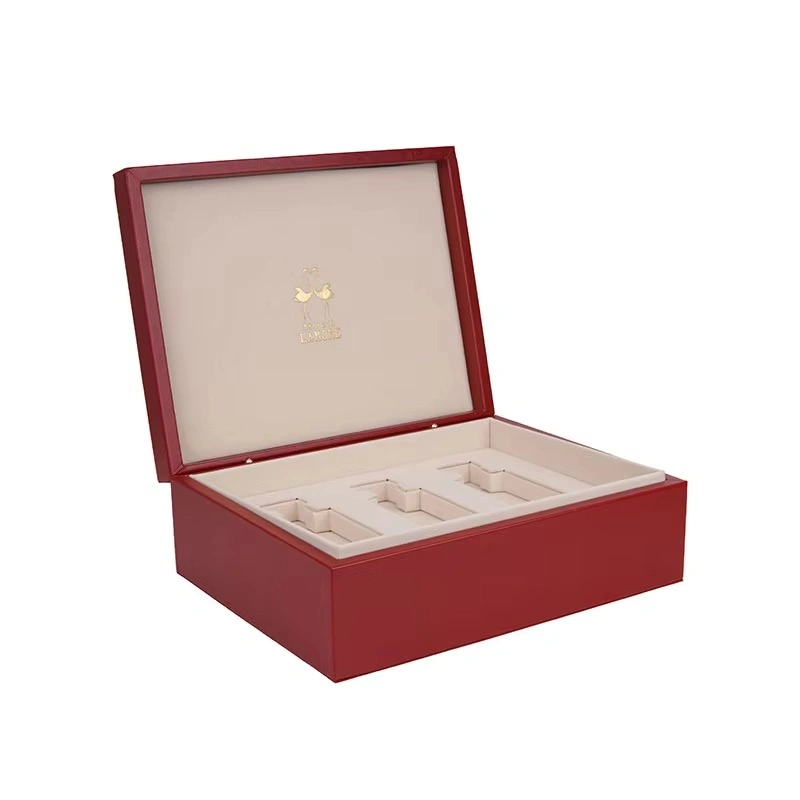
Luxury packaging has two jobs. Protection and perception. Rigid structure serves both.
Rigid structure prevents internal movement, controls force paths, and preserves product stability during transport.
Soft cushioning without structure creates hidden risks.
Internal movement creates stress
Even small movement causes problems.
- Repeated micro-movements
- Stress concentration at weak points
- Slow material fatigue
Rigid boxes lock the product in place.
Psychological protection effect
I call this psychological protection because it affects behavior.
- Couriers handle rigid boxes with more care
- Stack pressure distributes evenly
- Customers perceive safety before opening
This reduces careless handling.
Rigid structure and brand value
Luxury brands invest heavily in image. Damage during delivery breaks trust.
Rigid wooden boxes:
- Signal quality
- Justify premium pricing
- Reduce return rates
Movement comparison table
| Type d'emballage | Internal Movement | Stress Accumulation |
|---|---|---|
| Foam only | Possible | Haut |
| Wood + foam | Minime | Faible |
What I learned from client feedback
Brands often upgrade packaging after complaints.
The pattern is clear:
- Foam-only designs save cost upfront
- Damage costs appear later
- Wooden upgrades reduce claims fast
Rigid structure is not excess. It is insurance.
How does wooden packaging protect fragile products during real-world transport?
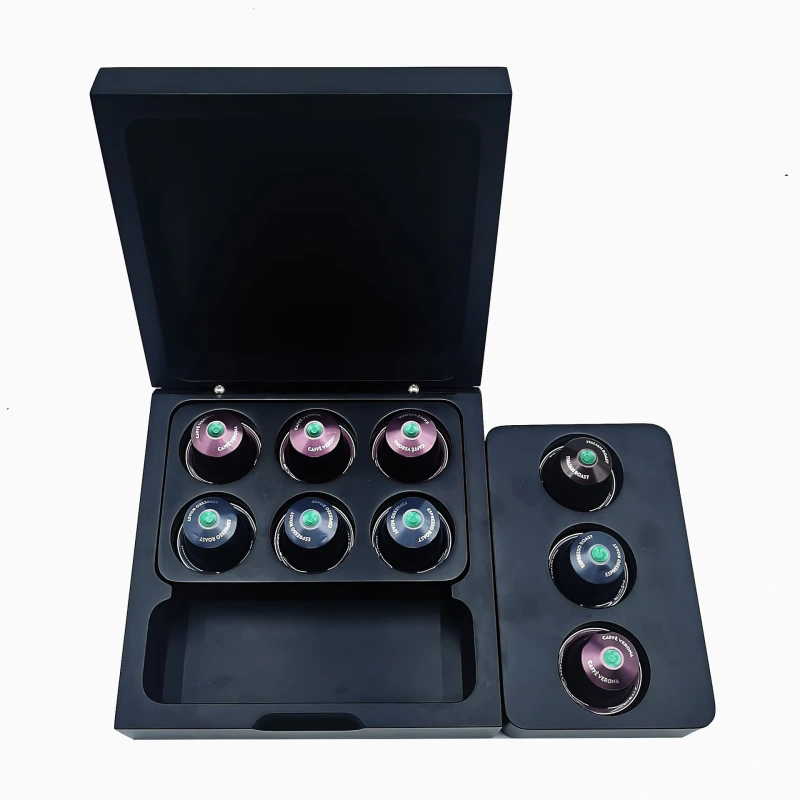
Real-world transport is messy. Ideal lab conditions do not exist.
Wooden packaging protects fragile products by stabilizing structure, managing unpredictable forces, and maintaining protection over time.
Real transport challenges
From years of export experience, common risks include:
- Conveyor drops
- Forklift vibration
- Stacking pressure
- Variations de température
- Long storage time
Foam-only systems degrade under these conditions.
Wooden box advantages in transport
Wood offers stable performance.
- No compression set
- No shape loss
- Predictable behavior
Case experience with perfume bottles
Perfume bottles are especially fragile.
- Thin glass
- Pressurized sprays
- Sensitive sealing
Wooden boxes reduce:
- Neck cracks
- Spray misalignment
- Leakage during transit
Transport durability comparison
| Transport Factor | Foam Only | Wood + Foam |
|---|---|---|
| Long vibration | Weakens | Stable |
| Drop variation | Imprévisible | Controlled |
| Stacking load | Risqué | Sûr |
| Climate change | Affects foam | No effect |
Why buyers underestimate this
Many buyers test packaging once. Real shipping tests happen thousands of times.
From damage investigations I have handled, foam-only systems often fail after repeated handling, not first impact.
Wood maintains protection from factory to customer.
That reliability protects products and brand reputation at the same time.
Conclusion
Wooden packaging absorbs shock by controlling energy, not softness. When combined with foam, it delivers stable, reliable protection for fragile luxury products.
Nom de marque : WoodoBox
Slogan : Boîtes en bois sur mesure, fabriquées à la perfection

 Français
  English
  Español
  Português
  Deutsch
  Italiano
  العربية