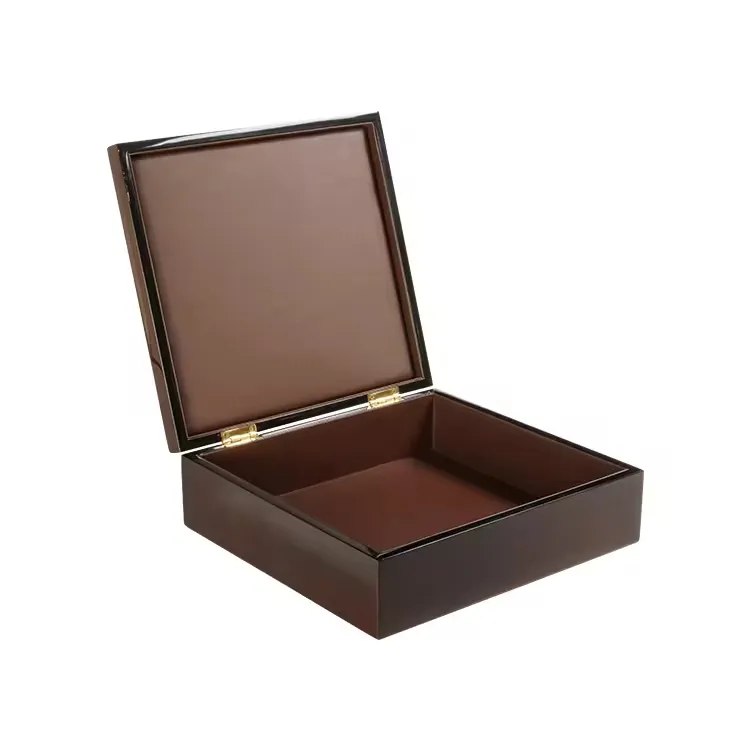
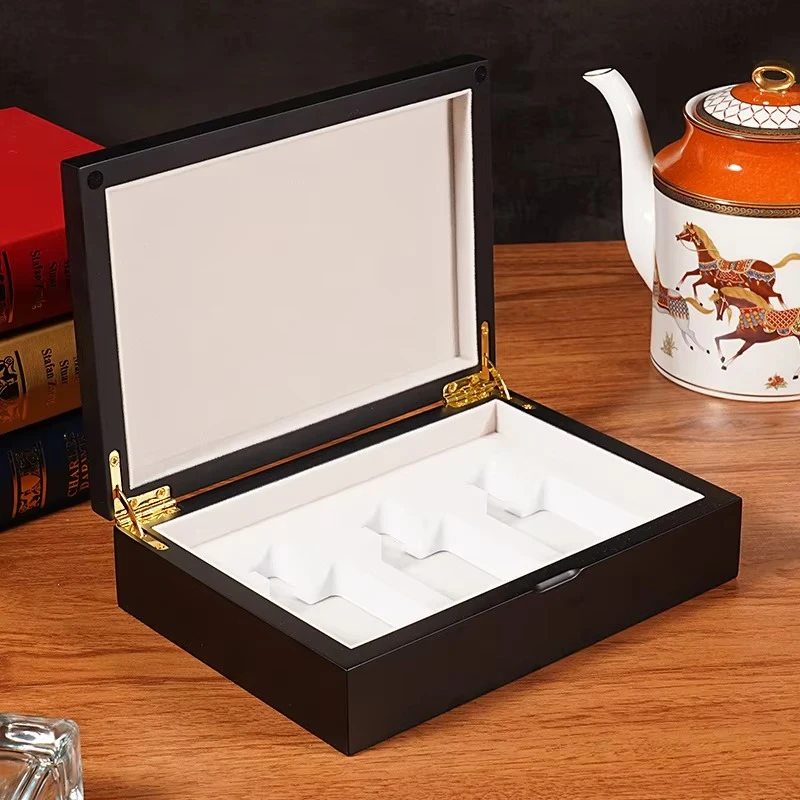
Temperature changes happen everywhere. Most brands ignore the small ones. Over time, these micro-shifts quietly damage sensitive products and reduce long-term quality.
Yes, natural wood regulates micro-temperature shifts far better than plastic packaging. Wood slows heat transfer, reduces thermal shock, and creates a more stable micro-environment, which is critical for products like perfume.
I learned this not from theory, but from years of production, shipping, and real customer feedback.
How do the natural physical properties of wood influence temperature stability?
Wood behaves very differently from synthetic materials. Its structure explains why it protects products better under changing temperatures.
The natural cellular structure of wood slows heat movement, allowing it to absorb and release temperature gradually rather than instantly. This creates stability inside the package.

I work with solid wood and veneered MDF every day. I can tell you this behavior is consistent across climates.
The cellular structure of wood
Wood is not solid in the way plastic is solid.
- It contains millions of tiny air pockets
- These pockets trap heat
- Air slows thermal transfer
This is why wood has been used for centuries in buildings and furniture.
Thermal conductivity comparison
| Matériau | Thermal Conductivity | Heat Transfer Speed |
|---|---|---|
| Bois massif | Faible | Lent |
| MDF | Faible à moyen | Lent |
| Plastique | Moyen | Rapide |
| Métal | Très élevé | Instant |
Lower conductivity means better insulation.
Why trapped air matters
Air is one of the best natural insulators.
- Wood traps air naturally
- No added layers are needed
- Performance remains stable over time
Plastic has no internal air structure unless it is foamed, which most packaging plastics are not.
Real-world temperature behavior
In shipping tests, wooden boxes always show delayed temperature response.
- Outside temperature rises quickly
- Inside temperature changes slowly
- The delay protects the product
I once measured this during summer transport. The container heated up fast. The wooden boxes lagged behind by hours.
Wood as a living material
Wood also reacts slowly because it is organic.
- It absorbs heat gently
- It releases heat slowly
- It avoids sharp peaks
This behavior reduces stress on what is stored inside.
Why does plastic respond faster to environmental temperature changes?
Plastic looks stable. In reality, it reacts very quickly to its surroundings.
Plastic responds faster because it lacks insulating structure and transfers heat directly from the environment to the product inside. This speed creates thermal shock.
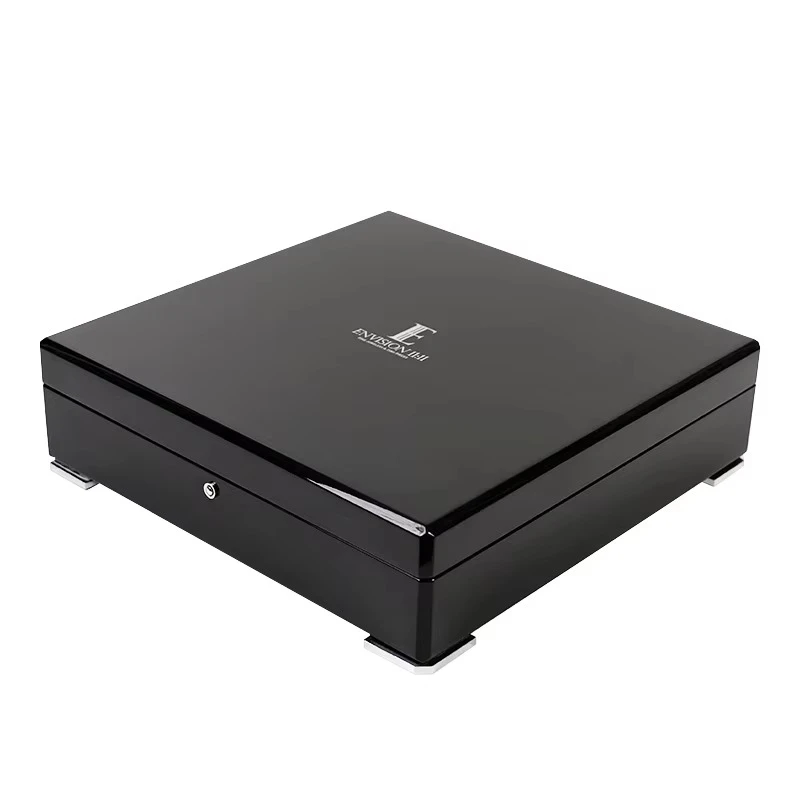
Many brands choose plastic for cost reasons. They rarely consider thermal behavior.
Structure of common packaging plastics
Most plastic packaging is dense and uniform.
- No air pockets
- Smooth surfaces
- Direct heat conduction
This makes plastic predictable but unforgiving.
Plastic and rapid heat exchange
Plastic heats up fast.
- Sunlight warms it quickly
- Cold air cools it fast
- Temperature changes pass through
This exposes the product to every environmental change.
Comparison of response speed
| Situation | Bois | Plastique |
|---|---|---|
| Sudden heat | Slow response | Fast response |
| Sudden cold | Gradual cooling | Instant cooling |
| Repeated shifts | Buffered | Transmitted |
Plastic does not protect against fluctuation. It simply follows it.
Plastic and condensation risk
Fast temperature change causes condensation.
- Warm air meets cold surface
- Moisture forms quickly
- Water collects near closures
I have seen labels wrinkle and metal parts corrode because of this.
Why plastic fails in long-distance shipping
Shipping involves constant changes.
- Day and night cycles
- Climate zone changes
- Port and warehouse transfers
Plastic passes every change directly to the product. Over weeks, the damage accumulates.
How do micro-temperature shifts impact sensitive products like perfume?
Perfume reacts to small changes. It does not need extreme heat to suffer.
Repeated micro-temperature shifts accelerate oxidation, disturb evaporation balance, and slowly alter fragrance structure. The damage builds quietly.
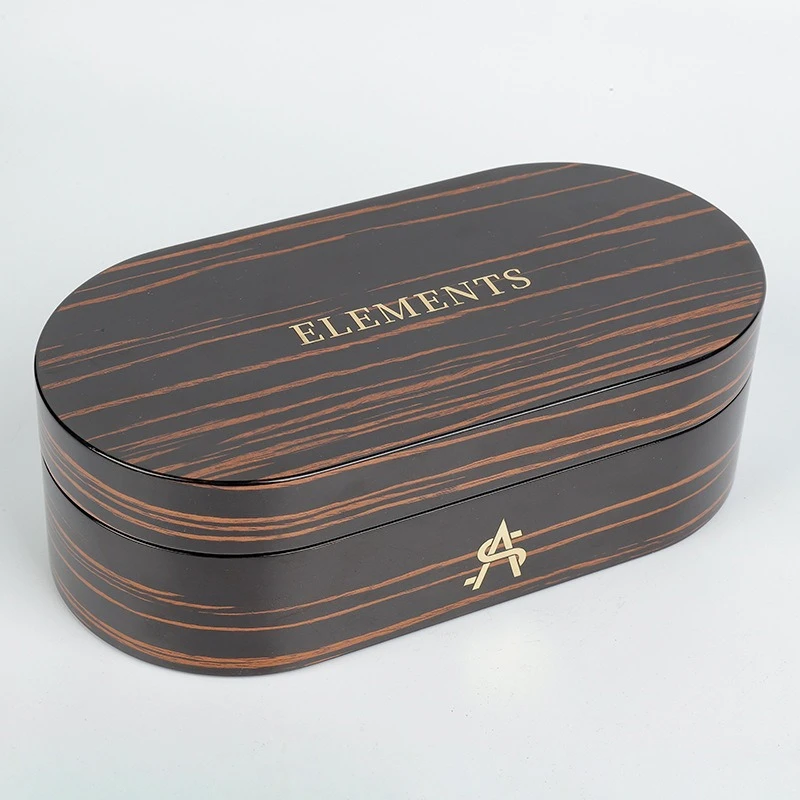
I have seen perfumes fail without ever being “overheated.”
Why perfume chemistry is fragile
Perfume is a balance of volatile compounds.
- Top notes evaporate easily
- Middle notes depend on stability
- Base notes anchor the formula
Temperature changes affect each layer differently.
Effects of repeated temperature shifts
Micro-shifts cause stress.
- Expansion and contraction of liquid
- Increased oxygen interaction
- Faster molecular movement
None of these are visible at first.
Common results I observe
| Effet | Résultat |
|---|---|
| Faster oxidation | Color darkening |
| Evaporation imbalance | Weaker top notes |
| Seal stress | Leakage risk |
These effects appear after months, not days.
Why shipping is more dangerous than storage
Shipping adds movement.
- Vibration plus temperature
- Pressure changes
- Frequent environment switches
Perfume packed in poor insulation suffers more during transit than storage.
My experience with comparative shipments
I once shipped the same perfume in different outer packaging.
- Plastic clamshell packaging
- Rigid paper box
- Boîte en bois
After arrival, only the wooden-packed batch showed minimal change in scent and color.
This was not coincidence. It was physics.
In what way does wood act as a natural thermal buffer during storage and transport?
Wood does not stop temperature change. It slows it down. That difference matters.
Wood acts as a thermal buffer by delaying heat transfer, smoothing temperature curves, and reducing thermal shock. This protects sensitive contents.
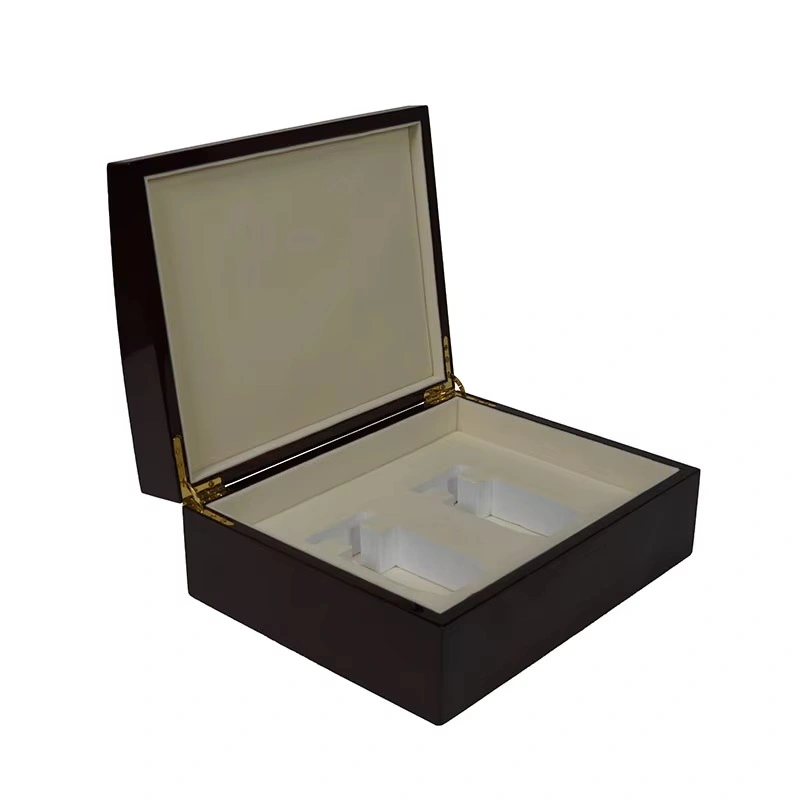
This buffering effect is why wood performs so well without technology.
Understanding thermal buffering
Buffering means reducing extremes.
- Slower heating
- Slower cooling
- Smaller peaks
The product experiences a gentler environment.
Temperature curve comparison
| Environment Change | Plastic Interior | Wooden Box Interior |
|---|---|---|
| Fast heat rise | Sharp spike | Gradual slope |
| Fast cooling | Sudden drop | Slow decline |
| Daily cycles | Repeated stress | Reduced stress |
Gentle curves preserve chemistry.
Wood during long transport
During shipping, temperature rarely stays stable.
- Containers heat during the day
- Cool rapidly at night
- Ports add humidity
Wood smooths these transitions.
Additional humidity regulation
Wood also interacts with moisture.
- Absorbs excess humidity
- Releases it slowly
- Reduces condensation
Plastic does none of this.
Why this matters for packaging design
Good packaging works with nature, not against it.
Wood aligns with how temperature behaves in real life. It accepts change but controls its speed.
How can wooden packaging improve product stability without active temperature control?
Not every brand can afford climate-controlled logistics. Most do not need to.
Wooden packaging improves product stability passively by regulating temperature and humidity without power, sensors, or maintenance. This is its greatest advantage.
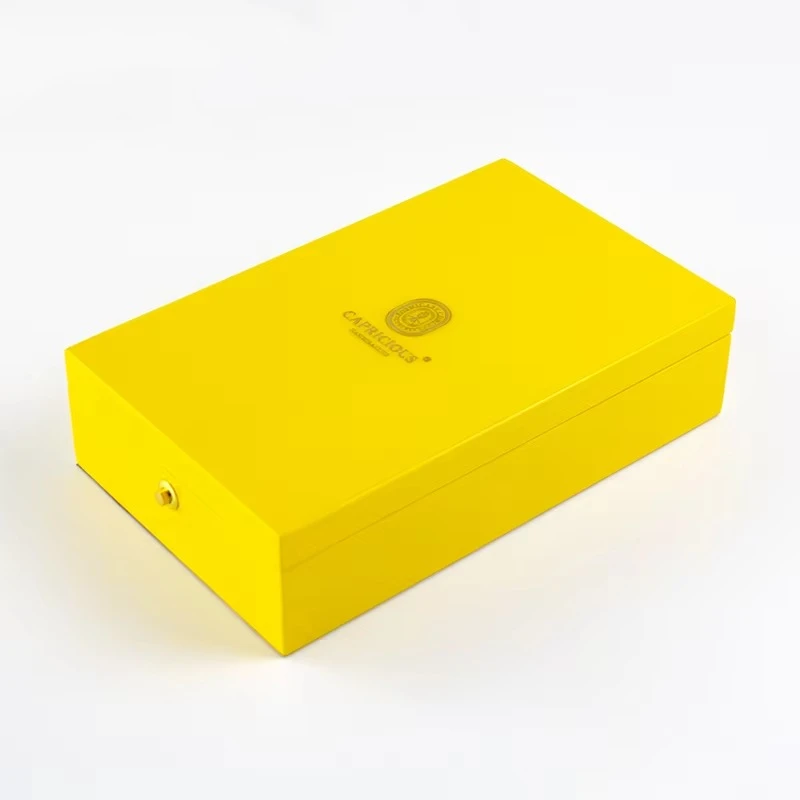
This is why wood has survived centuries of use.
Passive protection vs active systems
Active systems need control.
- Refrigeration
- Monitoring
- Energy
Wood needs none of this.
Key benefits of wooden outer packaging
Thermal stability
- Slows heat exchange
- Reduces shock
Humidity moderation
- Absorbs moisture
- Protects labels and seals
Structural protection
- Reduces vibration
- Adds physical safety
Cost-efficiency over time
| Aspect | Plastique | Boîte en bois |
|---|---|---|
| Initial cost | Faible | Plus élevé |
| Product loss | Plus élevé | Plus bas |
| Returns | More | Fewer |
| Perception de la marque | Neutre | Prime |
Wood often saves money long-term.
Why brands discover this late
Many brands choose wood for looks.
- Premium feel
- Sustainability story
- Gift value
Later, they notice fewer complaints and better shelf performance.
My advice to perfume brands
If your product is sensitive and premium, treat it that way.
You do not need machines. You need smart material choices.
Wood does not fight temperature. It manages it.
Conclusion
Natural wood regulates micro-temperature shifts better than plastic by slowing change, reducing shock, and protecting fragile chemistry. For perfume, this quiet protection makes a real difference.
WoodoBox
Boîtes en bois sur mesure, fabriquées à la perfection

 Français
  English
  Español
  Português
  Deutsch
  Italiano
  العربية