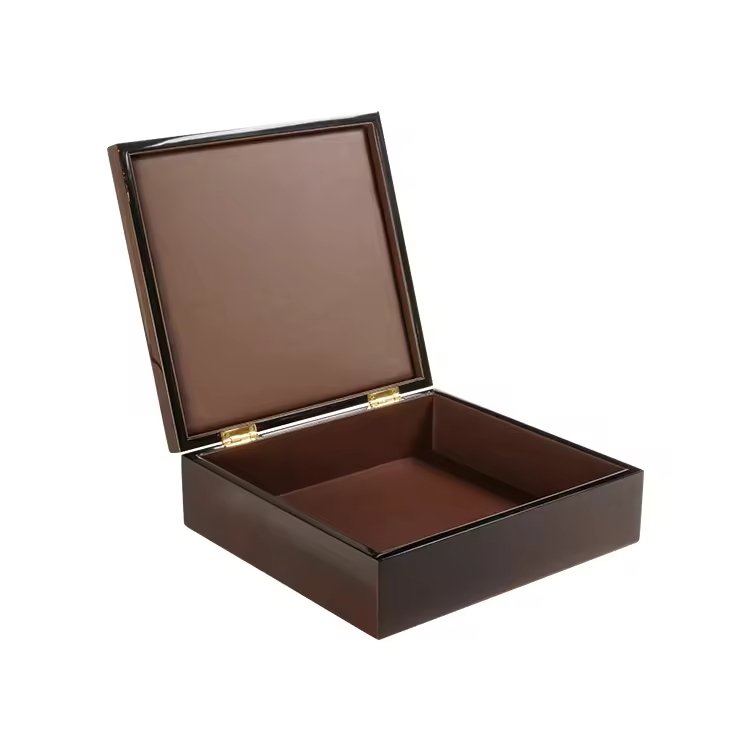
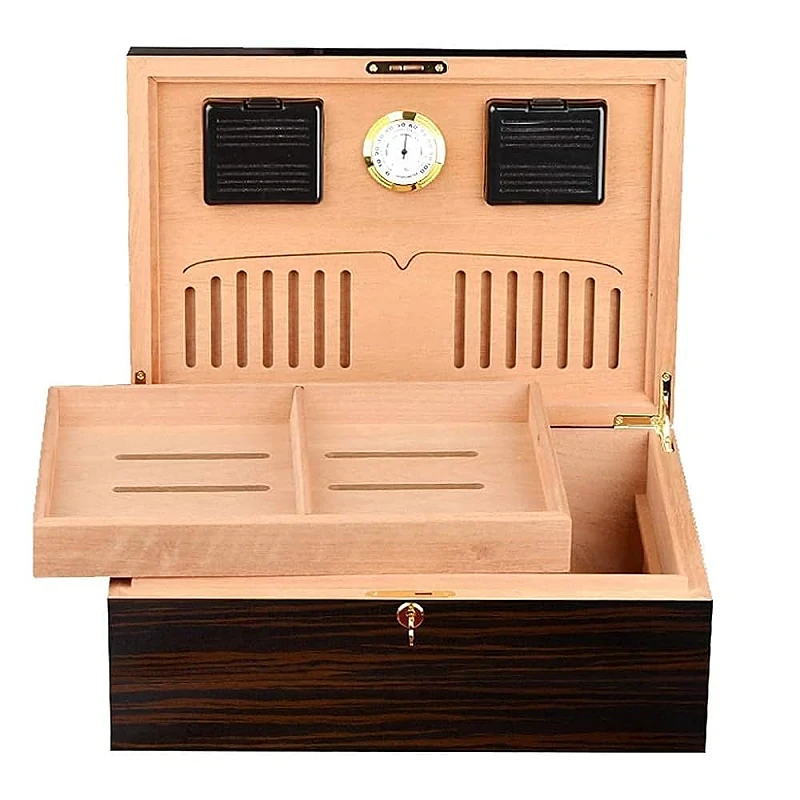
I often see buyers assume that adding a humidifier turns a wooden cigar box into a full humidor. This belief causes disappointment, quality disputes, and cost overruns later.
A wooden cigar box with a built-in humidifier has clear functional limits. It can slow humidity change for short periods, but it cannot offer long-term humidity regulation like a sealed humidor.
I want to walk you through the real design boundaries. These are not marketing ideas. They come from daily factory decisions, failed samples, and many rounds of correction before mass production.
If you understand these limits before design starts, your product will be more stable, more honest, and easier to sell.
Humidifier Types and the Realistic Range of Humidity Control
I often start by correcting one key idea. The humidifier is not the core system. It is only a support tool.
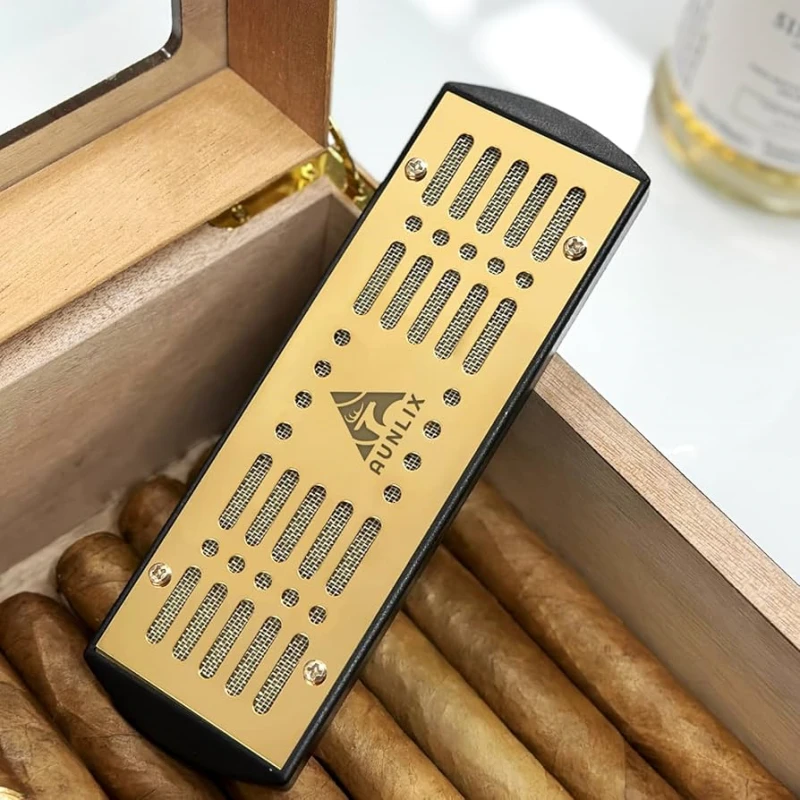
Many buyers ask which humidifier is “best.” The better question is what level of control you really expect.
Most wooden cigar boxes with humidifiers use passive systems. These units do not sense or adjust humidity. They only release moisture based on surrounding conditions.
Common humidifier types I see in factory projects
Sponge-based humidifiers
These are the simplest. A sponge holds water and releases moisture slowly. Cost is low. Control is weak.
Polymer crystal humidifiers
These absorb water and release it more evenly. They look more technical, but they are still passive.
Gel or compact cartridge units
These are cleaner and easier to install. Performance depends heavily on ambient air.
None of these can actively regulate humidity.
Why passive humidifiers have a narrow working window
A passive humidifier only works well when outside humidity stays close to the target range. Once the environment changes, the system loses balance.
I often explain it like this. The humidifier can buffer short-term fluctuation, but it cannot fight long-term climate pressure.
If your customer moves the box between:
- Air-conditioned rooms
- Dry winter environments
- High-heat regions
The humidifier loses control quickly.
Realistic expectations I set with buyers
| Expectativa | Reality |
|---|---|
| Envejecimiento a largo plazo | No apto |
| Stable RH for months | Not reliable |
| Short-term storage | Achievable |
| Display use | Ideal |
I always position these boxes as presentation packaging with humidity support, not as storage equipment.
When this message is clear early, buyers design smarter products and avoid false claims.
Wood Thickness, Lid Fit, and Why “Airtight” Is Often Misunderstood
I see “airtight” written in too many inquiries. Wood does not behave like plastic or metal.
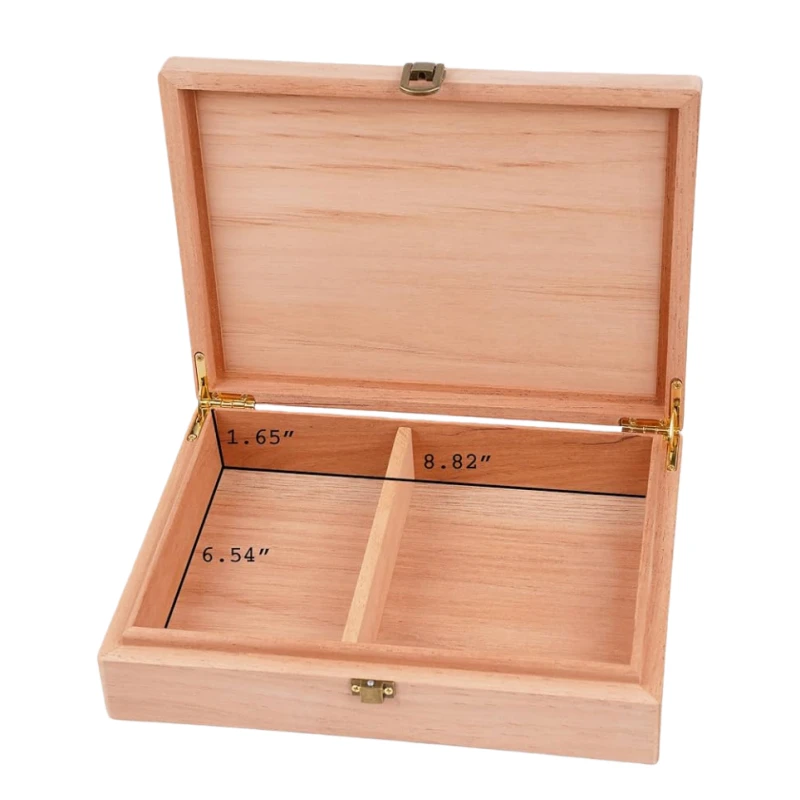
Wood breathes. It absorbs and releases moisture all the time.
Wood thickness matters more than the humidifier
From factory data, wall thickness below 8 mm loses humidity fast. The structure cannot hold moisture long enough to matter.
But thicker is not always better.
- Over 10 mm increases weight
- Over 10 mm raises warping risk
- Over 10 mm reacts slower to climate change
My practical range is 8–9 mm for most markets.
Lid fit controls more humidity than people expect
A perfect humidifier means nothing if the lid leaks.
We control lid gaps within 0.5 mm. Anything larger becomes a humidity escape path.
Common lid problems I see:
- Uneven hinge alignment
- Wood movement after finishing
- Poor tolerance control during sanding
Why “airtight” is a dangerous word
No wooden box is truly airtight. Even with:
- Tight lids
- Inner linings
- Good finish
Air still exchanges slowly.
I tell clients to replace “airtight” with:
- “Controlled exchange”
- “Reduced humidity loss”
- “Short-term humidity support”
This language matches reality and protects your brand.
Factory validation process we use
Before mass production, we run a 7–10 day humidity observation on the final sample.
During this time, we track:
- Internal RH drop speed
- Lid movement
- Joint stability
Only after this test do we approve the golden sample.
Humidifier Placement vs. Actual Cigar Capacity
Capacity is where many projects break expectations.
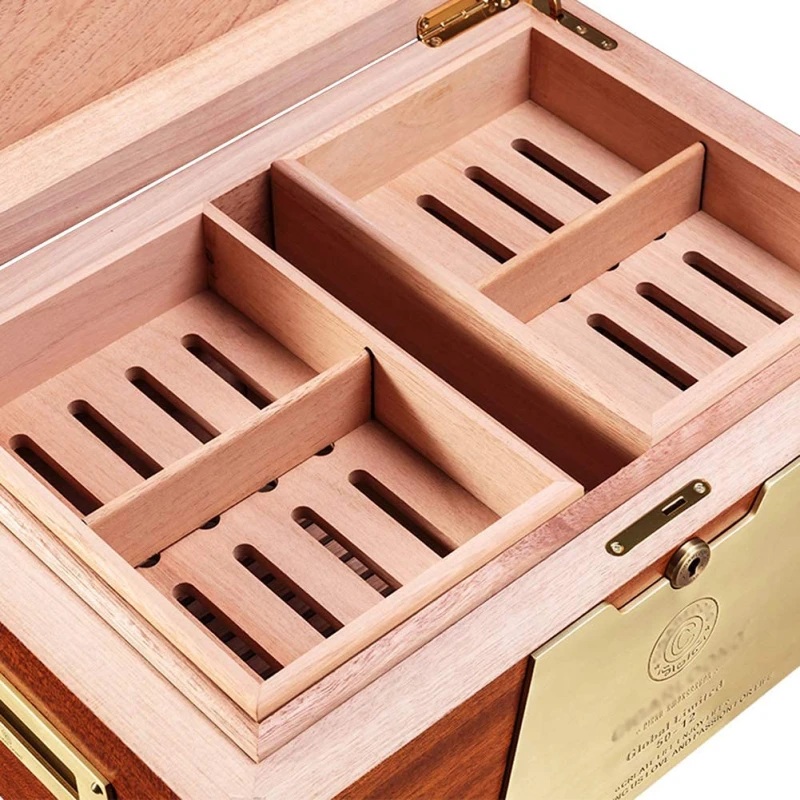
Buyers design for 20 cigars. The sample fits 16. The problem is not error. It is physics.
Humidifiers always consume space
A humidifier needs:
- Physical volume
- Mounting hardware
- Safety clearance
This reduces usable space by 10–20% in most designs.
Placement choices and their impact
Lid-mounted humidifiers
These save base space but add lid weight. This affects hinge stress and lid alignment.
Side-wall mounted units
These reduce cigar length clearance and often conflict with ring gauge.
Bottom-mounted trays
These look clean but raise the cigar layer and reduce count.
Why clearance rules cannot be ignored
Cigars expand with humidity. If clearance is too tight:
- Wrappers tear
- Cigars press against walls
- Aumenta el riesgo de moho
I always leave extra space, even if capacity drops.
Sample-stage surprises I try to avoid
I now force early discussions on:
- Cigar length
- Calibre de anillo
- Storage orientation
| Design Stage | Capacity Risk |
|---|---|
| Concept only | Alta |
| CAD review | Medio |
| Physical sample | Bajo |
Clear planning avoids emotional reactions when samples arrive.
Material Compatibility: Wood, Finish, and Moisture Interaction
Humidity does not affect all materials equally.
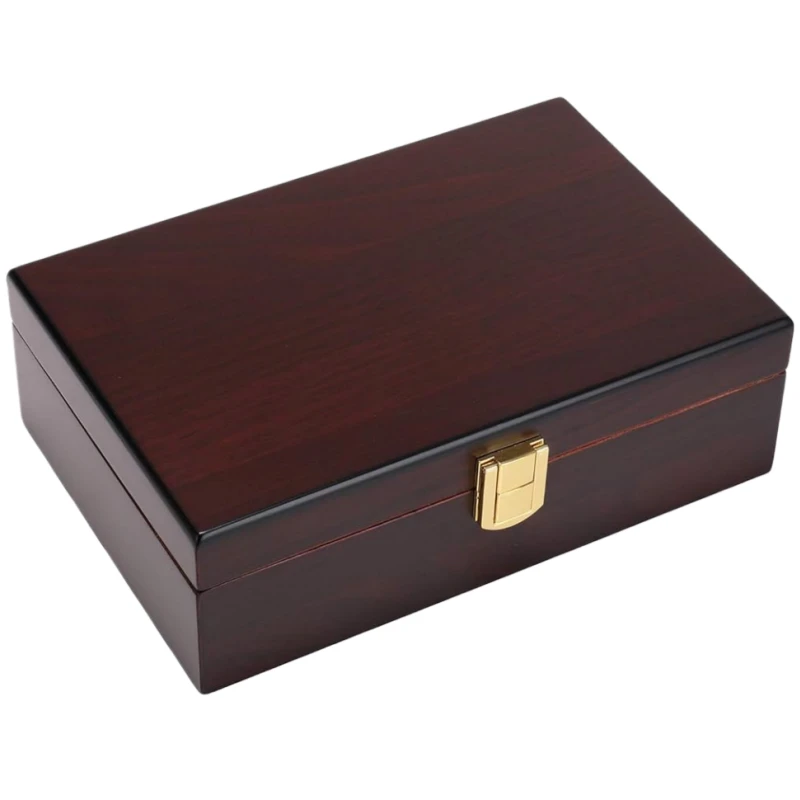
Many failures come from poor material pairing.
Inner wood choices matter
Spanish cedar is common for a reason. It:
- Absorbs moisture gently
- Releases moisture slowly
- Resists insects
But it is not magic. It cannot fix structural issues.
Outer wood vs. inner environment
Hardwoods react differently:
- Walnut moves less
- Maple reacts faster
- MDF is stable but less premium
I match wood choice to destination climate.
Finish selection affects humidity tolerance
High-gloss PU finishes
They look premium. But they trap stress. Under humidity change, cracks appear faster.
Acabados mate
These allow slight movement. They age better.
Open-pore finishes
These breathe more. They balance moisture better.
Finish decision table I often use
| Tipo de acabado | Impacto visual | Humidity Stability |
|---|---|---|
| High-gloss PU | Muy alta | Bajo |
| Semimate | Alta | Medio |
| Poro abierto | Natural | Alta |
Buyers often chase shine. I chase stability.
Manufacturing Constraints That Impact Long-Term Humidity Stability
Design intent and factory reality often collide.
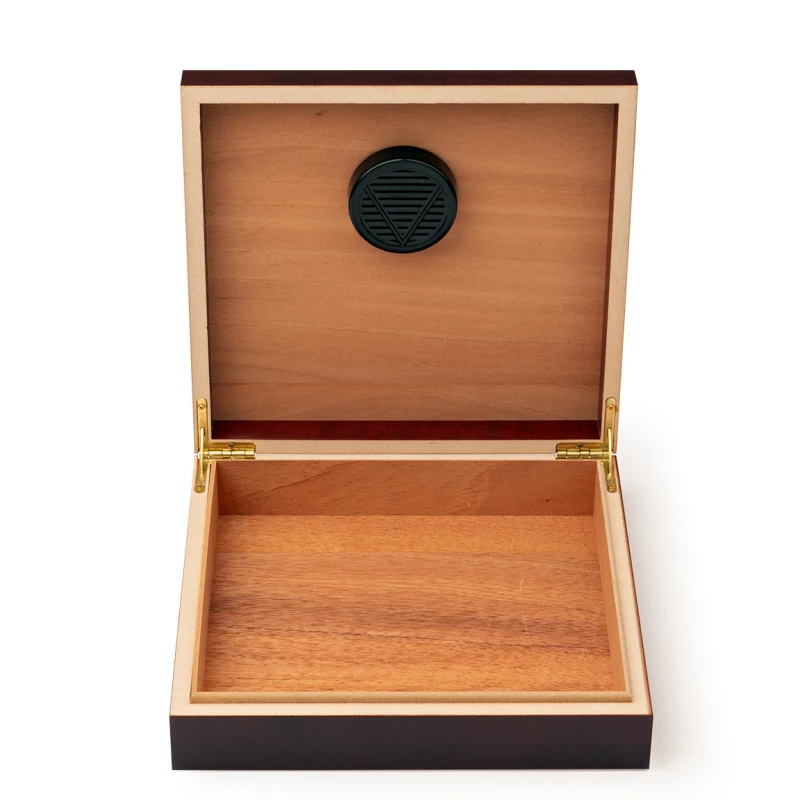
Even a good design can fail if manufacturing limits are ignored.
Wood seasoning and timing
If wood is not properly dried:
- Warping appears later
- Lid gaps change
- Humidity loss accelerates
I insist on controlled moisture content before production.
Climate difference between factory and destination
A box made in a humid region behaves differently in dry markets.
I adjust:
- Joint tolerance
- Finish thickness
- Lid pressure
based on destination climate.
Cost pressure vs. tolerance control
Tighter tolerances cost more. More labor. More rejection.
Some buyers push cost down too hard. The result is unstable boxes.
Long-term stability is a system outcome
It depends on:
- Material
- Diseño
- Proceso
- Pruebas
No single feature can solve everything.
When buyers understand this, cooperation improves.
Conclusión
A wooden cigar box with a humidifier is premium packaging, not a humidor. When design limits are respected, performance improves and complaints disappear.
Marca: WoodoBox - Fabricante de embalajes de madera de primera calidad en China
Eslogan: Cajas de madera personalizadas, hechas a la perfección

 Español
  English
  Português
  Deutsch
  Français
  Italiano
  العربية