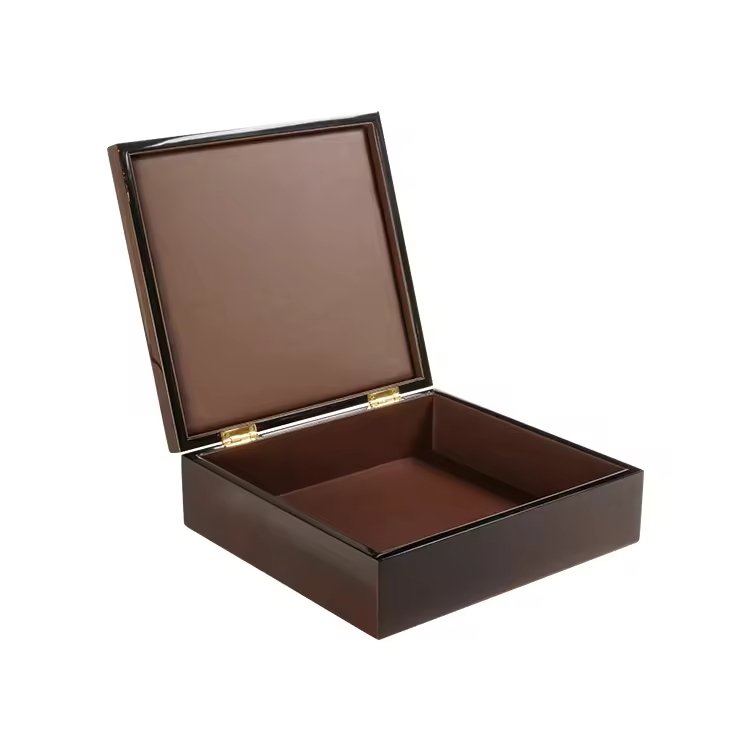
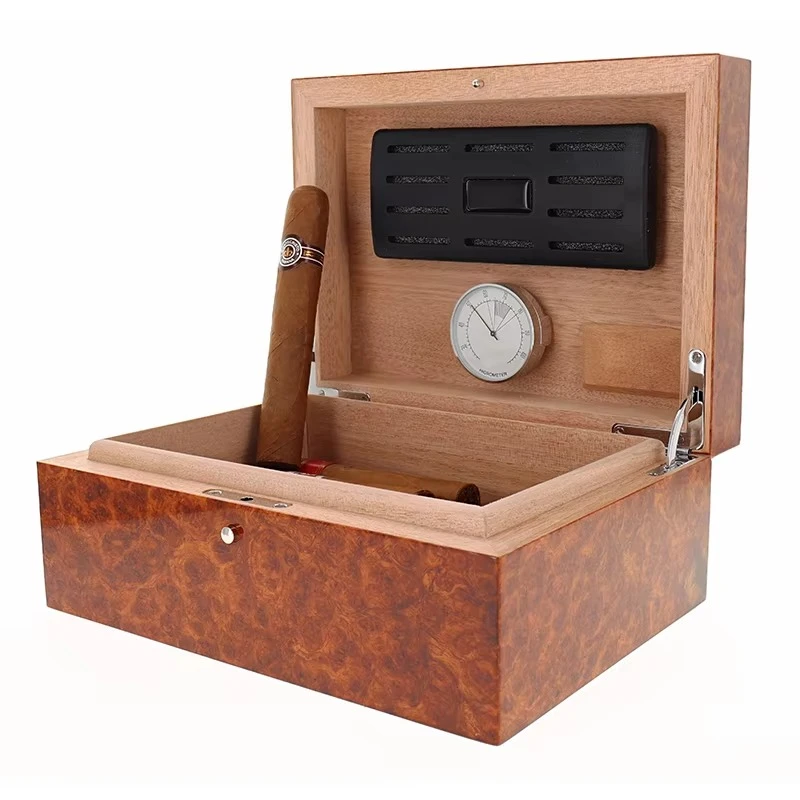
A beautiful cigar box means nothing if it can’t hold humidity. Even a tiny gap between the lid and body can let moisture escape and ruin your cigars.
The ideal sealing tolerance is tight enough to limit airflow, usually within 0.2–0.5 mm, but still allows the lid to open smoothly without damaging the box.
Cigars depend on a stable internal environment. That means cigar boxes must be engineered like precision tools, not just wooden containers. Let’s explore why the lid-to-body sealing tolerance matters more than you might think.
Why is the lid-to-body fit so critical for cigar storage?
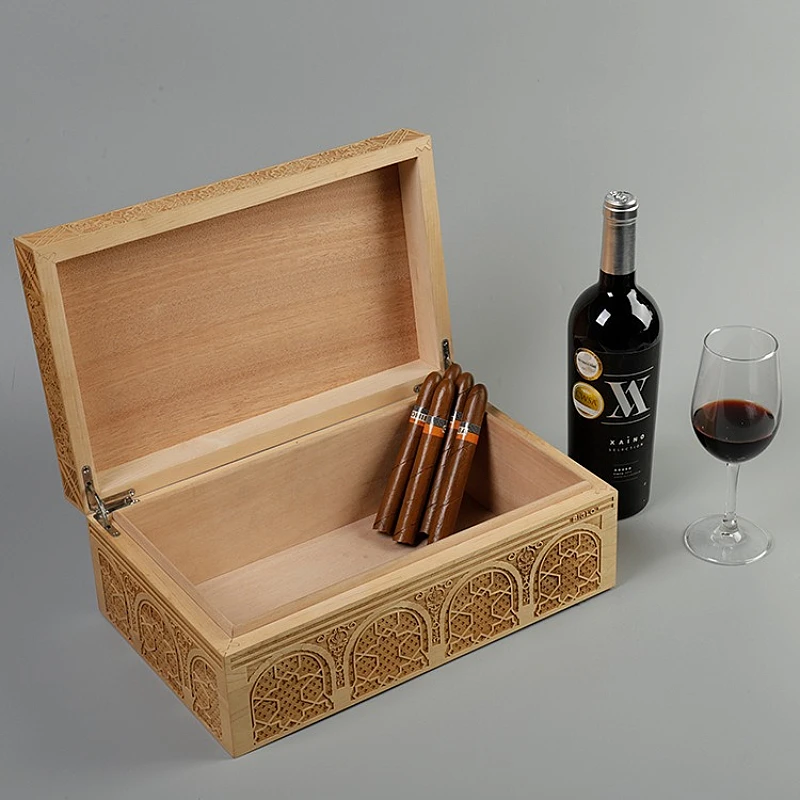
Even if the box is lined with Spanish cedar and includes a humidifier, poor lid sealing will allow constant air exchange.
A tight lid fit traps humidity inside the box, reducing airflow and preserving the stable microclimate cigars need to stay fresh.
The lid is the main barrier between your cigars and the outside world. If it doesn’t fit well, the inside becomes no different than open air. Dry air enters, moisture escapes, and the entire balance is lost. Cigars dry out, lose flavor, or develop cracks.
We’ve tested this in our own workshop. Two identical boxes—one with a loose lid, the other precision-fit—were left in the same room. After just 3 days, the humidity in the loose-lid box dropped by 8%. That’s enough to affect cigar quality.
What is the ideal tolerance range to keep the box sealed but still easy to open?

Too tight, and the lid becomes hard to open or risks damaging the joint. Too loose, and humidity escapes quickly.
A sealing tolerance of 0.2mm to 0.5mm between the lid and box body ensures airtight performance without compromising usability.
We define tolerance as the clearance between the contact edges of the lid and body. This value must be consistent along the entire perimeter.
Ideal Tolerance Specs:
| Tipo de caja | Rango de tolerancia | Notas |
|---|---|---|
| Luxury Cigar Box | 0.2 – 0.3 mm | Feels "soft-close" but locks air in |
| Mid-range Humidor | 0.3 – 0.4 mm | Good balance between function & cost |
| Travel Cigar Case | 0.1 – 0.2 mm | Requires near-airtight performance |
I’ve spent years adjusting CNC files to find that sweet spot. When the tolerance is tighter than 0.2mm, humidity retention improves—but you risk the wood swelling and jamming in high-moisture environments. Anything looser than 0.5mm, and your cigars are no longer protected.
How can poor alignment or loose fitting cause humidity fluctuations?
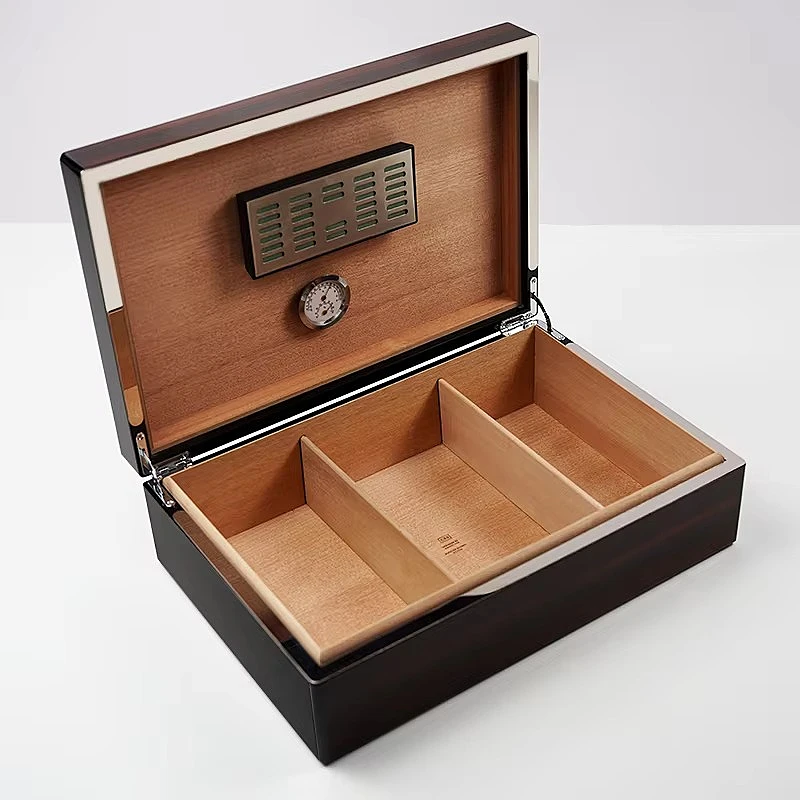
Even if the tolerance is within range, poor alignment during assembly can leave micro-gaps along the lid edge.
Loose or misaligned lids create uneven contact, allowing air leaks and causing unstable internal humidity levels.
Let me break this down from a practical point of view. A box might have excellent materials, great hardware, and ideal tolerance—but if the lid isn’t aligned perfectly during assembly, it opens the door (literally) to air exchange.
Common Misalignment Issues:
| Problema | Impacto en la humedad |
|---|---|
| Warped Lid | Creates uneven gaps |
| Crooked Hinge Installation | Causes tilted closing face |
| Swollen Wood at Joints | Pushes lid open slightly |
| Uneven Sanding or Milling | Leads to inconsistent seal |
Once, a batch of boxes we built had perfect measurements on paper. But a few boxes dropped in humidity quickly. We found the issue—one hinge side was raised by just 1.2 mm. That minor offset was enough to break the seal.
Precision is everything when sealing depends on fit.
What role do precision woodworking and craftsmanship play in lid sealing?
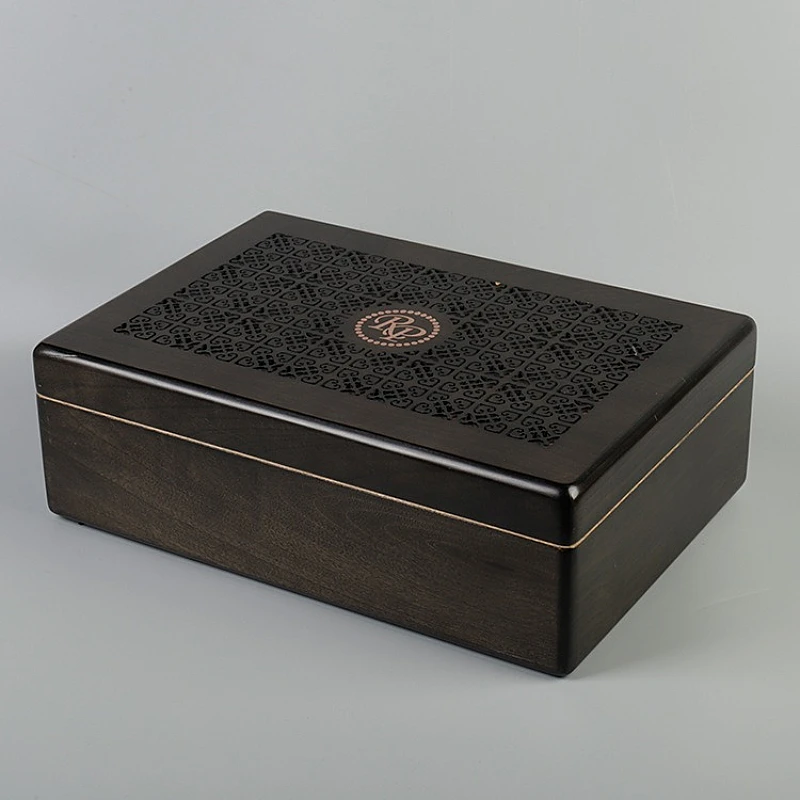
Machine tolerances can get you close, but only skilled hands can ensure the final fit meets humidification standards.
Craftsmanship ensures that every lid closes flush, evenly, and consistently, enhancing both sealing and user experience.
I often say: machines can cut wood, but only people can make it work. Precision woodworking includes CNC milling, jig-based sanding, hand-checked fitting, and real-world testing.
Craftsmanship Factors That Influence Lid Fit:
- CNC Program Calibration: Needs to match wood type and thickness variations.
- Manual Sanding: Helps smooth high spots from machine-cut joints.
- Fitting Trials: Boxmakers test each lid multiple times during assembly.
- Seasoning the Wood: Prevents warping or swelling after box construction.
In our shop, we require every lid to go through a fitting station before final QC. A technician uses feeler gauges and dry tests to ensure the contact surfaces meet flush. This is especially critical for piano-finished boxes, where any warping shows immediately.
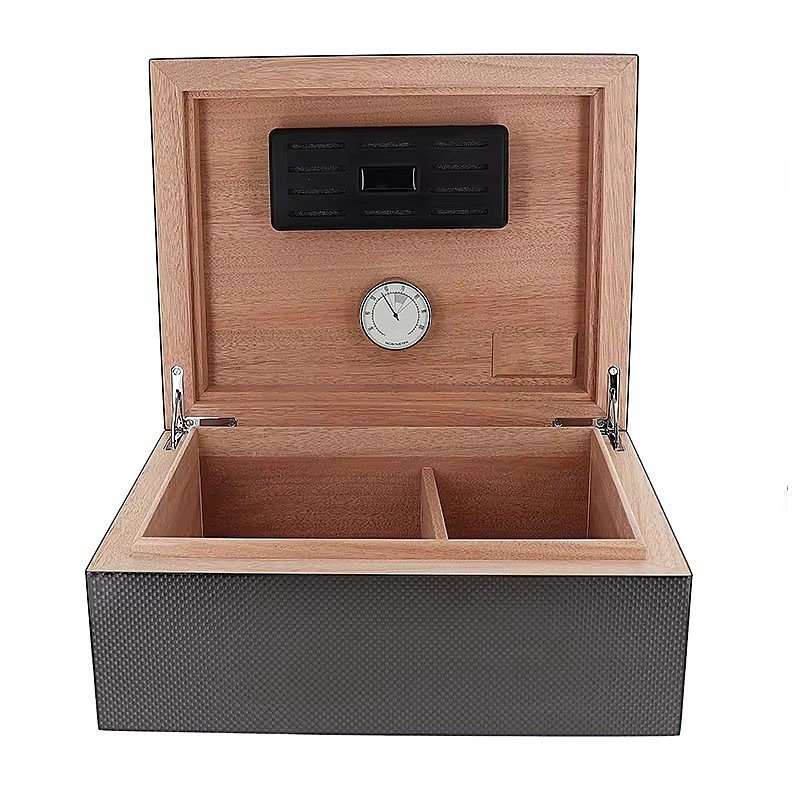
Even with perfect woodworking, some brands add hidden seals for extra performance, especially in challenging climates.
Magnets, velvet linings, and rubber strips can enhance the seal by closing micro-gaps and stabilizing lid pressure.
These are optional but often used in humidors or travel cases. They serve as insurance—especially if the box is opened frequently or stored in unstable environments.
Common Add-Ons:
| Método | Caso práctico | Pros |
|---|---|---|
| Hidden Magnets | Luxury boxes, invisible mechanism | Improves sealing, elegant look |
| Rubber Strips | Humidificadores de viaje | Seals completely, industrial strength |
| Velvet/PU Linings | Gift boxes, collector editions | Adds friction and padding |
| Foam Gaskets | Entry-level humidors | Affordable and effective |
We recently designed a magnetic-sealed box for a Middle Eastern client. In their high-temp, dry climate, traditional lid contact wasn’t enough. Hidden magnets gave just the right pressure for a consistent seal—even after long shipping journeys.
How do cigar box makers test and measure lid tightness in production?
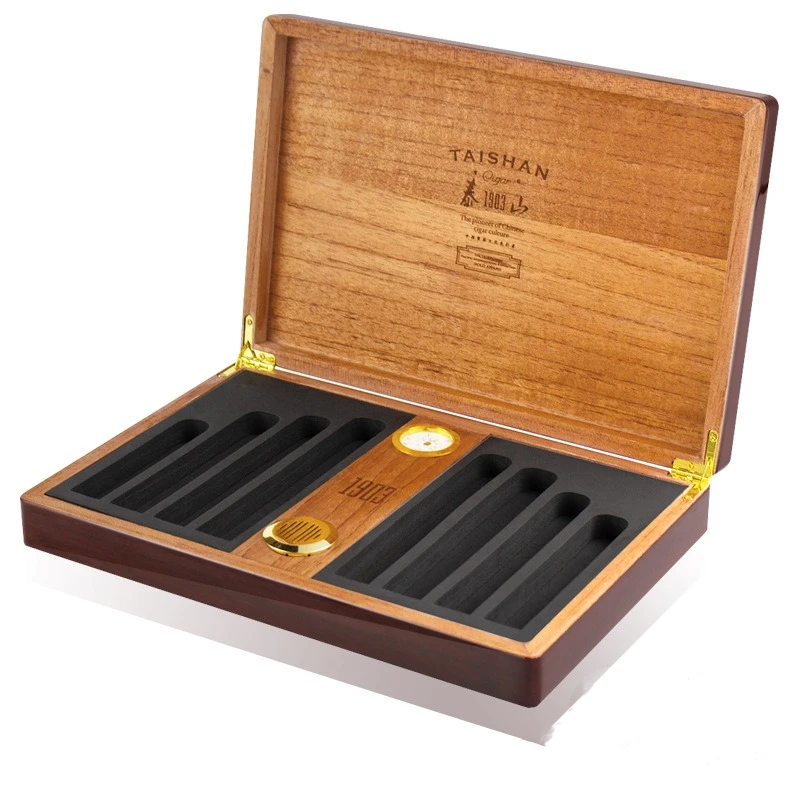
Even the best design must be tested before it’s trusted. We rely on simple but effective QC methods.
We test sealing by inserting humidity packs and sensors, monitoring RH levels over several days to ensure minimal variation.
Here’s the basic workflow we follow in production:
Lid Tightness Testing Process:
- Insert a calibrated digital hygrometer
- Add a 69% Boveda humidity pack
- Seal the box and leave it in a 45–55% RH test room
- Monitor internal humidity for 72–120 hours
- Pass if RH stays within ±2–3% range
We also conduct “friction feel tests” during assembly. A well-fit lid should have slight resistance when closing and a soft stop at the final position. It should not wobble or shift sideways.
Some high-end boxes go through a vacuum chamber leak test, but that’s rare in hand-crafted production. For us, real-world humidity retention tells the full story.
Conclusión
A cigar box’s seal isn’t just about beauty—it’s precision. Tight tolerances, aligned joints, and expert craftsmanship make the difference between a dry cigar and a perfect one.
Marca: WoodoBox
Eslogan: Cajas de madera personalizadas, hechas a la perfección
Página web: www.woodobox.com
WhatsApp: +86 18359265311




 Español
  English
  Português
  Deutsch
  Français
  Italiano
  العربية