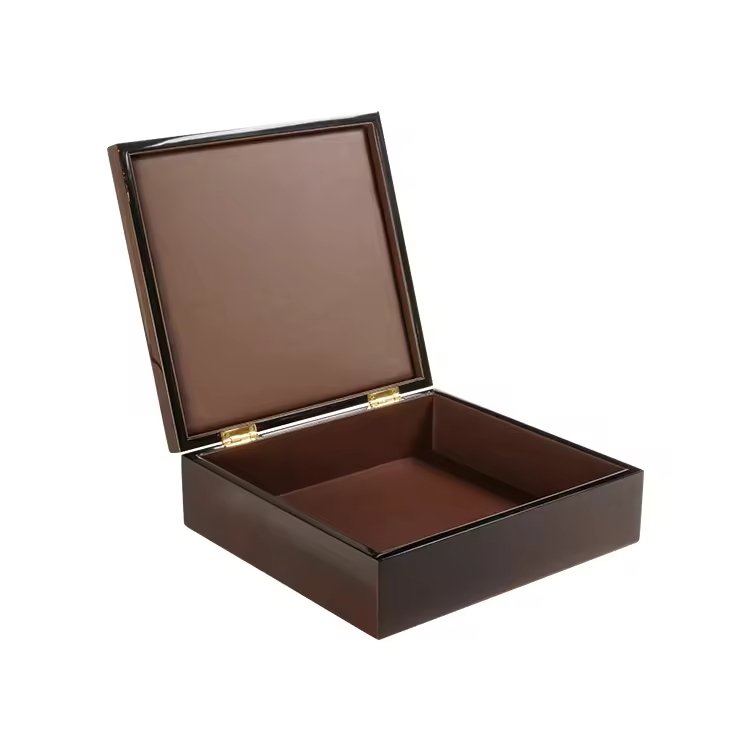
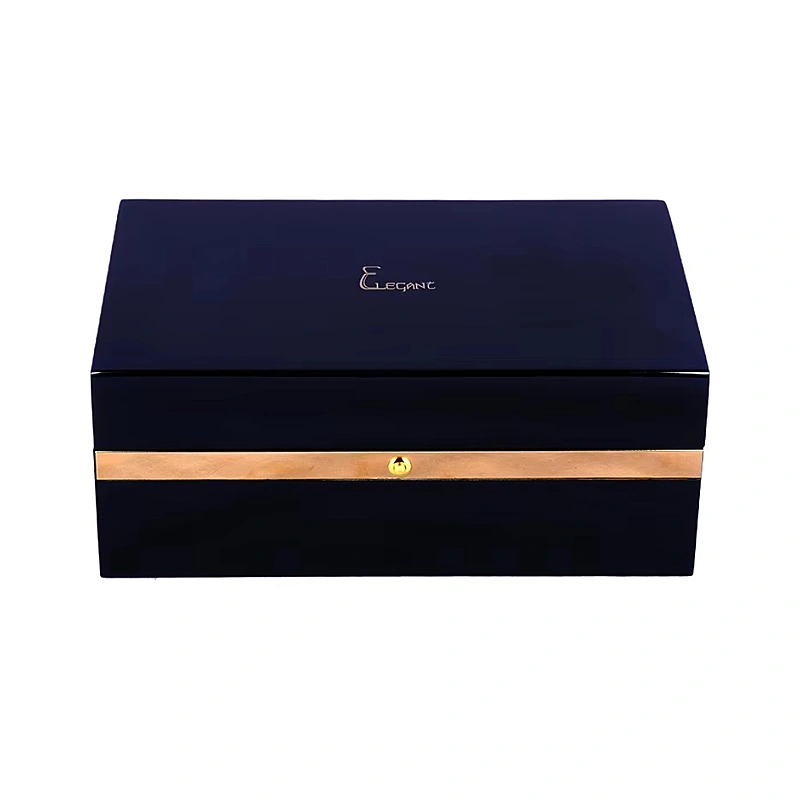
When selecting packaging for perfumes, wood density plays a critical role in ensuring the fragrance’s longevity. But how does the density of wood affect perfume preservation?
Denser woods, like walnut or teak, act as natural insulators, providing better protection against environmental changes such as temperature fluctuations and humidity, ensuring the perfume remains stable for longer.
Let’s dive deeper into how the density of wood impacts perfume preservation and why it matters.
Why Does Wood Density Matter When Protecting Perfume From Environmental Changes?
How does the density of the wood surrounding the perfume bottle influence how it reacts to environmental factors like light, temperature, and humidity?
The denser the wood, the more effectively it resists changes in temperature, humidity, and light, creating a more stable environment for the perfume.
The Impact of Wood Density on Environmental Changes
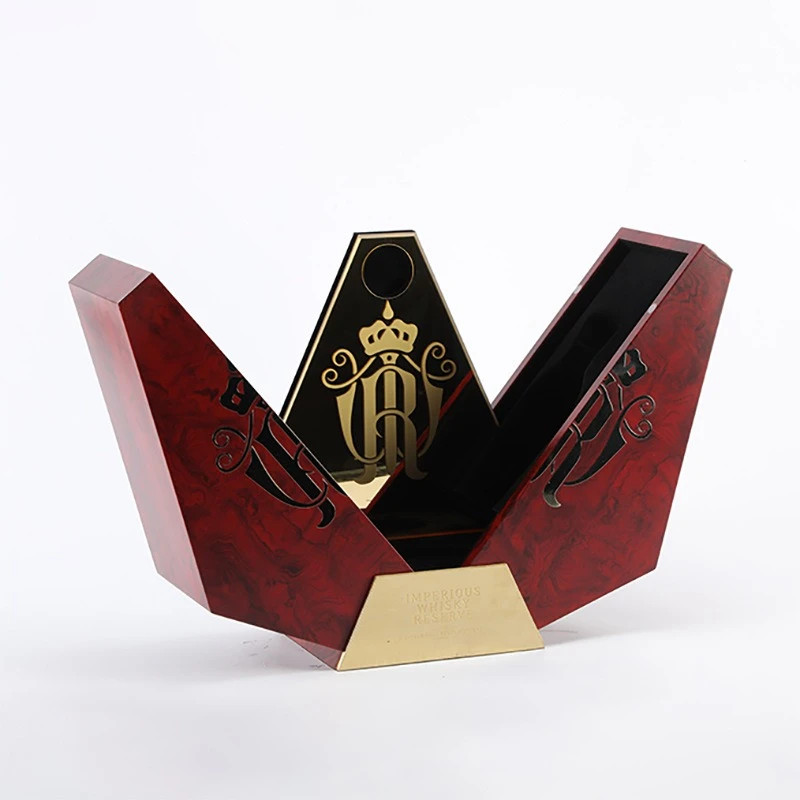
Wood is a natural material that reacts to environmental conditions. The denser the wood, the slower it absorbs or releases heat and moisture. This means that perfumes stored in high-density wooden boxes are better protected from rapid temperature and humidity fluctuations, which could otherwise cause the fragrance to degrade. The natural structure of dense wood creates an environment where changes occur gradually, giving the perfume a better chance to maintain its composition over time.
Light and Physical Movement Protection
In addition to temperature and humidity, the denser the wood, the better it can block out light, another key factor in perfume preservation. The more solid and opaque the wood, the less UV light reaches the perfume bottle. This slow transfer of environmental changes ensures that perfume bottles are more protected from external disturbances.
How Do High-Density Woods Provide Better Insulation Against Temperature Fluctuations?
Why are high-density woods, like walnut or rosewood, considered the best choice for temperature control?
High-density woods act as natural insulators, slowing down temperature changes and protecting the perfume from sudden shifts.
Natural Insulation Properties of High-Density Woods
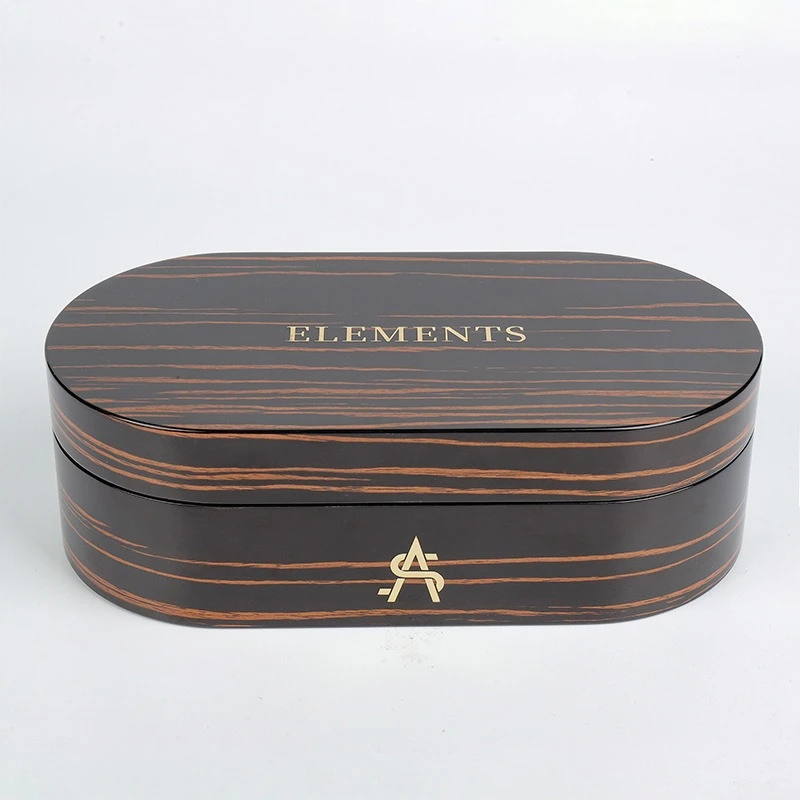
High-density woods are tightly packed with fibers, which create a natural barrier that resists heat and cold. This insulation effect makes it much harder for temperature changes to penetrate the wood quickly. When a perfume bottle is stored in a high-density wooden box, it experiences slower transitions in temperature, helping to keep the fragrance stable. This is particularly important because sudden temperature fluctuations can cause the perfume molecules to expand and contract rapidly, which accelerates oxidation and can weaken the scent’s top notes.
Slow, Healthy Aging of Perfume
The slow change in temperature within high-density wooden boxes contributes to the perfume aging more healthily. Instead of the fragrance molecules reacting to abrupt environmental changes, they are allowed to settle into a more stable state. This ensures that the fragrance maintains its intended composition, preserving the freshness of the top notes and the depth of the base notes.
| Material | Temperature Resistance | Aging Process |
|---|---|---|
| High-Density Wood | Excellent Insulation | Slow, Healthy Aging |
| Low-Density Wood | Minimal Insulation | Rapid Aging |
What Advantages Do Medium-Density Woods Offer for Balancing Protection and Weight?
How do medium-density woods like ash or maple balance the need for protection with practicality?
Medium-density woods offer a balanced performance, providing reliable protection without being too heavy or difficult to handle.
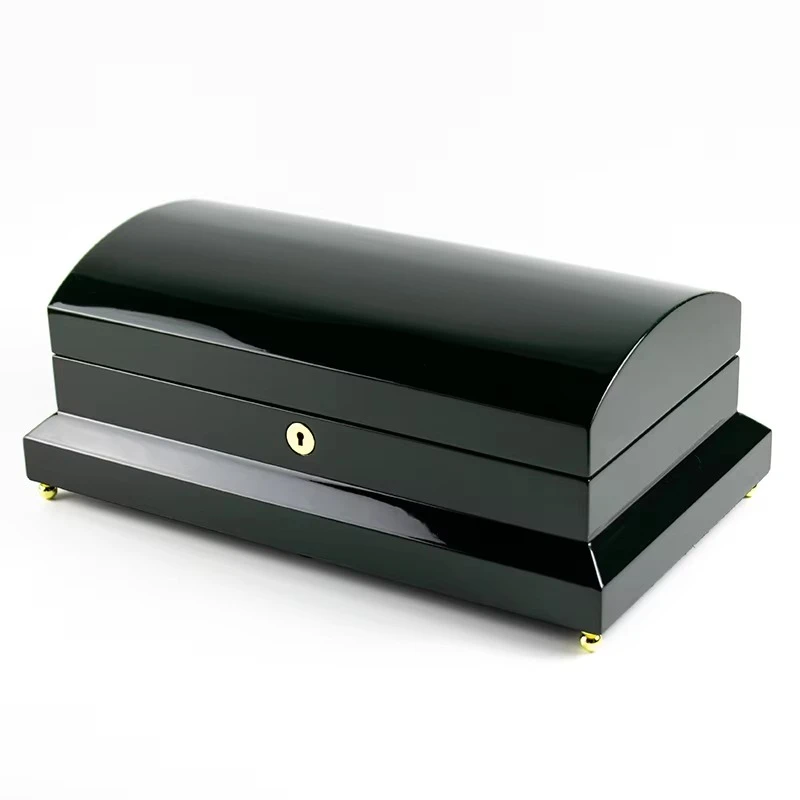
Versatility of Medium-Density Woods
Medium-density woods like ash and maple provide a middle ground between high-density options like walnut and low-density woods like pine. These woods still offer effective protection against temperature changes and humidity but without the added weight and bulk that higher-density woods bring. This makes them ideal for brands that need functional preservation while keeping the packaging lightweight and cost-effective.
Cost-Effective Protection
While they don’t offer the same level of insulation as high-density woods, medium-density woods still provide enough protection to ensure the fragrance remains stable during shipping and storage. Many fragrance brands appreciate the balance that medium-density woods offer, as they provide adequate preservation without significantly increasing the cost of the packaging.
| Material | Weight & Protection | Eficiencia de costes |
|---|---|---|
| Medium-Density Wood | Moderate Protection | Asequible |
| High-Density Wood | Superior Protection | Premium Price |
How Can Low-Density Woods Influence Light, Heat, and Moisture Resistance Differently?
What makes low-density woods less effective at protecting perfumes from environmental factors?
Low-density woods allow more heat, moisture, and light to penetrate the box, making them less suitable for long-term perfume preservation.
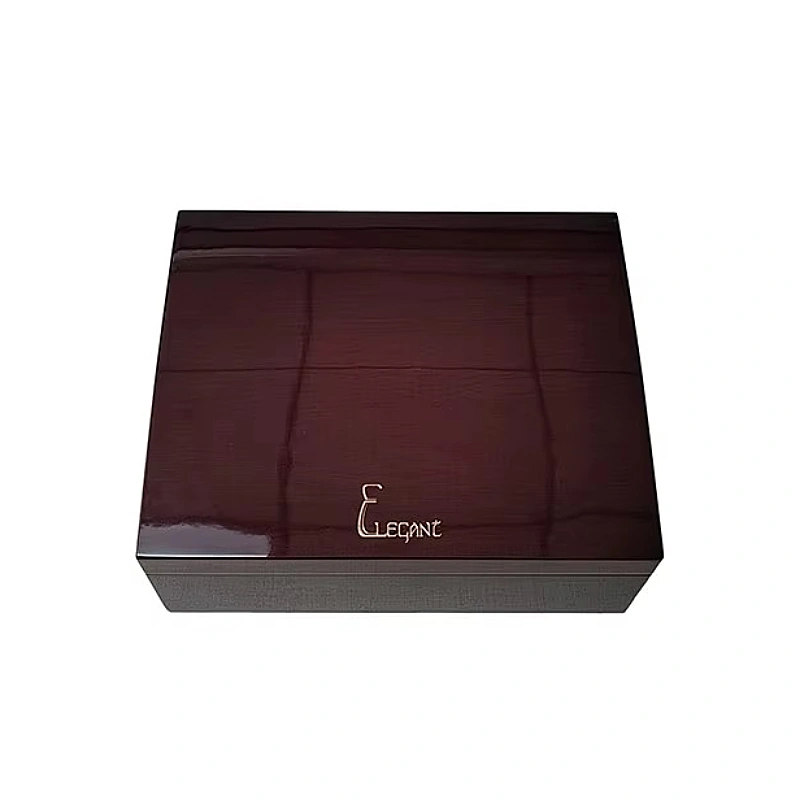
Light and Moisture Penetration in Low-Density Woods
Low-density woods, such as pine or paulownia, are more breathable than their denser counterparts. While this makes them lighter and easier to work with, it also means they allow environmental changes—especially temperature and moisture—to pass through more easily. These woods provide some protection, but they are not as effective as higher-density woods in controlling heat, humidity, or light.
Breathing Properties of Low-Density Woods
Low-density woods are often used for decorative purposes or in packaging designed for short-term storage. They are ideal for boxes where aesthetics and weight are more important than long-term preservation. However, when used for perfume packaging, they may allow the fragrance to experience fluctuations in temperature and humidity that could accelerate aging.
| Material | Light & Moisture Resistance | Caso de uso ideal |
|---|---|---|
| Low-Density Wood | Less Effective | Short-Term Storage |
| High-Density Wood | Excelente | Long-Term Preservation |
How Do Brands Choose the Right Wood Type to Support Long-Term Perfume Stability?
How do brands determine the best wood type for perfume preservation over time?
Fragrance brands select woods based on their needs for temperature, light, and moisture control, considering factors like longevity, cost, and aesthetic appeal.
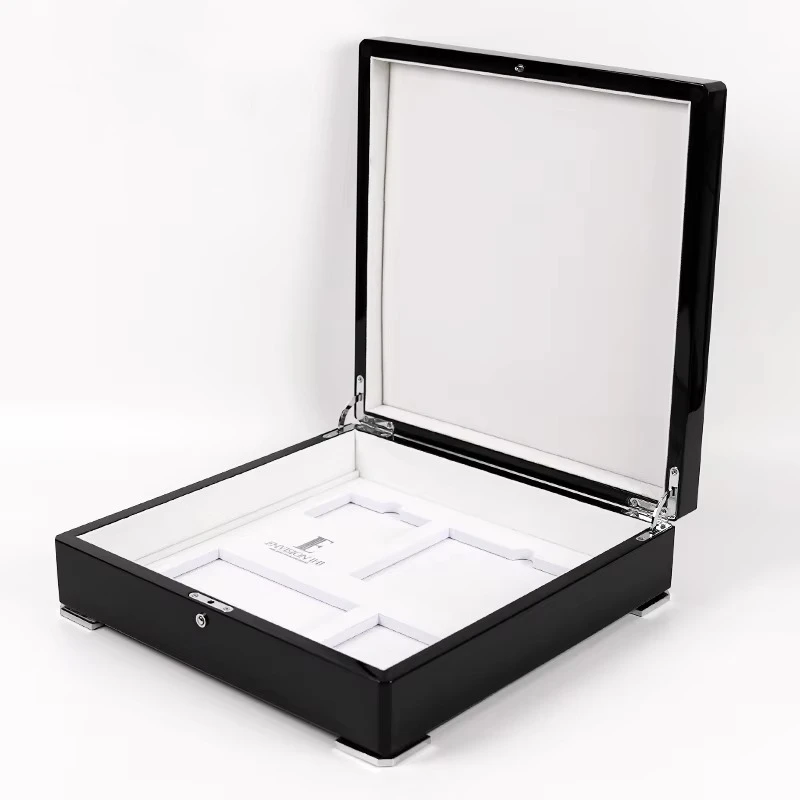
The Role of Wood Selection in Fragrance Preservation
When choosing a wood for packaging, fragrance brands must consider the specific environmental conditions their product will face. For perfumes intended for long-term storage, high-density woods are often the preferred choice, as they provide superior protection against external influences. For brands that need a balance of cost, weight, and durability, medium-density woods offer a functional yet affordable option. Low-density woods are typically reserved for decorative packaging or short-term display purposes.
Balancing Functionality and Aesthetics
Aside from functional considerations, wood selection is also influenced by aesthetic preferences. Some brands may prefer the rich look of high-density woods like walnut or rosewood, while others may choose lighter woods for a more minimalist or cost-effective design. Ultimately, the choice of wood is about ensuring that the perfume arrives in optimal condition while aligning with the brand’s image and pricing strategy.
| Material | Propósito | Brand Preference |
|---|---|---|
| High-Density Wood | Long-Term Preservation | Premium, High-End |
| Medium-Density Wood | Balanced Performance | Practical, Versatile |
| Low-Density Wood | Decorative Packaging | Rentable |
Conclusión
The density of wood plays a crucial role in perfume preservation, with higher-density woods offering better insulation and stability. By choosing the right wood type, brands ensure their perfumes are stored in the ideal environment for long-term quality.
Marca: WooDoBox
Eslogan: Cajas de madera personalizadas, hechas a la perfección

 Español
  English
  Português
  Deutsch
  Français
  Italiano
  العربية