Most perfume bottles look safe once they sit still. The real problem appears slowly. Time, gravity, and tiny movements cause damage that many brands only notice years later.
Foam inserts preserve original bottle condition by stopping micro-movement, spreading pressure evenly, and absorbing vibration over long periods of storage.
I have worked with perfume brands, collectors, and storage projects for more than 15 years. From my experience, foam inserts are not about impact protection. They are about stress control over time. Once you understand this, long-term bottle preservation becomes much clearer.
How Do Foam Inserts Prevent Micro-Movement That Causes Long-Term Wear?
Even when a bottle looks perfectly still, it is never fully motionless. Small movements happen every day. Over time, these movements create wear in places people do not expect.
Foam inserts prevent micro-movement by locking the bottle into a fixed position and stopping rotation, sliding, and vertical play.
Why micro-movement is the real enemy
I often explain this to clients with a simple idea. One strong impact may break a bottle. But thousands of tiny movements slowly weaken it.
Common sources of micro-movement include:
- Footsteps near storage shelves
- Doors opening and closing
- Vibrations from air conditioning or electronics
- Shelving flex under load
- Small temperature changes
Each movement is minor. But together, they create constant stress.
What happens without foam inserts
When bottles sit freely inside boxes or on shelves:
- The base slides slightly
- The body rotates by fractions
- The neck takes repeated bending stress
- The cap threads slowly loosen
Over months or years, this leads to visible problems.
How foam inserts stop this process
A well-designed foam insert grips the bottle at controlled points. It removes free space while avoiding excessive force.
Key design features include:
- Tight tolerance around the bottle body
- Vertical depth control to stop bouncing
- Sidewall support to stop rotation
The bottle becomes part of the insert system.
Foam fit matters more than foam softness
Many buyers ask about foam density first. I always ask about fit first.
He aquí una comparación sencilla:
| Factor | Loose Fit Foam | Precision Fit Foam |
|---|---|---|
| Bottle movement | Alta | Mínimo |
| Neck stress | Concentrated | Reducido |
| Long-term wear | Más rápido | Más lento |
| Storage safety | Inestable | Estable |
A precise cut matters more than softness.
My practical observation
In long-term storage projects, bottles held by foam inserts show:
- Less cap loosening
- Fewer micro-cracks near the neck
- Better label condition
- Better resale appearance
Micro-movement control is the foundation of long-term preservation.
Why Is Pressure Distribution More Important Than Softness in Bottle Preservation?
Many people think soft foam is always better. In reality, softness alone can create new problems.
Pressure distribution matters more than softness because uneven load creates long-term stress at weak points.
Gravity never stops working
A bottle always has weight. During storage, gravity pushes that weight downward every single day.
Without proper support:
- The base takes most of the load
- The neck may carry stress through the cap
- Glass experiences uneven internal tension
Over time, this matters.
Why overly soft foam can fail
Soft foam compresses too easily. When that happens:
- The bottle sinks
- Pressure shifts to smaller contact areas
- Stress concentrates instead of spreading
This creates fatigue in glass and seals.
What good pressure distribution looks like
High-quality foam supports the bottle as a system.
Key principles include:
- Multiple contact zones along the body
- Controlled compression, not collapse
- Stable vertical support
This spreads load evenly.
Pressure distribution vs softness comparison
| Foam Property | Too Soft Foam | Balanced Density Foam |
|---|---|---|
| Load control | Pobre | Estable |
| Long-term shape | Deforms | Holds form |
| Neck stress | Más alto | Baja |
| Seal fatigue | Más rápido | Más lento |
Balanced density always performs better over time.
Special case: heavy perfume bottles
Luxury perfume bottles often use thick glass. Some also include metal caps or decorative collars.
In these cases:
- Weight increases stress
- Poor support accelerates damage
- Pressure distribution becomes critical
I have seen heavy bottles crack after years, not months.
My experience with premium brands
When we redesign inserts for premium clients, we often:
- Increase contact surface area
- Reduce point loads
- Adjust foam density by bottle weight
This change alone improves long-term stability.
Softness feels good by hand. Pressure balance protects the bottle.
How Do Foam Inserts Protect Vulnerable Areas Like the Neck, Cap, and Base?
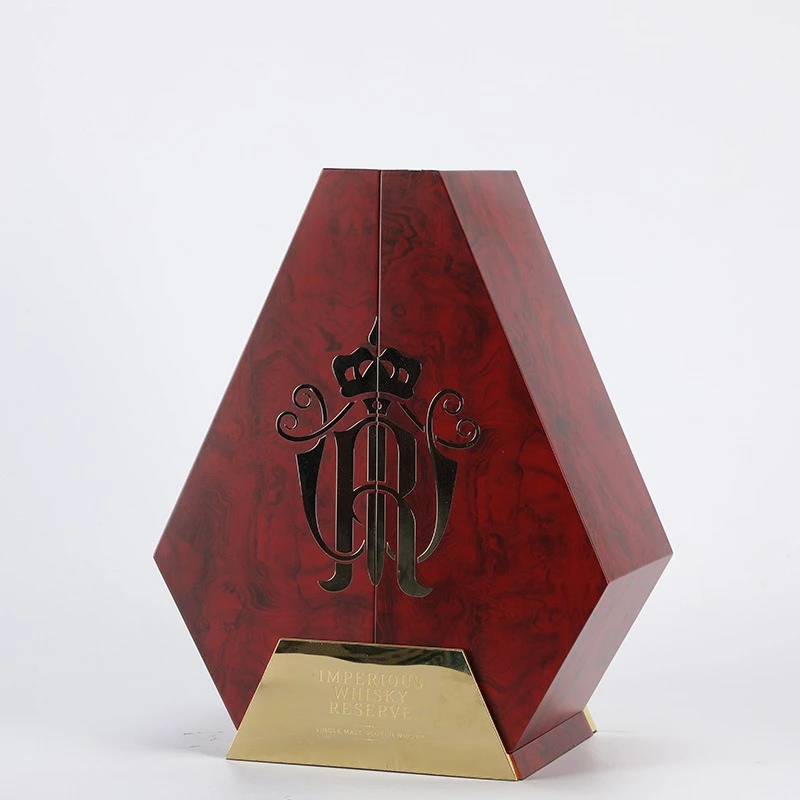
Not all parts of a bottle are equally strong. Some areas fail much faster than others.
Foam inserts protect vulnerable areas by isolating them from load while stabilizing the bottle body.
Understanding bottle weak points
From years of inspections, the most common failure zones are:
- Neck glass near the shoulder
- Cap threads and pump assemblies
- Base edges where glass is thinner
These areas need special care.
Why caps should not carry weight
Many storage designs accidentally let the cap touch the lid.
This causes:
- Downward force on the pump
- Seal compression over time
- Increased leakage risk
Caps are not structural components.
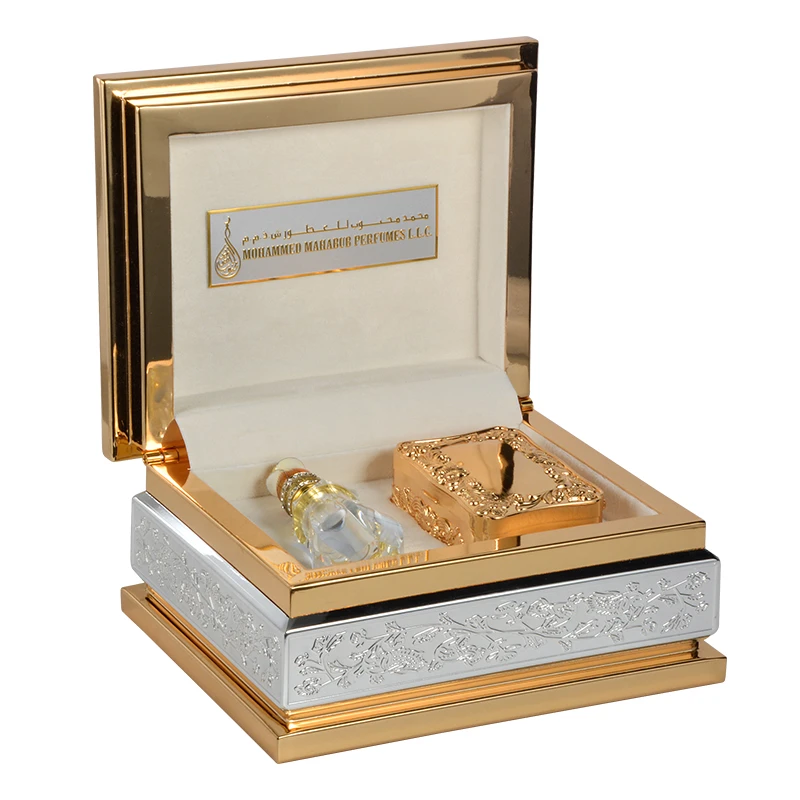
Proper foam insert structure
A well-designed insert follows these rules:
- The bottle body is the main support
- The neck sits in a relief zone
- The cap floats without load
- The base is fully supported
This removes stress from fragile parts.
Typical internal design layout
Most effective foam layouts use:
- A cradle shape for the body
- Clearance around the neck
- Base contact spread across a wide area
This design protects both glass and mechanics.
Ejemplo de tabla comparativa
| Elección del diseño | Poor Insert | Optimized Insert |
|---|---|---|
| Cap contact | Direct | Isolated |
| Neck load | Alta | Mínimo |
| Base support | Small area | Wide area |
| Leakage risk | Más alto | Baja |
Small internal changes create large long-term results.
Lessons from returned bottles
When brands send damaged bottles for analysis, common findings include:
- Pump seals flattened
- Caps slightly tilted
- Micro cracks at the shoulder
These often link back to poor internal support.
Foam inserts should carry the bottle. Not the cap.
Why Does Vibration Control Matter Even When Bottles Are Not Being Transported?
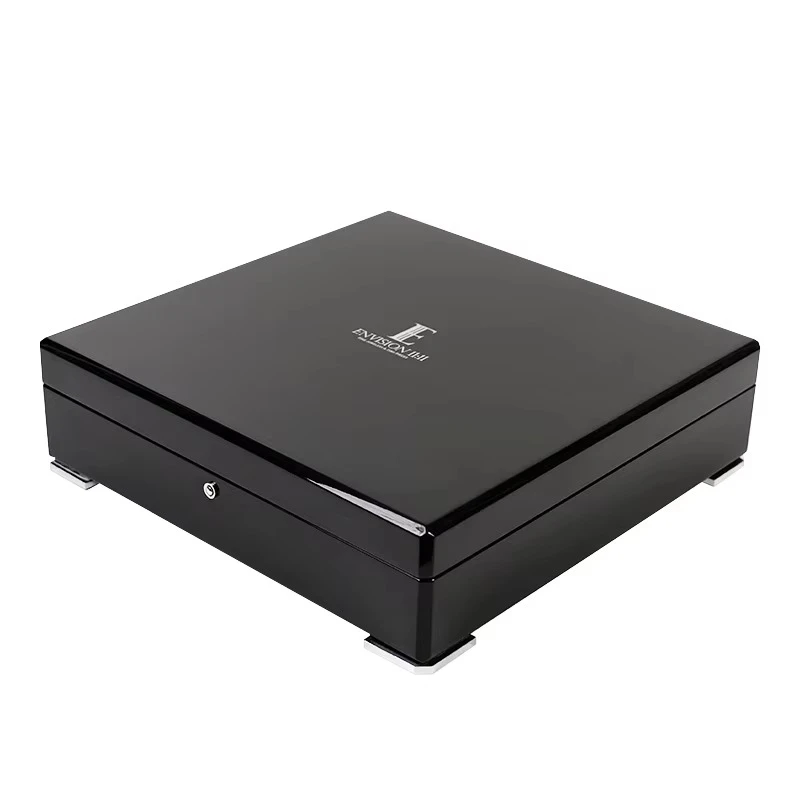
Many people think vibration only matters during shipping. This is not true.
Vibration control matters because buildings and shelves constantly create low-level movement over time.
Where vibration comes from
Even in storage rooms, vibration sources include:
- Foot traffic
- Elevators
- HVAC systems
- Street activity
- Temperature expansion
None of these stop completely.
What vibration does to bottles
Repeated vibration causes:
- Micro sliding
- Glass fatigue
- Seal wear
- Label scuffing
These effects are slow but real.
Foam as a vibration absorber
Foam works like a damper.
It:
- Absorbs energy
- Reduces transfer to glass
- Stops resonance
This protects bottles during long storage.
Free-standing vs foam-stored bottles
In real-world comparisons:
- Free bottles show more cap issues
- Foam-stored bottles remain stable
- Visual condition stays better
Collectors notice this difference after years.
Why long-term collectors rely on foam
Serious collectors often store bottles:
- In fitted foam trays
- Inside rigid boxes
- In controlled environments
This combination slows aging effects.
Vibration control is invisible. Its absence is not.
How Do Foam Inserts Work Best When Combined with Rigid Outer Boxes?

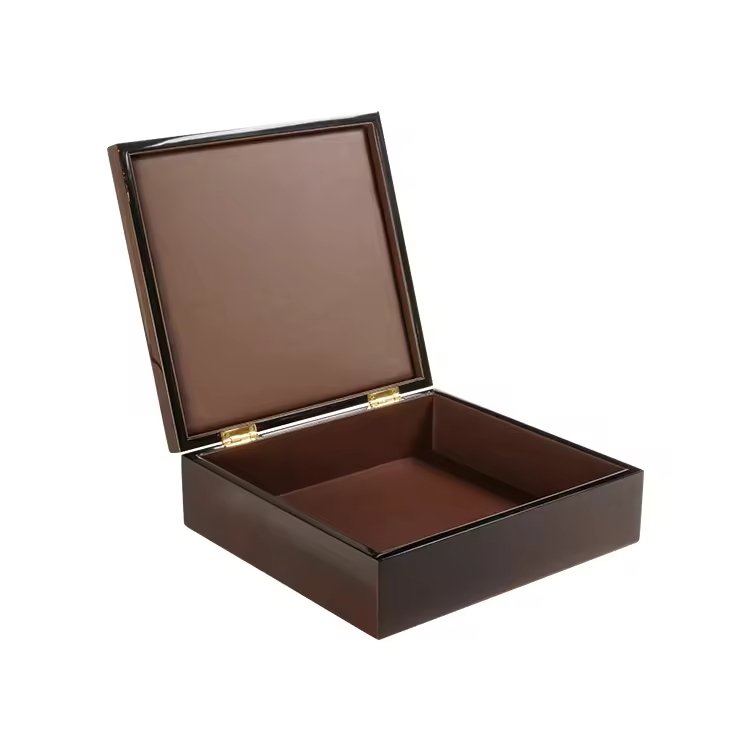
Foam inserts do not work alone. Their best performance comes with structure.
Foam inserts work best with rigid outer boxes because each layer controls different types of stress.
Division of roles
Each component has a clear function:
- Foam controls internal movement
- Rigid boxes control external force
- Together they protect the bottle system
This is basic packaging engineering.
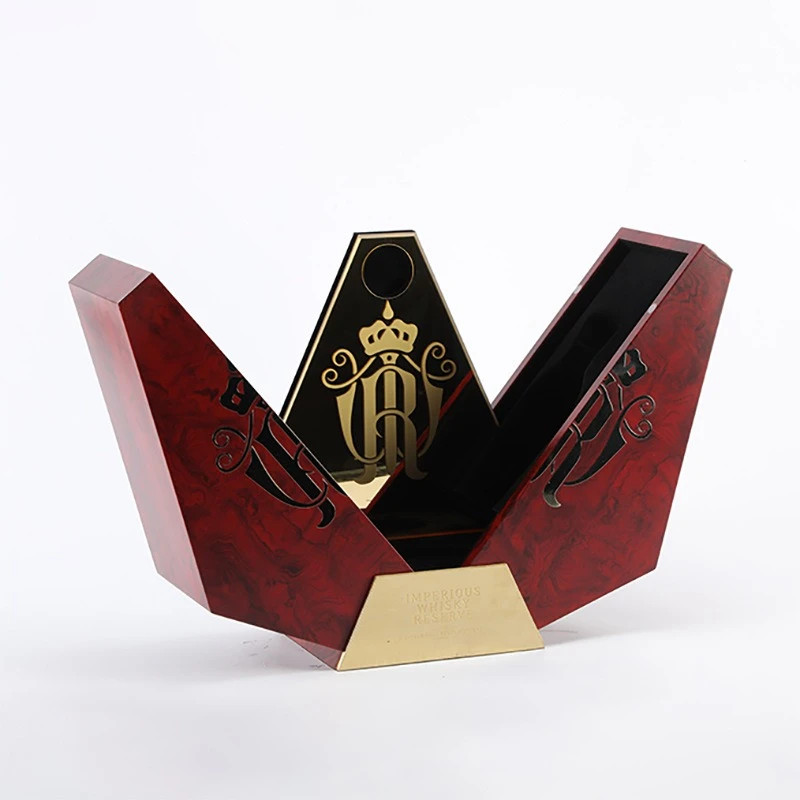
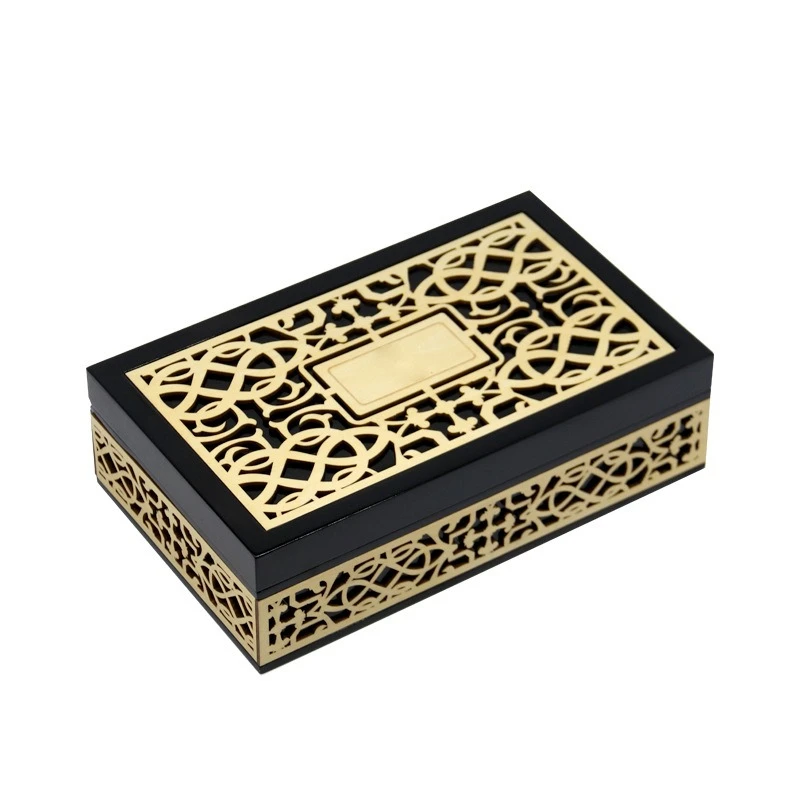
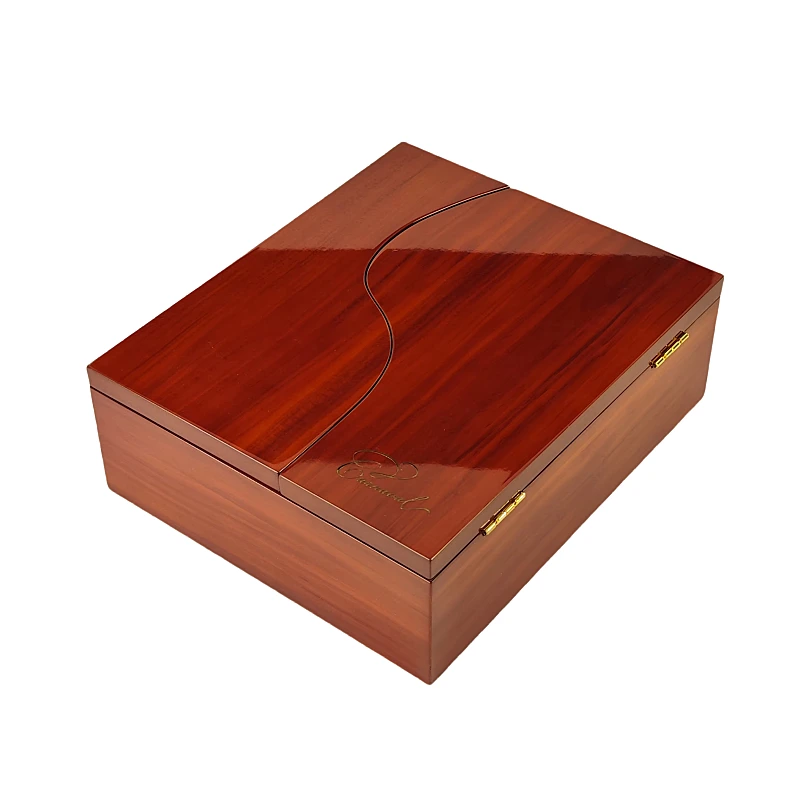
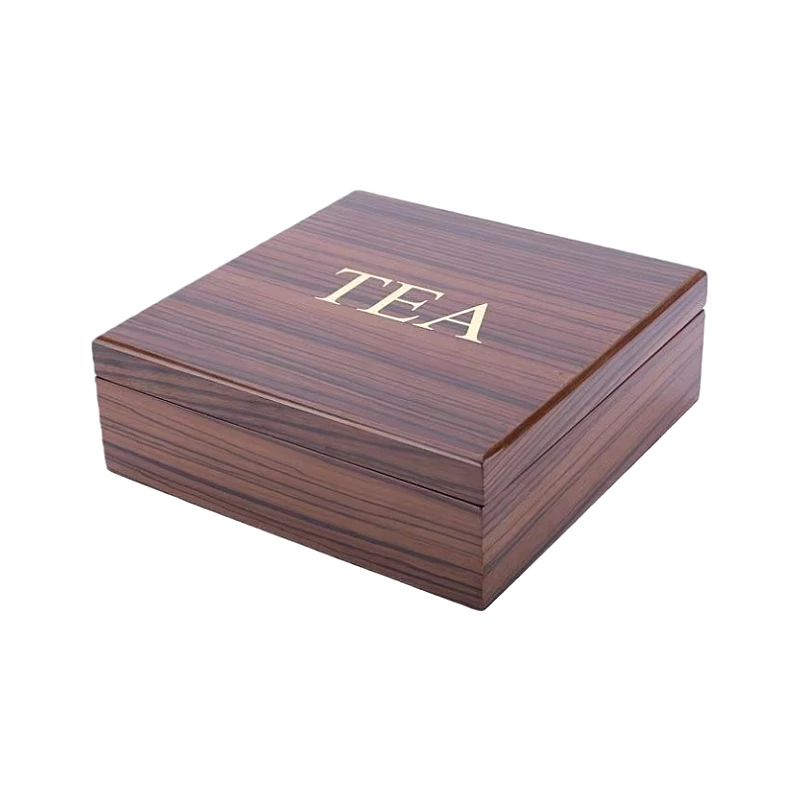
Why wooden boxes perform best
From my experience, wooden boxes offer:
- High stacking strength
- Minimal flex
- Long-term shape stability
They support foam inserts properly.
Problems with weak outer boxes
When outer boxes flex:
- Foam compression changes
- Internal pressure shifts
- Bottle alignment breaks
Even good foam cannot fix this.
Foam + wood box system
An ideal system includes:
- Precision-cut foam
- Thick rigid walls
- Tight tolerances
- Stable lid closure
This setup performs well for decades.
Real project outcomes
In projects using this combination, brands report:
- Menores tasas de devolución
- Better resale condition
- Higher collector trust
This directly supports brand value.
Foam protects inside. Wood protects outside.
Conclusión
Foam inserts preserve bottle condition by managing stress every day, not by reacting to accidents. When designed correctly and paired with rigid boxes, they protect bottles quietly and consistently over time.
Marca: WoodoBox
Eslogan: Cajas de madera personalizadas, hechas a la perfección

 Español
  English
  Português
  Deutsch
  Français
  Italiano
  العربية