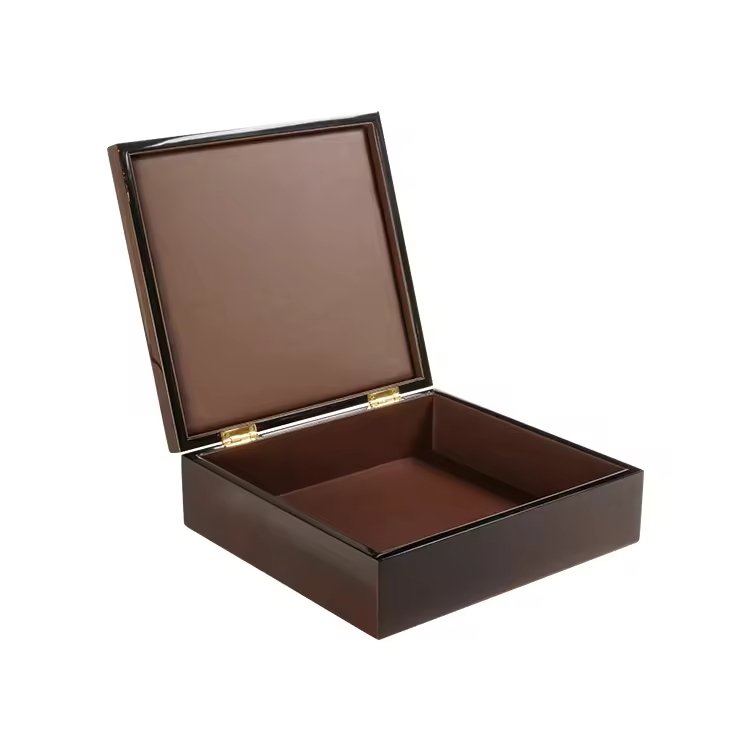
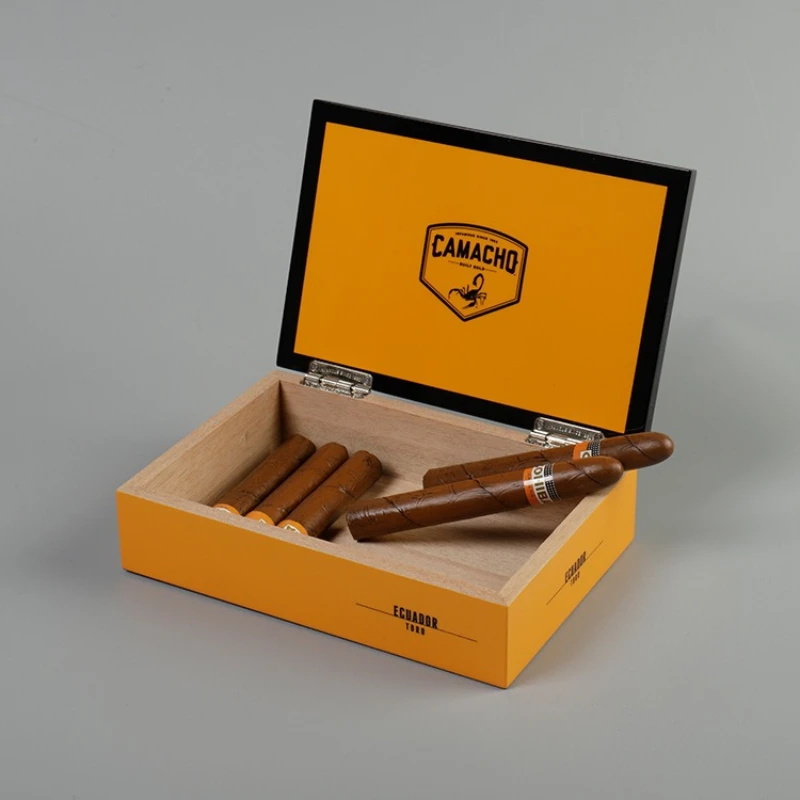
Cigar lovers often debate if thicker wood walls guarantee better humidity control. The truth is more nuanced than “thicker is always better.”
Yes, wood thickness affects humidity control, but thicker walls are not always ideal. Balance matters between durability, responsiveness, and cost efficiency.
The following sections explore how thickness impacts humidity balance, structural integrity, and even cost—helping you choose the right cigar box design.
How does wood thickness influence moisture absorption and release cycles?
Cigar collectors worry about fluctuations in humidity inside their boxes. When walls are thin, humidity can shift quickly. When walls are too thick, they may resist useful adjustments.
Thicker wood walls slow down humidity changes, while thinner walls allow faster absorption and release. Each has pros and cons depending on the environment.
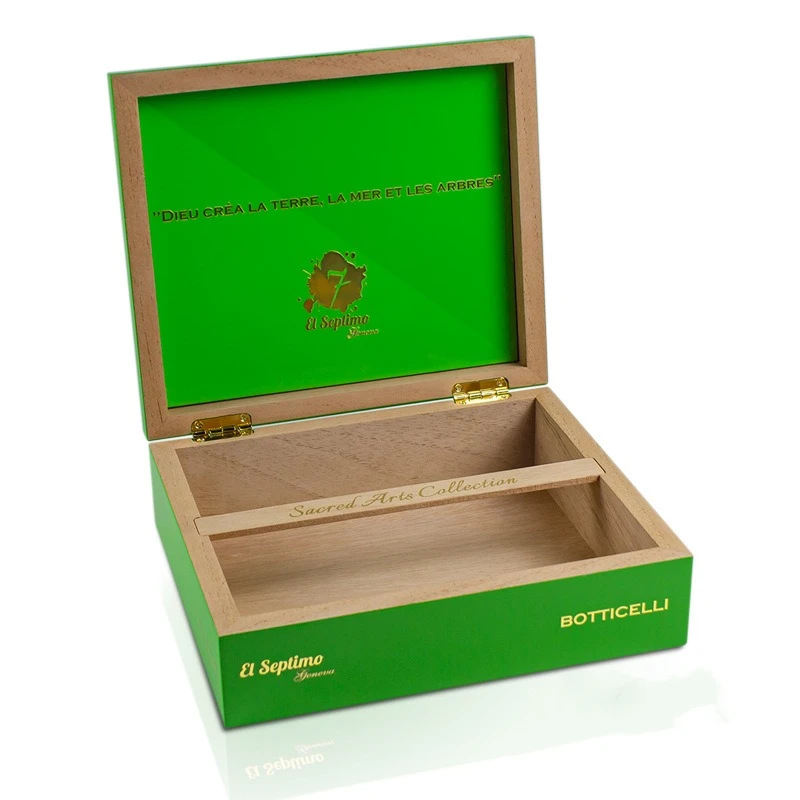
The nature of wood makes this topic fascinating. Wood is hygroscopic, which means it absorbs and releases water vapor. When I build cigar boxes, I see that a 4mm cedar lining reacts much faster than a 10mm lining. Thin walls breathe quickly, which can stabilize cigars if humidity is already well controlled in the room. However, in places where air conditioning or heating creates unstable humidity, thick walls provide a buffering effect. They slow down moisture changes and act like a shield for cigars.
Comparing thin vs. thick wood reaction
| Espesor | Response Speed | Effect on Humidity Stability |
|---|---|---|
| 3–4 mm | Rápido | Quick adjustment, less buffering |
| 6–8 mm | Moderado | Rendimiento equilibrado |
| 10+ mm | Lento | Strong buffering, slow adjustment |
What I learned from practice is that thickness should match the storage conditions. For example, my clients in Florida, with high ambient humidity, prefer medium-thick walls that stabilize swings but still allow cigars to breathe. Buyers in desert climates often need thicker walls to buffer dryness.
What is the balance point between structural strength and humidity responsiveness?
Cigar boxes are not only about holding cigars. They also need strength. Thicker wood improves durability but changes how humidity flows.
The balance point is usually found in medium-thickness wood that provides strength while still allowing effective humidity exchange.
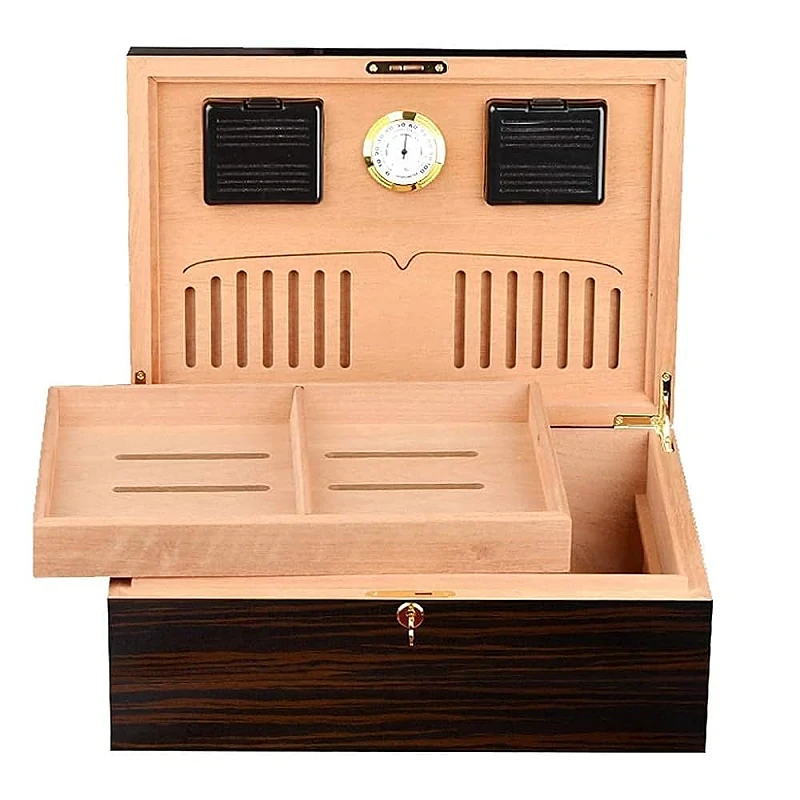
I have tested cigar boxes from 3mm thin veneer to 12mm solid cedar. Thin veneer boxes are light, elegant, but fragile. If dropped, they chip. On the other hand, 12mm boxes feel luxurious but sometimes hold too much internal humidity, making cigars over-moist. The sweet spot lies between 6mm and 8mm for most high-end boxes. This range balances strength with practical humidity responsiveness.
Why this balance matters
- Structural integrity: Thick enough walls prevent warping and cracking.
- Humidity buffering: Cedar walls of medium thickness store and release moisture slowly and steadily.
- Design flexibility: Thicker wood allows carving and inlays, but still manageable for machining.
When I worked on a project for a European cigar distributor, we agreed on 7mm Spanish cedar lining. It gave them durability for transport, but also the right breathing cycle for cigars stored in variable climates.
Could overly thick walls slow down humidity adjustment inside the box?
Collectors often think the thicker the better. But extreme thickness can create its own problem. Cigars need a responsive environment.
Yes, overly thick walls slow down adjustment, which can trap cigars in either too dry or too moist conditions.
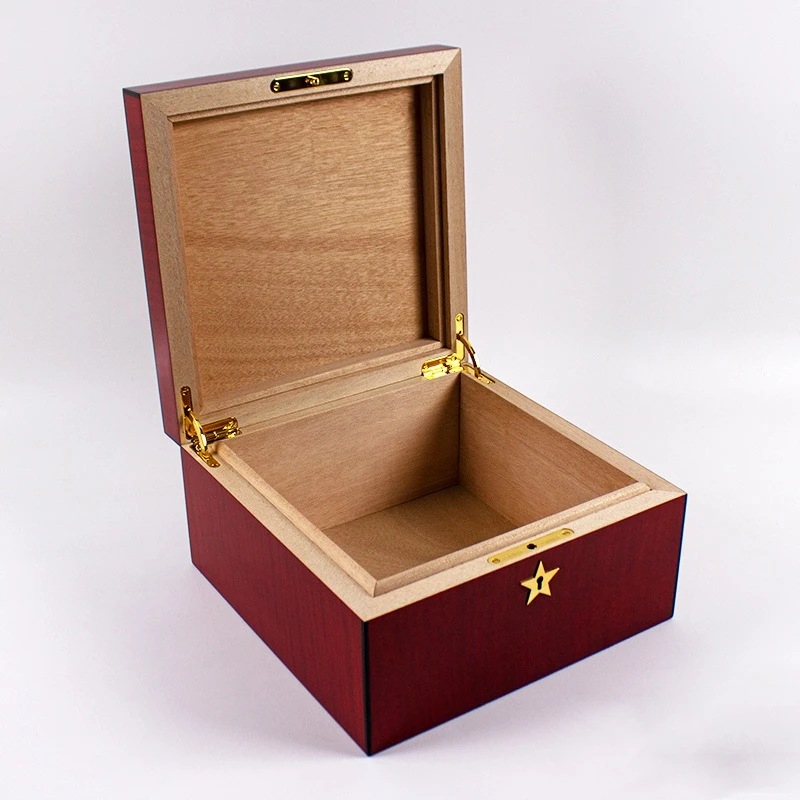
Wood acts like a sponge, but a slow one. When thickness exceeds a certain point, the box interior becomes less reactive. For example, if humidity drops in the room, cigars may still sit in overly moist air inside the box because the wood releases moisture too slowly. In my experience, boxes with walls thicker than 12mm create this lag effect. They are beautiful to look at, but they respond too slowly for environments with frequent humidity shifts.
Key risks of overly thick walls
- Lagging adjustment: Interior humidity does not follow room conditions quickly.
- Humidificación excesiva: Cigars may stay too moist.
- Inconsistent aging: Slower air exchange may affect flavor development.
For collectors with climate-controlled cabinets, this issue matters less. But for general storage, I often recommend against unnecessary extra thickness.
How do different materials (solid wood, plywood, MDF) behave at varying thickness levels?
Material choice changes how thickness works. Solid wood, plywood, and MDF all react differently to moisture cycles.
Solid cedar breathes best, plywood offers stability, and MDF controls cost but has weaker moisture interaction.
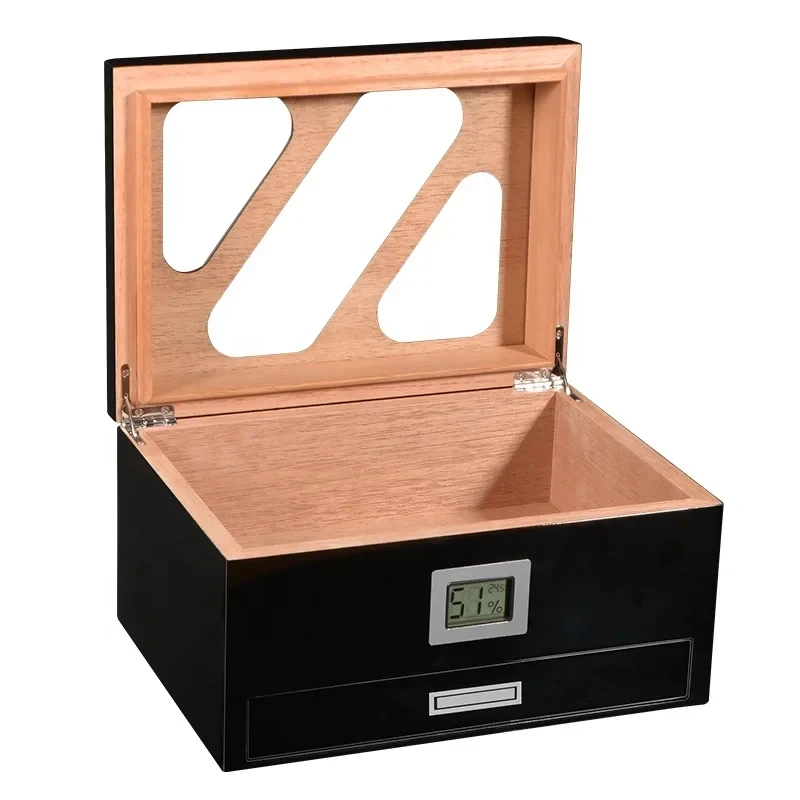
Material performance by thickness
| Material | Thin Panel Behavior | Thick Panel Behavior | Notas |
|---|---|---|---|
| Madera maciza | Fast breathing, unstable | Strong buffering, may warp | Best for luxury humidors |
| Contrachapado | Moderate breathing | Very stable, less natural | Good compromise |
| MDF | Minimal breathing | Heavy, consistent, cheaper | For cost-sensitive markets |
In my workshop, I notice that even a 6mm Spanish cedar solid wood panel can outperform a 10mm MDF panel in regulating moisture. Plywood, when lined with cedar veneer, gives buyers a cheaper yet effective option. MDF, however, even at different thicknesses, barely “breathes.” It mainly provides structure, not humidity control.
Practical examples
- Luxury humidors: Always solid Spanish cedar, around 6–8mm.
- Mass production gift boxes: Often MDF with cedar veneer, 4–6mm.
- Humidificadores de viaje: Plywood with cedar lining for lightweight balance.
This material-thickness relationship is key when buyers decide between cost and performance.
Does thickness impact not only humidity control but also weight and cost of production?
Thickness affects more than humidity. It influences shipping, handling, and final price.
Yes, thicker walls increase both weight and cost, which directly impacts logistics and buyer decisions.
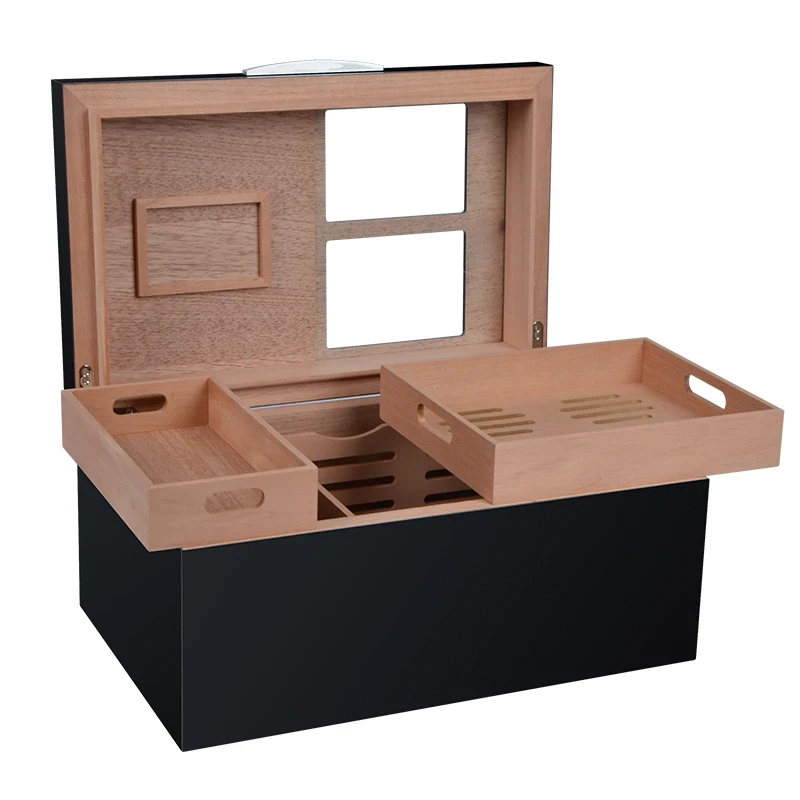
Every extra millimeter adds cost in wood material, processing time, and finishing. Thicker panels require stronger hinges and clasps. They also increase shipping weight, which matters a lot for international buyers. A box that feels luxurious at 8mm may double shipping cost compared to a 4mm version. This is why I often help clients calculate both material and logistics costs before confirming thickness.
Approximate impact of thickness
| Espesor | Material Cost Impact | Shipping Weight Impact |
|---|---|---|
| 3–4 mm | Bajo | Light, easy shipping |
| 6–8 mm | Medio | Manageable |
| 10+ mm | Alta | Heavy, higher freight |
Clients often ask me why their production costs seem high. When we review the thickness, we find that shaving even 2mm off the walls reduces not only production cost but also shipping fees significantly.
What practical guidelines can help determine the optimal material thickness for cigar boxes?
The final decision depends on a mix of function, design, and market.
The optimal thickness for most cigar boxes is 6–8mm of Spanish cedar, balancing humidity, durability, and cost.
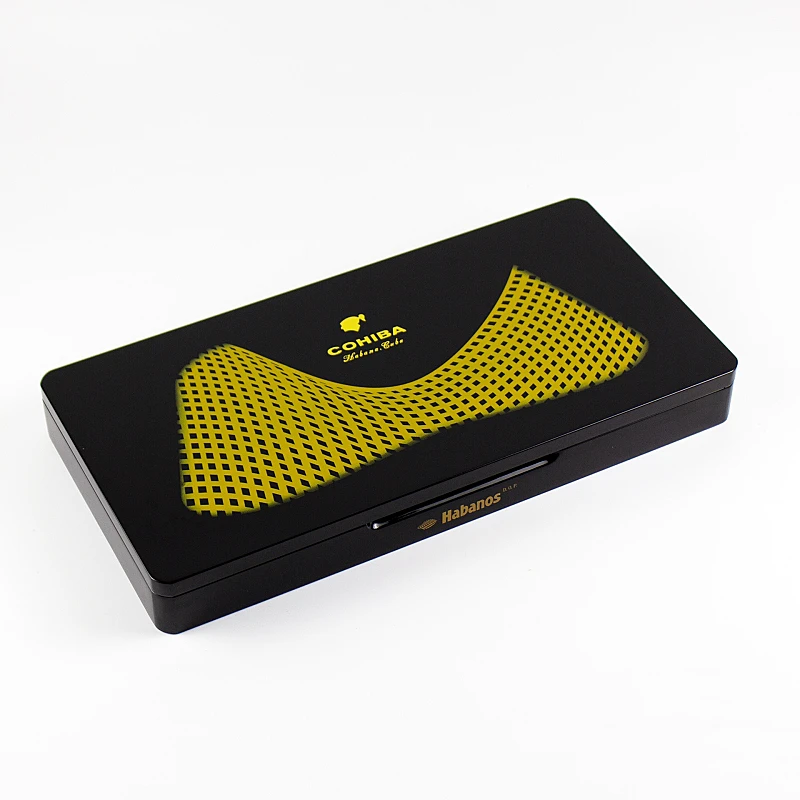
When advising clients, I consider climate, cigar quantity, market positioning, and logistics. A luxury collector’s humidor may justify thicker walls for aesthetics. But for commercial buyers, practicality often matters more. I remind them that thickness is not only about performance but also about production feasibility.
My rule-of-thumb recommendations
- Luxury humidors: 7–8mm solid Spanish cedar.
- Mass-market gift boxes: 4–6mm MDF or plywood with cedar lining.
- Travel boxes: 4–5mm plywood with cedar veneer.
- Commercial storage cabinets: 10mm solid cedar for durability.
By matching thickness with purpose, cigar boxes can perform well, look beautiful, and stay cost-effective.
Conclusión
Material thickness shapes humidity, strength, and cost. The best choice is balance, not maximum thickness.
Marca: WoodoBox
Eslogan: Cajas de madera personalizadas, hechas a la perfección
Página web: www.woodobox.com
WhatsApp: +86 18359265311



 Español
  English
  Português
  Deutsch
  Français
  Italiano
  العربية