Cigars need a stable environment to age well. The wood species used in a box lining plays a critical role in keeping humidity steady.
Yes, different woods vary in moisture absorption. Spanish cedar offers the best balance, while others may cause instability if used alone.
This is why choosing the right wood is one of the most important decisions in cigar box production.
Why is wood’s moisture absorption capacity critical for cigar storage?
Cigars are fragile. If humidity is not controlled, they quickly lose value and taste.
Wood’s ability to absorb and release moisture keeps the cigar’s environment stable, preventing mold or dryness.
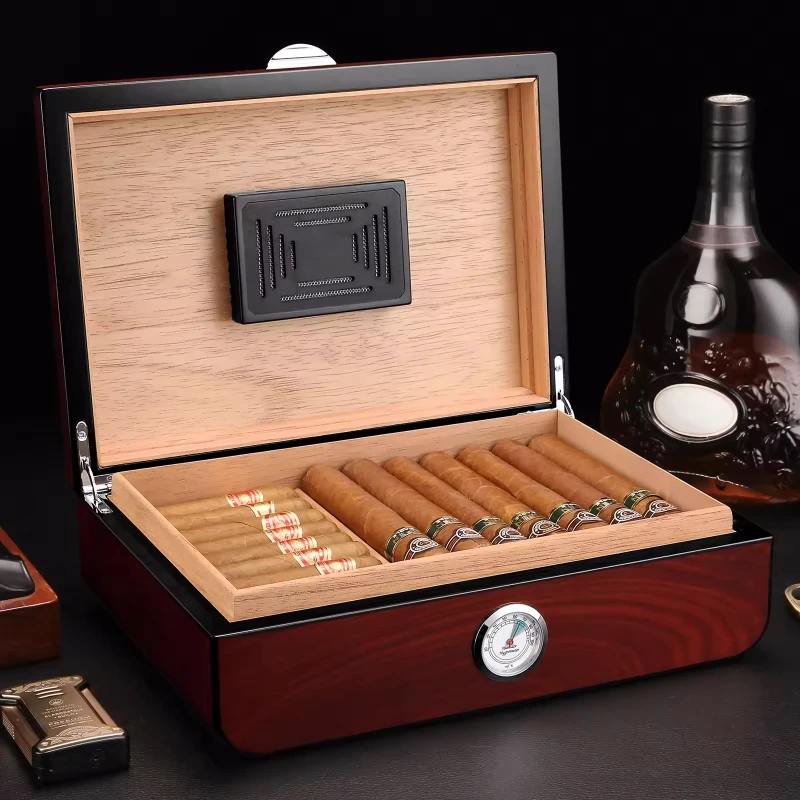
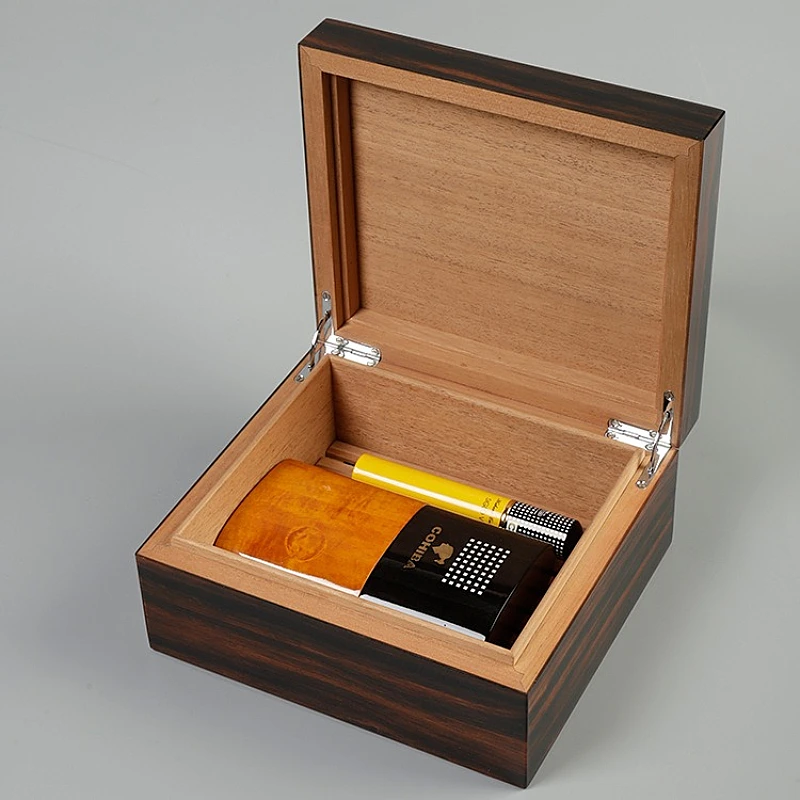
Wood is hygroscopic. This means it naturally interacts with air moisture. A cigar box lining acts as a buffer. When humidity rises, the wood absorbs excess moisture. When humidity drops, it releases moisture back into the air. Without this balancing action, cigars either dry out and crack, or become too wet and moldy.
Importance of Moisture Control
| Nivel de humedad | Estado del cigarro |
|---|---|
| Too low (<60%) | Dry, cracked, flavor lost |
| Ideal (65–72%) | Smooth aging, balanced aroma |
| Too high (>75%) | Mold growth, wrapper damage |
I always tell clients: a cigar box is more than packaging. It is a micro-climate. The lining wood is the regulator.
How does Spanish cedar compare with other common woods in regulating humidity?
Not all woods behave the same. Some absorb too much, others too little.
Spanish cedar has medium porosity and balanced absorption, making it the best for cigar storage compared with other hardwoods.
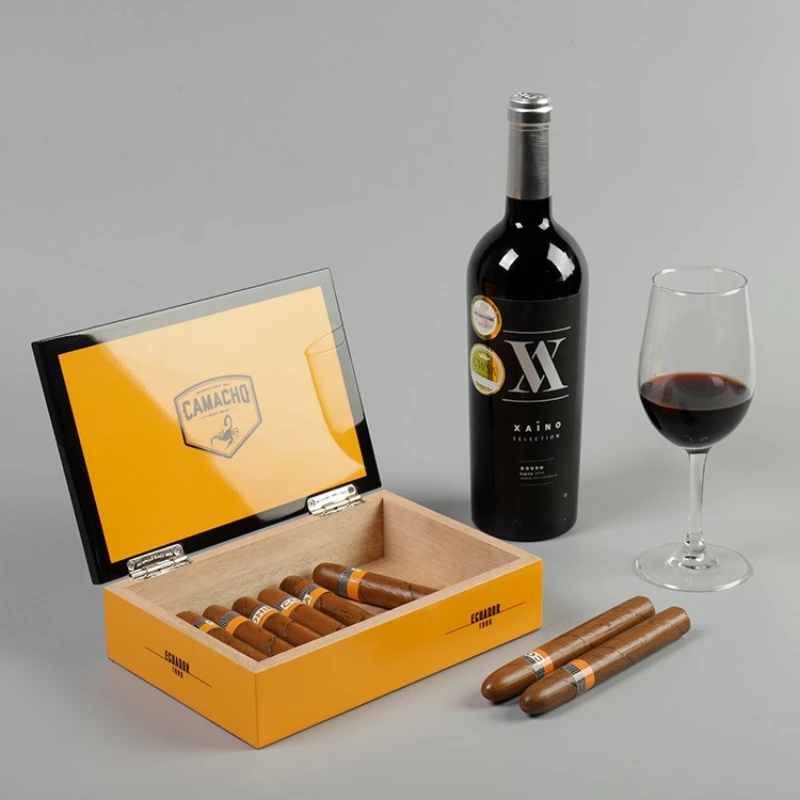
- Spanish Cedar: Medium-density, absorbs and releases moisture evenly. Perfect for steady humidity.
- Mahogany: Stable, but less effective in balancing humidity. Used more for exterior than lining.
- Walnut: Dense, absorbs very little. Poor choice for lining.
- Pine: High absorption, unstable, risks swelling and resin release.
Wood Comparison Table
| Tipo de madera | Absorption Level | Stability for Cigars |
|---|---|---|
| Cedro español | Medium, balanced | Excelente |
| Caoba | Low-medium | Moderado |
| Nogal | Low, poor balance | Débil |
| Pino | High, unstable | Arriesgado |
From my experience, brands that experimented with walnut interiors quickly switched back to cedar. They found cigars aged poorly and lacked smoothness.
What problems arise if the wood absorbs too much or too little moisture?
Both extremes are harmful to cigars. Balance is key.
Too much absorption causes instability, while too little fails to protect cigars from climate shifts.
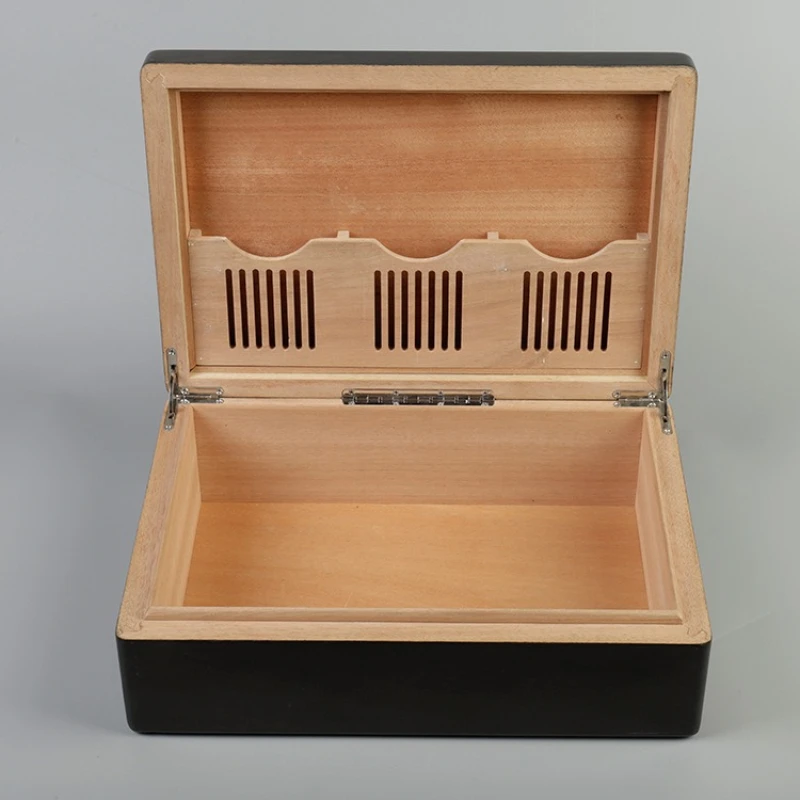
- Over-absorbing woods: Woods like pine take in too much water. They swell, release resin, and create mold risks. Cigars stored inside become over-humidified.
- Under-absorbing woods: Dense woods like walnut barely interact with air. They leave cigars exposed to sudden changes. In dry conditions, cigars crack quickly.
Problems from Imbalance
| Absorption Behavior | Result in Cigar Storage |
|---|---|
| Too high | Mold, resin stains, swelling wood |
| Too low | Dry cigars, cracked wrappers |
| Equilibrado | Smooth aging, consistent quality |
One client once insisted on solid oak boxes. After three months, his cigars dried out in winter storage. We later rebuilt his collection in cedar-lined boxes to restore proper aging.
Can surface treatment or finishing change the natural hygroscopic behavior of wood?
Yes. Coatings and finishes change how wood interacts with moisture.
Surface treatments reduce absorption, but for linings, leaving cedar untreated inside is essential.
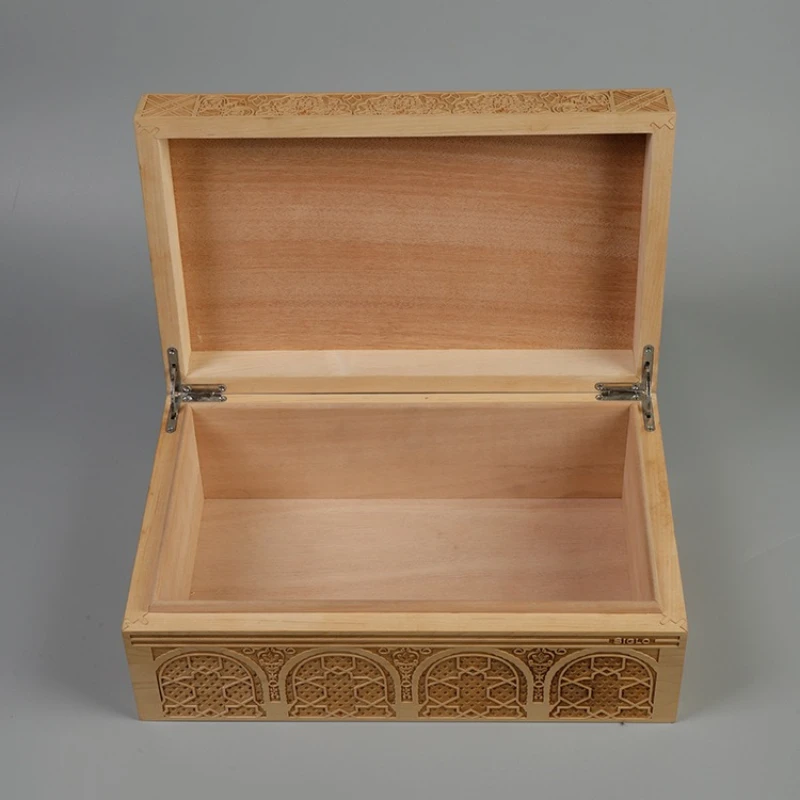
When wood is sealed with lacquer or paint, its pores close. This makes it resistant to moisture exchange. For exteriors, this is desirable, as it prevents warping and gives a glossy look. But for interiors, especially cigar linings, treatments are avoided. Cedar linings are usually sanded smooth but left unfinished. This allows natural breathing while keeping cigars safe.
Treatment Effects
| Tipo de tratamiento | Effect on Wood Behavior |
|---|---|
| Lacquer/paint | Blocks absorption, stable exterior |
| Wax/oil finish | Reduces absorption, still partial |
| Untreated (lining) | Full hygroscopic function retained |
I always advise clients: exterior can shine, but interior must breathe. This is the golden rule of cigar box production.
How do manufacturers test and choose woods for optimal humidity stability?
Choosing the right wood requires testing, not guesswork.
Manufacturers test wood species by measuring moisture content, absorption rates, and cigar flavor impact.
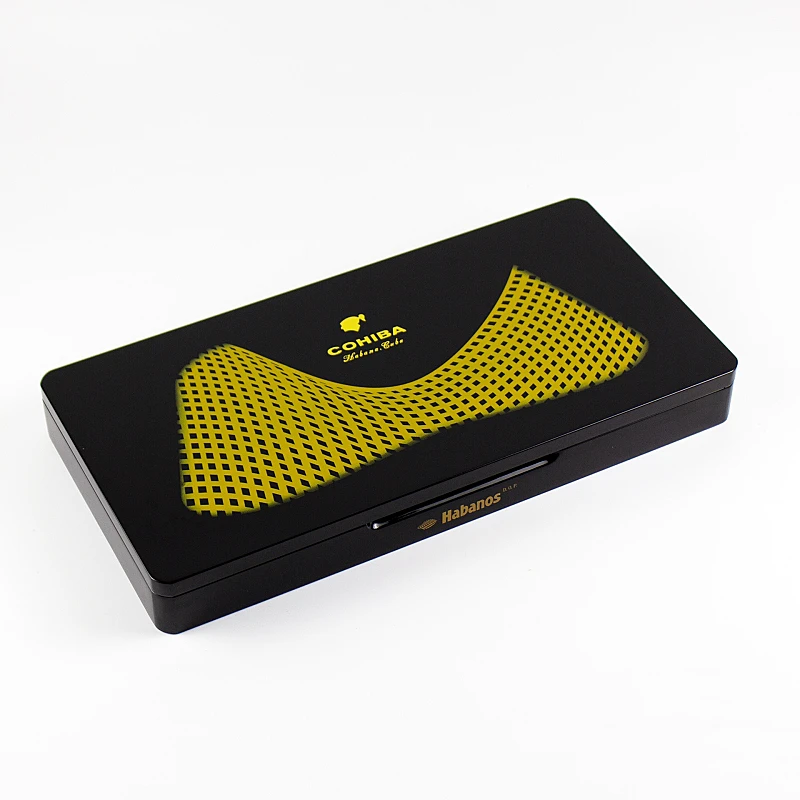
Testing steps usually include:
- Moisture content measurement using electronic meters.
- Kiln-drying process to stabilize wood before production.
- Humidity chamber test – placing wood samples under controlled humidity shifts.
- Cigar trial storage – leaving cigars inside prototype boxes for several weeks.
- Aroma testing – checking for unwanted scent transfer.
Only after these steps do we confirm a wood type for mass production. For most clients, the answer is always Spanish cedar.
Could alternative materials or composites outperform natural wood in humidity control?
Innovation has introduced alternatives. Some have promise, but tradition still favors cedar.
Engineered woods and composites can mimic humidity control, but they lack the natural aroma benefits of cedar.
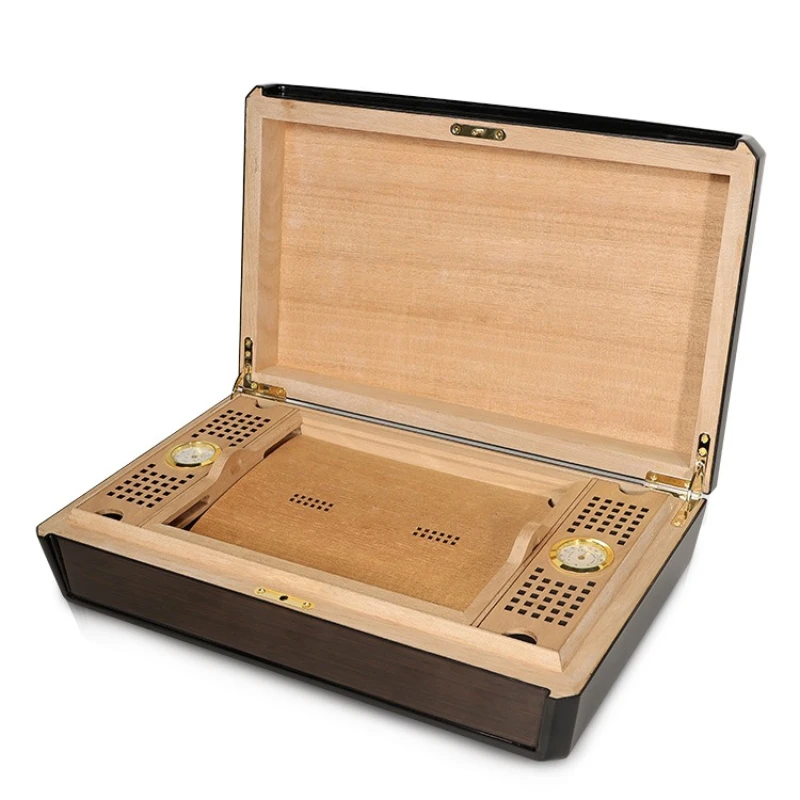
Some manufacturers use MDF cores with cedar veneers. Others test composite panels infused with cedar oils. These can regulate humidity with more consistency than natural wood. They also lower costs and reduce waste. However, cigar collectors often prefer the authenticity of solid cedar. They believe the subtle aroma cannot be fully replicated.
Alternative Options
| Tipo de material | Humidity Performance | Market Acceptance |
|---|---|---|
| MDF + Cedar Veneer | Stable, cost-effective | Widely used |
| Composite with oils | Stable, artificial aroma | Limitado |
| Pure synthetic panels | Stable, no aroma | Bajo |
In my opinion, composites will gain ground in mid-market cigar boxes. But for premium brands, natural Spanish cedar will remain the standard.
Conclusión
Different woods absorb moisture differently, and this directly affects cigar aging. Spanish cedar remains the most reliable choice for humidity stability.
Marca: WoodoBox
Eslogan: Cajas de madera personalizadas, hechas a la perfección
Página web: www.woodobox.com
WhatsApp: +86 18359265311


 Español
  English
  Português
  Deutsch
  Français
  Italiano
  العربية