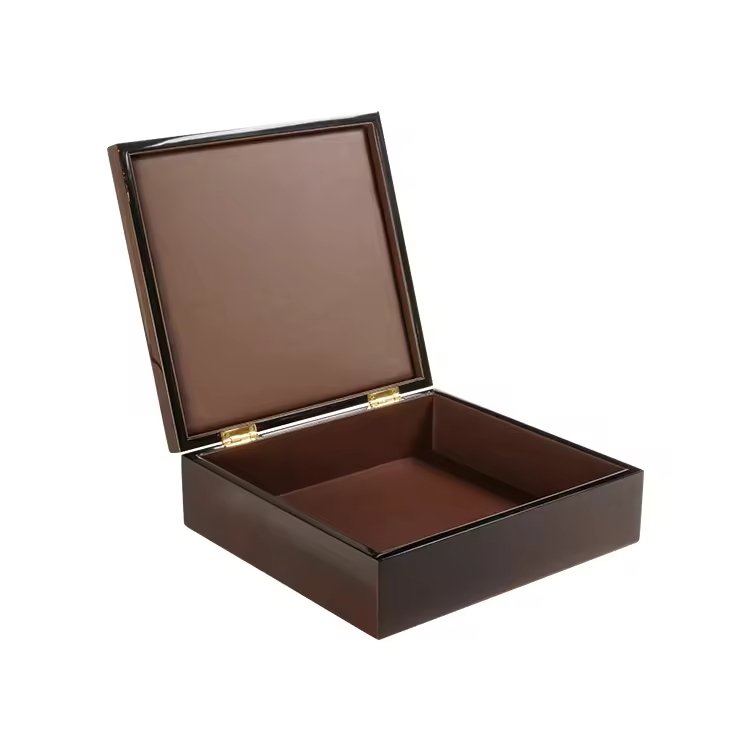
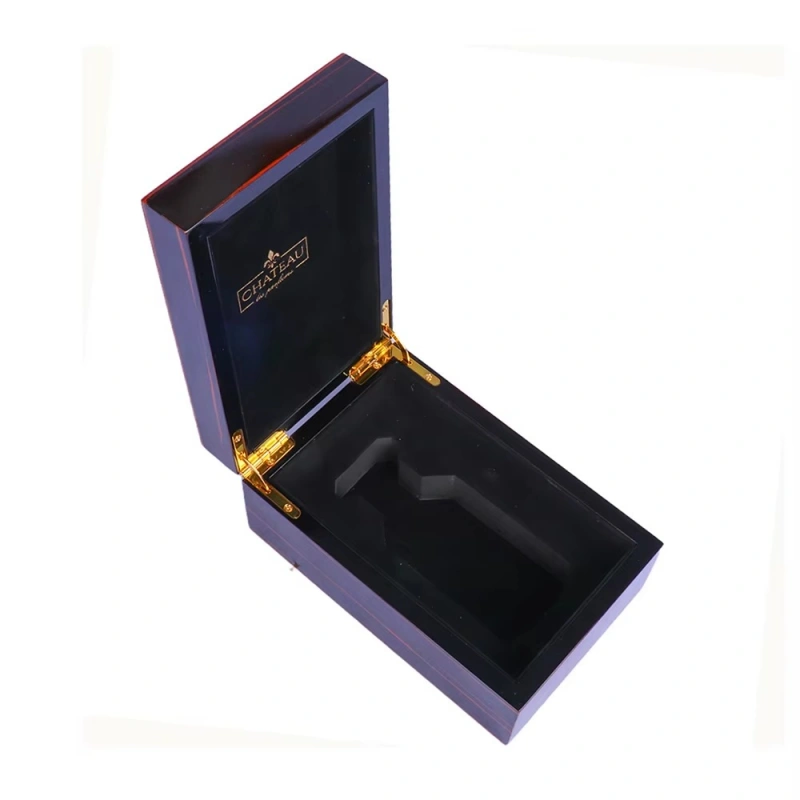
The fragrance market is crowded and unforgiving. New brands struggle to earn trust fast. Without history, reviews, or fame, most disappear before customers ever smell the scent.
New perfume brands invest heavily in box design because packaging creates instant credibility when nothing else exists. In the first few seconds, the box answers one question for the buyer: “Is this brand serious enough to trust?”
If the answer is yes, the scent gets a chance. If not, the bottle stays untouched.
I have seen this pattern repeat for over fifteen years.
Why is packaging the fastest way for a new brand to signal credibility?
When a brand is unknown, it must look trustworthy before it can be trusted.
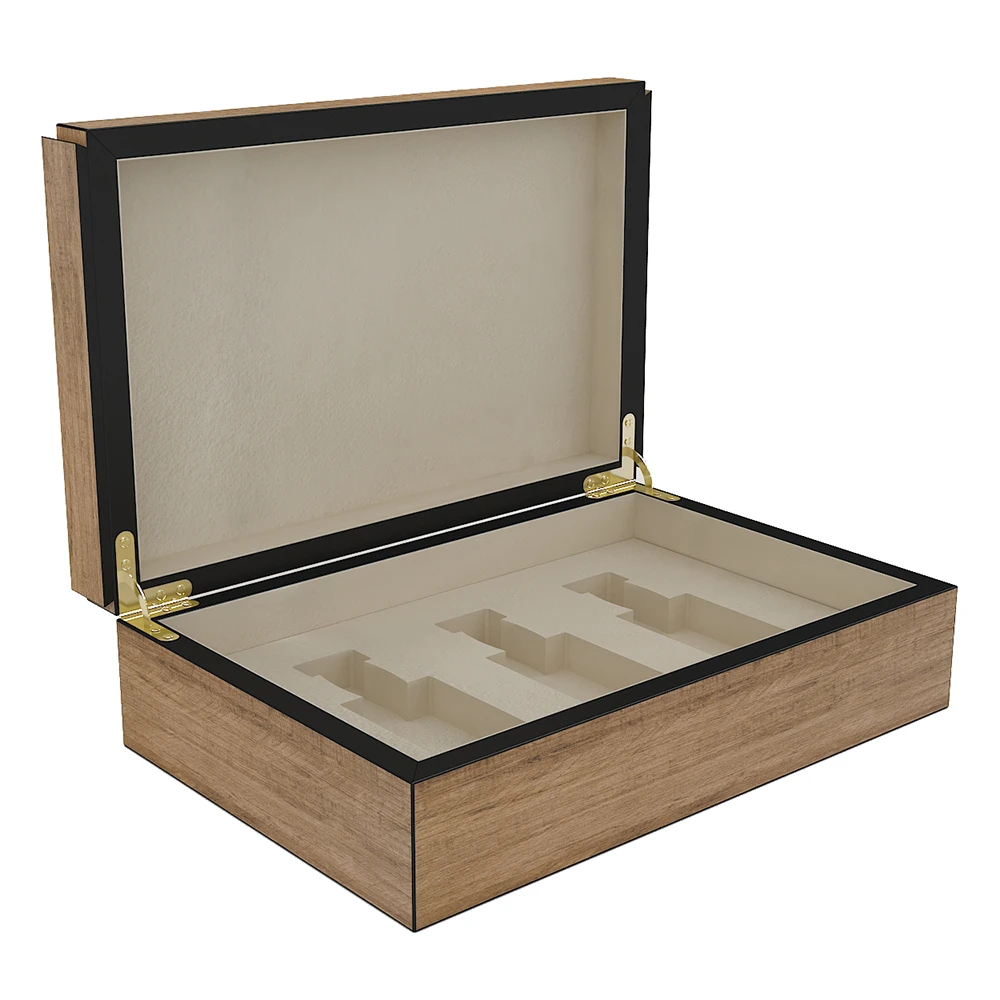
Most customers do not research new perfume brands deeply. They decide in seconds. The box becomes the first proof of professionalism, investment, and intent.
Packaging is the fastest credibility signal because it is immediate and physical. A buyer can see it, touch it, and judge it without context.
What customers subconsciously evaluate
From my experience working with fragrance startups, customers assess packaging in very simple ways:
- Does this box feel solid?
- Does it look deliberate or random?
- Does it match the price being asked?
- Does it resemble luxury or mass market?
They may not say these thoughts out loud, but they act on them.
Why visual quality replaces brand history
Established brands rely on memory. New brands rely on signals.
Packaging replaces missing history by showing effort, clarity, and confidence. A premium box tells the buyer that the brand understands quality standards, even if the name is unfamiliar.
How fast credibility is formed
Credibility from packaging forms almost instantly. In retail, it happens at the shelf. Online, it happens in the first image. There is no second chance.
Below is how buyers usually react:
| Packaging Quality | Buyer Reaction |
|---|---|
| Premium, heavy, refined | “This feels like a real brand” |
| Average, generic | “I’ve seen this before” |
| Cheap, thin | “Why is this priced so high?” |
My manufacturing perspective
I have worked with brands that spent more time refining box structure than fragrance notes. It worked. Buyers forgave the lack of history because the packaging looked confident.
From my side as a manufacturer, I always tell new brands: you cannot explain credibility, you must show it.
How does box design help unknown perfumes compete with established names?
New brands cannot outspend legacy houses. They must out-design them.
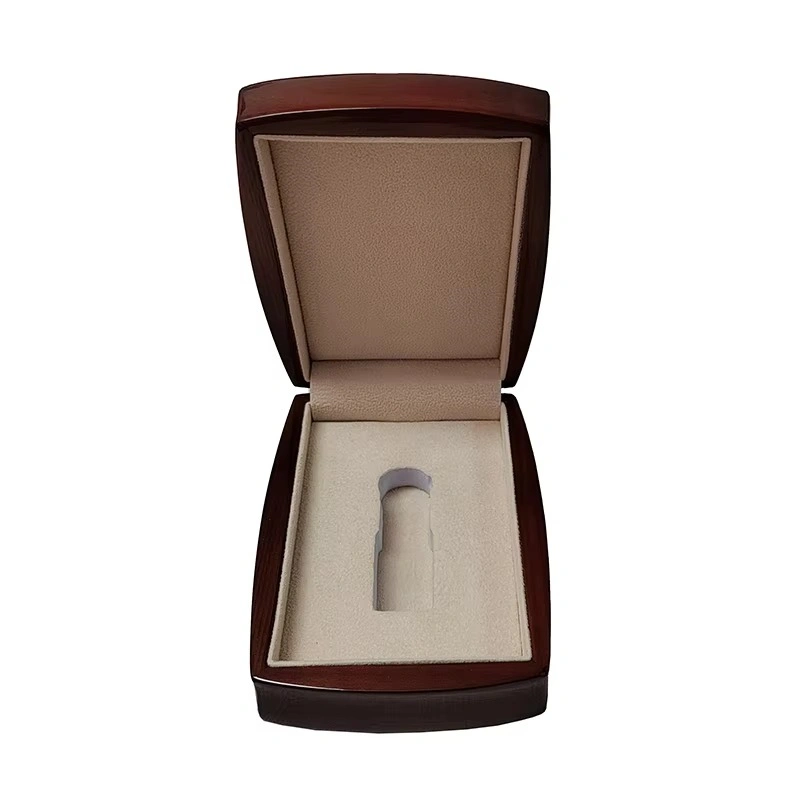
In crowded shelves or online marketplaces, perfumes compete visually first. The box becomes the weapon.
Box design allows unknown perfumes to compete on presence, not popularity.
Visual equality on the shelf
On a shelf, Chanel and a new niche brand occupy the same physical space. At that moment, history disappears. Only design remains.
If the box looks refined, bold, or different, the brand earns attention. Attention leads to pickup. Pickup leads to interest.
Design as a conversation starter
I have seen small brands succeed simply because their boxes sparked curiosity. People talked about the packaging before they talked about the scent.
This is powerful for unknown brands.
Strategic design choices that level the field
New brands often win by being more focused:
Material choices
- Rigid boxes instead of folding cartons
- Acabados lacados piano
- Revestimientos suaves al tacto
- Custom textures
Design decisions
- Minimal typography
- Bold color blocking
- Unexpected opening mechanisms
- Strong tactile feedback
How smart design outperforms big budgets
Big brands follow rules. New brands can break them.
I have worked with startups that used unconventional box shapes or closures. They did not need massive marketing. Their packaging made people stop and look.
Here is how design narrows the gap:
| Established Brand Strength | New Brand Packaging Advantage |
|---|---|
| Reconocimiento de la marca | Visual surprise |
| Advertising spend | Design originality |
| Retail dominance | Niche differentiation |
In many launches I supported, the box was not just packaging. It was the marketing.
Why does packaging shape first trust before scent loyalty exists?
Trust must exist before loyalty can grow.
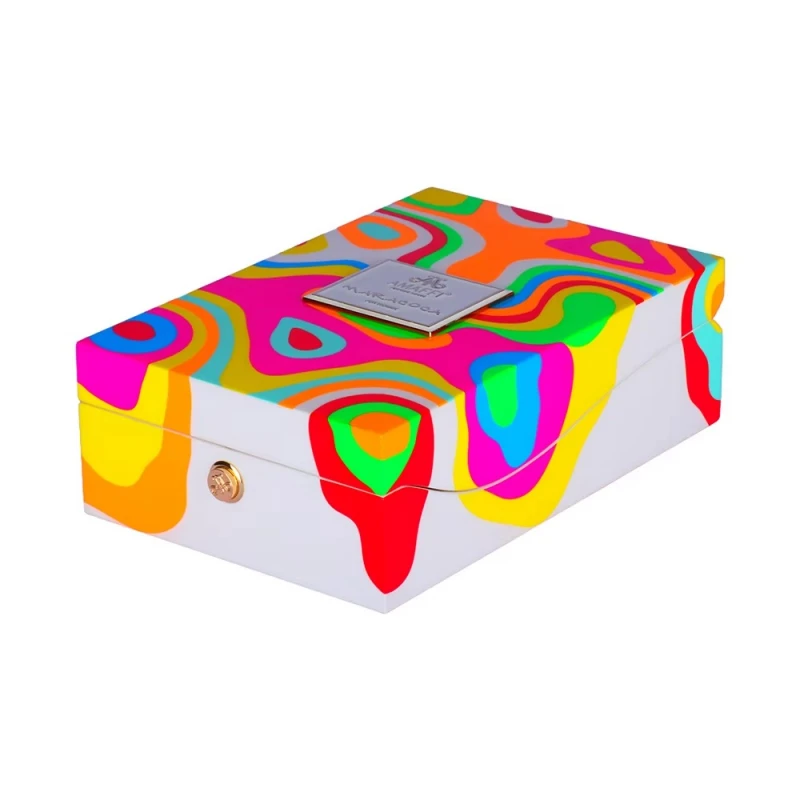
No customer loves a scent they never try. Packaging decides whether they try.
Packaging shapes first trust because it reduces perceived risk.
Buying perfume is a risk
For a new brand, the buyer risks:
- Wasting money
- Being disappointed
- Feeling misled
Packaging reduces that fear.
How physical quality affects trust
When a box feels heavy, precise, and durable, buyers assume care exists behind the product. This is human behavior.
I have seen customers forgive scents they dislike slightly if the packaging feels premium. But they rarely forgive weak packaging, even with great fragrance.
Packaging sets expectations
Packaging silently promises something. If the promise feels believable, trust forms.
Common buyer assumptions
- Heavy box = serious brand
- Clean design = professional process
- Detailed finishing = attention to quality
The emotional role of unboxing
Unboxing is the first brand experience. For new brands, it is often the only experience so far.
If unboxing feels special, buyers become more open to the scent. Their mindset changes from skeptical to curious.
From my production floor experience
I have watched brands upgrade nothing but the box and immediately see better feedback. Same scent. Same bottle. New box.
That tells me one thing clearly: trust comes before loyalty, and packaging creates trust first.
How can a strong box design compensate for lack of brand history?
History can be replaced with intention.
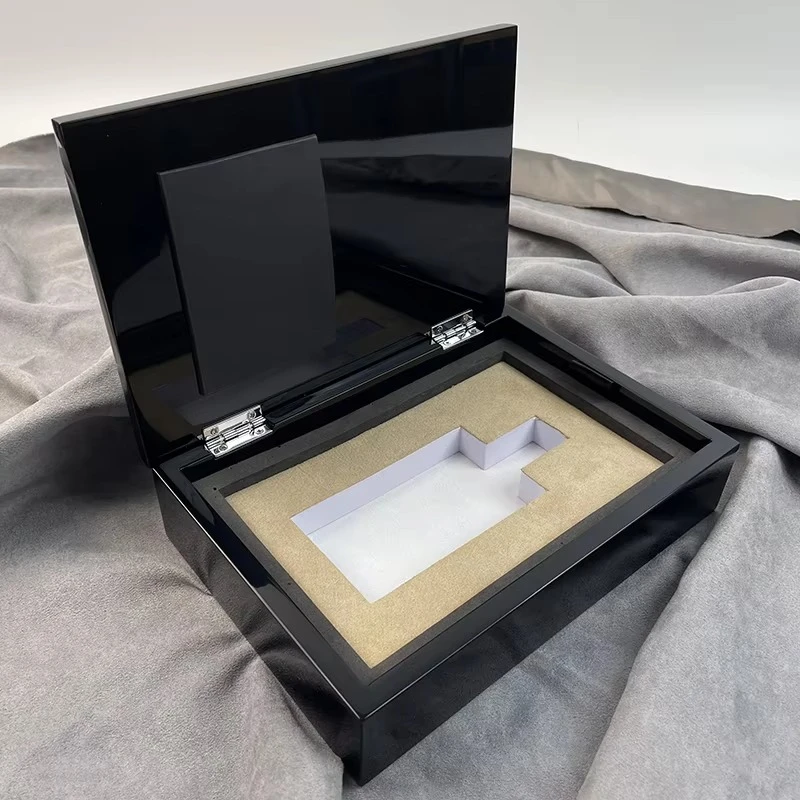
New brands do not have stories yet. Packaging tells one for them.
A strong box design compensates for missing history by projecting confidence and clarity.
Design as a visual backstory
Every design choice tells something:
- Color suggests mood
- Texture suggests quality
- Structure suggests purpose
Customers build a story instantly.
Consistency creates perceived longevity
If a brand launches with a complete, coherent packaging system, it feels established.
I often advise brands to design boxes not for one product, but for a future line.
Structural design builds seriousness
Beyond graphics, structure matters.
Structural elements that signal maturity
- Cierres magnéticos
- Rigid inner frames
- Precise tolerances
- Balanced proportions
These details tell buyers the brand planned carefully.
Packaging as proof of investment
History equals time. Packaging equals money and effort.
When buyers see a well-made box, they assume the brand invested deeply. Investment implies commitment.
Here is how packaging replaces history:
| Missing Element | Packaging Solution |
|---|---|
| No legacy | Timeless design |
| No reviews | Materiales de primera calidad |
| Sin reconocimiento | Strong visual identity |
| No trust | Solid construction |
What I tell new founders
I often say this: you cannot fake history, but you can design confidence.
Packaging does that better than any pitch deck or website.
Why is packaging often the most controllable luxury investment for startups?
Because everything else keeps changing.
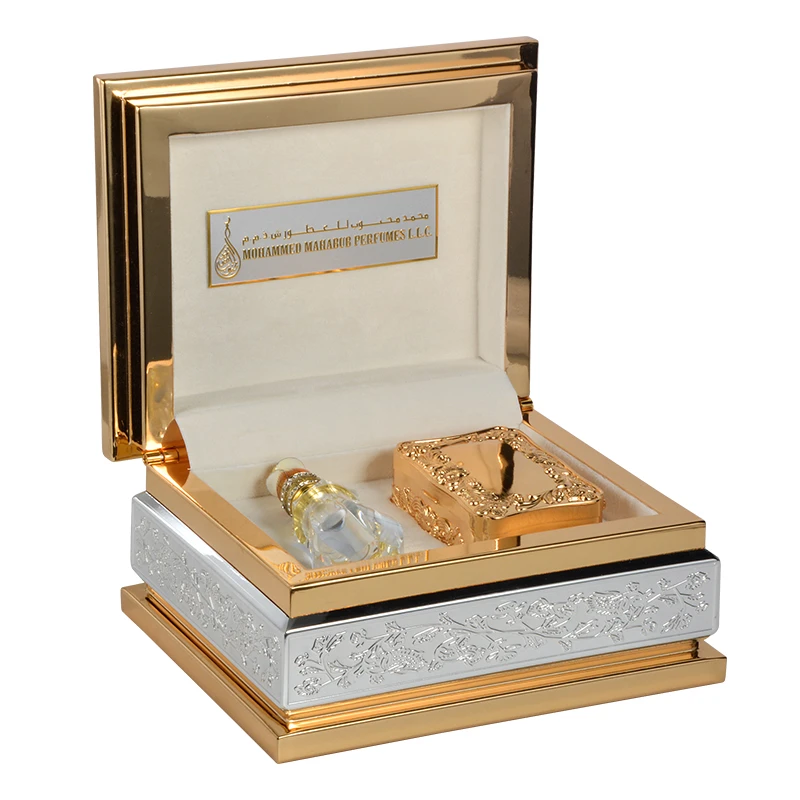
For startups, control matters more than perfection.
Packaging is often the most controllable luxury investment because it stays stable while other elements evolve.
What startups cannot fully control
- Customer perception
- Marketing performance
- Influencer response
- Retail acceptance
But they can control packaging.
Packaging offers predictable results
Unlike ads or campaigns, packaging delivers a guaranteed outcome: a physical object that reflects the brand.
I have seen startups change formulas, suppliers, and pricing. The box stayed.
Cost efficiency over time
A well-designed box can be reused across:
- Multiple scents
- Ediciones limitadas
- Seasonal releases
This lowers long-term costs.
Packaging anchors brand identity
When everything else shifts, packaging holds the brand together.
Long-term advantages
- Visual consistency
- Reconocimiento más fácil
- Strong shelf identity
- Lower redesign costs
Manufacturing perspective on control
From my factory experience, packaging is measurable. Thickness, weight, finish, color, and structure are all definable.
This gives startups confidence. They know exactly what they are getting.
Below is why startups favor packaging:
| Investment Type | Level of Control |
|---|---|
| Marketing | Bajo |
| PR | Bajo |
| Influencers | Muy bajo |
| Embalaje | Alta |
That control is valuable when resources are limited.
Conclusión
Strong box design lets new perfume brands buy belief before loyalty exists. When customers trust what they see and touch, the scent finally gets its fair chance.
Marca: WoodoBox
Eslogan: Cajas de madera personalizadas, hechas a la perfección

 Español
  English
  Português
  Deutsch
  Français
  Italiano
  العربية