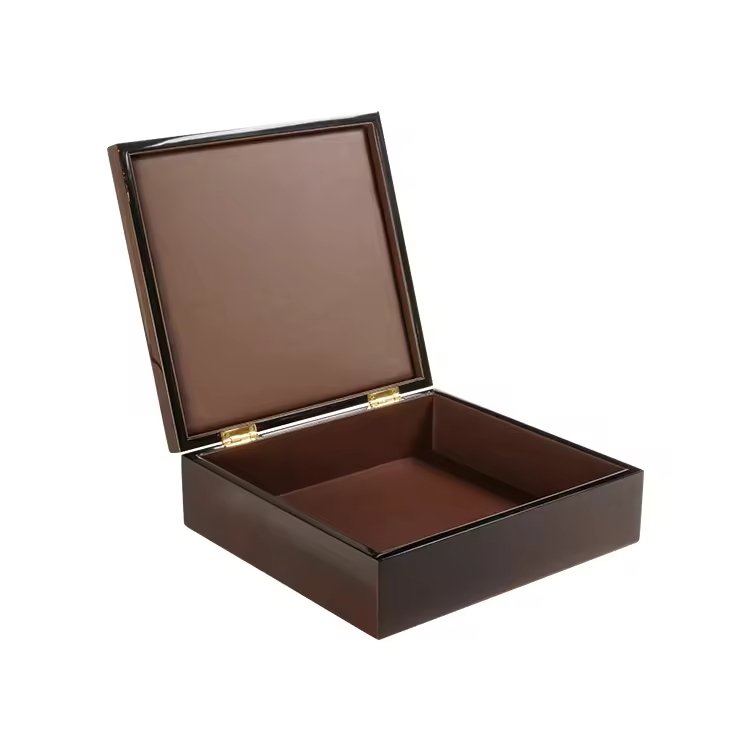
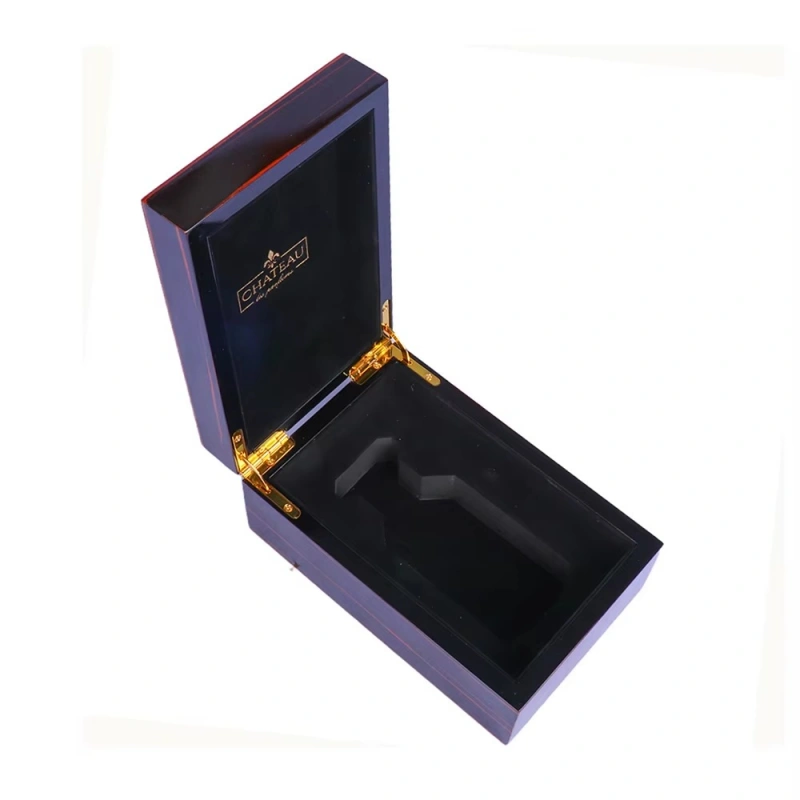
I see many perfume brands struggle with the same problem. They invest in scent, but customers still question the price. The real issue is not the fragrance. It is what customers see and feel first.
Premium packaging justifies a higher perfume price by making value visible before the scent is tested. It shows effort, cost, and intention in a physical way that customers trust and accept.
From my experience, price resistance often disappears once packaging and product speak the same quality language. This is where real acceptance starts.
Why does packaging set the price expectation before the fragrance is tested?
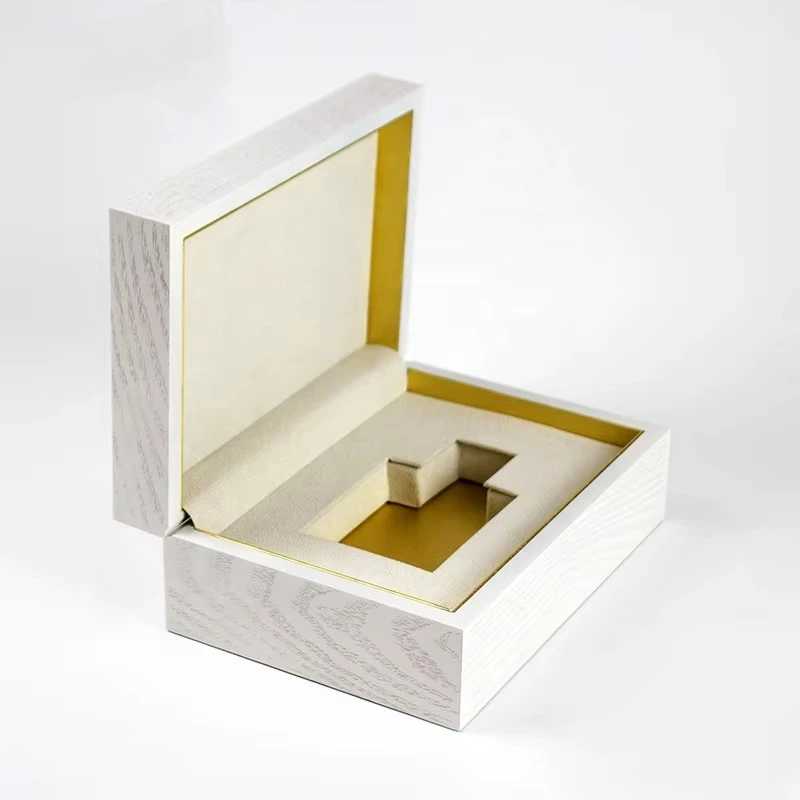
Customers judge perfume before they smell it. This creates pressure. If packaging fails at this moment, the price already feels wrong.
Packaging sets price expectation because the brain uses visual and tactile cues to guess value before any rational analysis happens.
First contact shapes the price anchor
When I design wooden boxes for perfume brands, I always focus on the first five seconds. That is when the customer forms a price anchor.
If the box feels light, thin, or unstable, the brain expects a lower price. This happens fast and without awareness.
If the box feels solid and well-built, the brain adjusts upward.
This happens before scent, brand story, or ingredients matter.
The role of weight and structure
In my factory, we often adjust box wall thickness by just a few millimeters. This small change can double perceived value.
Here is what weight and structure communicate:
| Característica del embalaje | Customer Interpretation |
|---|---|
| Heavy wooden box | High cost and serious product |
| Tight tolerances | Precisión y cuidado |
| Bordes limpios | Professional production |
| Balanced proportions | Design maturity |
Customers do not calculate these things. They feel them.
Why scent alone cannot do this job
Scent evaluation takes time. It needs skin, air, and patience.
Price judgment happens instantly.
That is why packaging must do the heavy work first. If it fails, the fragrance starts from a weak position.
From my experience, brands that ignore this always fight price objections later.
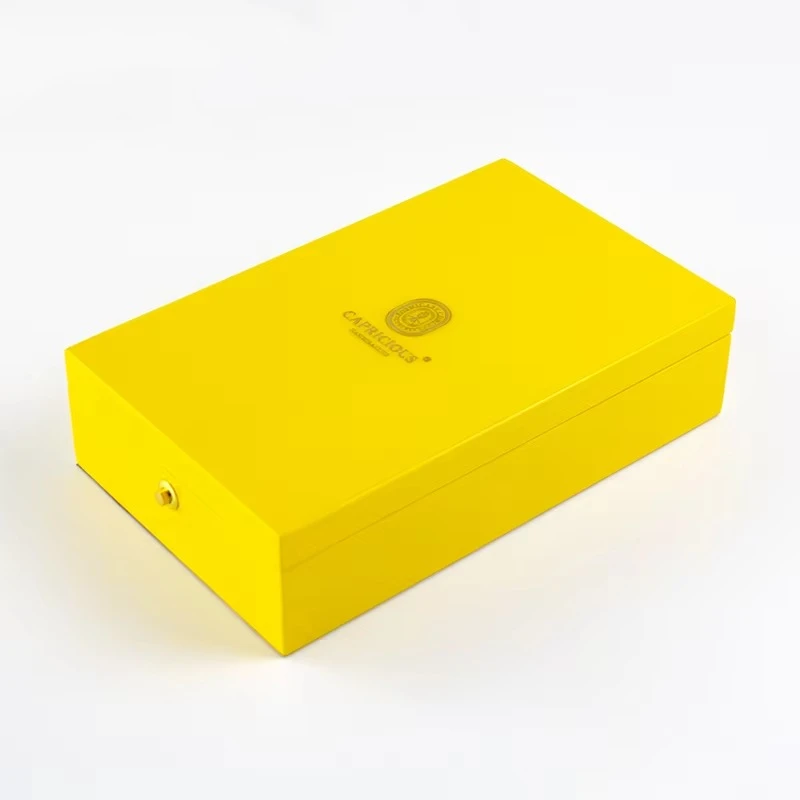
Most customers cannot judge perfume formulas. But they can judge objects.
Premium packaging works as proof because it shows visible effort that customers understand without explanation.
Visible investment replaces invisible cost
Perfume has many invisible costs. These include formulation, testing, compliance, and branding.
Customers do not see these.
But they see:
- Wood material
- Acabado lacado
- Forro de tela
- Piezas metálicas
- Closure systems
These elements act as physical proof of investment.
Craftsmanship is easier to trust than claims
I often hear clients say, “Our perfume is very expensive to make.” That does not convince buyers.
What convinces buyers is craftsmanship they can touch.
When a wooden box closes smoothly and aligns perfectly, it builds trust.
Trust reduces price resistance.
Common packaging signals that communicate quality
Here are signals I see working repeatedly:
| Señal | What Customers Believe |
|---|---|
| Cierre magnético | Thoughtful engineering |
| Forro de terciopelo o ante | Protection and luxury |
| Laca de alto brillo | Skilled labor and time |
| Precise fit | Custom design, not stock |
Each signal answers the question, “Where did the money go?”
When customers can answer that, price feels fair.
Why do consumers accept higher prices when the packaging feels permanent?
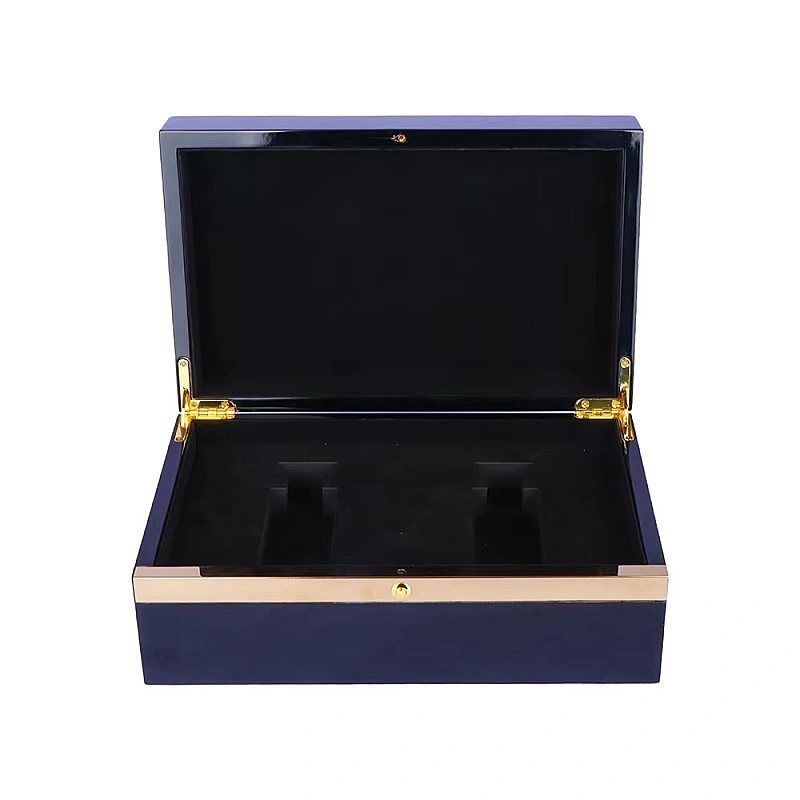
Disposable packaging and high prices do not work well together.
Consumers accept higher prices when packaging feels permanent because it shifts the product from consumable to possession.
The problem with temporary packaging
Many perfume boxes are designed to be thrown away. Thin paperboard sends a clear message.
That message is: “This has no value after opening.”
High prices conflict with this idea.
Customers feel tension, even if they cannot explain it.
Permanence changes the mental category
When packaging is made from wood, everything changes.
The box becomes:
- A storage object
- A display piece
- A keepsake
Now the perfume is not just liquid. It is part of a lasting object.
How permanence supports higher pricing
From my experience, permanence does three things:
- It extends perceived lifespan.
- It spreads cost over time.
- It reduces guilt after purchase.
Here is how customers think, even silently:
“I will keep this box. So the money is not wasted.”
That thought makes higher prices acceptable.
Reuse is not about sustainability alone
Many brands talk about reuse for sustainability. That helps, but it is not the main driver.
The real driver is emotional comfort.
A permanent box gives emotional return after the perfume is gone.
This is powerful for luxury pricing.
How does packaging reduce purchase risk and increase perceived value?
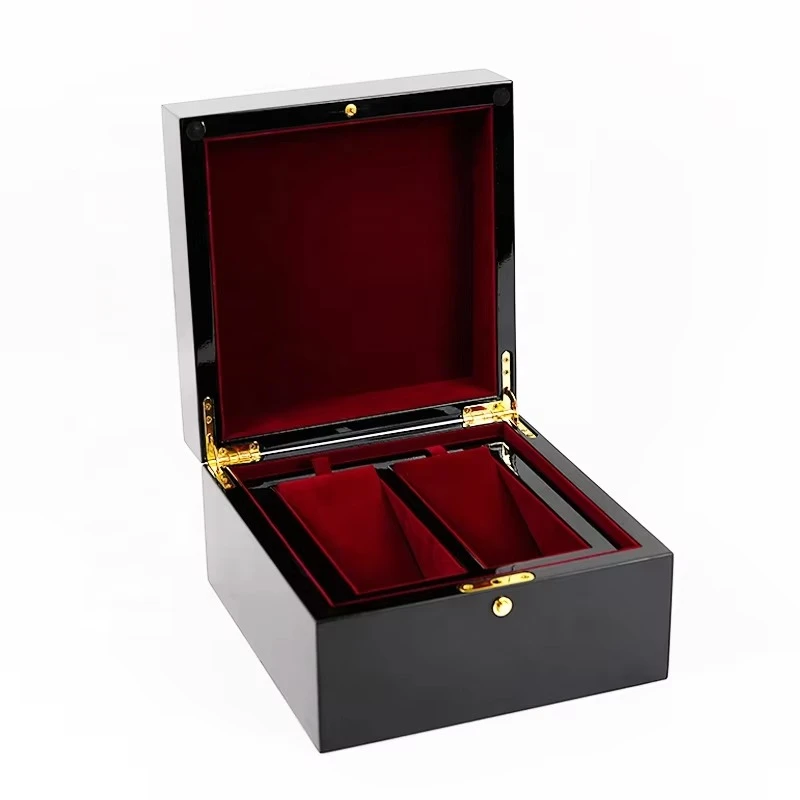
Expensive perfume creates fear. This fear blocks purchases.
Premium packaging reduces risk by ensuring the buyer still owns something valuable even if the scent disappoints.
The fear behind expensive perfume
Customers think:
- What if I do not like it?
- What if it does not suit me?
- What if it feels overpriced?
This fear grows with price.
Packaging as risk insurance
I see premium packaging act like insurance.
Even if the scent is not perfect, the buyer still has:
- A beautiful box
- A gift option
- A display object
This reduces regret.
Why this matters for repeat purchases
In my experience, customers who feel less regret return more often.
They remember the purchase as safe.
This matters more than scent memory alone.
How perceived value increases after purchase
Perceived value does not stop at checkout.
When customers open a well-made box slowly, value increases.
Time slows down.
That calm moment reinforces the idea that the price was right.
This is critical for luxury brands.
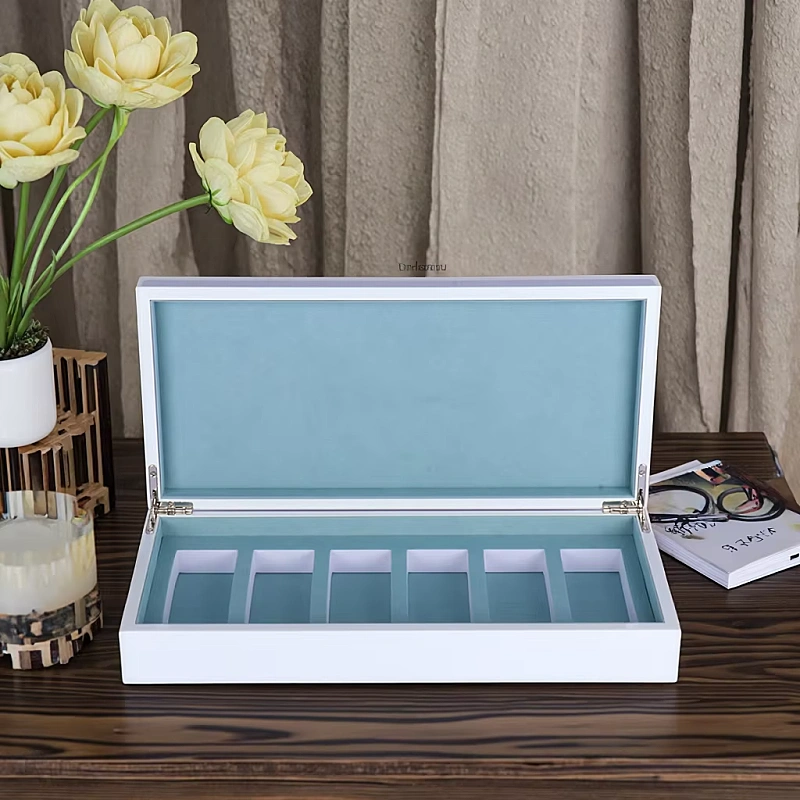
Luxury pricing depends on experience, not speed.
Premium packaging creates experience by controlling time, movement, and attention during unboxing.
Experience begins before the bottle
The experience starts with resistance. Lids that lift slowly matter.
Sound matters. Silence matters.
In wooden boxes, these elements are natural.
How experience supports higher prices
Experience does three things:
- It slows the buyer down.
- It creates anticipation.
- It builds emotional memory.
These elements justify higher pricing more than marketing copy.
Packaging as silent storytelling
A wooden box tells a story without words:
- Tranquilidad
- Care
- Intentional design
This story supports premium positioning.
My observation from years of production
Brands that invest in experience complain less about price pressure.
Their customers already understand the value before asking questions.
This is not accidental. It is designed.
Conclusión
Premium packaging justifies higher perfume prices by making value visible, lasting, and emotionally safe. When packaging feels serious, customers accept serious prices.
Marca: WoodoBox
Eslogan: Cajas de madera personalizadas, hechas a la perfección

 Español
  English
  Português
  Deutsch
  Français
  Italiano
  العربية