Ir al contenido
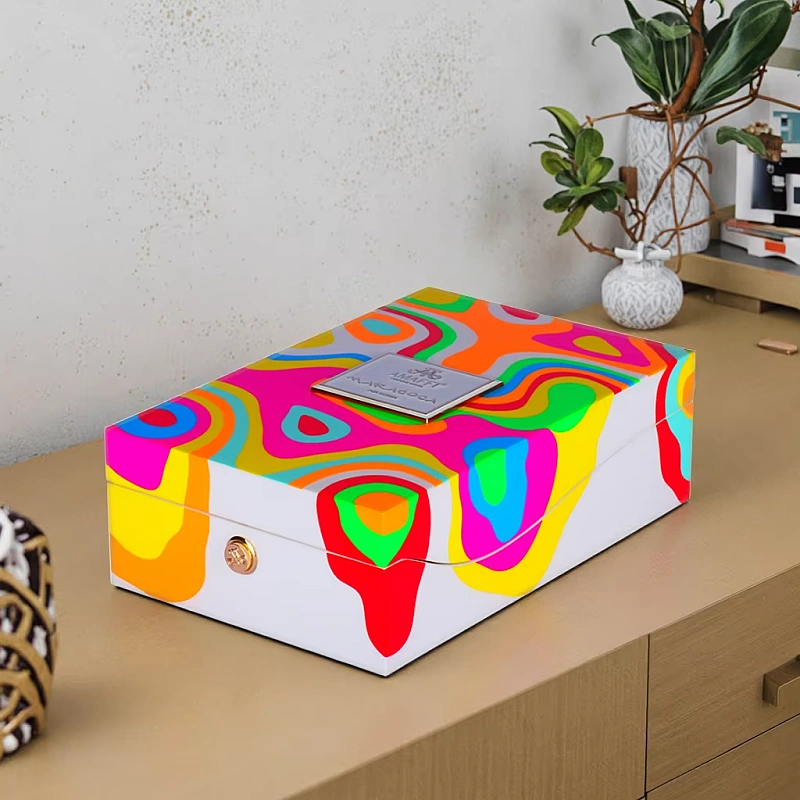
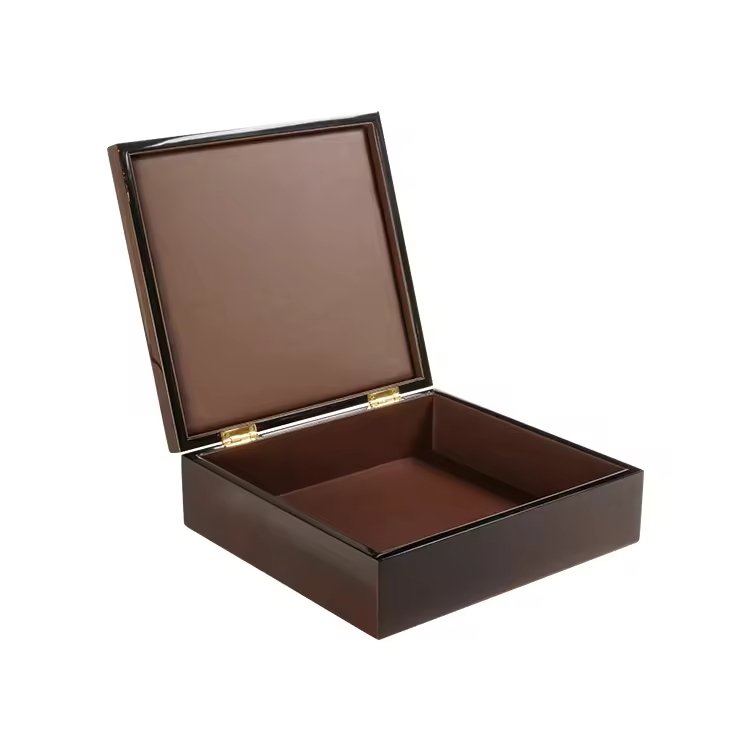
Perfume brands often lose trust because boxes feel weak, warp fast, or crack during shipping.
I have seen small construction choices quietly destroy long-term value.
Edge-jointing strengthens wooden perfume boxes by turning separate panels into one stable structure, improving strength, load transfer, and long-term shape control.
This detail is rarely visible, but it decides whether a box stays solid for years or fails after a few months.
Below, I will explain this from my own manufacturing experience.
How does edge-jointing improve structural integrity compared to butt joints?
Perfume boxes often look similar on the outside, yet fail very differently over time.
The reason is often hidden inside the joints.
Edge-jointing improves structural integrity by increasing bonding surface, reducing point stress, and allowing the box walls to work together instead of separately.
What edge-jointing really means in production
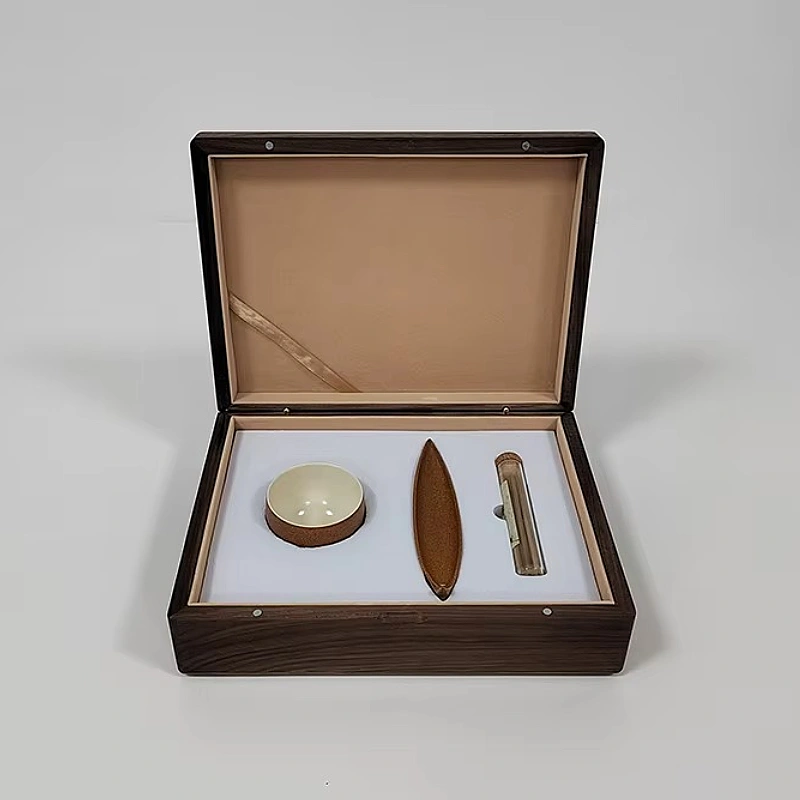
In simple terms, edge-jointing means two wood panels meet along their full edges.
These edges are machined straight, square, and smooth.
Glue spreads across the entire edge.
Pressure is applied evenly during assembly.
A butt joint is very different.
Two panels only touch at a narrow end grain or surface.
The glue area is small.
Strength depends mostly on glue quality, not structure.
From my factory floor experience, this difference changes everything.
Structural comparison: edge joint vs butt joint
| Aspecto | Edge-Joint | Butt Joint |
|---|---|---|
| Contact surface | Full edge length | Minimal surface |
| Load transfer | Distributed | Concentrated |
| Long-term stability | Alta | Bajo |
| Risk of corner cracks | Muy bajo | Alta |
| Assembly tolerance | Estrecha | Forgiving but weak |
With edge-jointing, the joint becomes part of the wall.
With butt joints, the joint becomes the weak spot.
Why this matters for perfume boxes
Perfume boxes are not decorative shells.
They protect fragile glass bottles.
They open and close daily.
They travel thousands of kilometers.
When a butt joint fails, it often starts silently.
A hairline gap forms.
The corner loosens.
The lid alignment shifts.
With edge-jointing, the panels support each other.
Stress flows through the entire edge.
There is no single breaking point.
I have opened returned boxes after two years in market use.
Edge-jointed boxes still felt tight.
Butt-jointed ones often creaked or showed corner fatigue.
This is why I treat edge-jointing as structural design, not decoration.
Why does edge-jointing distribute stress more evenly across the box?
Many buyers think strength is about thicker wood.
From my experience, stress flow matters more than thickness.
Edge-jointing distributes stress evenly by spreading forces along continuous joint lines instead of focusing them at corners.
Common stresses perfume boxes face
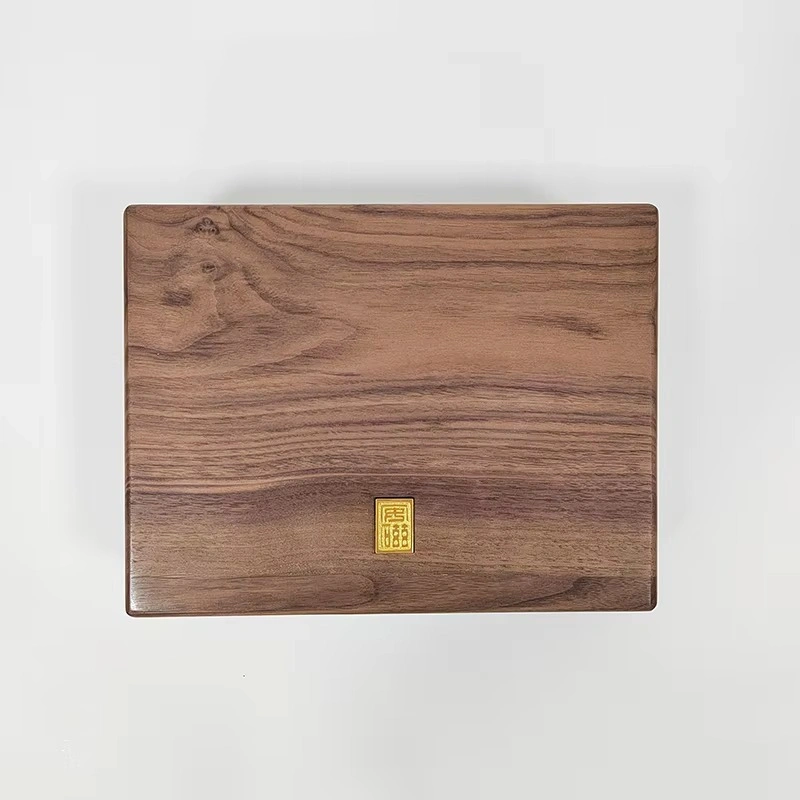
A wooden perfume box faces many forces every day:
- Vertical load from bottle weight
- Side pressure during stacking
- Repeated opening and closing
- Vibration during transport
- Sudden impacts during handling
Each force travels through the box walls and joints.
If the joint is weak, stress stops there.
Damage starts there.
How edge-jointing changes stress behavior
Edge-jointing creates a continuous bond line.
This line acts like a frame.
Instead of stress hitting one corner, it spreads:
- Along the full edge
- Across the adjacent panel
- Around the box perimeter
This is the same logic used in furniture frames and architectural panels.
Stress path comparison
| Stress Type | Butt Joint Behavior | Edge-Joint Behavior |
|---|---|---|
| Vertical compression | Pushes corners apart | Flows through walls |
| Lateral force | Cracks joint line | Shared by panels |
| Repeated motion | Glue fatigue | Structural support |
| Impact shock | Local failure | Energy spread |
In my own testing, edge-jointed boxes survived repeated drop and vibration tests without corner separation.
Butt-jointed boxes often failed after repeated stress, even with strong glue.
Real-world handling example
A perfume box is lifted by one corner.
This happens often in stores.
With butt joints, that corner carries the load alone.
With edge joints, the load travels through the entire edge.
This difference is why edge-jointed boxes feel solid when held.
No flex.
No noise.
No fear.
Stress distribution is invisible, but customers feel it instantly.
How does precise jointing reduce warping and long-term deformation?
Wood always moves.
The question is whether the box controls that movement or suffers from it.
Precise edge-jointing reduces warping by forcing panels to move together in a controlled and predictable way.
Why warping happens in wooden boxes
Wood reacts to humidity and temperature.
It expands and contracts across the grain.
Problems appear when:
- Panels move at different speeds
- Joints allow uneven movement
- Stress accumulates at corners
Warping shows up as:
- Twisted lids
- Gaps at corners
- Raised or sunken panels
I have seen boxes that looked perfect at delivery but failed after one rainy season.
How edge-jointing controls movement
Edge-jointing forces alignment.
When two panels are bonded along their full edges:
- Movement is shared
- Stress is balanced
- Panels restrain each other
This does not stop movement.
It guides it.
Role of machining accuracy
Edge-jointing only works when machining is precise.
In my production, we control:
- Edge straightness
- Angle accuracy
- Glue spread thickness
- Pressing pressure and time
If edges are uneven, the joint becomes stressed.
If pressure is uneven, gaps appear later.
Long-term deformation comparison
| Edición | Butt Joint | Edge-Joint |
|---|---|---|
| Lid twist | Común | Raro |
| Panel cupping | Visible | Mínimo |
| Corner gap growth | Rápido | Lento |
| Shape memory | Pobre | Fuerte |
I once tracked two identical perfume box designs over 18 months.
Same wood.
Same finish.
Different joint method.
The butt-jointed batch showed lid misalignment within 6 months.
The edge-jointed batch stayed stable beyond one year.
This is not theory.
This is behavior observed in real markets.
Why do edge-jointed boxes perform better under transport and stacking pressure?
Most damage does not happen in stores.
It happens before the box reaches the shelf.
Edge-jointed boxes handle stacking and transport pressure better because their joints act as load-bearing frames.
What stacking pressure really does
During logistics, perfume boxes face:
- Vertical compression from cartons above
- Side pressure from pallet wrapping
- Repeated vibration from trucks and ships
These forces do not act gently.
They repeat thousands of times.
How load travels in edge-jointed boxes
In edge-jointed construction:
- Vertical load travels through walls
- Corners act like columns
- The box resists inward collapse
The joint does not open.
It carries weight.
Butt joints under compression
Butt joints rely mostly on glue strength.
Under constant pressure:
- Glue creeps
- Fibers compress
- Corners slowly open
Once deformation starts, it accelerates.
Transport performance comparison
| Transport Stress | Butt Joint Result | Edge-Joint Result |
|---|---|---|
| Pallet stacking | Corner crush | Load transfer |
| Carton vibration | Joint fatigue | Structural damping |
| Long shipping time | Shape loss | Shape retention |
| Internal bottle safety | Riesgo | Estable |
From my export experience, edge-jointed boxes show far fewer claims.
Less corner damage.
Less internal bottle stress.
This directly reduces brand risk and replacement cost.
How does edge-jointing enhance both durability and perceived craftsmanship?
Luxury is not only seen.
It is felt.
Edge-jointing improves durability while silently signaling precision, discipline, and high-level craftsmanship.
Craftsmanship starts with invisible details
Edge-jointing demands accuracy.
- Edges must align perfectly
- Angles must be exact
- Assembly leaves no margin for error
If something is wrong, it shows immediately.
This forces discipline across the whole production process.
What customers feel, even if they cannot explain it
Customers may not know the term “edge-jointing.”
But they notice:
- Clean lid closing
- No rattling sound
- No flex when pressed
- Sharp, consistent edges
These sensations build trust.
Durability and perception connection
Durability and perception are linked.
A box that stays square feels premium.
A box that warps feels cheap.
Brand value impact
| Característica | Customer Reaction |
|---|---|
| Juntas tensas | Confidence |
| Stable shape | Confianza |
| Silent handling | Calidad |
| Larga vida útil | Brand respect |
Luxury brands do not want surprises.
Edge-jointing removes surprises.
From my perspective, edge-jointing is not an upgrade.
It is a foundation.
Conclusión
Edge-jointing strengthens wooden perfume boxes by creating stable, predictable structures that last, protect, and quietly express true craftsmanship.
Marca: WoodoBox
Eslogan: Cajas de madera personalizadas, hechas a la perfección

 Español
  English
  Português
  Deutsch
  Français
  Italiano
  العربية