Ir al contenido
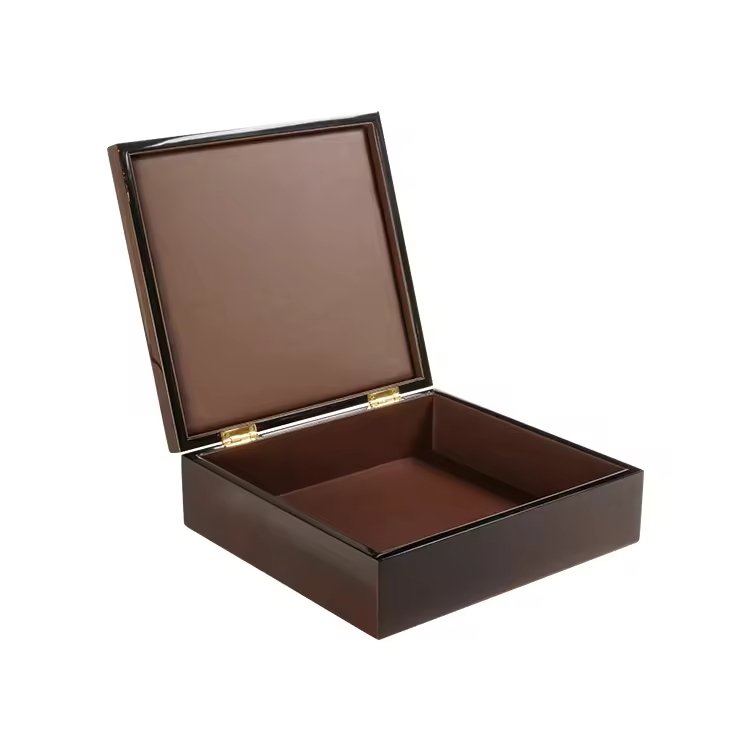
Perfume brands fight for attention in seconds. A weak opening moment breaks trust fast. Packaging must speak before scent.
Brands choose magnetic closures because they create a calm, precise, and premium unboxing moment that instantly signals quality and confidence. They remove friction, reduce noise, and let the product feel intentional from the first touch.
When I work with perfume brands, I always remind them that the box opens before the fragrance speaks. That first action sets the emotional tone. Magnetic closures quietly do their job and let the brand story lead.
How does a magnetic closure elevate the unboxing experience instantly?
The unboxing moment decides emotion. One second of resistance or noise can ruin anticipation.
A magnetic closure elevates unboxing by creating a smooth, guided opening and a soft closing snap that feels controlled and engineered. It gives users a sense of precision without effort, which matches modern luxury expectations.
Why the first touch matters more than visuals
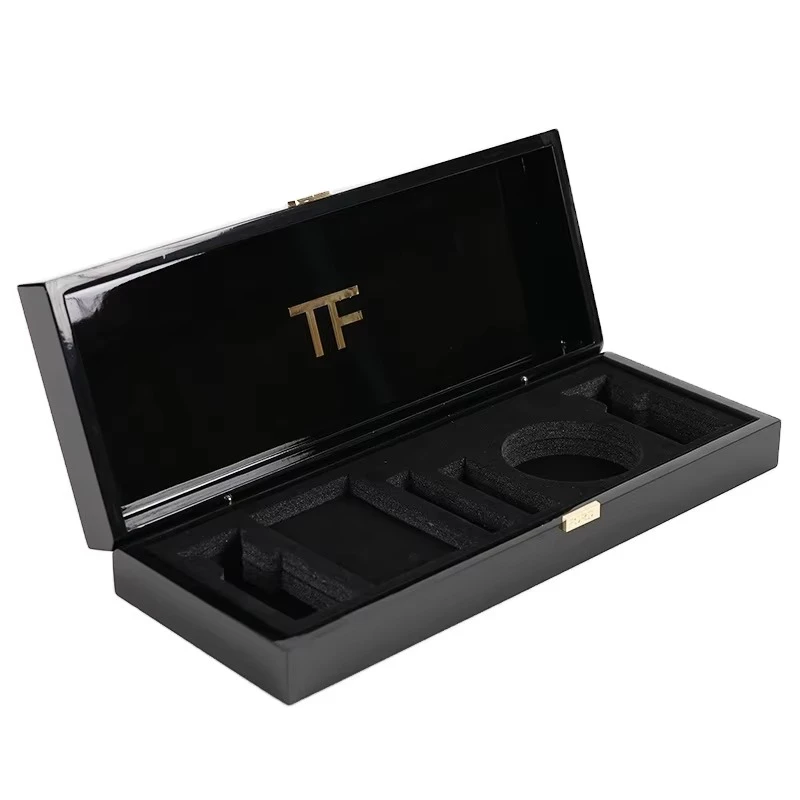
In my experience, customers remember how a box feels more than how it looks. Before they see the perfume bottle, they touch the lid. They lift it. They feel resistance. That physical feedback sets expectations.
Magnetic closures create a predictable movement. The lid does not fight the hand. It does not stick. It does not suddenly release. It opens in a straight, calm motion. This is critical for high-end perfume packaging.
I have tested many closure types with clients during sampling stages. Tight friction lids often feel “premium” at first. But when the user struggles slightly, that premium feeling turns into frustration. Metal locks often click loudly. That sound feels aggressive, not refined.
Magnets avoid both problems. They guide motion instead of resisting it.
The role of sound and silence
Luxury is often quiet. This is something many brands understand intuitively.
A magnetic closure produces a soft, low sound when closing. It is not sharp. It is not metallic. It feels intentional. This sound tells the brain that the box is well made.
I have had clients ask me to adjust magnet strength just to fine-tune that sound. That level of control is only possible with magnets. Friction fits and locks do not allow this level of tuning.
Controlled motion builds trust
Another key point is control. When a box opens too freely, it feels cheap. When it opens with effort, it feels poorly designed.
Magnets create a middle ground. They slow the opening slightly at the start. Then they release smoothly. This teaches the user how the box wants to be used.
From a manufacturing view, this also reduces damage. The lid does not slam open. The hinges stay aligned longer.
Summary of unboxing advantages
| Elemento | Friction Fit | Mechanical Lock | Cierre magnético |
|---|---|---|---|
| Opening feel | Inconsistente | Interruptive | Suave |
| Sonido | None or scraping | Loud click | Soft snap |
| Control | Bajo | Medio | Alta |
| Emotional signal | Uncertain | Technical | Premium |
From my perspective, magnetic closures do not shout luxury. They whisper it. That is why they work so well for perfume boxes.
Why do magnets feel more “luxury” than mechanical locks or friction fits?
Luxury avoids showing effort. Anything that looks like work reduces perceived value.
Magnets feel more luxurious because they disappear visually while remaining present through touch and motion. They allow function without visual clutter or mechanical distraction.
Visibility versus presence
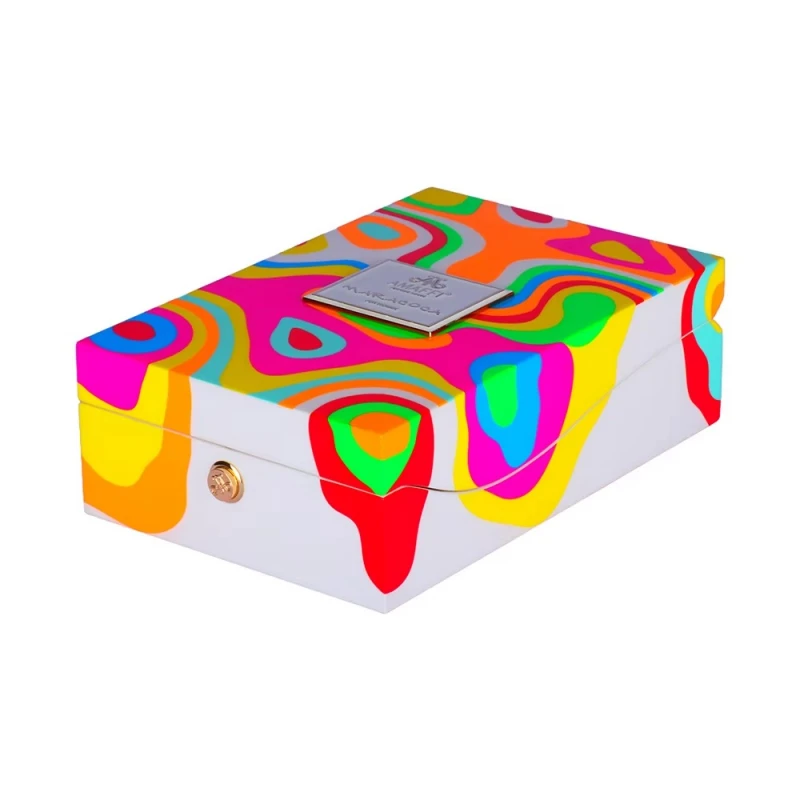
Mechanical locks want attention. Clasps, hooks, and buttons are visible. They tell the user how the box works. That is not always good.
Luxury brands prefer silence in design. They want the product to feel natural. Magnets support this goal. When embedded correctly, they are invisible.
I often say to clients: if the customer notices the closure mechanism, something went wrong. The closure should be felt, not studied.
Clean surfaces support brand focus
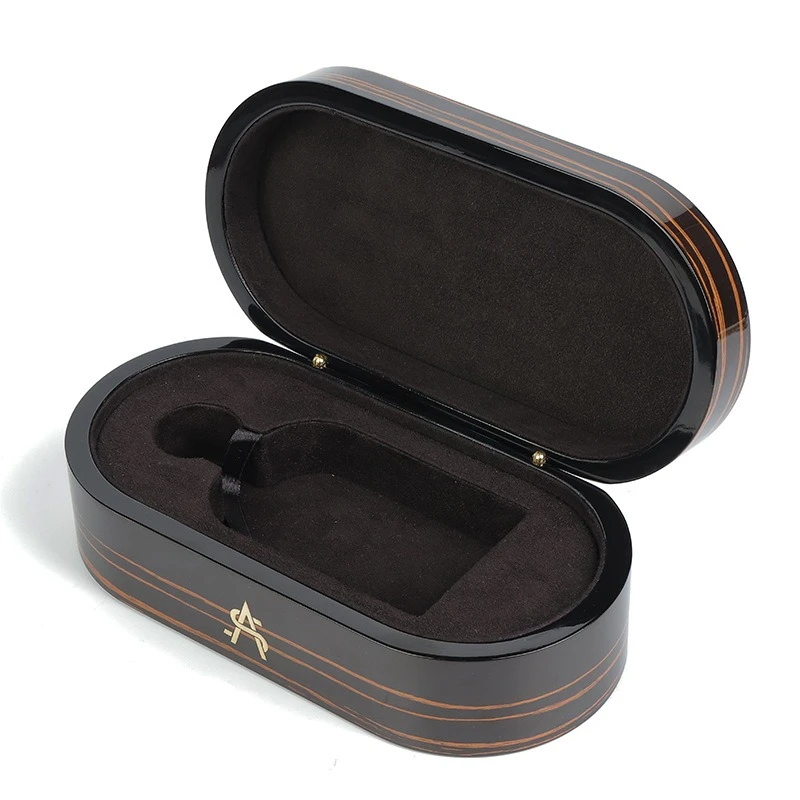
Perfume packaging is about storytelling. The wood grain. The logo. The finish. Every extra component competes for attention.
Magnetic closures sit under veneers. They hide inside MDF. They do not break surface lines. This keeps the focus on branding elements.
In contrast, friction lids require tight tolerances. Any seasonal change in humidity affects fit. Brands then increase friction to compensate. That leads to uneven gaps and visible wear.
Effortless operation equals confidence
Luxury products never ask the user to try harder. If a box needs force, the brand feels uncertain.
Magnets close themselves. The user does not need to align perfectly. The box finishes the action on its own.
This self-completing motion sends a message. It says the brand trusts its design. It does not need extra parts to hold things together.
Emotional comparison from real projects
I remember a perfume client who insisted on a metal clasp at first. They believed it looked expensive. After user testing, feedback was clear. Customers felt the clasp made the box feel like storage, not presentation.
We switched to hidden magnets. The same box suddenly felt modern. The perfume felt more exclusive, even though nothing else changed.
That is the power of perceived refinement.
Closure types and luxury perception
| Tipo de cierre | Impacto visual | User Effort | Señal de lujo |
|---|---|---|---|
| Friction lid | Ninguno | Alta | Inestable |
| Metal clasp | Alta | Medio | Technical |
| Magnetic | Invisible | Bajo | Seguro |
Magnets do not compete with the perfume. They support it quietly.
How do magnetic closures improve durability and long-term usability?
Luxury packaging must age well. A worn box damages brand memory.
Magnetic closures improve durability because they maintain consistent performance over time and reduce mechanical wear. They adapt better to repeated use and environmental changes.
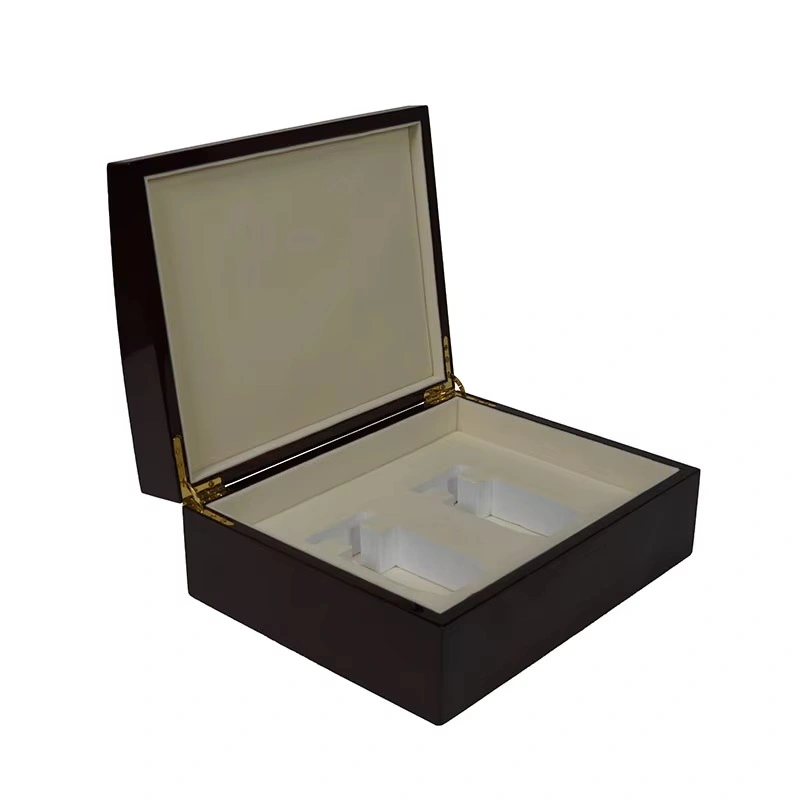
Wear patterns in common closure systems
After years of production, I see the same problems repeat.
Friction lids loosen. Wood fibers compress. The lid no longer holds. Brands then face complaints about “cheap feel” after months.
Mechanical locks misalign. Hinges shift. Screws loosen. The lock scratches the surface. All of these issues appear with time.
Magnets behave differently. They do not rely on pressure. They rely on attraction. That force stays stable for years.
Environmental stability matters
Perfume boxes travel. They ship across climates. Humidity and temperature change constantly.
Wood expands and contracts. MDF moves slightly. Friction systems suffer the most under these conditions.
Magnets tolerate movement. Even if panels shift slightly, the magnet still pulls the lid into place. This tolerance makes them ideal for international shipping.
Reduced stress on hinges and joints
Another benefit is load distribution.
With friction lids, users often pull harder. This stresses hinges. Over time, hinge screws loosen.
With magnets, the opening force is lower. The motion is guided. Hinges experience less shock.
In high-gloss piano lacquer boxes, this is critical. Cracks often start near hinges due to stress. Magnets reduce that risk.
Long-term user behavior
Many perfume boxes are reused. Collectors keep them. Some display them. Others store jewelry.
I have seen magnetic boxes remain satisfying after five or ten years. The closing feel stays the same.
This consistency protects brand memory. When customers revisit the box, the brand still feels premium.
Durability comparison table
| Factor | Friction Fit | Mechanical Lock | Cierre magnético |
|---|---|---|---|
| Wear rate | Alta | Medio | Bajo |
| Climate sensitivity | Alta | Medio | Bajo |
| Alignment tolerance | Bajo | Bajo | Alta |
| Long-term feel | Degrades | Noisy | Estable |
From a manufacturer’s view, magnets reduce after-sales risk. From a brand view, they protect reputation.
Why do magnets support clean, minimal design language?
Modern luxury favors clarity. Extra elements feel outdated fast.
Magnetic closures support minimal design by allowing uninterrupted surfaces, sharp geometry, and balanced proportions. They enable designers to focus on form, not mechanisms.
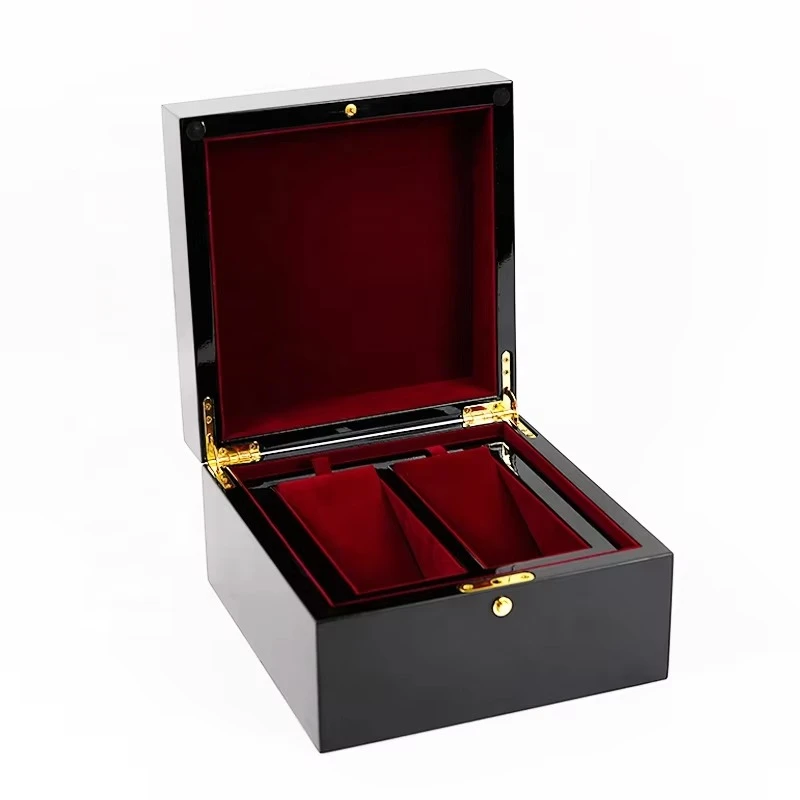
Minimalism depends on hidden function
Minimal design is not simple to execute. It requires discipline.
Visible hardware breaks visual flow. Locks create focal points that designers must work around.
Magnets remove this problem. They allow flat lids. Clean edges. Sharp corners. These elements define modern luxury perfume packaging.
Geometry and symmetry
When designing wooden perfume boxes, symmetry is critical. Any visible lock introduces asymmetry.
Magnets allow perfect centering. The box closes evenly. Gaps stay consistent.
This matters even more with glossy finishes. Reflections exaggerate imperfections. A magnetic closure keeps reflections clean.
Material harmony
Wood already communicates warmth and weight. Adding metal locks often changes that message.
Magnets stay hidden. They do not change the material story.
This is why magnets pair well with:
- Acabados lacados piano
- Natural wood veneers
- Matte painted surfaces
They let the surface speak.
Design freedom for branding
Without visible closures, designers gain space. Logos can move freely. Embossing can stay centered. Edges can stay thin.
I often work with brands that want extremely thin lid profiles. This is nearly impossible with friction fits or locks. Magnets make it achievable.
Minimal design advantages overview
| Aspecto del diseño | With Visible Lock | With Magnet |
|---|---|---|
| Surface continuity | Broken | Limpio |
| Edge sharpness | Limitado | Alta |
| Colocación del logotipo | Restringido | Free |
| Visual age | Más rápido | Más lento |
Minimal design ages well. Magnets help brands stay relevant longer.
Why do magnetic closures reinforce brand confidence and product value?
Luxury brands do not over-explain. They trust their choices.
Magnetic closures reinforce brand confidence by allowing the box to close naturally without force or display. This ease communicates assurance and elevates perceived product value.
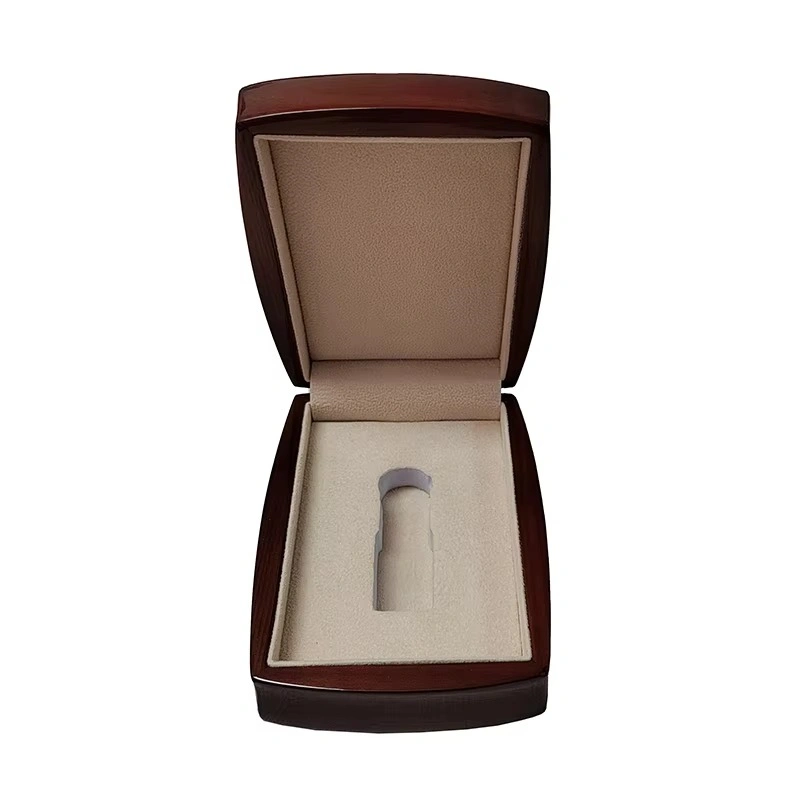
Confidence is felt, not stated
When a box closes itself, the brand feels calm. There is no struggle. No correction. No instruction.
This ease mirrors how luxury brands want customers to feel about the product.
In my experience, confident brands choose magnets early. They do not debate them much. They already know the feeling they want.
Subconscious messaging
Customers may not understand magnets technically. But they feel the result.
A smooth closure suggests:
- Precise tolerances
- Quality materials
- Thoughtful engineering
All of these traits transfer to the perfume itself.
Value perception beyond cost
Magnets are not always cheaper. Sometimes they cost more than simple friction lids.
But perceived value is higher. Customers feel they received more than they paid for.
I have seen brands increase retail price without changing the perfume, only upgrading the box closure. Sales did not drop.
That tells me the packaging justified the value.
Brand maturity signal
New brands sometimes choose visible locks to prove quality. Mature brands remove them.
Magnets signal that the brand does not need to show effort. It trusts its audience.
This is especially important in high-end perfumery, where subtlety defines status.
Psychological impact summary
| Marca Señal | Customer Interpretation |
|---|---|
| Effortless closure | Seguro |
| Hidden mechanism | Refined |
| Consistent feel | Reliable |
| Calm motion | Premium |
From my years in production, this pattern repeats across markets and cultures.
Conclusión
Magnetic closures help perfume boxes feel calm, precise, and confident. They elevate unboxing, protect durability, support minimal design, and quietly increase product value.
Marca: WoodoBox
Eslogan: Cajas de madera personalizadas, hechas a la perfección




 Español
  English
  Português
  Deutsch
  Français
  Italiano
  العربية