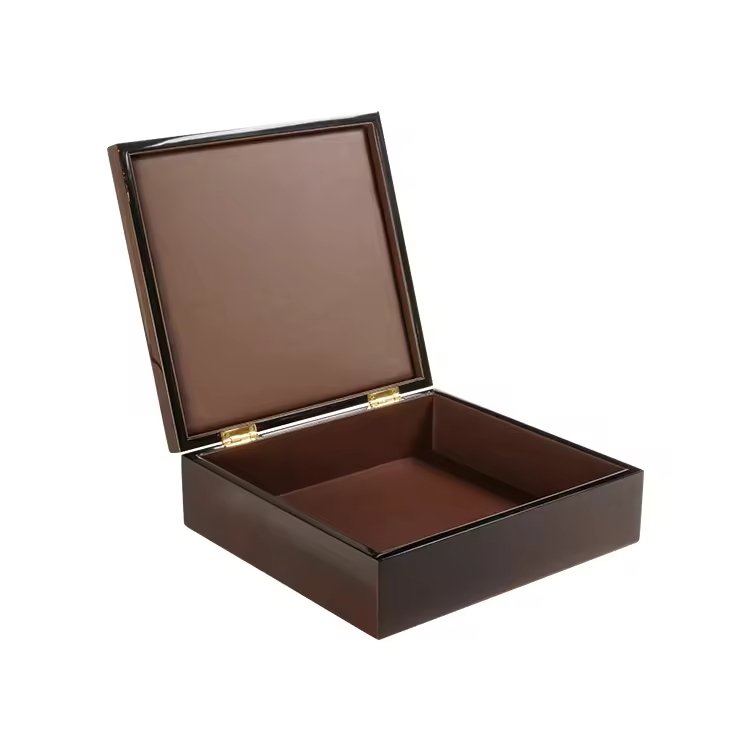

Cigars suffer from excess humidity just as much as dryness. Too much moisture leads to mold, odor, and uneven burn.
Dehumidifying sheets or activated carbon layers can be embedded inside cigar box structures to absorb excess moisture and odors. In practice, they are used in advanced humidors and luxury packaging.
Over years of making humidors, I have seen many cases where buyers ask for better moisture control. Dehumidifying layers are an innovative way to achieve balance.
Why might a cigar box need dehumidifying elements in addition to humidifiers?
Humidifiers add moisture, but sometimes the problem is the opposite.
Cigar boxes may need dehumidifying elements when cigars face excess RH during seasonal changes or international shipping.
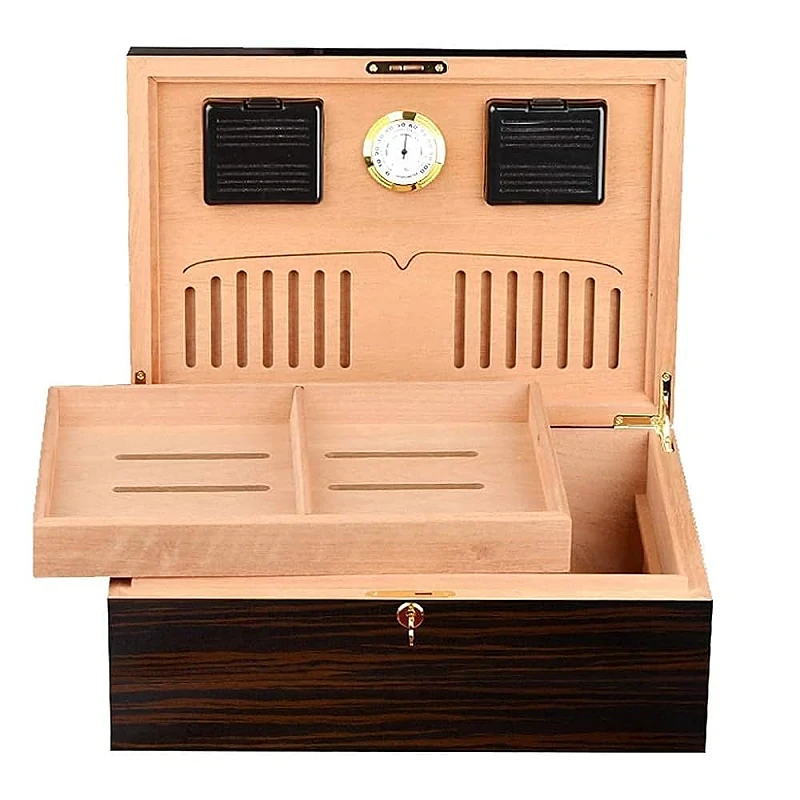
For example, when a box is shipped from a humid climate like Asia to Europe, cigars often arrive too moist. A dehumidifying layer balances this excess. Without it, cigars risk mold or flavor loss.
Scenarios Requiring Dehumidification
- Tropical Transport: High humidity causes wet cigars.
- Storage in Damp Basements: Cigars absorb excess moisture.
- Overactive Humidifiers: Too much output ruins stability.
I once worked with a Caribbean cigar maker who struggled with mold during export. By adding hidden carbon sheets inside their boxes, they solved this problem effectively.
How do activated carbon or silica-based sheets help balance excess moisture and odors?
Materials matter in function.
Activated carbon absorbs odors and regulates gases, while silica-based sheets absorb excess water vapor, keeping the inside balanced.

Comparison of Materials
| Material | Función | Ventaja |
|---|---|---|
| Activated Carbon | Absorbs odor, regulates VOCs | Maintains clean aroma |
| Silica Gel Sheets | Absorbs moisture | Prevents mold and swelling |
| Composite Sheets | Combines both | Dual protection |
Activated carbon is especially useful when cigars are stored long-term, because it eliminates musty odors. Silica gel, on the other hand, prevents condensation when temperature drops.
One luxury brand I supplied boxes to in Germany required both: a thin activated carbon pad under the base for odor control and silica gel strips in a hidden compartment for seasonal moisture changes.
Placement determines efficiency.
Dehumidifying layers can be embedded in the lid lining, base, or hidden compartments where they regulate air without touching cigars directly.
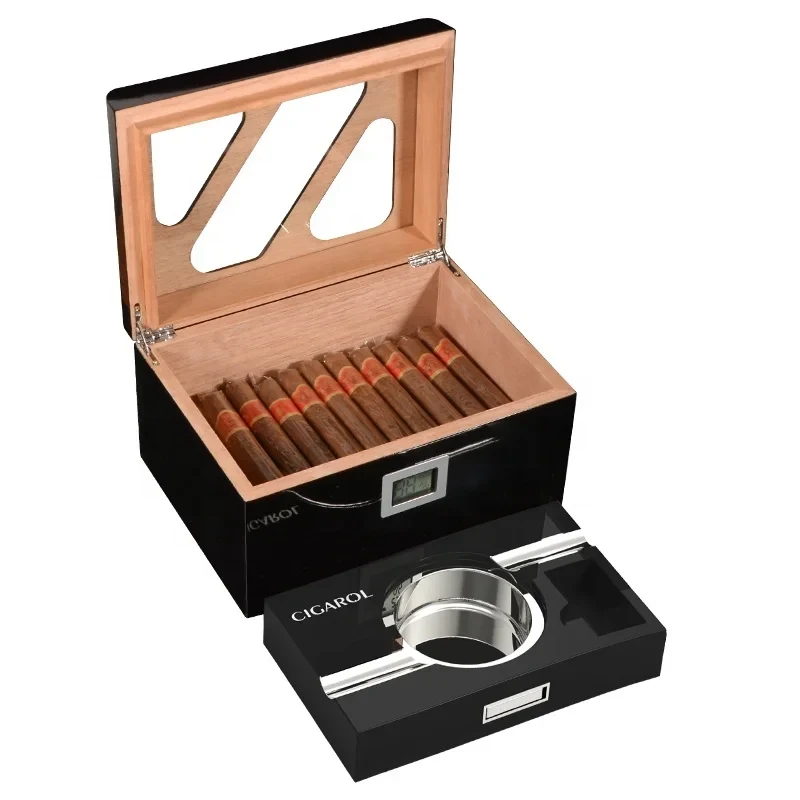
Placement Options
-
Lid Lining
- Thin sheet behind cedar veneer.
- Works passively and invisibly.
-
Base Panel
- Carbon layer under cedar floor.
- Strong effect without losing cigar space.
-
Hidden Compartments
- Removable panels for replaceable inserts.
- Ideal for premium humidors.
I once made a jewelry-style cigar box for a Swiss collector. We embedded carbon sheets inside the base panel, hidden under cedar. The cigars smelled fresh even after long storage.
Will embedding these elements affect airflow or reduce internal space for cigars?
Balance is key.
If designed properly, embedded layers do not block airflow or reduce cigar capacity. The trick is hiding them inside walls, lids, or bases.
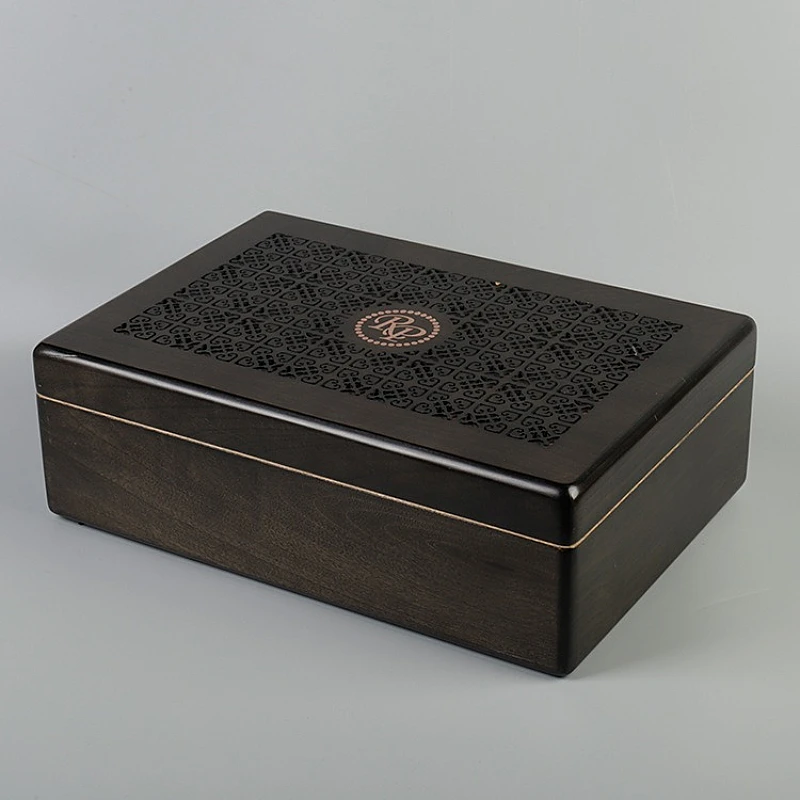
If dehumidifying elements are placed inside cedar linings, they remain invisible and do not reduce space. Problems only arise if large packets are loosely inserted.
Design Rules
- Use thin layers (1–2mm) hidden under cedar.
- Avoid placing elements where cigars directly touch.
- Preserve natural airflow inside the box.
I learned this from an early mistake. A client once added loose silica packs directly inside a travel humidor. The packs touched cigars and left stains. After embedding them in the lid lining, the issue disappeared.
Yes, some brands already do this quietly.
Luxury humidors and high-end packaging use hidden carbon sheets or silica layers as part of their structural innovation.
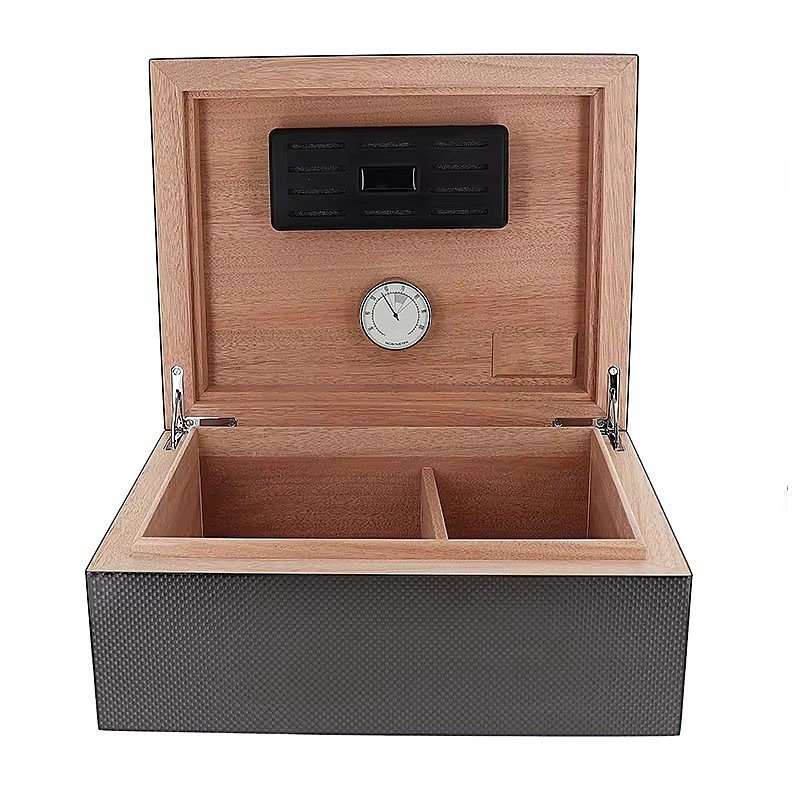
Some wine and spirits boxes use carbon linings to remove odor from wood glue or lacquer. Premium humidors in Japan and Europe sometimes include thin silica sheets under tray compartments to stabilize humidity.
Real-World Examples
- Japanese Humidors: Carbon paper hidden in cedar layers.
- Luxury Spirit Boxes: Carbon filters under base to remove odor.
- German Humidors: Silica gel inserts in hidden trays.
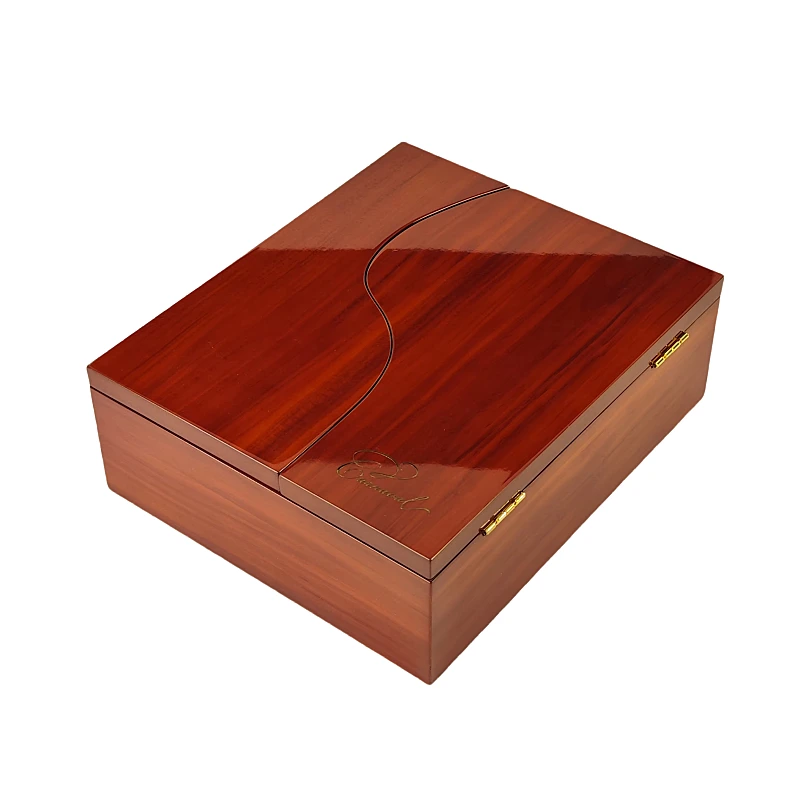
When I toured a European luxury humidor brand, I saw them embedding carbon sheets into lacquered boxes. Their customers never knew, but that was the secret behind their freshness guarantee.
Should dehumidifying inserts be designed as replaceable modules for long-term practicality?
Nothing lasts forever.
Dehumidifying elements should be designed as replaceable modules, so users can refresh them without damaging the box.
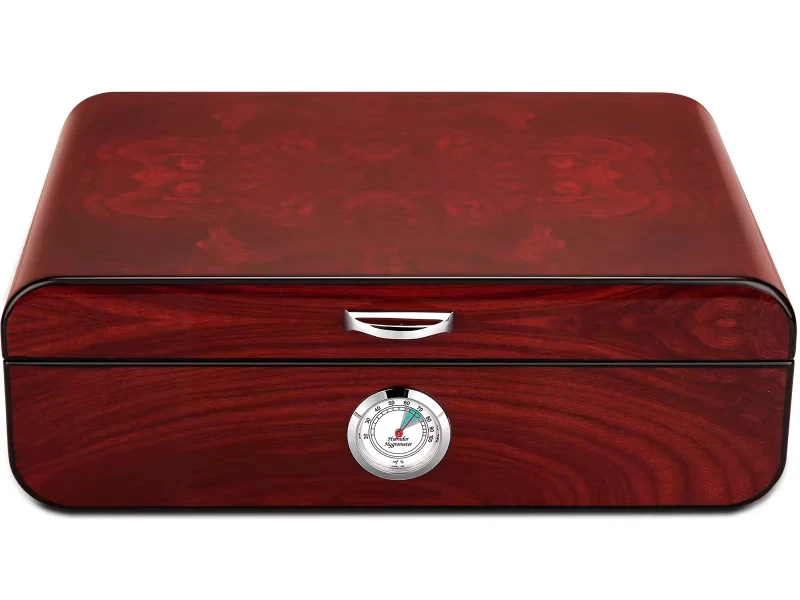
Over time, carbon becomes saturated and silica loses effectiveness. Designing removable inserts—like sliding panels, magnetic lids, or small hidden compartments—makes maintenance easy.
Replaceable Module Benefits
- Long-Term Function: Easy to renew.
- User Control: Adjust intensity by replacing often.
- Sostenibilidad: Reduces waste compared to disposable boxes.
In one of my recent projects, we created a drawer-style cigar box with a removable carbon cassette hidden in the back panel. Customers could swap it yearly, extending the life of the humidor.
Conclusión
Dehumidifying layers are not only possible but practical. Hidden sheets or replaceable modules can protect cigars from excess RH and odors while keeping boxes elegant.
Marca: WoodoBox
Eslogan: Cajas de madera personalizadas, hechas a la perfección
Página web: www.woodobox.com
WhatsApp: +86 18359265311

 Español
  English
  Português
  Deutsch
  Français
  Italiano
  العربية