Zum Inhalt wechseln
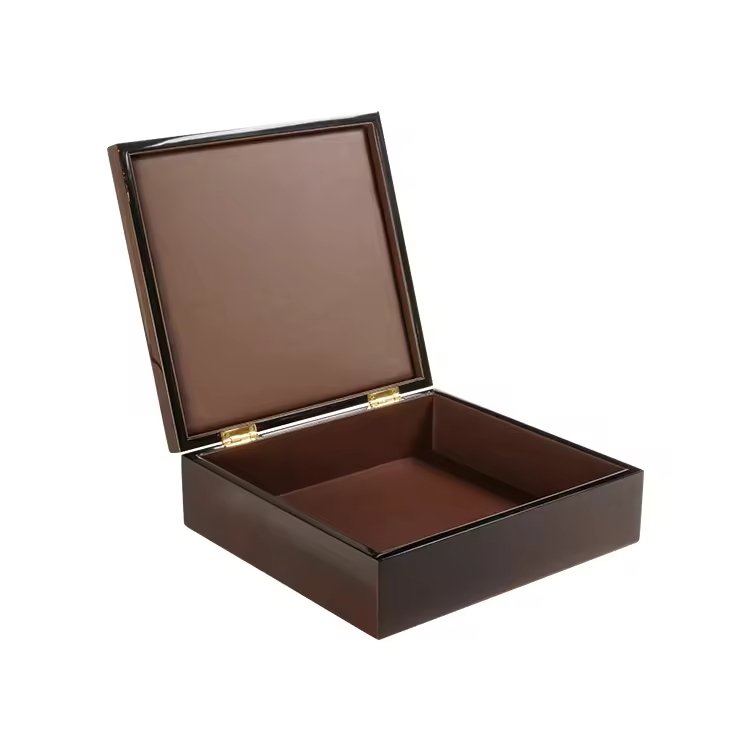
Customers doubt many luxury claims today. They see too much polish and too many stories. They want something that feels real before they believe the perfume is real.
Customers associate wooden perfume boxes with authenticity because wood feels natural, honest, and made by human effort. The material itself signals origin, care, and long-term intent before any brand message is read.
I have worked with perfume brands for over fifteen years. I have watched customers react to packaging in real life. Before they smell the perfume, they touch the box. That first touch decides trust.
How does natural material signal honesty and “realness” to customers?
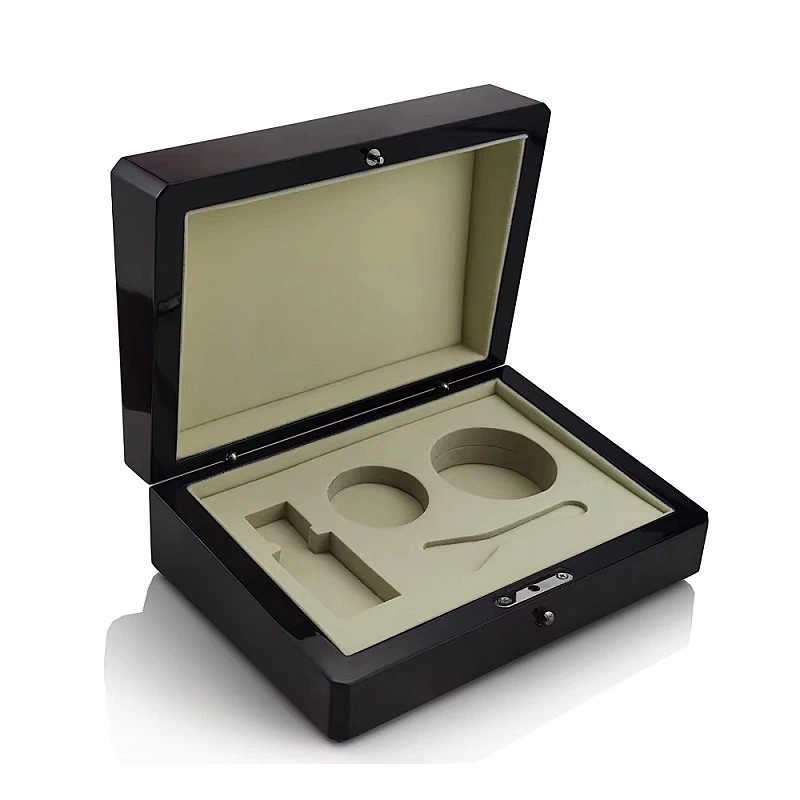
Customers are tired of artificial beauty. When everything looks perfect, people start to doubt. Natural materials break this pattern and reset trust.
Natural wood signals honesty because it cannot hide that it comes from nature. Customers see, feel, and accept its origin without explanation.
What customers sense before they think
When a customer picks up a wooden perfume box, several things happen at once. None of them require education.
- They feel weight
- They feel warmth
- They see grain
- They see variation
These signals work faster than logic. I have seen this many times in showrooms. Customers do not ask where the wood comes from. They already feel that it came from somewhere real.
Synthetic materials do not work the same way. Plastic and acrylic feel neutral. They do not tell a story by themselves. Even high-end coated paper feels processed. The more layers you add, the further it feels from origin.
Wood behaves like truth
In my experience, customers link truth with exposure. Wood exposes itself.
- Grain cannot be fully controlled
- Color cannot be perfectly repeated
- Texture cannot be erased
This openness feels honest. Customers believe that if a brand allows the material to speak, the brand has nothing to hide.
Comparison from production reality
| Material Typ | Perceived Origin | Emotionales Signal | Trust Level |
|---|---|---|---|
| Massivholz | Clear and natural | Honest, warm | Hoch |
| MDF mit Furnier | Semi-natural | Controlled but real | Mittel-Hoch |
| Plastic / Acrylic | Unclear | Cold, industrial | Niedrig |
| Heavy paper with coating | Processed | Dekorativ | Mittel |
This table matches what I hear from buyers. The more natural the material feels, the less explanation the brand needs.
Why perfume brands benefit more than others
Perfume is invisible. Customers cannot judge it until they open it. This creates risk. Packaging must reduce that risk.
Wood reduces risk by acting as proof. It shows effort before the scent does. This is why natural material matters more in perfume than in many other categories.
I often tell clients this simple line:
If the box feels honest, the scent gets more time to speak.
That time is trust.
Why does visible grain and imperfection increase trust instead of reducing it?
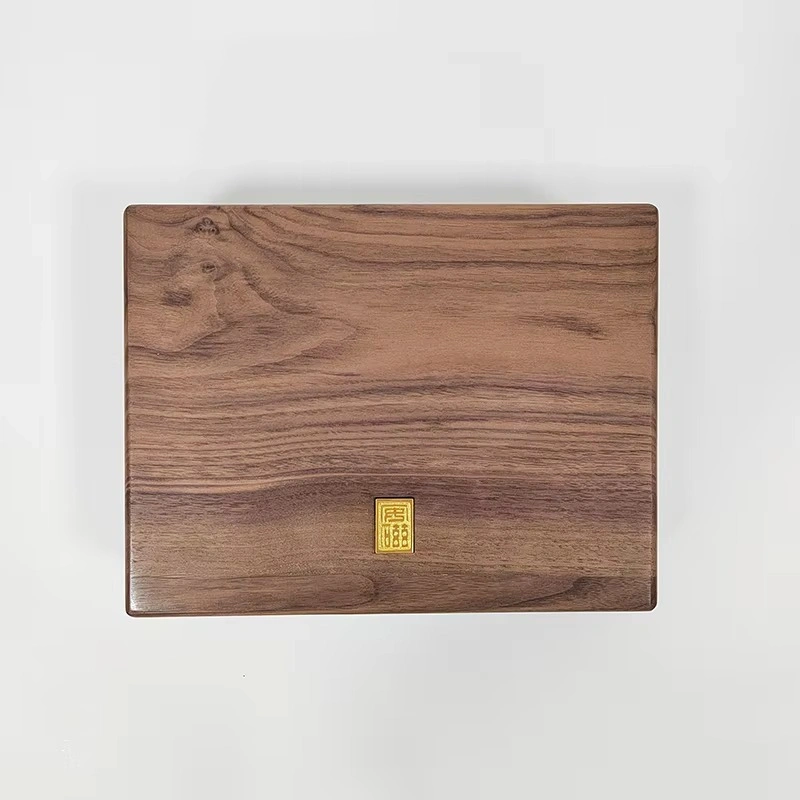
Many brands fear imperfection. They worry that variation looks like poor quality. In wooden packaging, the opposite is true.
Visible grain and small imperfections increase trust because customers read them as evidence of real material and human involvement.
Imperfection as proof of origin
No two pieces of wood are the same. Customers know this even if they cannot explain it.
When they see:
- Slight grain shifts
- Small color changes
- Natural lines or knots
They do not think “defect.” They think “real.”
In my factory, I have seen clients request grain matching at first. After market feedback, many reduce that demand. Customers liked variation more than uniformity.
Machine perfection creates doubt
Perfect surfaces often signal machines. Machines signal scale. Scale signals mass production.
For niche perfume brands, this is dangerous.
Customers buying artisanal or niche perfume want distance from mass production. Grain variation gives them that distance without words.
Customer perception path
- I see variation
- I assume natural material
- I assume hand involvement
- I assume care
- I trust the brand more
This chain happens silently. No brand copy can replace it.
Controlled imperfection vs poor quality
This point is important. Not all imperfection is good.
There is a clear line between:
- Natural variation
- Poor workmanship
I explain this to buyers often.
What builds trust
- Smooth edges
- Precise joints
- Clean lacquer
- Consistent structure
What destroys trust
- Verziehen
- Rough cuts
- Uneven assembly
- Schwache Scharniere
Wood must look alive, not careless.
How we manage this in production
| Fläche | Allowed Variation | Strict Control |
|---|---|---|
| Wood grain | Ja | Nein |
| Farbton | Leicht | Large shifts |
| Größe der Box | Nein | Ja |
| Opening feel | Nein | Ja |
This balance is where trust lives. Customers accept nature. They do not accept mistakes.
From my experience, when brands understand this balance, wooden boxes become a silent trust tool.
How does wood connect perfume brands to craftsmanship and human effort?
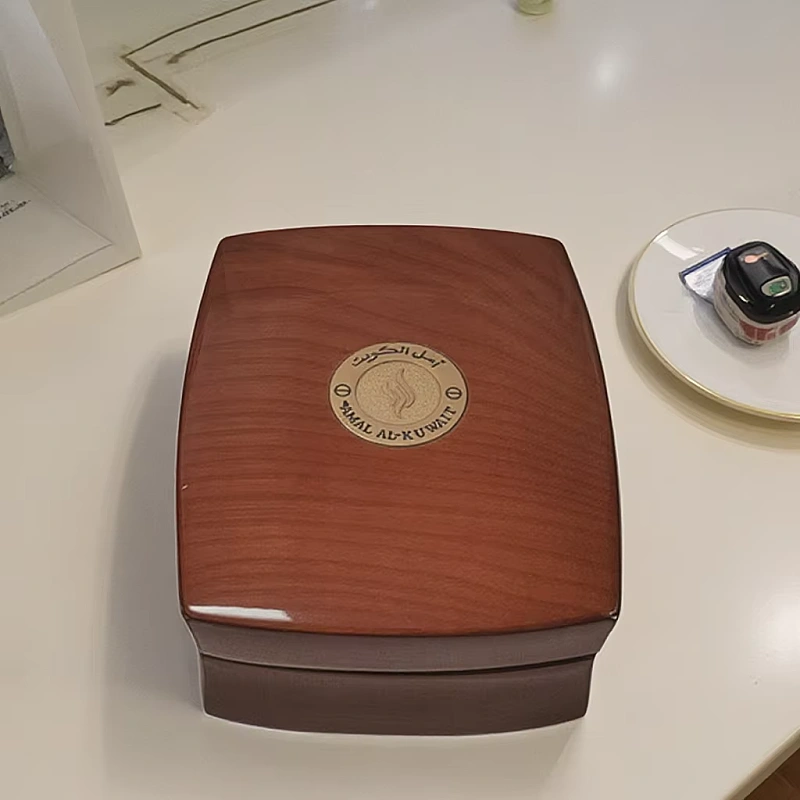
Customers crave human stories. They feel lost in automation. Wood brings the human back.
Wood connects perfume brands to craftsmanship because customers can feel time, skill, and effort through touch and use.
The language of hands
Wood carries marks of process.
- Cutting
- Schleifen
- Polieren
- Assembling
Even with machines, hands are involved. Customers sense this.
When a wooden box opens smoothly but firmly, it feels intentional. That feeling suggests someone cared enough to get it right.
I have had brand owners tell me something interesting. Customers described their perfume as “more serious” after switching to wooden boxes. The formula stayed the same. Only the box changed.
Weight as effort
Weight matters. Wood has honest weight.
Light packaging feels temporary. Heavy packaging feels committed.
For perfume, commitment matters. Customers associate weight with:
- Time invested
- Cost invested
- Confidence
If a brand is willing to invest in wood, customers believe the brand believes in itself.
Craft aligns with artisanal perfume stories
Many niche perfumes talk about:
- Kleine Chargen
- Rare ingredients
- Slow processes
Wood supports this story without repeating it.
Story alignment table
| Marke Botschaft | Wood Signal |
|---|---|
| Handcrafted | Sichtbares Korn |
| Small batch | Variation |
| Slow perfumery | Solid build |
| Erbe | Natural material |
This alignment reduces friction. Customers do not feel pushed. They feel guided.
My personal observation
When clients visit our workshop, their tone changes. They stop talking about marketing. They start asking about process.
That same shift happens with customers. Wood invites curiosity. Curiosity builds respect. Respect builds trust.
Why do wooden boxes feel more credible than highly polished synthetic packaging?
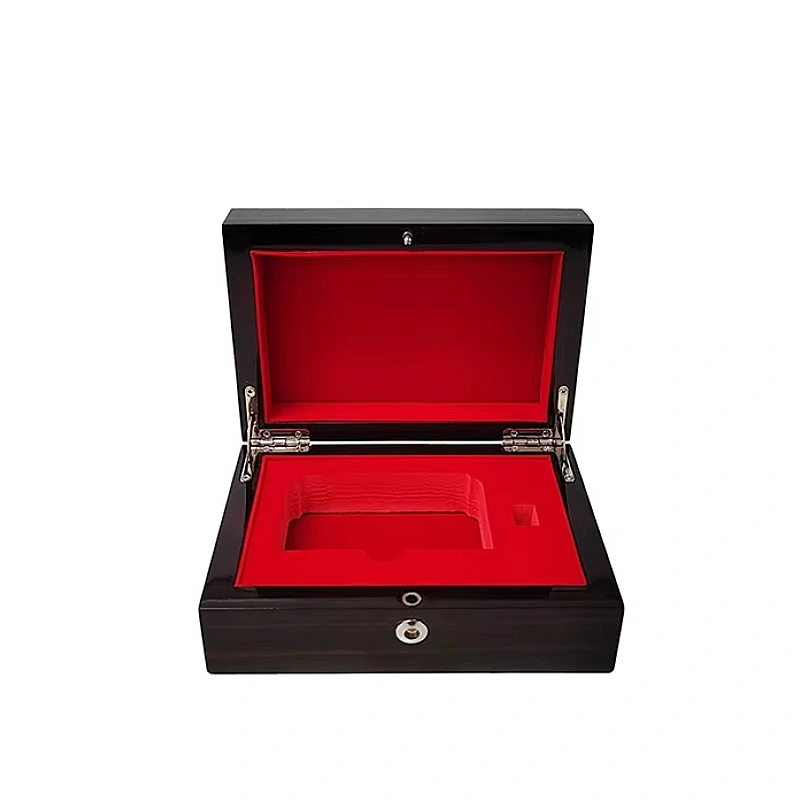
High gloss looks impressive. But it also looks staged. Customers have learned to question it.
Wooden boxes feel more credible because they do not rely on surface perfection to signal value.
Over-polish creates distance
Highly polished synthetic packaging often feels:
- Kälte
- Untouchable
- Display-only
Customers admire it, but they do not connect with it.
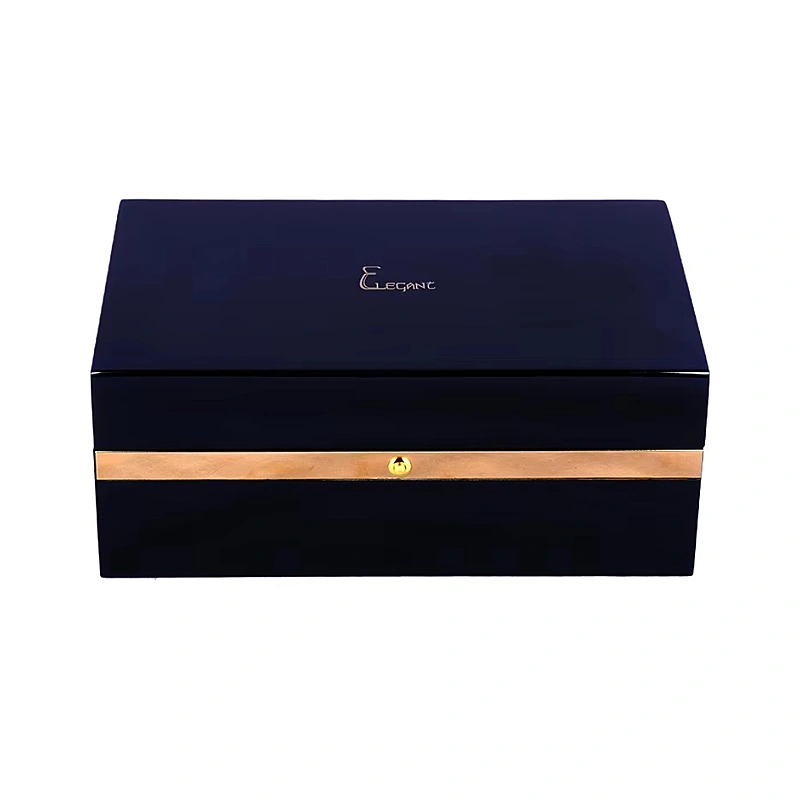
Wood invites touch. Even with piano lacquer, the base material still feels warm. This warmth matters more than shine.
Credibility comes from restraint
Wood does not shout. It stays quiet.
Quiet packaging feels confident. Confident brands do not need to over-decorate.
I often advise perfume clients to reduce decoration when using wood. Let the material speak first.
Sensory honesty
Wood communicates through multiple senses.
| Sense | Wood Response |
|---|---|
| Berühren Sie | Warm |
| Sight | Natürlich |
| Ton | Soft closure |
| Geruch | Subtle, organic |
Synthetic materials usually rely on sight alone.
The more senses involved, the more believable the experience feels.
Long-term interaction matters
Customers interact with wooden boxes more than once. They open it. They close it. They keep it.
Synthetic packaging often ends after first use. Credibility fades quickly when the object disappears.
Wood stays. Staying builds belief.
How does long-lasting wooden packaging reinforce authentic brand intention?
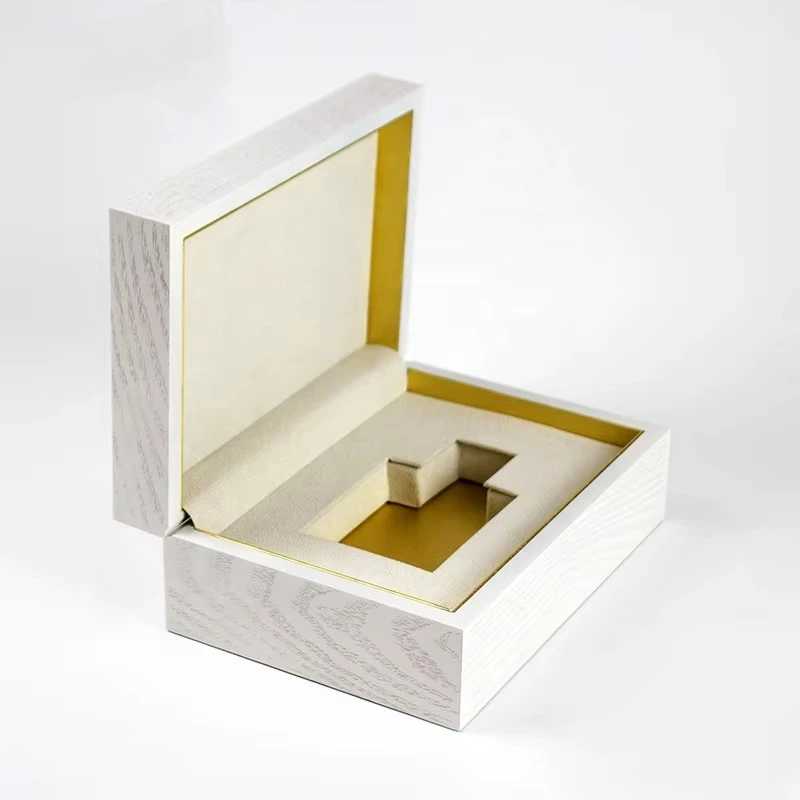
Disposable packaging sends a message. It says short-term. Customers feel that.
Long-lasting wooden packaging reinforces authenticity because it shows long-term intent and respect for the product and the customer.
Permanence equals intention
When customers see a wooden box, they assume:
- The brand expects it to last
- The brand respects the product
- The brand respects the buyer
This assumption matters more than sustainability claims.
Wooden boxes are kept. They become storage. They become display. They become memory.
Memory strengthens brand truth
Perfume is emotional. Memory is part of the product.
If the box stays, the brand stays.
I have seen customers reuse wooden perfume boxes for years. Every reuse repeats the brand presence. That repetition feels earned.
Authentic brands think beyond first sale
Short-term brands chase attention. Long-term brands build objects.
Wood signals patience. Patience signals belief.
Brand intention comparison
| Verpackungsart | Customer Interpretation |
|---|---|
| Disposable | Fast profit |
| Recyclable paper | Responsible |
| Holzkiste | Confident and lasting |
This is why wooden packaging works so well for brands that want trust, not noise.
My final takeaway from experience
After fifteen years, the pattern is clear. When brands choose wood, customers give them more time, more belief, and more respect.
That is authenticity in action.
Schlussfolgerung
Wooden perfume boxes feel authentic because they show origin, human effort, restraint, and long-term intent. When packaging feels truthful, customers believe the scent is truthful too.
Markenname: WoodoBox
Slogan: Maßgefertigte Holzkisten, handwerklich perfekt gefertigt



 Deutsch
  English
  Español
  Português
  Français
  Italiano
  العربية