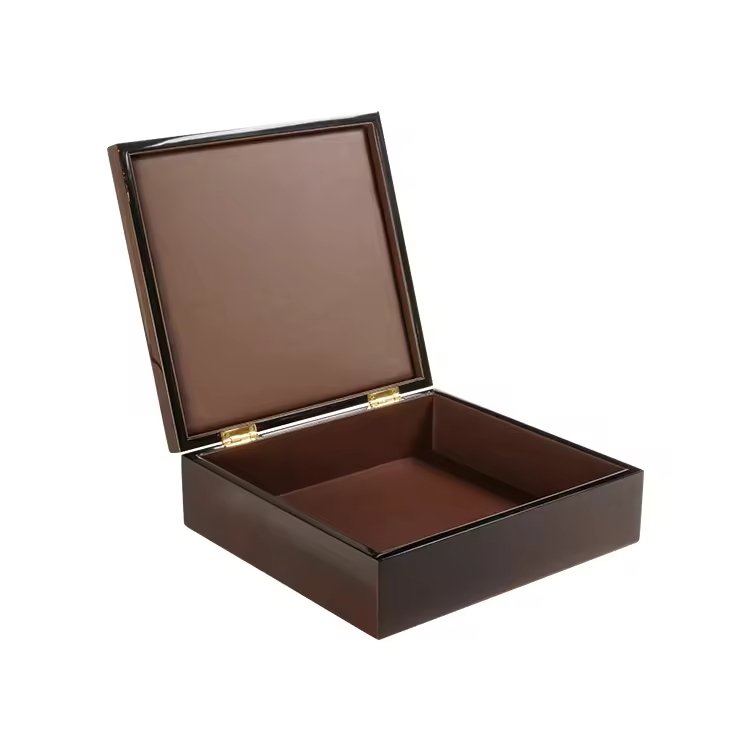
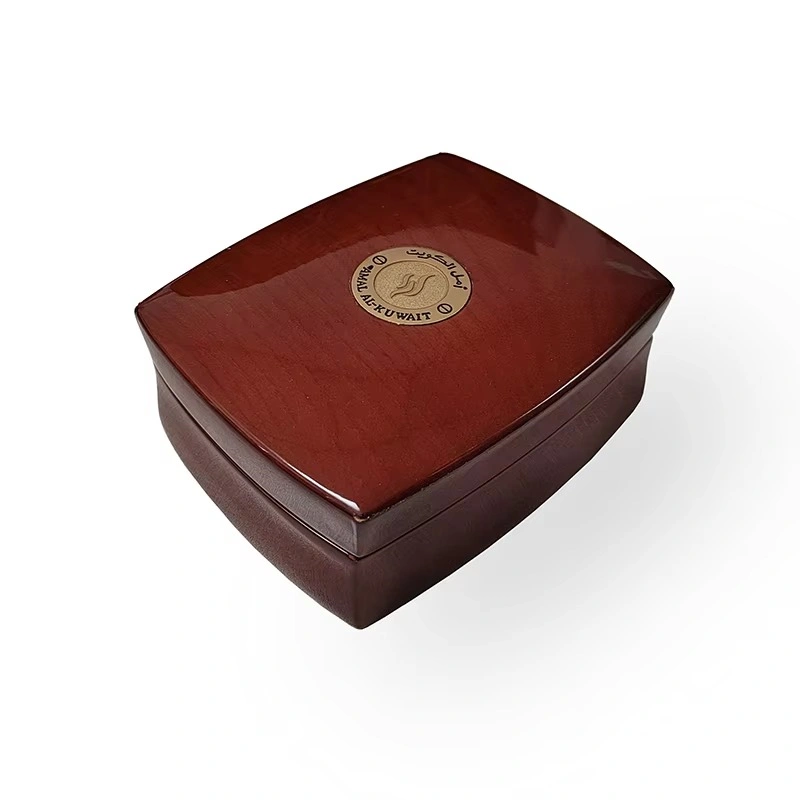
Many perfume brands believe collectors pay more because of scent complexity. From what I have seen, that belief is incomplete. In real collector markets, emotional certainty often matters more than olfactory nuance.
Collectors value numbered limited-edition wooden boxes because numbering creates meaning, structure, and trust. It turns a perfume from a repeatable product into a documented object with history, boundaries, and identity.
Based on my 15+ years working directly with perfume brands and collectors as a high-end wooden box manufacturer, I want to explain how and why this happens.
Why does numbering instantly change a perfume from a product into a collectible?
Numbering creates a psychological shift the moment a buyer sees it. The perfume stops being interchangeable.
A standard perfume unit is replaceable. A numbered unit is not.
Numbering converts volume into sequence, and sequence creates collectibility.
How collectors interpret numbers
Collectors do not see numbers as decoration. They see structure.
When a box reads No. 128 of 500, several assumptions are triggered:
- The total quantity is fixed
- The release is complete
- Replacement is impossible
- Ownership is specific, not generic
This immediately separates the perfume from mass-market logic.
Product logic vs collectible logic
| Aspekt | Standard Product | Numbered Collectible |
|---|---|---|
| Replaceable | Ja | Nein |
| Quantity clarity | Unclear | Fixed |
| Ownership identity | Generic | Specific |
| Emotional weight | Niedrig | Hoch |
Once numbering appears, collectors stop asking “Do I like this?” and start asking “Should I secure this?”
My experience with unnumbered vs numbered releases
I have worked with brands that released the same fragrance twice. The first time, it was called “limited.” The second time, it was physically numbered on wooden boxes.
The difference in collector reaction was immediate. The unnumbered release sold slowly and faced skepticism. The numbered release sold out faster, even at a higher price.
Nothing changed except the number.
Why sequence matters more than rarity claims
Collectors distrust words. They trust systems.
A number is a system. It defines boundaries. It removes ambiguity. It transforms perfume into an item with coordinates in time and quantity.
That is the moment it becomes collectible.
How does a wooden box reinforce the sense of rarity and permanence?
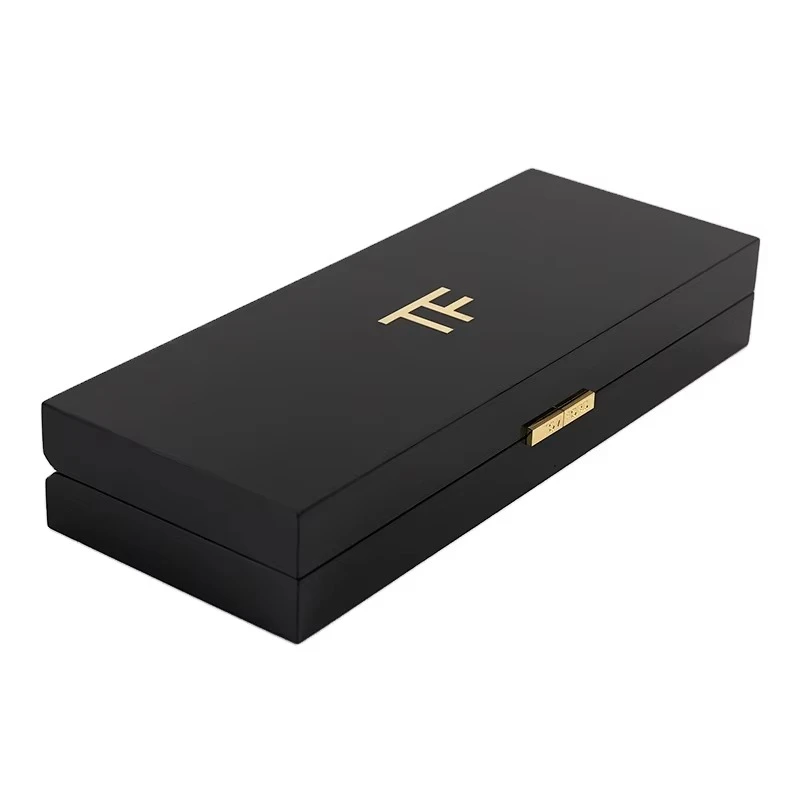
Material choice shapes perception. Wood changes how collectors feel about limitation.
A number printed on paper can feel temporary. A number embedded in wood feels final.
Wood turns scarcity from a statement into a physical fact.
Why wood feels permanent to collectors
From years of feedback, I see a clear pattern. Collectors associate wood with:
- Langlebigkeit
- Handwerk
- Intention
- Resistance to time
These associations matter deeply in limited editions.
Comparison of numbering methods by material
| Material | Perceived Permanence | Collector Trust |
|---|---|---|
| Paper label | Niedrig | Schwach |
| Printed cardboard | Mittel | Instabil |
| Plakette aus Metall | Hoch | Stark |
| Engraved wood | Sehr hoch | Sehr stark |
Wood absorbs the number into its structure. It cannot be peeled off easily. It cannot fade quickly. It feels committed.
How wood supports the limitation narrative
When a brand invests in wooden packaging, collectors assume the brand expects long-term ownership. This aligns with limited-edition thinking.
Collectors often tell me:
“If the box is wood, the brand took this seriously.”
That seriousness matters.
My production insight
I have engraved, stamped, laser-marked, and inlaid numbers into wooden boxes. Collectors always respond best when the number feels integrated, not applied.
Engraved numbers feel like part of the object’s identity. Printed numbers feel like marketing.
Collectors know the difference instantly.
Why do collectors trust limited editions more when they are physically numbered?
Trust is fragile in collector markets. Many collectors have been disappointed before.
Words like “exclusive” and “special edition” have been overused. Physical numbering repairs that trust gap.
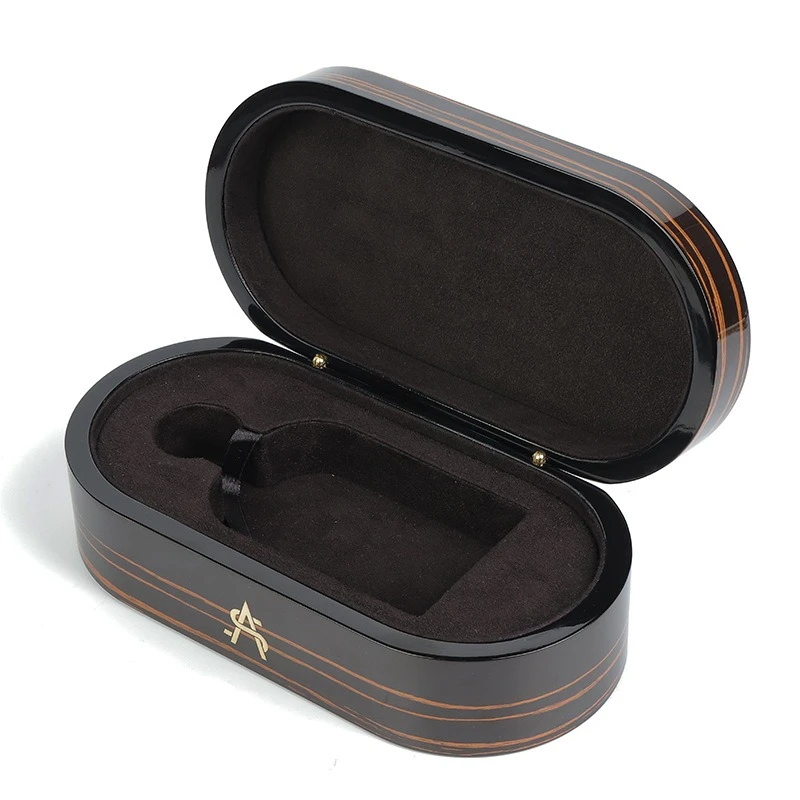
Numbering is a public promise that can be verified.
The trust problem in limited editions
Collectors often worry about:
- Silent re-releases
- Expanded production runs
- Unclear quantities
- Marketing exaggeration
Without proof, skepticism grows.
How physical numbering solves this
Physical numbering does three things:
- Declares a final quantity
- Makes overproduction visible
- Creates accountability
A brand cannot quietly double production without collectors noticing.
Trust comparison: numbered vs unnumbered
| Auflage Typ | Collector Skepticism | Long-Term Trust |
|---|---|---|
| Unnumbered “limited” | Hoch | Niedrig |
| Digitally listed quantity | Mittel | Mittel |
| Physically numbered box | Niedrig | Hoch |
Collector feedback I hear repeatedly
Many collectors say the same thing in different words:
“If it’s numbered on the box, I believe it.”
That belief translates into faster purchases and less negotiation.
Why wood increases trust further
Wooden boxes are expensive and slow to produce. Collectors know this.
When numbering appears on wood, collectors assume:
- The brand planned ahead
- Quantities were fixed early
- Changes are unlikely
Trust becomes structural, not emotional.
How does exclusivity affect emotional attachment and long-term value?
Exclusivity is not only about price. It is about personal connection.
Collectors want to feel chosen, not targeted.
Numbered exclusivity creates emotional ownership, not just financial ownership.
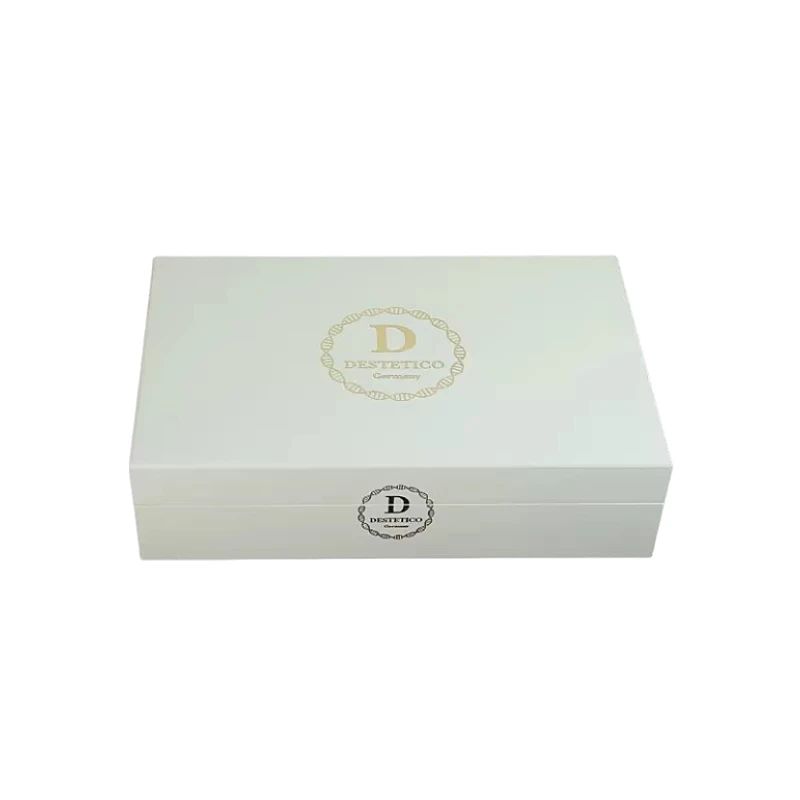
%[Weiße Luxusbox mit Destetico-Logo
Emotional layers created by numbering
Numbering adds several emotional dimensions:
- Identity: “This is my number”
- Story: “This was release X”
- Belonging: “I am part of this group”
- Memory: “I remember when I got it”
These layers deepen attachment.
How attachment influences behavior
Emotionally attached collectors:
- Hold items longer
- Care for packaging better
- Resist discounting
- Speak positively about the brand
This behavior protects long-term value.
Emotional value vs liquid value
Over time, perfume evaporates or gets used. Emotional value does not.
I have seen collectors keep empty bottles because the numbered wooden box still mattered.
Long-term value comparison
| Faktor | Non-numbered | Numbered |
|---|---|---|
| Emotionale Bindung | Schwach | Stark |
| Holding period | Kurz | Lang |
| Resale discipline | Niedrig | Hoch |
| Archive behavior | Seltene | Gemeinsame |
My personal observation
Collectors often refer to numbered perfumes by number, not by name. That shift is important.
When the number becomes language, attachment is complete.
Why does a numbered box strengthen provenance and resale credibility?
Provenance is the backbone of resale value. Without it, price collapses.
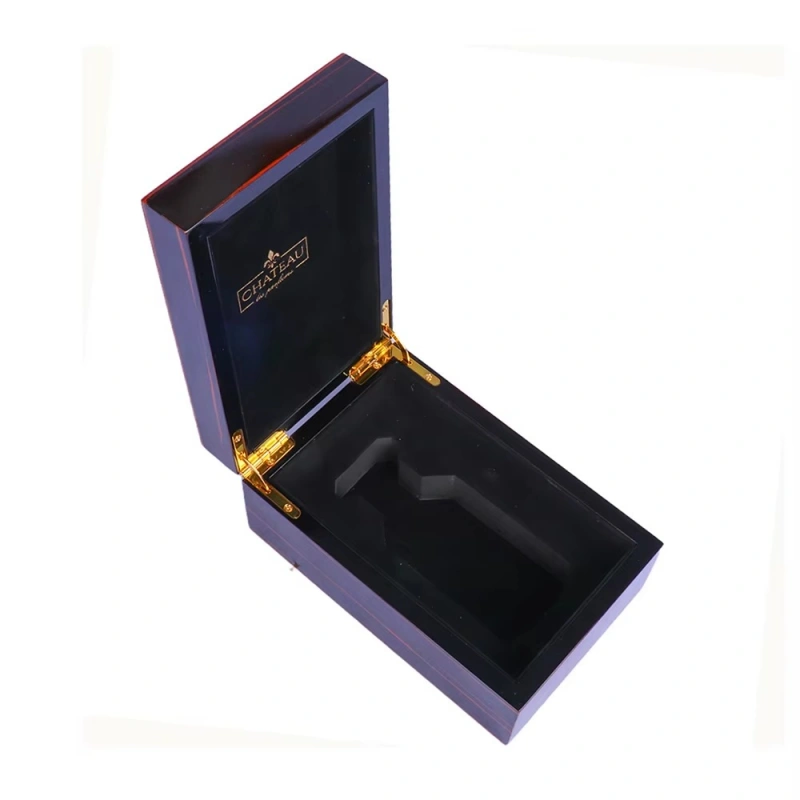
A numbered wooden box functions like a certificate that never separates from the object.
It anchors identity across time and ownership changes.
What resale buyers look for
In secondary markets, buyers ask:
- Is this authentic?
- Is this the original release?
- Has it been altered?
- Can I prove this later?
A numbered wooden box answers all four.
Provenance elements carried by the box
- Edition size
- Production logic
- Brand intent
- Release period
Paper documents get lost. Wooden boxes stay.
Resale credibility comparison
| Packaging Situation | Buyer Confidence | Price Stability |
|---|---|---|
| Bottle only | Niedrig | Schwach |
| Bottle + unnumbered box | Mittel | Mäßig |
| Numbered wooden box | Hoch | Stark |

 Deutsch
  English
  Español
  Português
  Français
  Italiano
  العربية