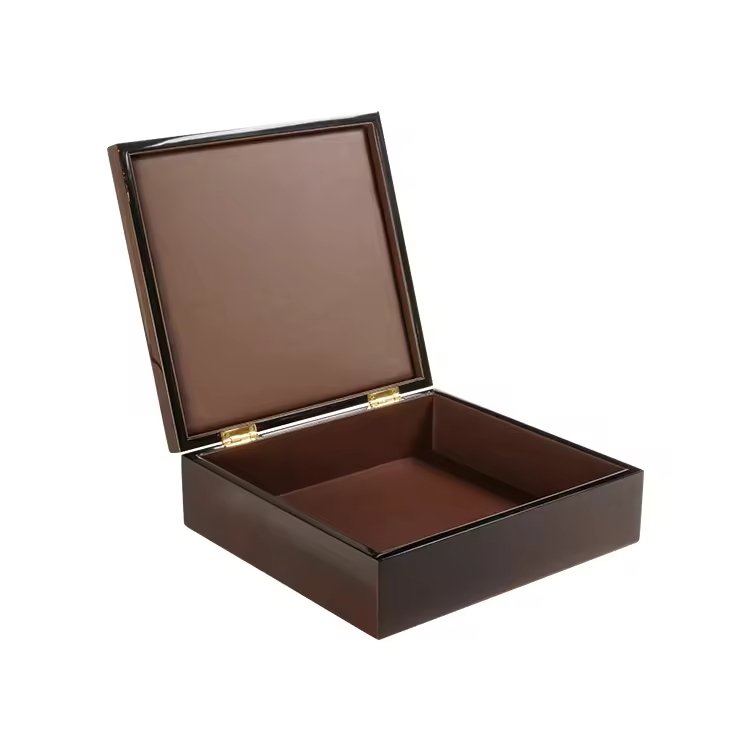
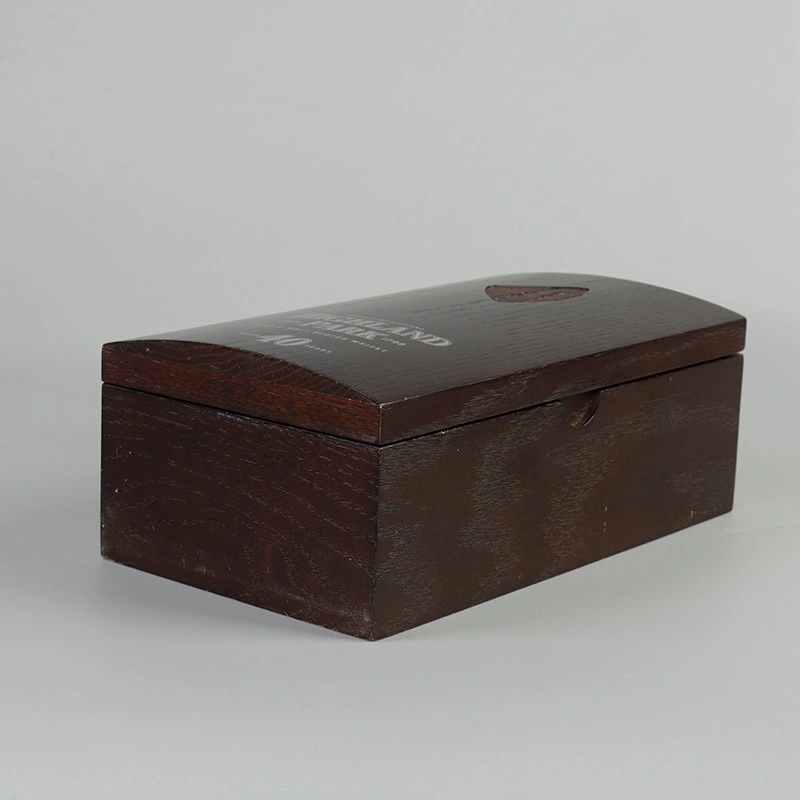
You want a special box. You want something different. But if you choose the wrong structure, you waste money, time, and energy.
A custom-shaped wooden box is worth it only when your product is unique, your brand needs strong visual impact, your budget supports higher costs, and your timeline allows extra sampling and revisions. Otherwise, a refined standard box can achieve similar results with lower risk.
I have worked on many projects like this. Many clients tell me they want something “special” at the start. I always ask one simple question: what is the real goal? In this article, I will share how I evaluate this decision with my clients.
Not Every Product Needs a Custom Shape
You want to stand out. You look at competitors. You feel your box looks too common.
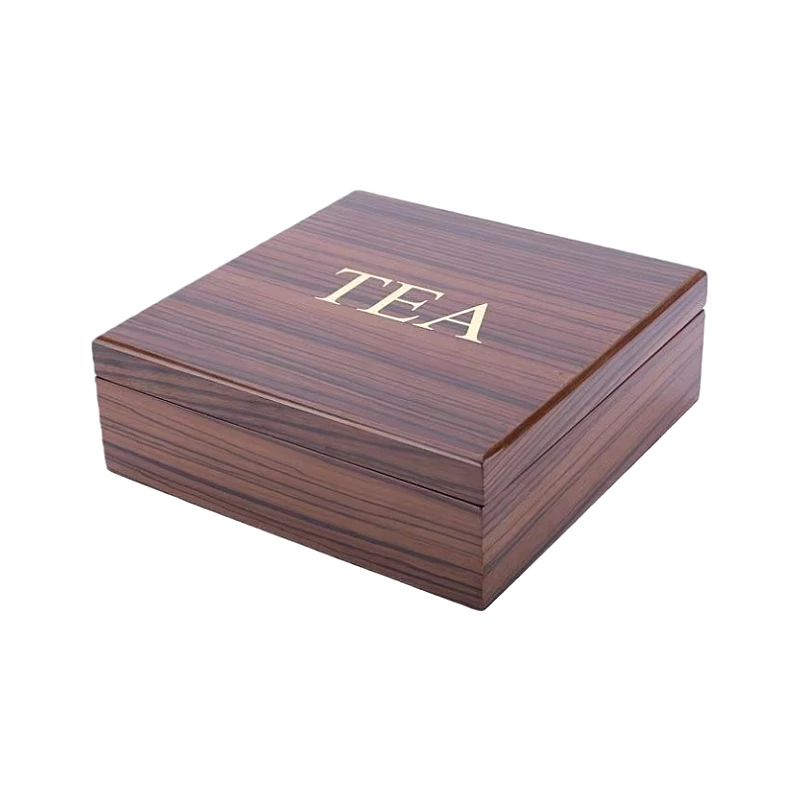
Not every product needs a custom shape because premium finishes, quality hardware, and smart inserts can create strong differentiation without increasing structural risk or cost.
In my experience, the desire for a custom shape often comes from emotion, not strategy. Many brands believe that a different silhouette automatically means a better product. That is not always true.
When a Standard Structure Is Enough
A classic rectangular wooden box is stable. It is easy to stack. It is easy to ship. It is easy to control quality. These are not small advantages. They matter in real business operations.
If your product is:
- A standard bottle
- A regular watch
- A simple gift set with normal proportions
Then a custom outer shape may not add real value.
Instead, I often suggest improving details:
| Upgrade Option | Impact on Perceived Value | Risikostufe | Auswirkungen auf die Kosten |
|---|---|---|---|
| High-gloss or matte lacquer | Strong visual impact | Niedrig | Mittel |
| Metall-Logo-Plakette | Premium feel | Niedrig | Niedrig |
| Soft-touch lining | Luxury experience | Niedrig | Mittel |
| Custom EVA insert | Besserer Schutz | Niedrig | Niedrig |
These upgrades change how the customer feels when they touch the box. The emotional result can be similar to a custom shape.
The Hidden Risk of Irregular Structures
Custom shapes create production challenges. The cutting angles are different. The assembly process becomes slower. The rejection rate can increase.
When a structure is complex, small mistakes become expensive mistakes.
I remember one project where the client wanted curved edges. It looked beautiful in 3D drawing. In production, alignment became a problem. We had to redo part of the batch. The client finally admitted that a refined rectangular version would have been enough.
So I always ask: are we solving a real problem, or are we chasing novelty?
When Your Brand Needs to Be Remembered at First Sight
You are in a competitive market. Many products look similar. Customers scroll fast. You need attention.
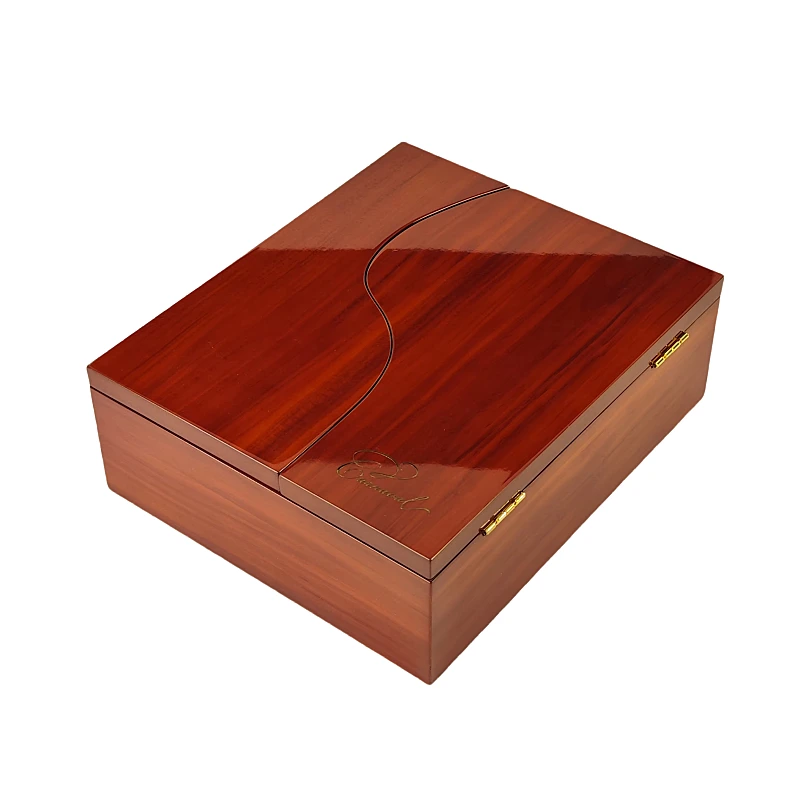
A custom-shaped wooden box makes sense when packaging becomes part of brand identity and must create instant recognition, especially for premium, limited, or collectible products.
There are cases where shape truly matters.
Packaging as Brand Identity
For high-end gifts and limited editions, the box is not just protection. It becomes part of the product story.
If your product is:
- A limited-edition release
- A collectible item
- A high-margin luxury product
- A corporate VIP gift
Then the box can become a symbol.
In these cases, I do not ask whether we need a custom shape. I ask how strong the shape should be.
Emotional Memory and First Impression
Customers often remember shapes faster than colors or materials. A unique silhouette can create instant recognition on a shelf.
But this works only if:
- The design is clean
- The structure is stable
- The concept matches brand positioning
If the brand is premium but the structure feels fragile, the result damages credibility.
When the Investment Is Justified
Custom shapes increase:
- Tooling cost
- Development time
- Quality control difficulty
So I evaluate four factors with my clients:
- Is the product price high enough?
- Is the brand positioned as premium?
- Is the sales volume stable?
- Is the margin strong?
If all answers are yes, then the extra investment makes sense. The box becomes marketing, not just packaging.
Products with Special Structures That Don’t Fit Standard Boxes
Your product is not rectangular. It has curves. It has layers. It has unusual proportions.
When the product itself has a special shape or structure, a custom-shaped wooden box is often necessary because a standard box will not provide proper fit, protection, or visual harmony.
This is where custom shapes become practical, not decorative.
When Standard Boxes Create Problems
I have seen situations like:
- A perfume bottle shaped like a sculpture
- A watch set with multiple levels
- A gift collection with mixed sizes
- A bottle with an oversized cap
If we force these products into a standard box, two problems appear:
- Too much empty space
- Poor visual balance
Empty space reduces perceived value. Customers feel the box is oversized. Poor balance makes the unboxing experience awkward.
Structural Matching Matters
In these projects, we design the structure around the product.
We consider:
- Center of gravity
- Weight distribution
- Opening direction
- Insert support points
Example: Layered Gift Set
If a gift set has three layers, a simple rectangular lift-off lid may not work well. A book-style magnetic box or a drawer-style structure may feel more natural.
Here is how I compare options:
| Struktur Typ | Am besten für | Benutzererfahrung | Komplexität |
|---|---|---|---|
| Lift-off lid | Single product | Einfach | Niedrig |
| Magnetic book-style | Premium single item | Elegant | Mittel |
| Drawer-style | Multi-layer sets | Interactive | Mittel |
| Multi-angle custom shape | Sculptural products | Unique | Hoch |
Protection and Safety
Wooden boxes are heavy. If the product inside is also heavy, the internal support must be strong.
Custom shapes allow:
- Better internal framing
- Hidden reinforcement
- Balanced weight distribution
So in these cases, a custom shape is not about being different. It is about being correct.
Can Your Budget and Order Quantity Support the Extra Cost?
You love the idea. The design looks great. But numbers do not lie.
Custom-shaped wooden boxes increase tooling, labor, and setup costs, and when order quantity is below 500 pieces, the unit price rises significantly.
This is where many projects slow down.
Understanding the Cost Structure
When we produce a regular box, we use standard cutting methods. Workers are familiar with the structure. The assembly is predictable.
For custom shapes, we often need:
- Special cutting tools
- Extra jigs
- More manual assembly steps
- Additional QC checks
These costs are fixed at the beginning.
If your order is small, the cost per unit becomes high.
The 500-Piece Rule
From my experience, 500 pieces is an important threshold.
Below 500 pieces:
- Tooling cost spreads over fewer units
- Sampling cost is harder to absorb
- Unit price increases sharply
Above 1000 pieces:
- Cost becomes more reasonable
- Production efficiency improves
Simple Cost Comparison
| Faktor | Standard Box | Custom Shape Box |
|---|---|---|
| Werkzeugkosten | Niedrig | Hoch |
| Sampling Time | 7–10 Tage | 14–20 days |
| Revision Risk | Niedrig | Medium to High |
| Unit Cost Stability | Hoch | Unter |
If your product margin is thin, a custom shape may hurt your profitability.
I always tell clients: packaging should support profit, not destroy it.
Do You Have Enough Time for Proper Sampling and Testing?
You have a launch date. Marketing is ready. Sales is waiting. Time is short.
Custom-shaped wooden boxes require longer sampling cycles, often 7–10 extra days, and complex designs may need two or three revisions before approval.
Time is often the most underestimated factor.
Sampling Reality
For a regular box:
- Sampling takes about 7–10 days.
- Minor adjustments are easy.
For a custom-shaped box:
- Sampling can take 14–20 days.
- Structure testing is required.
- Hardware alignment may need adjustment.
If the first sample is not perfect, we revise. Sometimes twice. Sometimes three times.
Testing and Stability
We test:
- Ausrichtung des Deckels
- Hinge strength
- Magnet positioning
- Drop resistance
- Surface finishing consistency
Each adjustment adds time.
Project Planning Questions
Before confirming a custom shape, I ask my client:
- When is the final shipping date?
- How many revision rounds are acceptable?
- Is there buffer time for unexpected issues?
- Is marketing flexible with timeline?
If the timeline is tight, I usually recommend focusing on structural stability first. A clean and stable rectangular box delivered on time is better than a beautiful custom shape delivered late.
Schlussfolgerung
A custom-shaped wooden box is worth it when your product, brand, budget, volume, and timeline all support it. If not, refine the basics first.
WoodoBox - Premium Wooden Packaging Manufacturer in China
Maßgefertigte Holzkisten, handwerklich perfekt gefertigt

 Deutsch
  English
  Español
  Português
  Français
  Italiano
  العربية