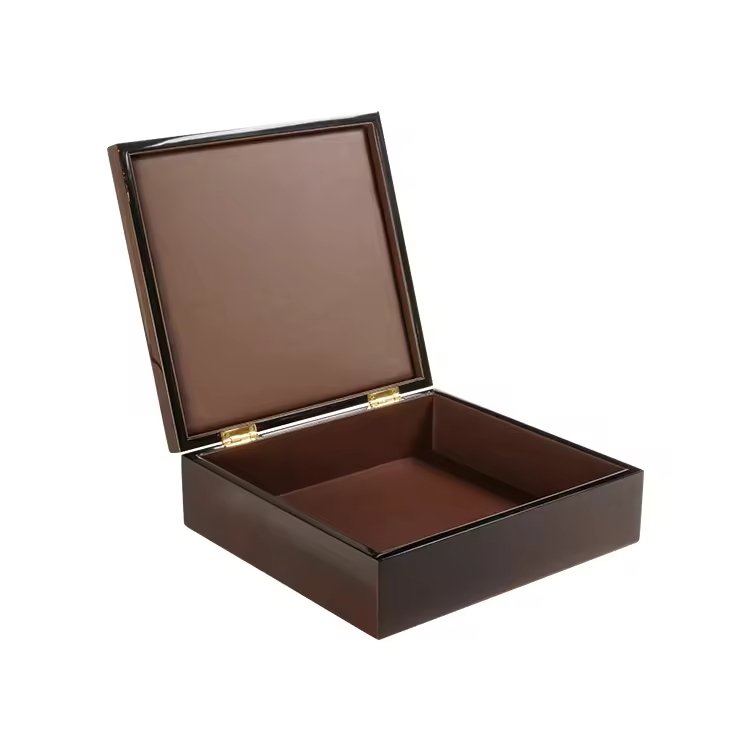
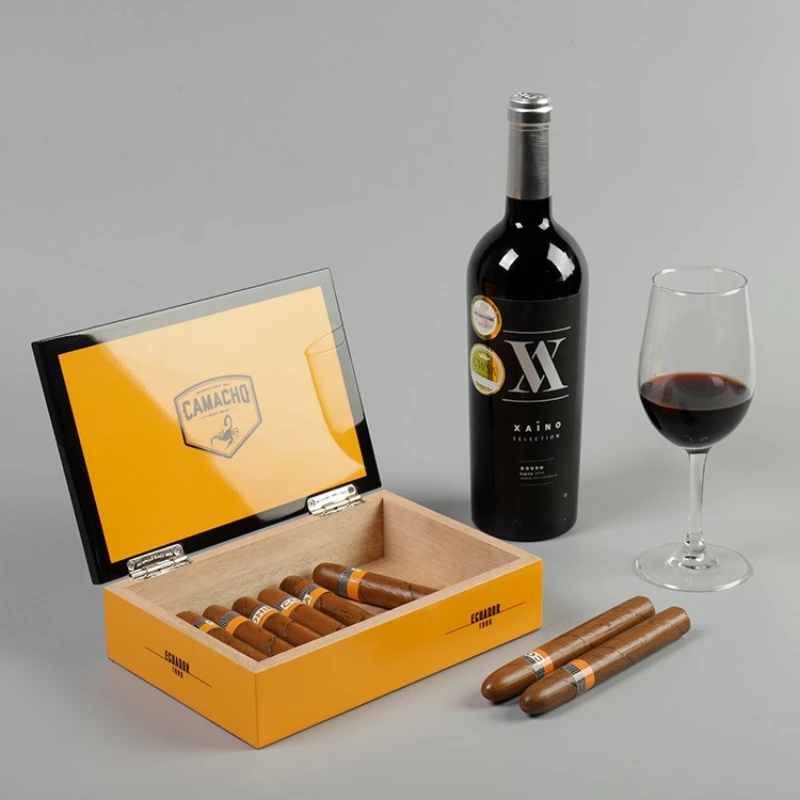
Many clients ask for “natural solid wood” in their cigar box projects. They often assume it is the highest-quality choice.
Solid wood delivers prestige and natural uniqueness, but technical veneer often wins in cost, stability, and design flexibility.
I always explain to clients that the best choice depends on their goals, not just the word “solid.”
What does “natural solid wood” truly mean in cigar box manufacturing?
Buyers hear “solid wood” and picture premium quality. But the definition in manufacturing is more complex.
Solid wood refers to panels made from real wood boards, unlike MDF or plywood, which are engineered.
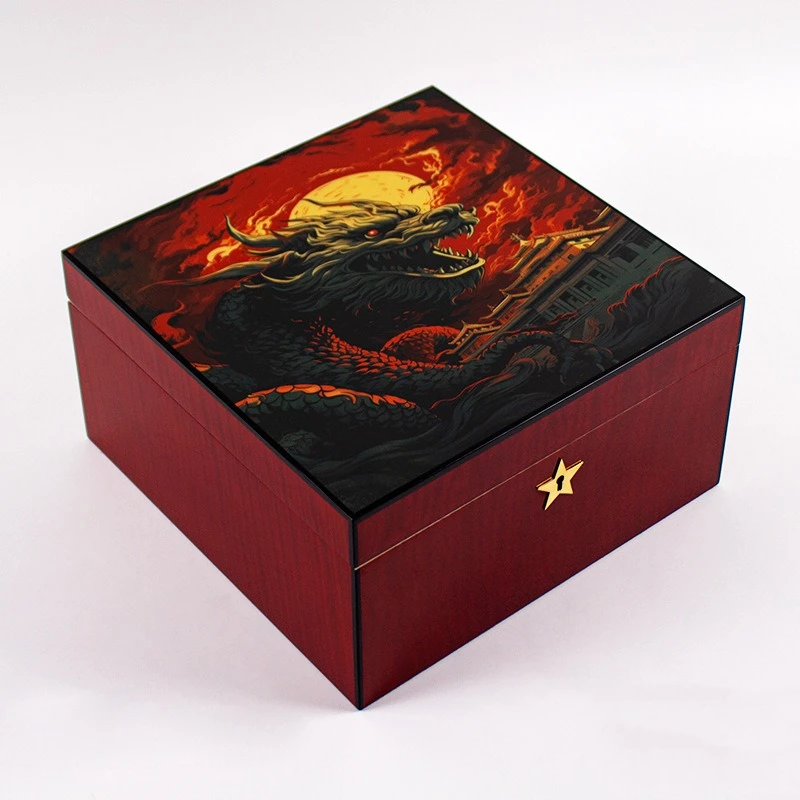
In cigar box production, solid wood usually means hardwood species such as mahogany, walnut, or oak. These woods are cut and shaped into box panels. No engineered core is involved. This gives a box authenticity, natural grain, and traditional appeal. However, it also means higher cost and more risk of cracking or warping under unstable conditions.
Clarification Table: What “Solid Wood” Is and Isn’t
| Begriff | Was es bedeutet | What It Doesn’t Mean |
|---|---|---|
| Solid Wood Panel | Pure planks, no core layers | Not veneer-covered boards |
| Veneer | Thin slice of natural wood over a core | Not fake wood |
| MDF/Plywood Core | Engineered wood base | Not “solid” |
Many clients request solid wood because they link it with luxury. I always remind them it is natural, but also sensitive. The choice needs a clear understanding of what solid wood really brings.
In which aspects does solid wood outperform technical veneer?
Solid wood has its strengths. For high-end cigar boxes, these strengths can justify the choice.
Solid wood offers uniqueness, durability, and prestige that veneers often cannot fully replace.
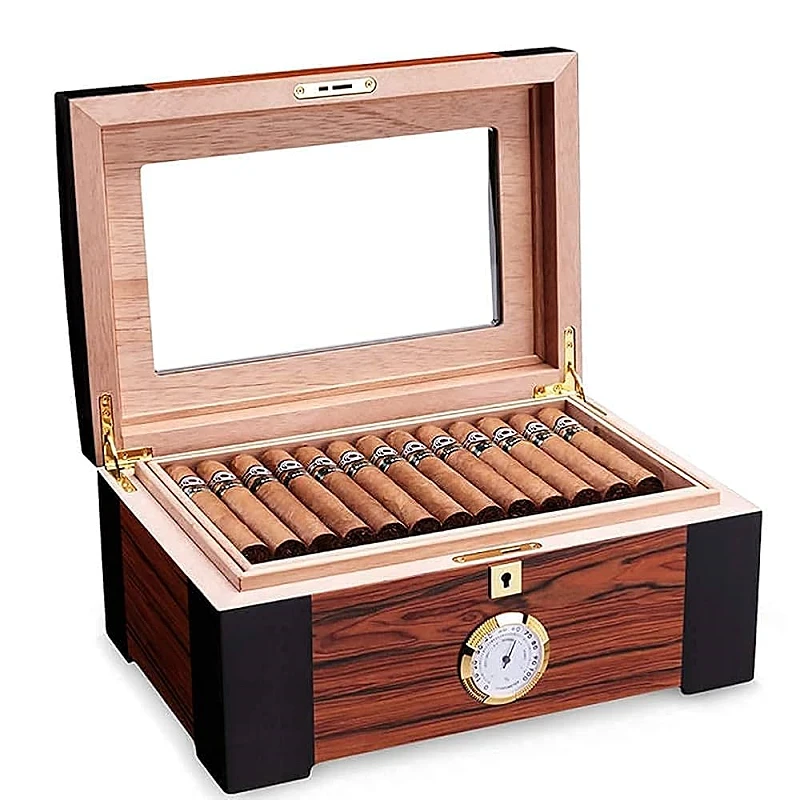
Each solid wood box has a unique grain pattern. No two pieces are the same. This adds exclusivity, which matters in premium packaging. Solid wood is also stronger in structure. A solid mahogany or walnut box feels heavy and lasting. This sense of weight and strength improves brand perception. When polished with high-gloss finishes, solid wood creates a timeless luxury feel.
Advantages of Solid Wood
| Merkmal | Why It Matters in Cigar Boxes |
|---|---|
| Unique grain | Every box looks one-of-a-kind |
| Strong body | Provides long-term durability |
| Schwergewicht | Feels more valuable in hand |
| Traditional appeal | Matches expectations of luxury buyers |
I once delivered solid walnut cigar boxes for a limited collector’s series. The client reported that customers treated the box as a display item, not just packaging. That emotional impact was priceless.
How can technical veneer provide advantages in consistency, cost, and design flexibility?
While solid wood shines in prestige, veneer has practical strengths. Many large buyers prefer it.
Technical veneer reduces cost, improves consistency, and allows creative finishes not possible with solid wood.
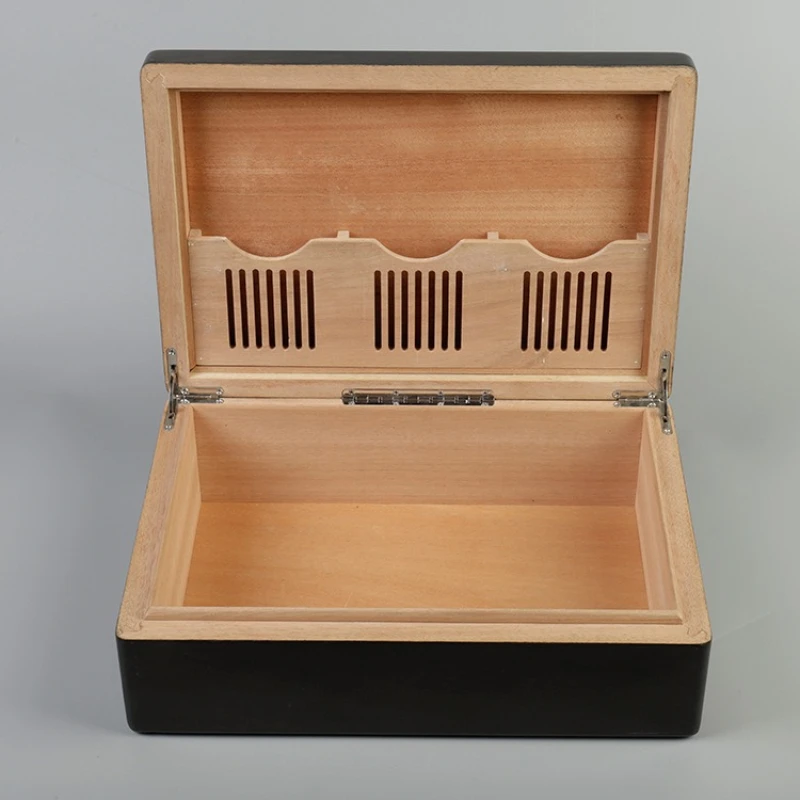
Technical veneer is a thin slice of natural or engineered wood glued over MDF or plywood. This allows the appearance of rare wood without using large solid boards. Veneer makes finishing smoother and more predictable. It also opens design options, from exotic wood patterns to dyed colors. For cost-sensitive projects, veneer achieves the look of solid wood with less expense.
Benefits of Technical Veneer
| Vorteil | Benefit for Clients |
|---|---|
| Geringere Kosten | Affordable compared to solid wood |
| Konsistenz | Uniform look across large orders |
| Design flexibility | Can mimic rare or exotic woods |
| Resource efficiency | More sustainable use of raw wood |
One client wanted an ebony finish for thousands of boxes. Real ebony in solid wood would have been unaffordable and unstable. With technical veneer, we achieved the same look with excellent stability and cost control.
What performance factors (humidity, durability, aesthetics) should be compared before deciding?
Choosing material is not only about price or prestige. Performance in storage and presentation matters too.
Solid wood and veneer differ in humidity control, durability, and visual effect, which buyers must weigh carefully.

Solid wood breathes more, which can help regulate humidity when paired with Spanish cedar linings. But it is also prone to cracking if climates shift. Veneer, supported by MDF or plywood, is dimensionally stable. It resists warping and allows precise finishes. Aesthetically, solid wood gives authenticity, while veneer gives uniform beauty.
Performance Comparison
| Faktor | Massivholz | Veneer with MDF/Plywood Core |
|---|---|---|
| Humidity response | Natural, but risk of cracking | Stable, requires cedar lining |
| Dauerhaftigkeit | Strong structure, may warp | Consistent stability |
| Ästhetik | Unique grain, natural look | Uniform, versatile designs |
| Gewicht | Heavier, feels premium | Lighter, easier shipping |
I advise clients to consider the box’s journey. If it ships worldwide, veneer often survives better. If it is for a collector’s edition, solid wood’s unique presence is worth the risk.
How can clients avoid misconceptions when equating “solid wood” with higher quality?
Many buyers believe “solid” always equals “better.” This is not always true.
Quality depends on production, finishing, and purpose—not just whether it is solid or veneered.
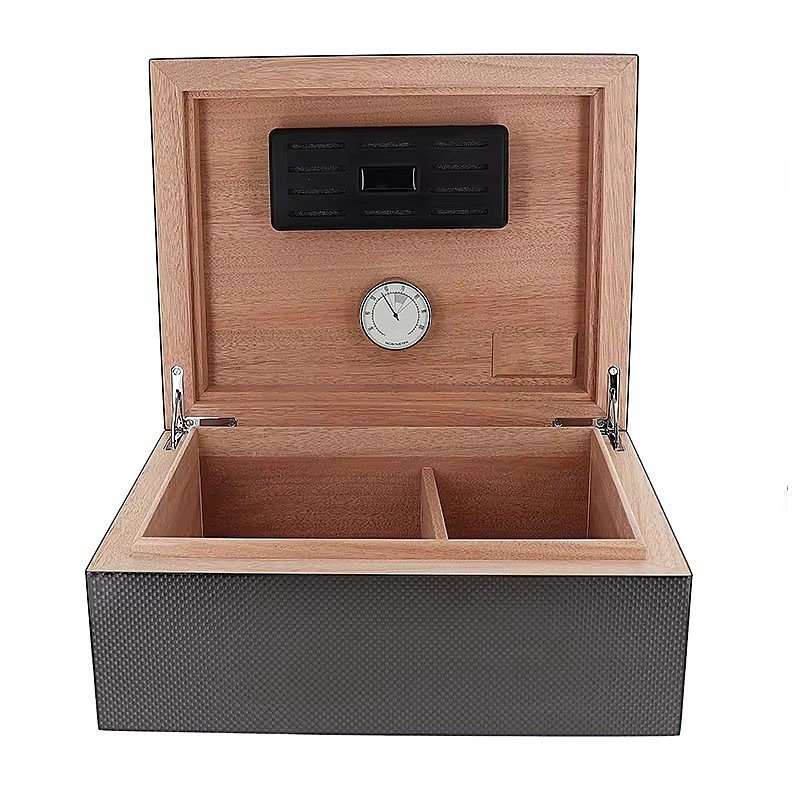
Some clients are disappointed when solid wood cracks after shipment. Others find veneer finishes more beautiful because they are flawless. Solid wood has prestige, but if used poorly, it causes more problems than benefits. Veneer, on the other hand, can look luxurious when done with high-gloss lacquer and premium edge detailing. Quality is the result of the right process, not the raw material alone.
Common Misconceptions
- Solid wood is always stronger – it can warp or crack.
- Veneer is “cheap” – it can look premium when crafted well.
- Solid wood always looks better – veneer can mimic rare species flawlessly.
- Veneer means lower durability – in fact, MDF cores often resist deformation better.
I often remind clients: don’t let the material name decide. Let the purpose and finish guide the decision.
What questions should buyers ask suppliers to make the right material choice?
Choosing the right material requires dialogue. Buyers should ask suppliers key questions before confirming.
The right questions help avoid surprises in cost, performance, and final appearance.
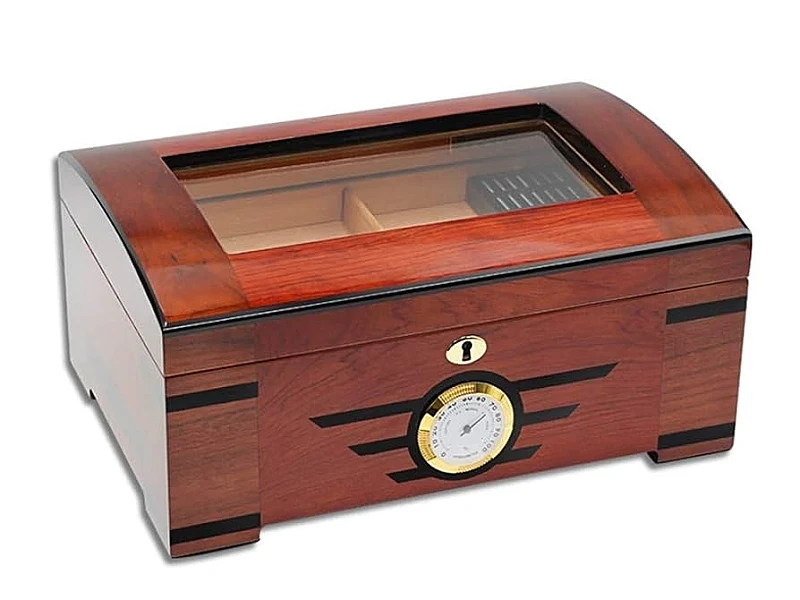
I always encourage buyers to ask these six questions:
- What wood species or veneer type is available for this order?
- How will the box respond to changes in humidity?
- Can you show me samples of both solid and veneer finishes?
- What is the expected weight difference between options?
- How does the cost change for solid vs veneer?
- Do you offer FSC or sustainable-certified materials?
When buyers ask these, they understand the trade-offs clearly. It also builds trust between supplier and client, leading to smoother projects.
Schlussfolgerung
Solid wood delivers prestige and uniqueness, while veneer offers consistency and cost efficiency. The right choice depends on project goals and buyer expectations.
Markenname: WoodoBox
Slogan: Maßgefertigte Holzkisten, handwerklich perfekt gefertigt
Website: www.woodobox.com
WhatsApp: +86 18359265311



 Deutsch
  English
  Español
  Português
  Français
  Italiano
  العربية