I see many buyers struggle to understand why some cigars cost more than cars, so the confusion often holds them back from the premium market.
The most expensive cigars in the world usually reach extreme prices because they are rare, old, or connected to a historic moment, and collectors treat them like art instead of tobacco.
I want to help you see how these cigars gain such value and why people chase them, even when they may never smoke them.
What cigars currently hold the record for the highest prices ever paid, and why are they so rare?
I know many people feel lost when they see cigars that sell for thousands each, because the market seems mysterious.
The cigars with the highest prices ever recorded are usually limited runs, lost vintages, or rare historical pieces that only appear at auctions or in private collections.
When I first entered the cigar packaging industry more than 15 years ago, I heard brand owners talk about cigars like they were museum items. Some cigars become rare because only a few boxes survived storage. Some become rare because the farms or factories behind them closed decades ago. A few become rare because collectors guard them and almost never sell.
Key Examples
| Cigar Name | Known Price | Why It Is Rare |
|---|---|---|
| Gurkha Royal Courtesan | ~$1M per cigar | Made with extreme luxury materials, tiny production |
| Mayan Sicars (600-year-old cigars) | ~$500,000 at auction | Archeological discovery, preserved ancient tobacco |
| Cohiba Behike 40th | ~$18,000 per cigar | Limited to 100 boxes worldwide |
| King of Denmark by Royal Danish | ~$4,500 per cigar | Made-to-order personalization |
The Deeper Story Behind Their Rarity
Many of the highest-priced cigars were not created to be smoked by regular buyers. They were crafted as showpieces. Some were made with unusual methods like hand-rolled gold leaf. Others come from seasons where tobacco yields were so perfect that factories chose to create a one-time release.
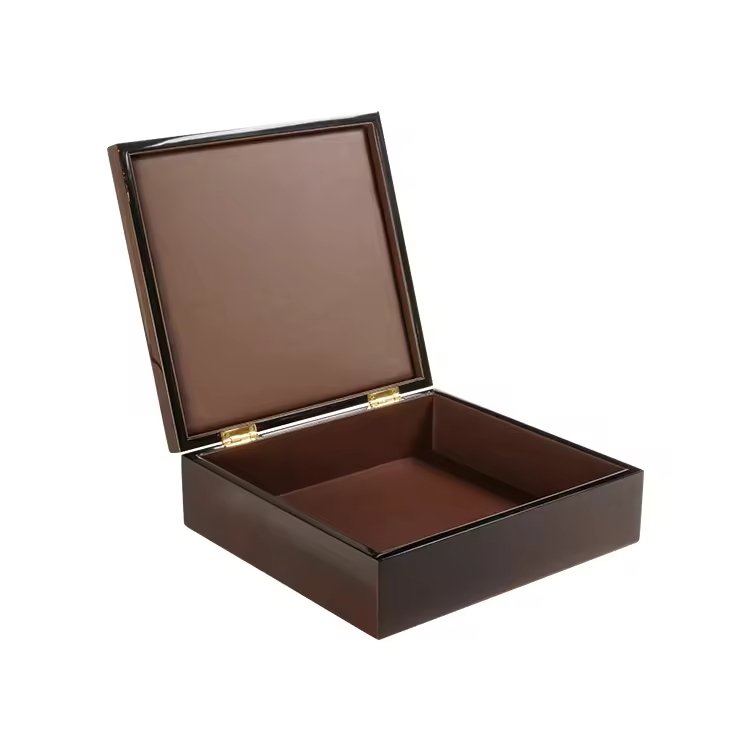
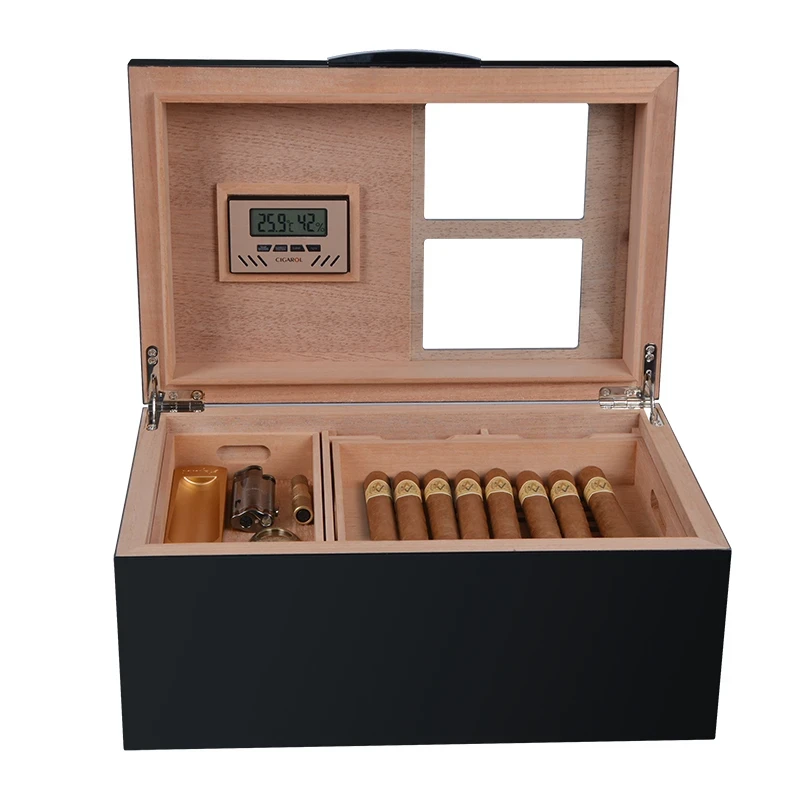
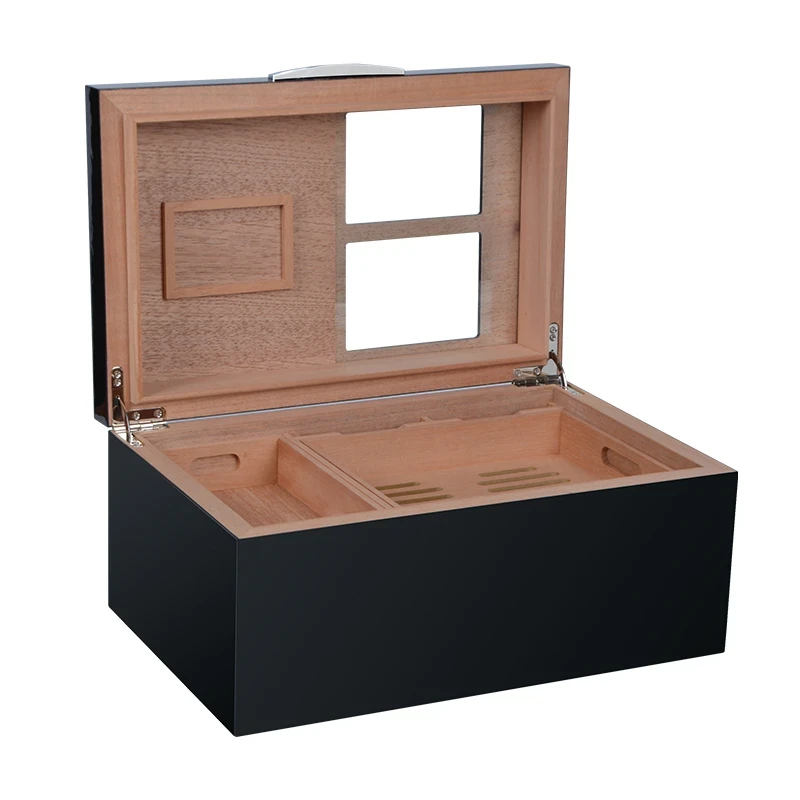
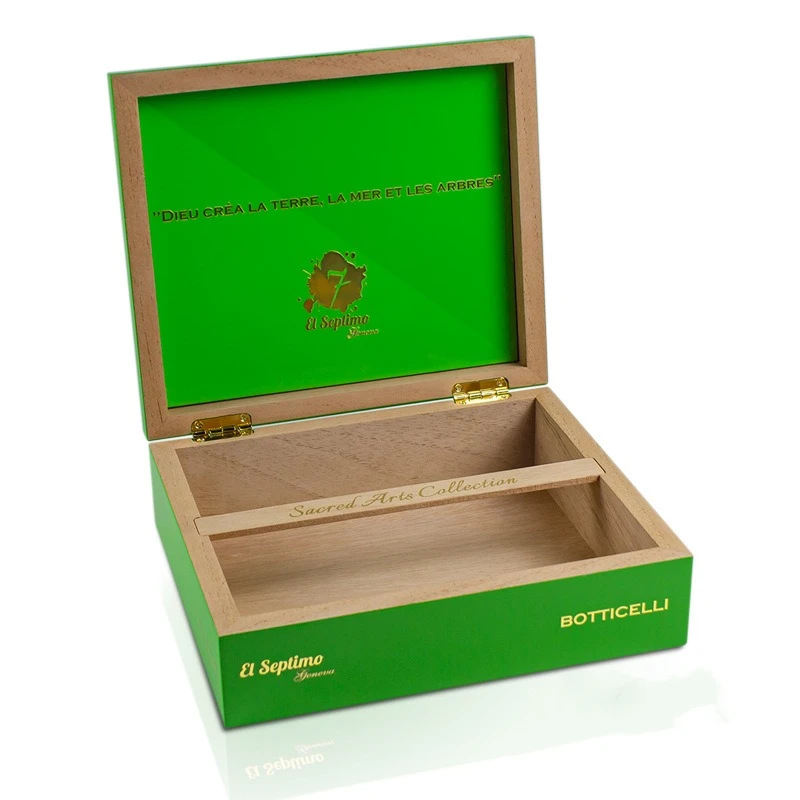
I watched some cigar brand owners design boxes for these cigars, and even the packaging becomes part of the value. They use piano lacquer wood boxes, real gold plating, or precious stones. Luxury presentation increases the aura of rarity. My role has been to craft these boxes, and I see how every detail raises the emotional appeal. Buyers want to feel that the cigar is not only rare but also cared for like a treasure.
Collectors push prices even higher through auctions. A box of well-kept vintage cigars becomes more valuable every year because demand grows while supply stays frozen. Each time a cigar is smoked, the remaining ones become even rarer. That slow natural decline is why auction prices never stop rising.
How do factors like aging, limited production, and historical value influence a cigar’s price?
Many people tell me they feel overwhelmed because they cannot tell which factors truly matter and which are marketing tricks.
A cigar becomes expensive when aging, low production numbers, and a meaningful history come together in one product.
I have visited many cigar brand owners and aging rooms throughout my work. Aging transforms tobacco. Time smooths the harsh notes. The oils spread evenly. But aging also costs money because storage takes years and needs ideal humidity. Factories cannot rush this process.
How Aging Raises Value
Aging improves a cigar’s aroma and balance. It also creates a natural limit because older cigars cannot be reproduced. There is no way to “make” a cigar from 40 years ago again. Once the boxes from a specific vintage are gone, they are gone forever.
Wie die limitierte Produktion funktioniert
| Faktor | Impact on Price |
|---|---|
| Small batch tobacco harvest | Creates natural scarcity |
| Special rollers or master blenders | Increases labor cost |
| One-time releases | No future supply |
Brands use rare tobaccos that only grow during certain seasons. These tobaccos may come from small plots of land with perfect soil. Some factory masters pass away, and their final blends become legendary.
How History Shapes the Market
Some cigars connect to major events. Some come from factories that have already closed or merged. Some were smoked by famous leaders or celebrities. When a cigar carries history, collectors see it as a story they can own.
History gives emotional value. People do not only buy a product. They buy a moment frozen in time.
What makes certain luxury cigars more collectible than smokable—and who buys them?
I know many buyers feel surprised when they hear that some cigars are never meant to be smoked at all.
Some luxury cigars become collectibles because their value lies in rarity, age, or historical ties, and their buyers treat them like fine art, not smoking products.
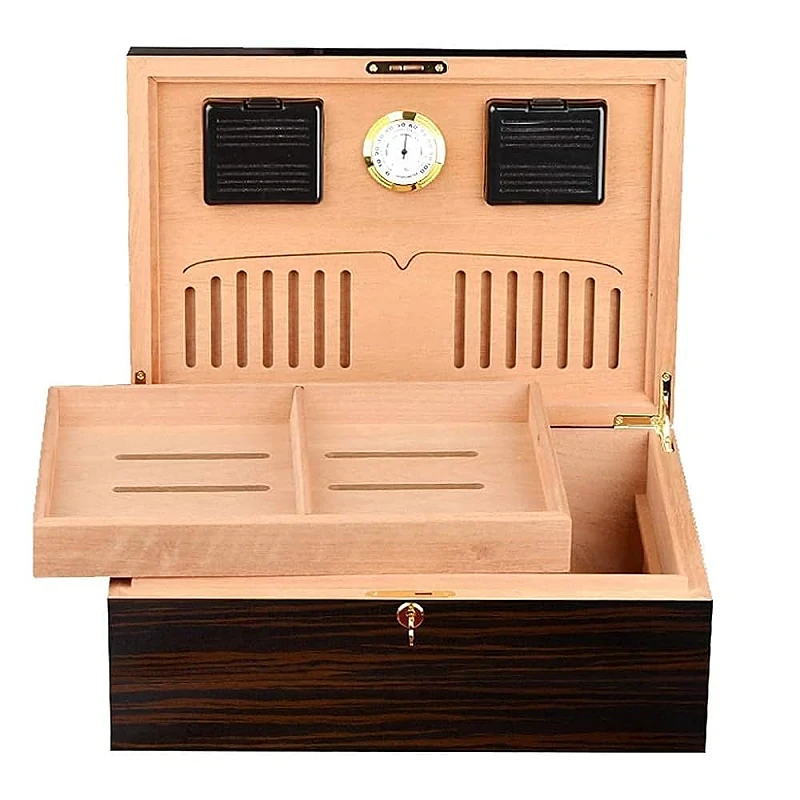
I have met collectors during trade shows and factory visits. Many of them come from industries like finance, luxury goods, wine, or watch collecting. These people see cigars as part of their lifestyle. A rare cigar becomes a symbol of taste and wealth.
Why Some Expensive Cigars Should Not Be Smoked
Some cigars lose physical quality over time but gain market value. The wrapper may dry slightly. The aroma may fade. But the cigar becomes a relic. Collectors buy it to complete a set, not for flavor.
Other cigars use extreme materials like gold, diamonds, or custom-built humidors. These items are not about smoking experience. They are about status.
Types of Collectors
| Collector Type | Motivation |
|---|---|
| Investors | Buy rare cigars to resell later |
| Lifestyle collectors | Keep cigars as luxury objects |
| Brand historians | Preserve factory and farm heritage |
| Enthusiasts | Seek cigars with emotional meaning |
Why Collectibility Matters More Than Flavor
The market decides value. When only a few pieces exist, collectors fight to own them. Even if the cigar is no longer “fresh,” its story remains powerful. A rare cigar is like a vintage watch. It may not keep perfect time anymore, but it carries a legacy.
Each box I craft for high-end cigar clients is made to preserve this kind of emotional value. I know that the buyer often wants something they can display proudly. Presentation becomes a part of collectibility.
Many buyers feel confused because modern cigars look luxurious, but vintage cigars have more mystique.
Modern premium cigars match or exceed vintage cigars in craftsmanship, but legendary vintage cigars carry a stronger emotional and historical weight that drives their prices higher.
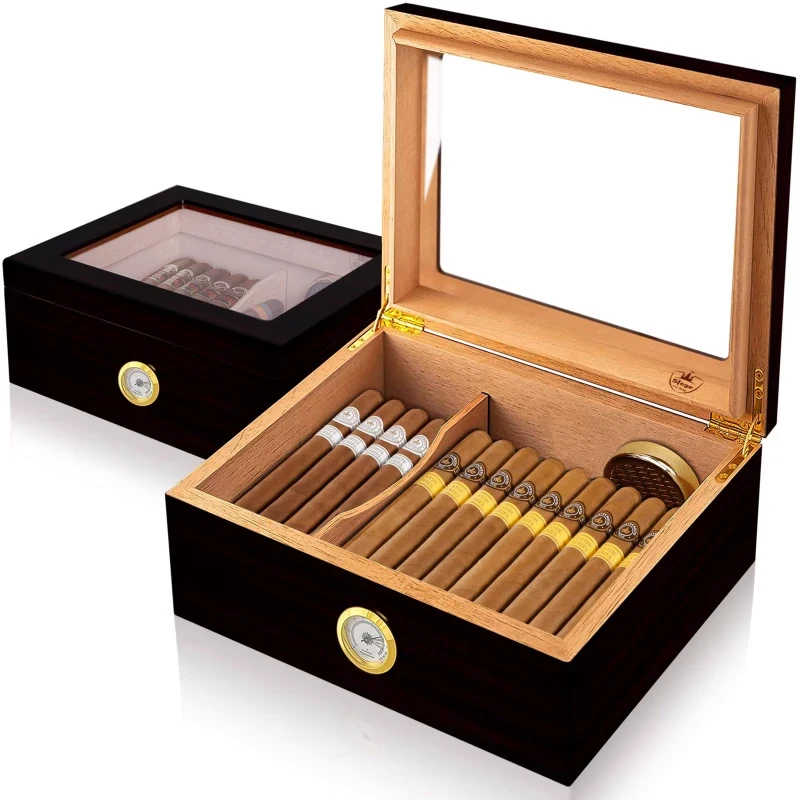
During the last 15 years, I have watched factories evolve. Today’s premium cigars use better quality control, better sorting, and more consistent fermentation. New technology gives more stable humidity and temperature. Modern rollers train longer and follow stricter standards.
Modern Craftsmanship Strengths
| Merkmal | Modern Premium Cigars | Vintage Cigars |
|---|---|---|
| Qualitätskontrolle | Very consistent | Depends on storage |
| Bauwesen | Strong and clean | Might weaken with age |
| Geschmacksqualität | Very refined | Unique if preserved well |
| Verfügbarkeit | Always limited | Extremely limited over time |
Modern cigars are beautiful products. Factories focus on smooth wrappers, perfect cuts, and balanced blends. Many modern brands produce small-batch special editions using aged tobaccos.
Vintage Strengths
Vintage cigars carry the magic of time. Aging gives a special softness that no factory can copy today. They also carry nostalgia. People chase them because they represent a golden era or a rare moment.
Why They Differ in Price
Modern cigars can be expensive, but they rarely beat vintage cigars at auction. The reason is simple: collectors want something they cannot replace. A modern cigar may cost hundreds. A vintage cigar may cost thousands because supply shrinks every year.
From my experience producing luxury cigar boxes, I see that modern brands use packaging to compete with vintage cigars. They use piano lacquer finishes, magnetic locks, gold-plated hinges, and velvet interiors. Presentation adds perceived value. But no matter how advanced the craftsmanship becomes, the emotional weight of a vintage cigar remains hard to match.
Is an ultra-expensive cigar truly better, or does its value come from exclusivity and story?
I know many people feel confused when they assume the highest-price cigar must deliver the best smoke.
An ultra-expensive cigar is not always better to smoke; its value usually comes from rarity, exclusivity, and the story behind it.
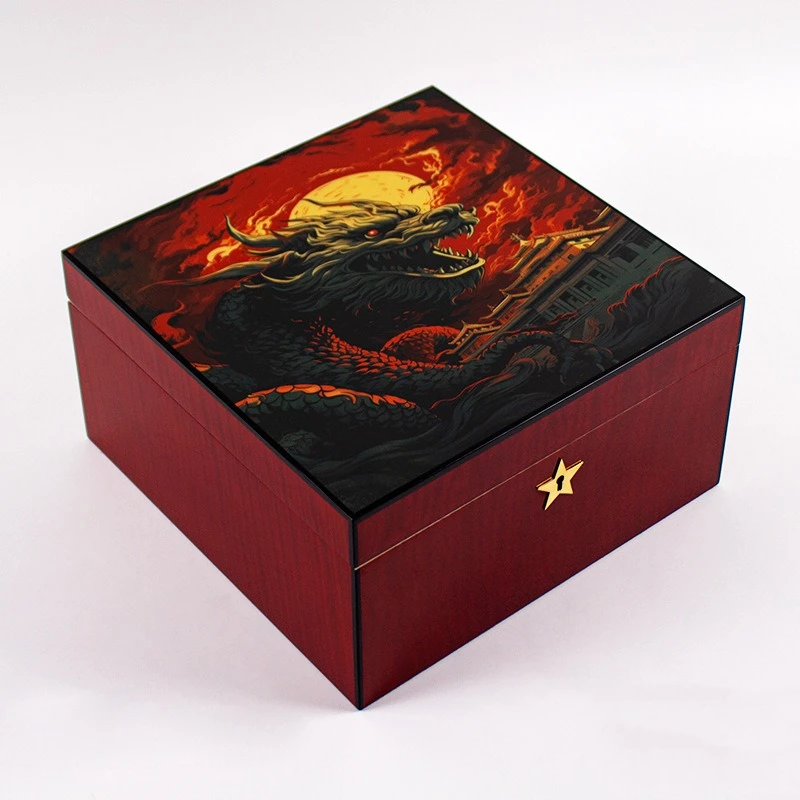
After many years in this industry, I learned that price does not equal taste. Many premium cigars under $50 offer rich, balanced flavor. Many rare cigars above $5,000 taste interesting but not magical. The price often comes from emotional factors, not flavor.
What Truly Drives Value
| Value Factor | Auswirkungen |
|---|---|
| Seltenheit | Höchste |
| Geschichte | Sehr hoch |
| Brand reputation | Stark |
| Alterung | Mäßig |
| Geschmack | Important but not decisive |
Collectors choose cigars because of identity. A cigar becomes expensive when it becomes a symbol of something larger than itself. A vintage Cohiba Behike holds value not because of taste alone but because of its symbolic status.
Why Story Matters More Than Taste
A cigar with a powerful story becomes memorable. People talk about it, research it, hunt for it, and show it to friends. The experience becomes part of the value. Even the boxes I create for cigar companies often carry this storytelling function. The lacquer, the engraving, and the structure of the box all help elevate the story.
The Reality
Some ultra-expensive cigars are truly excellent. But many are collectibles first, smoking products second. The market rewards exclusivity, not just craftsmanship.
Schlussfolgerung
Ultra-expensive cigars reflect rarity, history, and emotion, not just flavor or smoke quality.
Markenname: WoodoBox
Slogan: Maßgefertigte Holzkisten, handwerklich perfekt gefertigt



 Deutsch
  English
  Español
  Português
  Français
  Italiano
  العربية