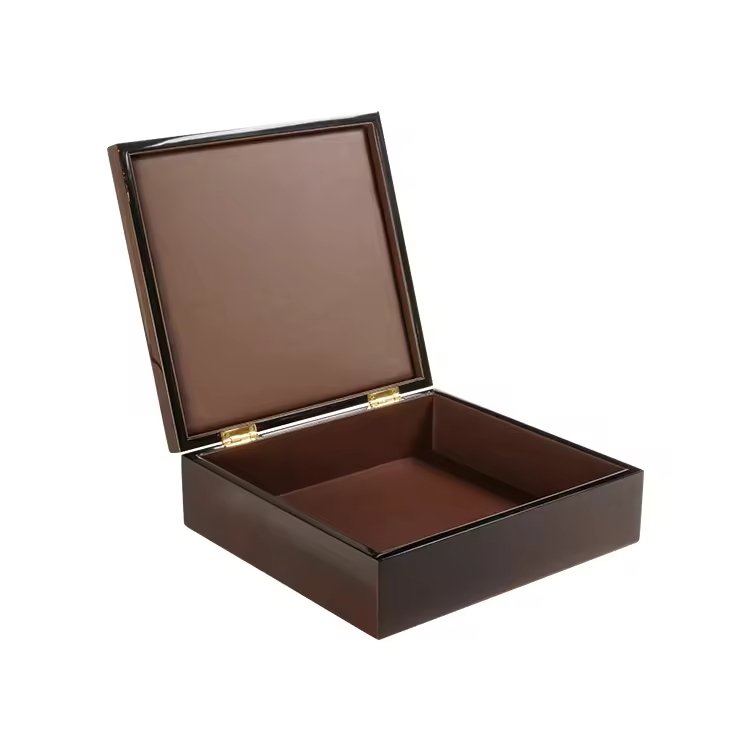

A poorly ventilated cigar box may trap excess humidity, leading to mold and flavor damage. Buyers often wonder if vents can solve this problem without ruining beauty.
Yes, mechanical vents or hidden air vents can help regulate humidity in a cigar box, but the design and placement must be carefully planned to avoid damaging the luxury look.
Many buyers struggle to balance cigar preservation with visual elegance. Let’s look at how vents, when properly designed, can work without sacrificing aesthetics.
Why would a cigar box need mechanical vents or micro air holes in the first place?
A sealed box may trap moisture, causing mold, cracking, or unpleasant odors. Some think vents can fix these risks.
Cigar boxes may need vents or micro-holes to prevent excessive humidity buildup, reduce mold risk, and keep cigars breathing naturally during storage.
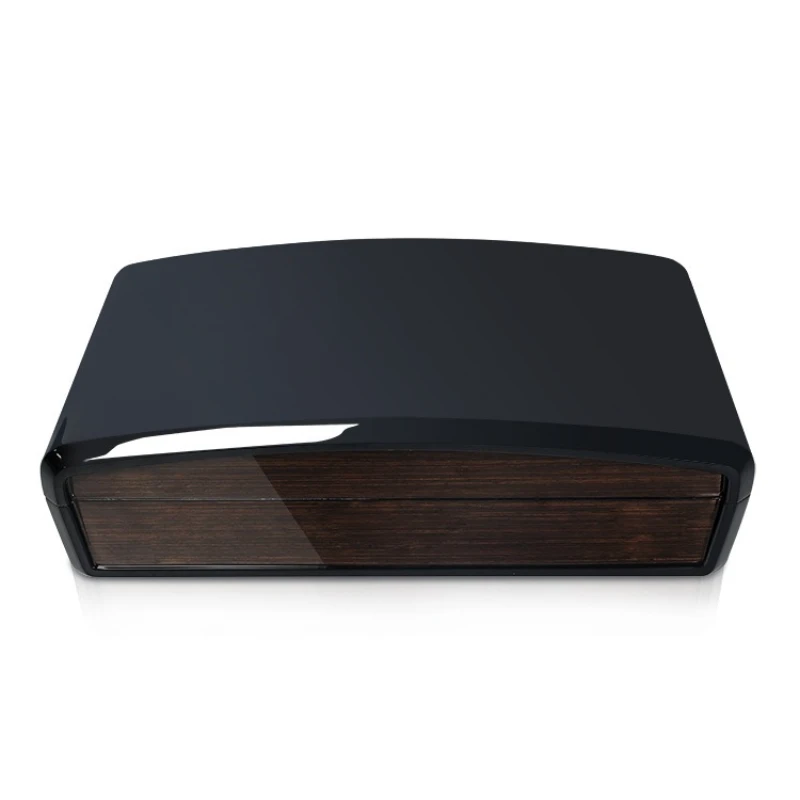
When I design a cigar box, I know cigars are sensitive to both moisture and airflow. Too much moisture and they get moldy. Too little, and they dry out. A completely sealed box with no ventilation can create a micro-environment that changes quickly. For example, if a buyer places a box in a humid climate, trapped moisture inside the sealed wood box may climb to dangerous levels. This leads to uneven humidity and unpleasant flavors in the cigars.
The natural breathing of wood
Wood itself breathes a little. Cedar, especially Spanish cedar, naturally regulates humidity. But this is often not enough if the environment changes fast. Adding small, carefully hidden venting helps balance this natural breathing. This is especially important for international buyers, because boxes often travel across climates. From a humid port in Asia to a dry warehouse in Europe, the inside of a sealed box can suffer from sudden changes. A few micro-holes can release trapped pressure and prevent swelling of the lid or mold on cigars.
Balancing tradition with innovation
Traditional cigar boxes did not use mechanical valves. But now, with global shipping and customers demanding long-term freshness, venting systems have become part of technical packaging. I see many brands asking whether to add small valves or vents for safety. The challenge is always to add function without losing luxury appeal. Buyers of premium cigars expect elegance first, so any solution must remain invisible or subtle.
Cigar lovers fear that vents may dry cigars too fast or damage their slow aging process.
Hidden vents, if designed properly, release only excess humidity while maintaining stable cigar preservation inside the box.

The truth is that hidden vents can be very effective when applied with precision. I have tested cigar boxes with micro-holes drilled under decorative trims or inside hinge areas. These vents are so small that the owner does not notice them. Yet, they provide enough release for trapped moisture. The key is balance: vents must not be too big, or the box becomes unstable in dry climates.
How hidden vents function
- Micro-holes: Usually less than 1mm wide. Invisible unless inspected closely.
- One-way valves: Let excess air escape but block reverse entry.
- Positioning under trims: Hides function under decorative features.
These designs keep the look untouched but still add technical control. A good hidden vent does not act as an open window. Instead, it works like a safety valve that only activates when pressure builds up.
Preserving flavor and aroma
Cigars age best in stable environments. They should breathe slowly through the cedar wood. Hidden vents support this natural process by allowing minimal, controlled exchange with outside air. I once worked with a client who shipped premium cigars from Havana to Germany. Without vents, some batches arrived with mold stains. After we added hidden vents under the baseplate, the problem disappeared, and the visual elegance of the box stayed intact.
What design options (bottom vents, side micro-holes, one-way valves) minimize visual impact?
Some buyers worry vents will spoil the fine polish and glossy finish of high-end boxes.
Bottom vents, side micro-holes, and one-way valves can be hidden in design lines, making ventilation effective without affecting visual elegance.
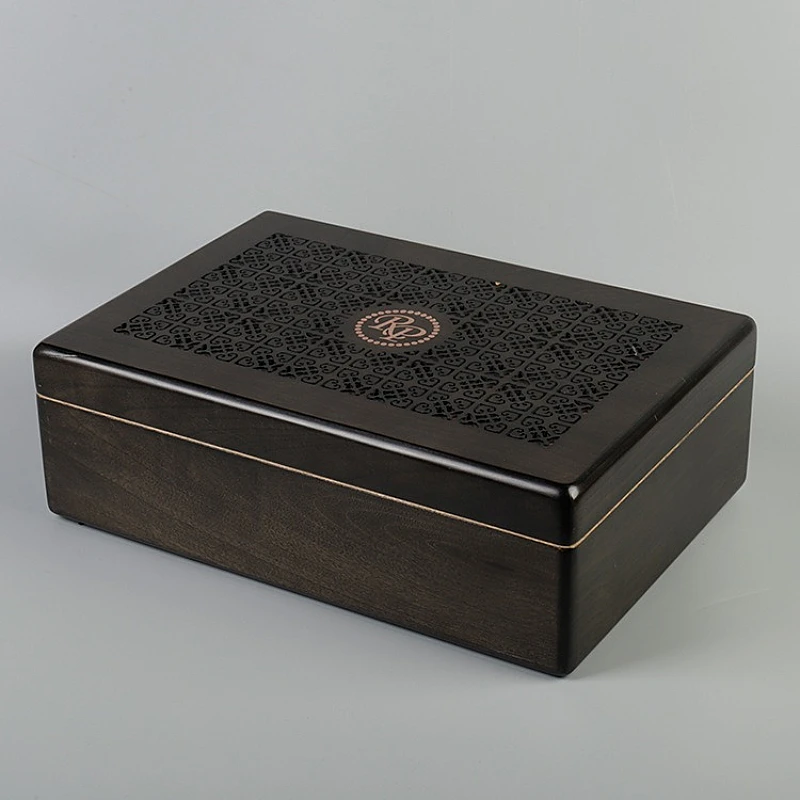
I often explain to clients that vent design is not just about function but also about hiding. With good planning, vents are invisible to the untrained eye.
Popular design options
| Vent Design | Platzierung | Visuelle Auswirkungen | Effektivität |
|---|---|---|---|
| Bottom vents | Under felt pads or base cover | Invisible | Mäßig |
| Side micro-holes | In seams or trims | Niedrig | Hoch |
| One-way valves | Disguised as hardware | Minimal | Hoch |
Why bottom vents are popular
Bottom vents are my first choice for most luxury boxes. They can be placed under the felt pads that protect the box on a table. Buyers never see them, but they let out moisture. This design has no impact on polish or painting.
Side micro-holes for extra safety
When humidity risks are higher, I suggest side micro-holes. They are hidden in the corner seams or under decorative trims. This way, the buyer cannot see them, but the box gets improved breathing.
One-way valves for advanced designs
For very high-value boxes, like limited-edition cigar releases, I sometimes install one-way valves. These look like metal parts of the hinge or clasp. They provide maximum safety during global shipping while staying completely disguised.
How do vent placements balance functionality with luxury appearance?
The main question from premium buyers is always: “Will it still look luxury?”
Strategic vent placement keeps the box functional while preserving the high-end look by integrating vents into invisible or decorative areas.
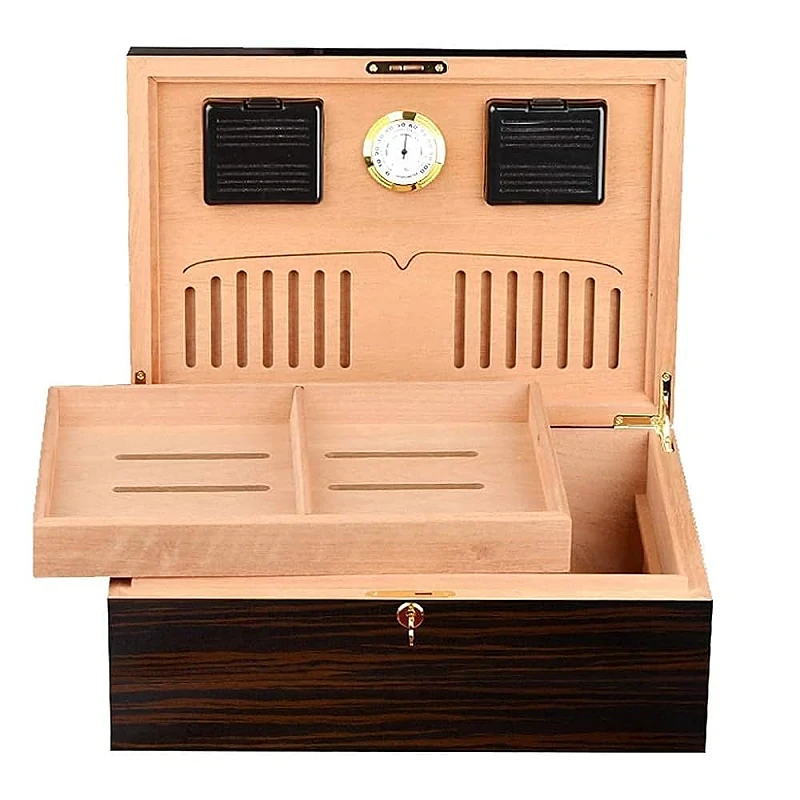
I know that a cigar box is more than storage. It is also a presentation piece. Buyers often display it in their homes or shops. This means vents must never look like a technical compromise. Instead, they must blend into the luxury styling.
Techniques I use
- Under hardware: Vents hidden in lock or hinge areas.
- In the base: Invisible under pads or velvet lining.
- Through decorative channels: Built into carved patterns or grooves.
When placed carefully, vents serve function without interrupting the visual flow. For example, one client ordered a piano-finish black cigar box. We added four micro-holes in the hinge area. They looked like part of the design, and nobody noticed them.
The balance between form and function
A luxury box must deliver both beauty and performance. Too much focus on function risks losing elegance. Too much focus on looks risks damaged cigars. That is why I test each design, often shipping prototypes through different climates. The goal is always the same: let the cigars stay fresh while the box keeps its luxury face.
Should vents be combined with filters or cedar channels to stay invisible yet effective?
Some worry vents alone may let in dust, odor, or uncontrolled airflow.
Yes, vents can be combined with filters or cedar channels, which keep them hidden while ensuring air exchange stays clean and balanced.

I often add layers to vent designs so they are not only invisible but also more effective. One simple way is to connect micro-holes to cedar channels. These channels extend inside the wall, guiding airflow without letting dust or odors reach the cigars.
Filter and channel solutions
- Cedar channels: Extend airflow paths, making vents less direct.
- Mesh or felt filters: Stop dust and insects from entering.
- PU leather covers: Blend filters with lining for invisible function.
Example from a project
I once built a cigar box for a Middle Eastern client. The climate there is hot and dusty. We added micro-holes under the base but lined them with thin felt filters. This allowed controlled breathing while stopping dust. The client was surprised that such a technical feature could remain invisible while making a huge difference in performance.
Warum das wichtig ist
A premium buyer wants peace of mind. They do not want to worry about vents introducing problems. By adding filters or cedar guides, I give them a solution that looks invisible, works quietly, and fits the luxury standard.
In high-end cigar boxes, how can structural detailing hide technical features while keeping elegance?
Luxury buyers expect details to reflect prestige, not compromise.
Structural detailing such as double walls, decorative trims, and hidden channels can mask vents and valves while keeping the premium look untouched.

When I design high-end boxes, I know details matter the most. Structural detailing allows me to hide technical parts inside the natural architecture of the box. This is how premium brands get both elegance and performance.
Structural techniques
- Double walls: Create a hidden layer for vents and filters.
- False bases: Conceal valves under removable trays.
- Decorative trims: Integrate holes into carved lines or metal inlays.
A real example
One luxury brand in Europe asked me to design a collector’s edition box with gold hardware. They wanted perfect humidity stability but no visible technical features. We used a double wall structure. Between the outer piano lacquer shell and the inner cedar lining, we placed micro-channels connected to hidden vents. The box looked flawless, but functioned like a smart storage system. Buyers never saw the vents, but their cigars stayed perfect during shipping and display.
Why structural detailing wins
This method goes beyond simple holes or valves. It makes venting part of the design language itself. The box feels refined, and the customer never notices the hidden engineering. For luxury buyers, this is the ideal solution: complete function, complete elegance.
Schlussfolgerung
Vents can preserve cigars without hurting beauty if hidden in smart design.
Markenname: WoodoBox
Slogan: Maßgefertigte Holzkisten, handwerklich perfekt gefertigt
Website: www.woodobox.com
WhatsApp: +86 18359265311




 Deutsch
  English
  Español
  Português
  Français
  Italiano
  العربية