Zum Inhalt wechseln
Indirect daylight looks harmless. Many brands ignore it. Over time, it quietly changes perfume color, surprises customers, and creates doubts about product quality.
Indirect daylight slowly changes perfume color by triggering light-driven chemical reactions inside the liquid. These reactions build up over time, especially in natural formulas, leading to yellowing, darkening, or amber tones without immediate scent failure.
I have seen this pattern many times. Once you understand how light works on perfume, color change stops being a mystery and becomes a controllable risk.
How does indirect daylight trigger chemical reactions inside perfume?
Indirect daylight seems soft and safe. Many people believe only direct sunlight is dangerous. That belief causes long-term problems in perfume storage and retail display.
Indirect daylight still carries UV and visible light energy that penetrates perfume bottles and triggers slow photochemical reactions. These reactions alter aroma molecules and cause gradual color shifts.
From my experience, perfumes placed near windows, under skylights, or in bright rooms change color faster. This happens even when sunlight never touches the bottle directly.
What light actually enters a perfume bottle
Light does not need to be strong to be effective. It only needs time.
- UV-A light passes through glass easily
- Visible blue light also carries energy
- Clear and lightly tinted bottles offer weak protection
Once light enters the liquid, it interacts with aroma compounds.
Why photochemical reactions happen slowly
Perfume reactions under light are not explosive. They are gradual.
- Molecules absorb light energy
- Bonds become unstable
- New compounds form slowly
This process repeats every day. One hour means nothing. Months mean a lot.
Common reactions caused by indirect daylight
| Reaction Type | Was passiert | Visuelles Ergebnis |
|---|---|---|
| Photolysis | Molecules break under light | Yellow tint |
| Photo-oxidation | Light speeds oxidation | Amber tone |
| Polymer formation | Molecules link together | Darkening |
I once worked with a niche brand that stored testers near large windows. After six months, the liquid looked darker. The scent still worked, but customers started asking questions.
Why retail environments increase risk
Retail spaces are bright by design.
- White walls reflect light
- Glass shelves amplify exposure
- Long opening hours mean long exposure
Indirect daylight plus artificial lighting creates a constant reaction environment. This is why color change often appears first in stores, not warehouses.
Why are natural ingredients more sensitive to light exposure?
Natural ingredients are beautiful. They are also fragile. Many brands underestimate how reactive they are under light.
Natural perfume ingredients contain complex organic molecules that react more easily to light, making them far more sensitive to indirect daylight exposure. This sensitivity shows up first as color change.
I have handled formulas with high natural content for years. These perfumes always tell their age through color.
Molecular structure of natural materials
Natural ingredients are not uniform.
- Essential oils contain many compounds
- Each compound reacts differently
- Stability varies from batch to batch
Synthetic molecules are designed for stability. Natural ones are not.
Most light-sensitive natural materials
Some ingredients react faster than others.
Zitrusöle
- Bergamot
- Lemon
- Orange
They oxidize quickly and darken fast.
Floral absolutes
- Rose
- Jasmin
- Tuberose
They shift color under light even without heat.
Woods and resins
- Patchouli
- Vetiver
- Benzoe
These deepen color slowly and steadily.
Comparison of natural vs synthetic stability
| Aspekt | Natural Ingredients | Synthetic Ingredients |
|---|---|---|
| Light resistance | Niedrig | Hoch |
| Color stability | Variabel | Stabil |
| Oxidation speed | Schneller | Langsamer |
| Batch consistency | Inkonsistent | Einheitlich |
Why niche and artisanal perfumes change faster
Niche brands often choose authenticity.
- Higher natural concentration
- Fewer stabilizers
- Minimal filtration
This is not a flaw. It is a design choice. But it requires better protection.
I once advised a small brand that used clear bottles and no outer box. Their perfumes looked different after international shipping. The formula did not fail. The light exposure did the damage.
How does slow oxidation alter perfume color over time?
Oxidation is quiet. It never announces itself. It just keeps working.
Slow oxidation alters perfume color by changing aroma molecules as they react with oxygen, a process accelerated by repeated indirect daylight exposure. The result is gradual darkening.
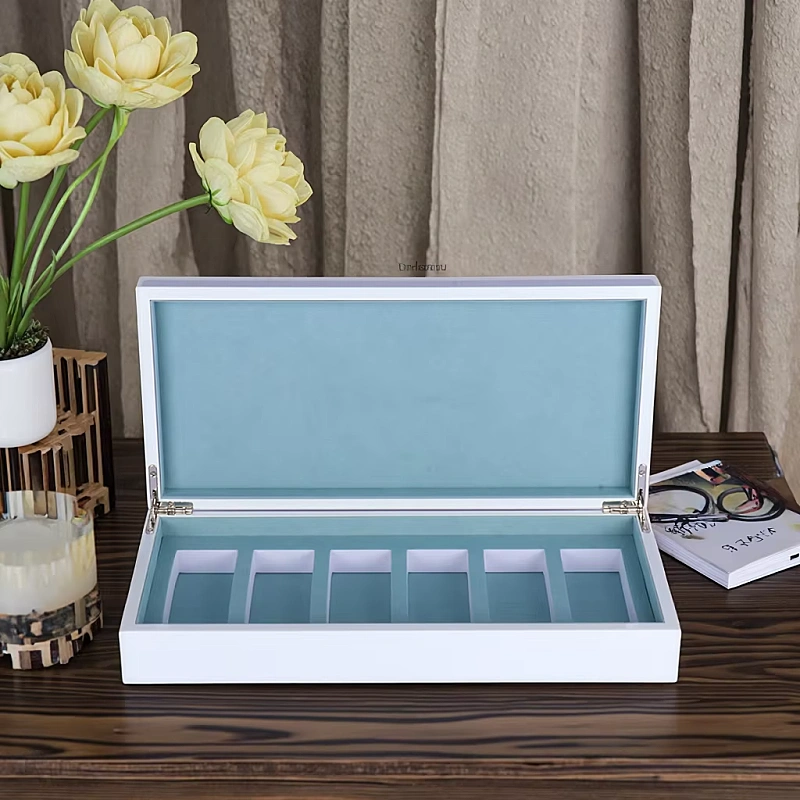
Most color change is not instant. It builds step by step.
How oxygen enters the system
Even sealed bottles are not perfect.
- Microscopic air remains inside
- Oxygen enters during spraying
- Temperature changes move air
Light speeds up how oxygen reacts inside the liquid.
Typical color evolution timeline
| Time Frame | Visual Change |
|---|---|
| 0–3 months | No visible change |
| 3–6 Monate | Slight yellow tint |
| 6–12 months | Amber or warm tone |
| 12+ months | Dark yellow or brown |
This timeline shortens when bottles sit in bright environments.
Why oxidation affects color before scent
Color change is visible. Scent change is subtle.
- Large molecules change first
- Color shifts appear early
- Top notes fade later
This is why customers often see change before they smell it.
Ingredients most affected by oxidation
- Citrus terpenes
- Aldehyde
- Natural alcohol extracts
These compounds react fast under light and oxygen.
My observation from long-term storage
In warehouse tests, perfumes stored in darkness aged slowly and evenly. The same perfumes near windows showed uneven color change across batches.
This creates quality control problems. Customers compare bottles. Visual inconsistency damages trust, even if scent remains acceptable.
Why does color change not always mean immediate fragrance failure?
Many people panic when they see color change. This panic often leads to wrong conclusions.
Color change does not automatically mean perfume has failed. It usually signals early-stage oxidation or light exposure while the fragrance remains wearable.
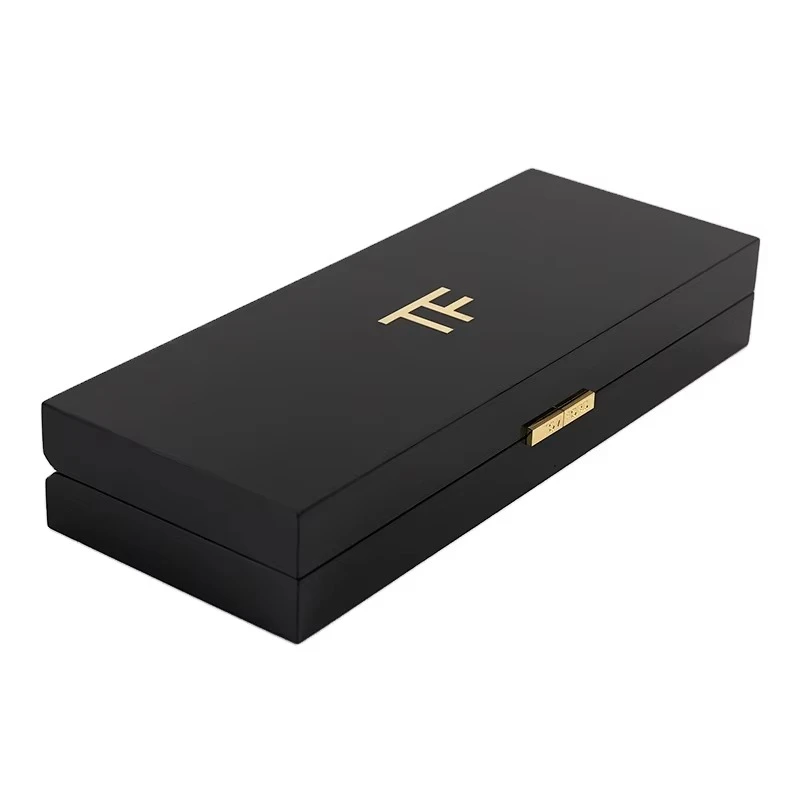
I explain this to brands and buyers all the time.
Separation between appearance and performance
Perfume performance depends on smell, not color.
- Base notes often remain stable
- Middle notes last longer than expected
- Only top notes soften first
Color change is an early warning, not a death sentence.
When color change is still acceptable
| Situation | Risikostufe |
|---|---|
| Slight yellowing | Niedrig |
| Uniform amber tone | Mittel |
| Dark brown with sediment | Hoch |
Uniform change usually means slow oxidation. Uneven change suggests storage problems.
Why consumers misunderstand color signals
Most consumers expect perfume to look perfect forever.
- Marketing shows crystal-clear liquids
- No education about aging
- Fear of expired products
This gap causes unnecessary returns and complaints.
How brands should communicate this
Brands that explain aging gain trust.
- Educate about natural ingredients
- Set realistic expectations
- Use protective packaging
I worked with a brand that added a small note explaining natural color variation. Complaint rates dropped immediately.
Packaging is not decoration. It is protection.
Proper packaging and storage reduce light-related color shifts by blocking UV exposure, stabilizing temperature, and limiting oxygen interaction. This directly extends visual and olfactory quality.
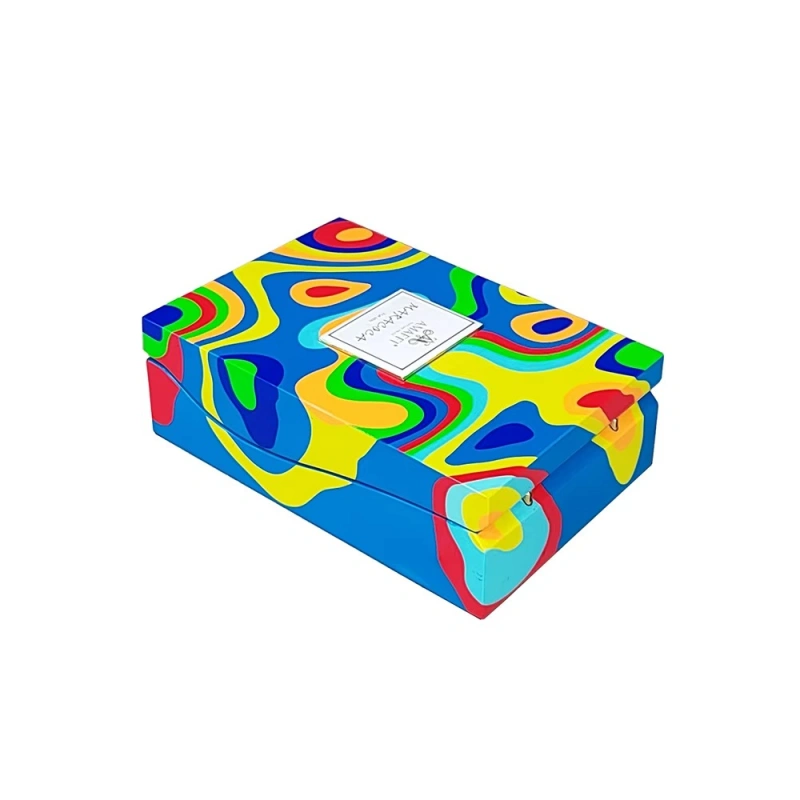
This is where many brands fail, especially at the outer packaging level.
Primary packaging limitations
Glass bottles alone are weak shields.
- Clear glass blocks little UV
- Frosted glass still passes light
- Colored glass helps but is not enough
Relying only on the bottle is risky.
Power of secondary packaging
Outer packaging changes everything.
- Blockiert jegliches Licht
- Reduces temperature swings
- Protects during shipping
This is why boxed perfumes age better.
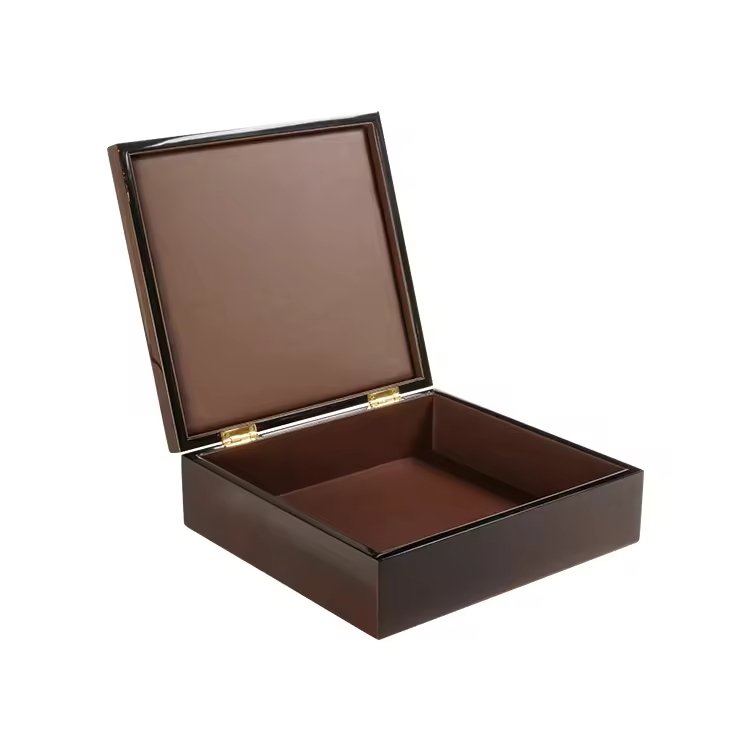
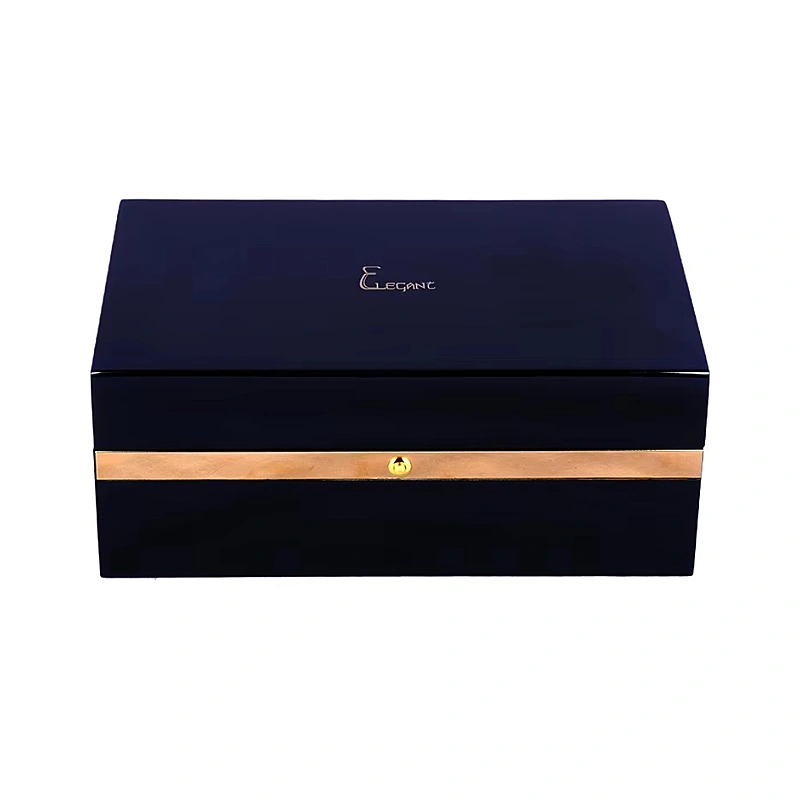
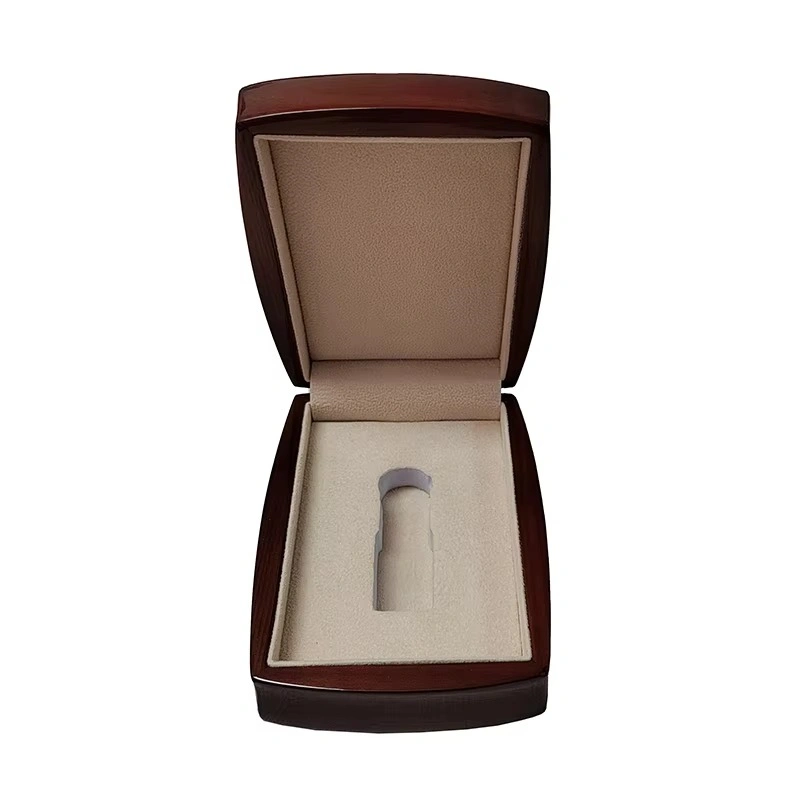
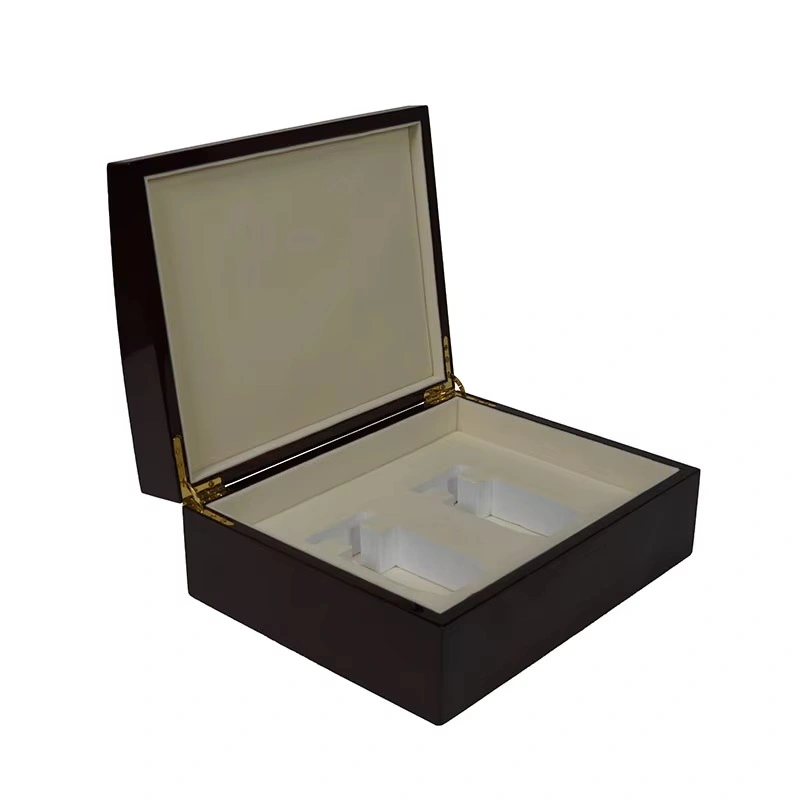
Why wooden boxes perform exceptionally well
From my production experience, wooden boxes offer unique benefits.
Functional advantages
- 100% light blockage
- Thermal stability
- Structural protection
Brand advantages
- Premium feel
- Sustainable image
- Long-term storage value
Packaging comparison table
| Verpackungsart | Light Protection | Stabilität | Long-Term Effect |
|---|---|---|---|
| No box | Sehr niedrig | Schlecht | Fast color change |
| Paper box | Mittel | Mäßig | Slower aging |
| Rigid box | Hoch | Gut | Starker Schutz |
| Holzkiste | Maximal | Ausgezeichnet | Best preservation |
Storage rules I always recommend
- Keep perfumes away from windows
- Avoid display under strong lighting
- Store backups in full packaging
Brands that follow these rules see fewer color issues and fewer customer doubts.
Schlussfolgerung
Indirect daylight changes perfume color slowly but steadily. With smart packaging and storage, brands can protect appearance, preserve scent, and maintain long-term trust.
WoodoBox
Maßgefertigte Holzkisten, handwerklich perfekt gefertigt

 Deutsch
  English
  Español
  Português
  Français
  Italiano
  العربية