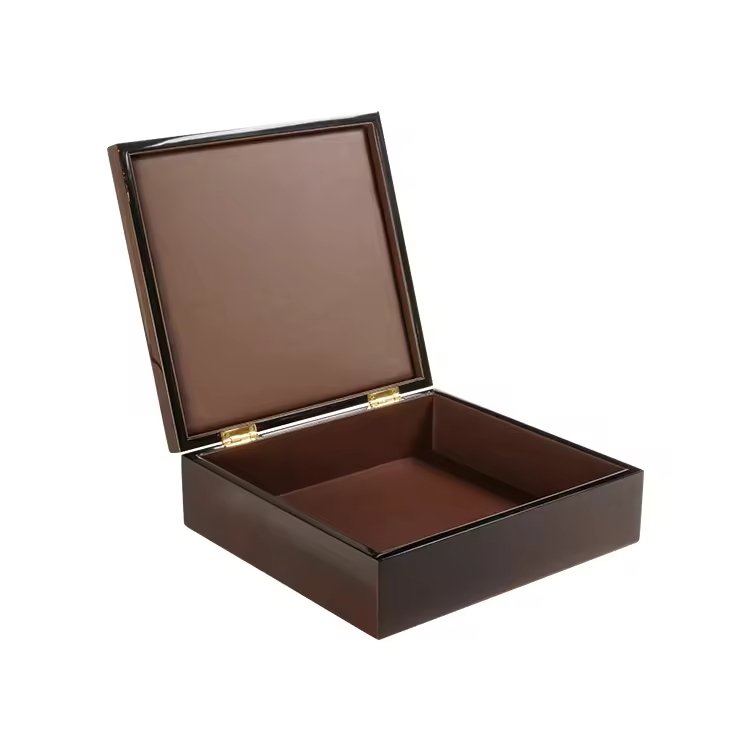
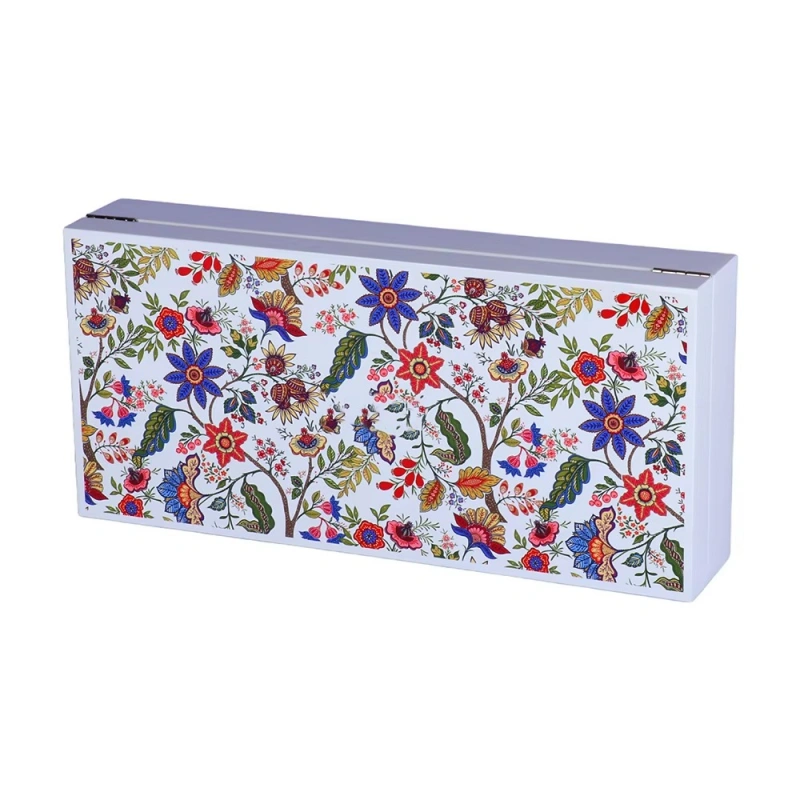
Luxury perfume brands lose money every year because boxes look perfect outside but fail inside. Small errors in wood cutting lead to loose bottles, broken pumps, and silent quality risks that buyers discover too late.
CNC cutting improves precision in perfume box manufacturing by delivering repeatable, millimeter-level accuracy that protects bottles, stabilizes structure, and ensures consistent luxury quality at scale.
I have worked in high-end wooden box manufacturing for over 15 years. In my experience, CNC cutting is not optional for premium perfume packaging. It is the hidden system that decides whether a box performs well for years or fails quietly after shipping.
Before we talk about finishes, lacquer, or branding, we must talk about precision. Precision is the foundation. Everything else depends on it.
How does CNC cutting achieve tighter tolerances than manual woodworking?
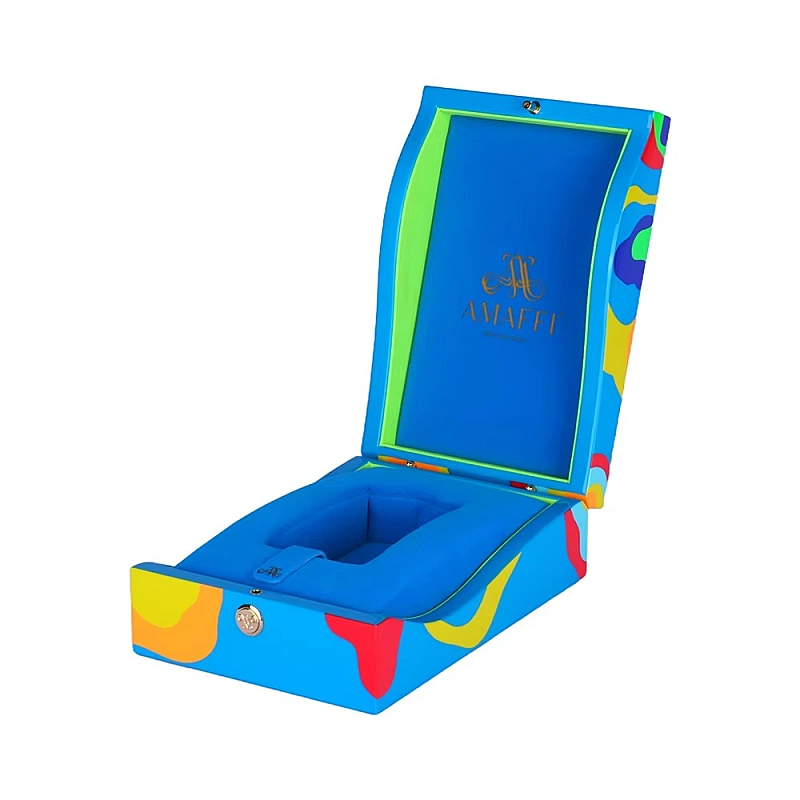
In luxury perfume boxes, even small errors create big problems. Manual cutting depends on hands, eyes, and experience. That sounds romantic, but it is unstable at scale.
CNC cutting achieves tighter tolerances by following digital coordinates instead of human estimation, which removes variation caused by fatigue, judgment, and tool wear.
Why manual woodworking always creates variation
I respect skilled craftsmen. I started my career learning manual woodworking. But after years in production, one fact is clear. No two manually cut parts are exactly the same.
Here are the main reasons:
- Hand pressure changes from hour to hour
- Tools wear unevenly
- Wood density varies across boards
- Measurements rely on visual alignment
Even a difference of 0.3 mm matters in perfume packaging.
How CNC machines control tolerance
CNC machines work from CAD drawings. Once the file is approved, the machine follows the same path every time.
Key advantages I see in daily production:
- Fixed cutting paths
- Stable spindle speed
- Controlled depth and angle
- Repeatable positioning
Here is a simple comparison from my factory experience:
| Faktor | Manuelles Schneiden | CNC-Schneiden |
|---|---|---|
| Tolerance range | ±0.5–1.0 mm | ±0.05–0.1 mm |
| Operator dependency | Sehr hoch | Niedrig |
| Reproduzierbarkeit | Inkonsistent | Stabil |
| Scale suitability | Niedrig | Hoch |
Why tighter tolerance matters in perfume boxes
Perfume bottles are rigid and fragile. They do not forgive error.
CNC allows me to design cavities that hold bottles firmly without stress. The bottle does not move. It does not squeeze. It simply sits.
That balance is impossible to maintain with hand tools alone.
Why is precision critical for bottle fit, alignment, and long-term stability?
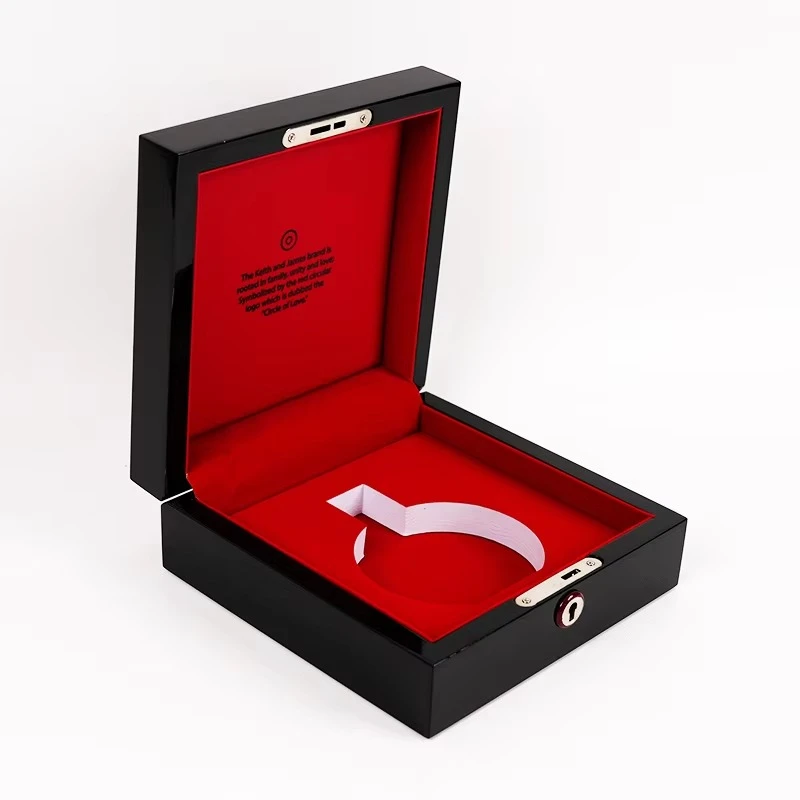
Most buyers focus on how a box looks when it is new. I focus on how it behaves after shipping, storage, and repeated use.
Precision is critical because bottle fit directly affects vibration control, stress distribution, and long-term mechanical stability.
Bottle fit is not about tightness
Many people think tighter is safer. That is wrong.
A cavity that is too tight creates pressure points. Over time, this pressure transfers to:
- Glass walls
- Spray pumps
- Crimped collars
A cavity that is too loose causes movement. Movement creates impact.
CNC lets me control this balance precisely.
Alignment affects more than appearance
Alignment issues create silent failures.
Examples I have seen:
- Bottles leaning slightly, stressing caps
- Inserts pushing bottles off-axis
- Lids closing with uneven force
With CNC, internal trays align perfectly with outer shells. Hinges sit square. Lids close evenly.
Long-term stability depends on internal geometry
Wood moves with humidity. Precision does not stop movement, but it controls it.
When parts are cut accurately:
- Expansion distributes evenly
- Joints stay square
- Load paths remain balanced
Here is how I evaluate stability during design:
| Element | Risk Without Precision | CNC Advantage |
|---|---|---|
| Bottle cavity | Stress or movement | Balanced support |
| Inner tray | Fehlausrichtung | Exact positioning |
| Lid closing | Ungleichmäßiger Druck | Square closure |
| Hinge area | Torsion | Flush installation |
In perfume packaging, stability is not visible. But customers feel it every time they open the box.
How does CNC consistency improve batch-to-batch quality for luxury brands?
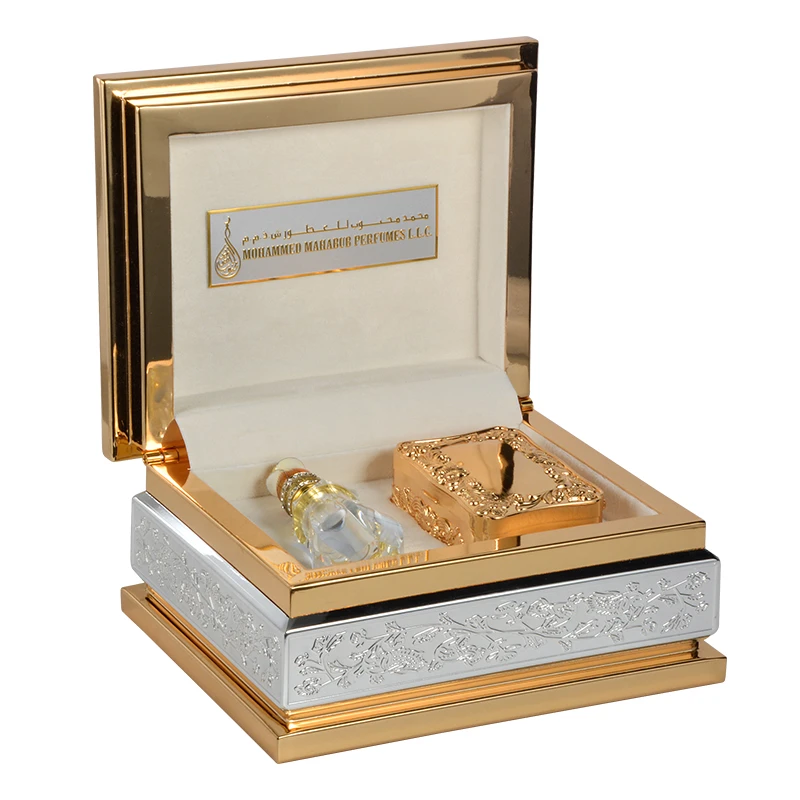
Luxury brands fear inconsistency more than cost. One bad batch can damage trust.
CNC consistency improves batch-to-batch quality by locking production to a validated design and eliminating human variation across time and volume.
The real problem with scaling luxury packaging
Manual production works for small runs. It breaks during scaling.
Problems I often see before CNC adoption:
- First samples look perfect
- Second batch feels different
- Third batch has fit complaints
This happens because manual processes drift.
CNC locks quality into data
Once a CNC program is approved, it becomes the standard.
Benefits I rely on:
- Same cavity depth every batch
- Same corner radius every box
- Same joint geometry across months
This matters when brands reorder after six months or one year.
Brand consistency is a trust issue
Luxury customers expect sameness.
When CNC is used:
- Unboxing feels familiar
- Bottles sit the same way
- Sound, resistance, and weight feel consistent
Here is how CNC supports brand trust:
| Brand Expectation | CNC Contribution |
|---|---|
| Visual consistency | Identical dimensions |
| Functional feel | Stable mechanics |
| Reorder reliability | Same files, same result |
| Global shipping | Predictable performance |
In my experience, CNC is the only way to guarantee that batch 10 feels like batch 1.
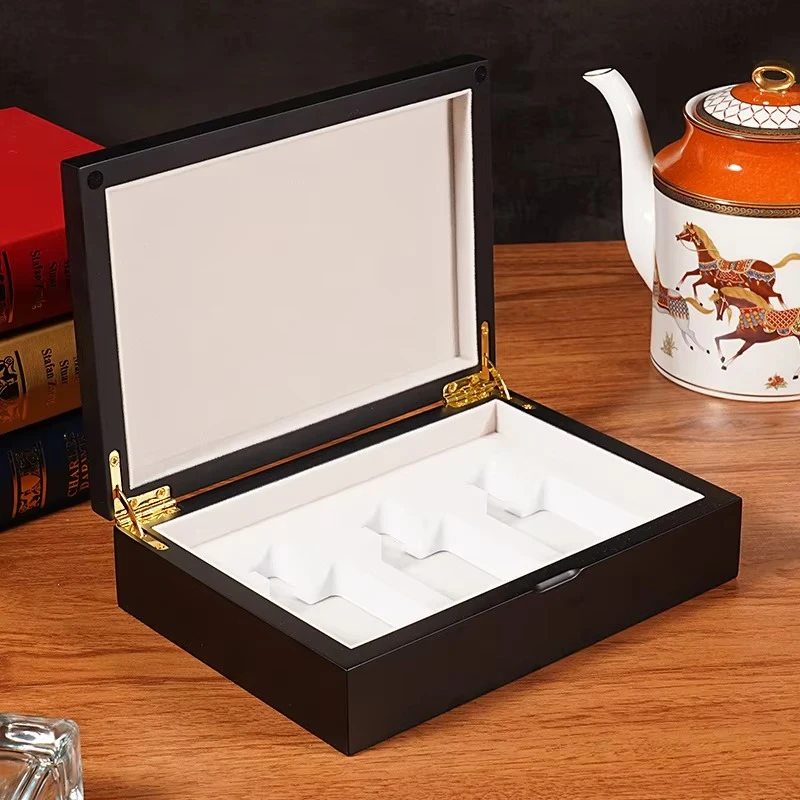
Many failures start inside the box. Buyers never see them during inspection.
CNC cutting reduces hidden defects by ensuring internal alignment, uniform wall thickness, and accurate joint geometry that manual tools often miss.
What hidden defects look like in real life
I have investigated many damage cases. Common hidden issues include:
- Inner trays slightly tilted
- Uneven cavity bottoms
- Thin walls near corners
- Misaligned hinge mortises
These defects do not show on the surface.
How CNC exposes problems early
CNC forces design discipline.
Before cutting, we must finalize:
- Wall thickness
- Support points
- Shock zones
- Tool paths
If something is wrong, it appears in testing, not after shipping.
CNC improves internal structure quality
Key internal advantages:
- Parallel surfaces
- Consistent depth
- Clean internal corners
- Balanced material removal
Here is a comparison I use when auditing failures:
| Fehlerursache | Manual Risk | CNC Result |
|---|---|---|
| Uneven cavity | Hoch | Sehr niedrig |
| Thin wall | Mittel | Controlled |
| Tray misfit | Gemeinsame | Seltene |
| Stress crack | Delayed | Prevented |
Hidden precision is what protects perfume during transport. CNC gives me confidence in that protection.
How does CNC technology elevate both functionality and perceived craftsmanship?
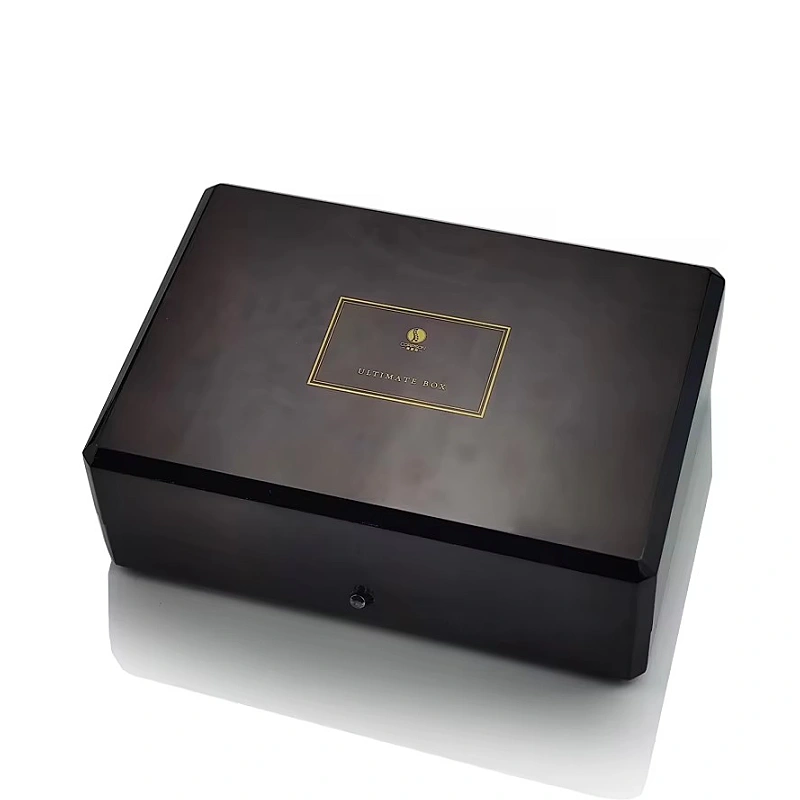
Some people think CNC removes craftsmanship. I strongly disagree.
CNC elevates craftsmanship by giving skilled workers a perfect foundation, allowing finishes, assembly, and detailing to reach higher standards.
Craftsmanship starts with accuracy
No finish can hide poor structure.
When CNC is used:
- Joints close cleanly
- Edges meet evenly
- Surfaces align
This makes high-gloss piano lacquer possible.
CNC improves tactile experience
Luxury is felt, not explained.
Precision affects:
- How lids open
- How trays lift
- How parts meet
Customers may not know why it feels good, but they feel it.
Machine precision plus human judgment
In my factory:
- CNC cuts the parts
- Skilled workers select wood
- Craftsmen apply finishes
- Technicians assemble and adjust
This is not replacement. It is support.
Here is how I see the balance:
| Bühne | CNC Role | Human Role |
|---|---|---|
| Cutting | Exact geometry | File validation |
| Material | Fixed path | Wood selection |
| Fertigstellung | Stable base | Surface control |
| Montage | Accurate parts | Final tuning |
CNC allows craftsmanship to focus on beauty, not correction.
Schlussfolgerung
CNC cutting makes perfume boxes predictable, stable, and trustworthy. For luxury brands, precision is not technical detail. It is the silent promise behind every unboxing.
Markenname: WoodoBox
Slogan: Maßgefertigte Holzkisten, handwerklich perfekt gefertigt

 Deutsch
  English
  Español
  Português
  Français
  Italiano
  العربية