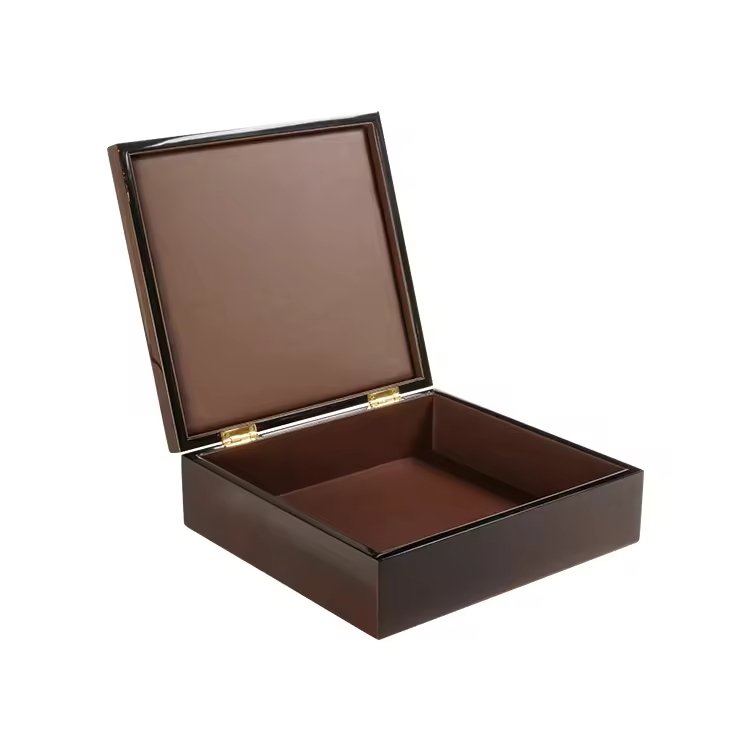
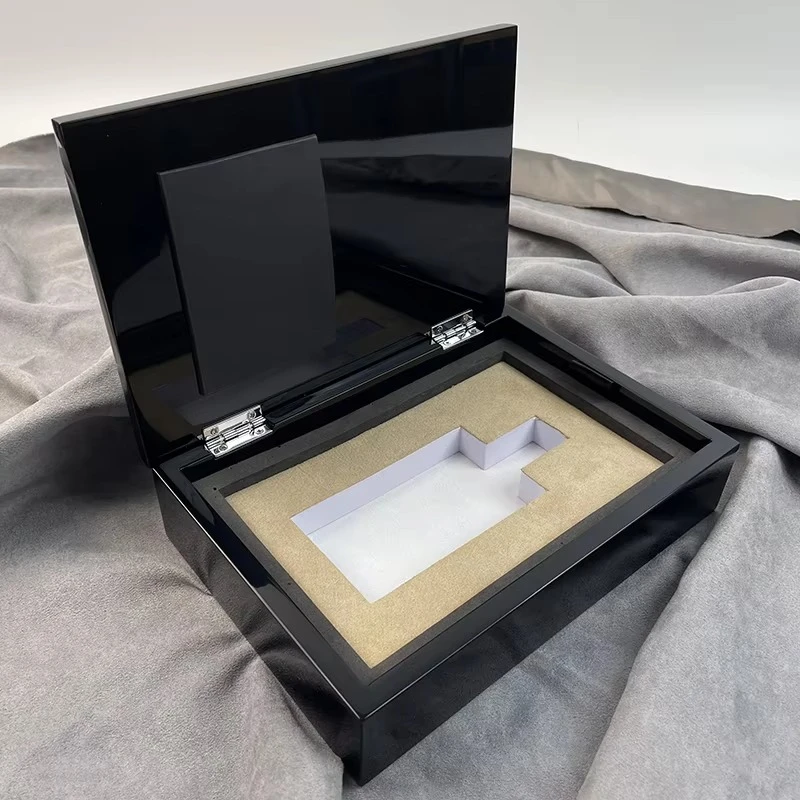
I have seen many perfume brands worry about wood oils. They fear safety risks, scent contamination, or hidden chemical reactions. This concern is real. It affects sourcing decisions. It also affects brand confidence.
Natural wood oils do not compromise perfume safety when wooden packaging is correctly designed, processed, and finished. The risk is not the wood itself. The risk is poor understanding and poor control.
I want to explain this clearly, from my own manufacturing experience.
I have spent more than 15 years designing and producing high-end wooden boxes for perfume brands. I have worked with solid wood, veneered MDF, piano lacquer finishes, and complex interior structures. I have tested many wood species. I have handled many brand audits. This topic deserves a deep and honest explanation.
What are natural wood oils, and where do they come from in timber?
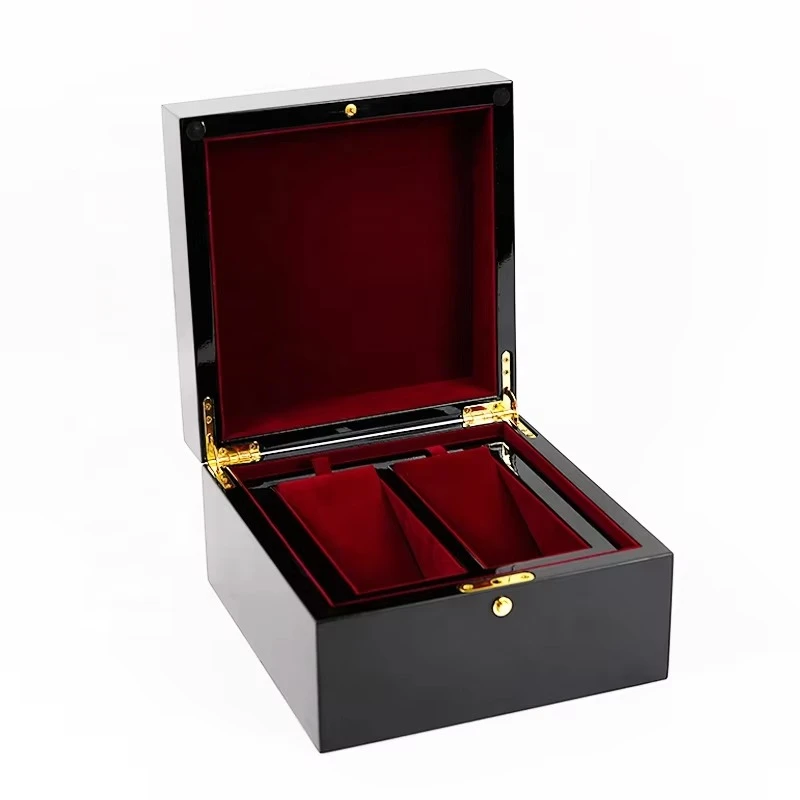
Wood oils sound mysterious. Many buyers imagine liquid oil leaking from wood. This image is not accurate. The reality is much simpler and more controlled.
Natural wood oils are part of the tree’s internal chemistry. They exist to protect the tree during its life.
These substances are often called:
- Oils
- Resins
- Extractives
They are stored inside wood fibers, vessels, and cells. They do not flow freely. They do not behave like surface oil.
What purpose do wood oils serve?
Trees use these compounds to survive. In nature, they help the tree:
- Resist insects
- Reduce moisture damage
- Slow fungal growth
- Improve durability
Different species evolved different levels of protection. This is why some woods last longer outdoors.
Where are these oils located?
Wood oils are locked inside the cell structure. They are not on the surface unless the wood is freshly cut or damaged.
After proper drying and processing, most oils:
- Become stable
- Lose volatility
- Stay trapped inside the wood
They do not migrate under normal conditions.
High-oil vs low-oil woods
From my production records, I always group woods into practical categories.
Higher oil or aromatic woods
These woods are more noticeable by smell:
- Zedernholz
- Kiefer
- Rosenholz
- Teakholz
- Sandelholz
They are useful for specific designs. But they need more control.
Lower oil and neutral woods
These woods are much safer for perfume packaging:
- Ahorn
- Beech
- Eiche
- Walnuss
- Birch
They have very mild odor. Their oil content is low.
Why buyers misunderstand wood oils
Most concerns come from two misunderstandings:
- Confusing wood aroma with chemical migration
- Assuming oil equals liquid contamination
In real manufacturing, neither happens when wood is properly handled.
From my experience, wood oils are a material property, not a safety threat.
Do wood oils chemically interact with perfume inside sealed bottles?
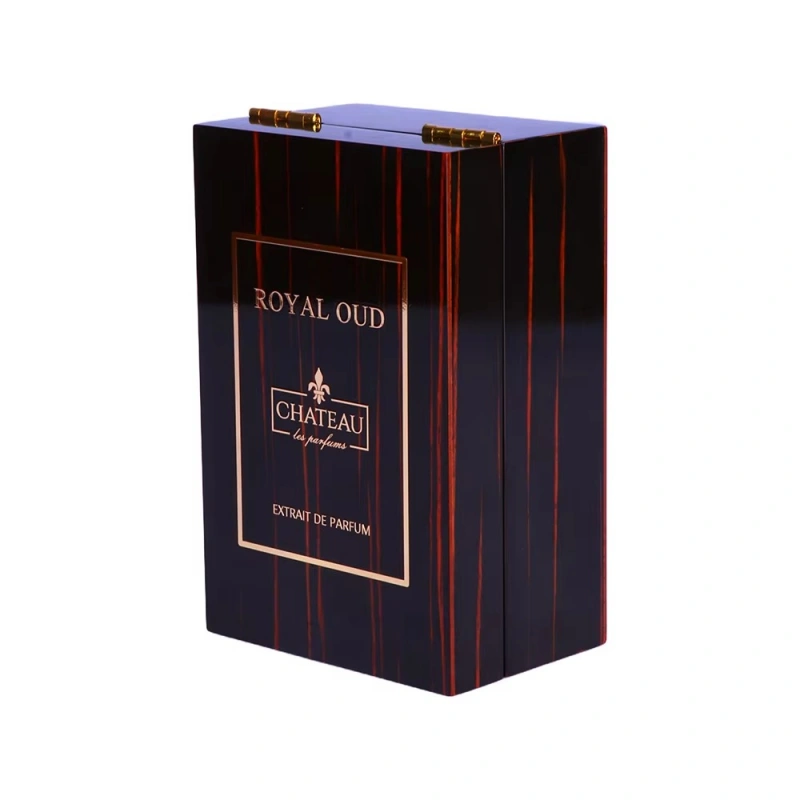
This is the most important question for safety teams. The answer is very clear.
No, wood oils do not chemically interact with perfume inside sealed bottles.
I say this with confidence, based on years of production and post-market feedback.
Perfume bottles are closed systems
A sealed perfume bottle is a chemically isolated system.
It usually consists of:
- Glass bottle
- Tight neck finish
- Crimped or threaded pump
- Inner gasket or seal
Glass is non-porous. It does not allow oil or vapor to pass through.
For wood oils to affect perfume chemistry, all of these would need to fail:
- The bottle seal
- The glass barrier
- The air gap protection
In real conditions, this does not happen.
There is no direct contact
Wood packaging never touches the liquid perfume.
The perfume is inside:
- Glas
- Sometimes with an inner coating
The wooden box only holds the bottle. There is always separation.
Even in snug designs, there is:
- Air space
- Inserts
- Auskleidungen
What about vapor transfer?
Some buyers ask about vapor movement. This concern usually comes from food packaging logic.
Perfume packaging works differently.
Here is why vapor transfer is not a real issue:
| Faktor | Reality |
|---|---|
| Wood oil volatility | Very low after drying |
| Interior air volume | Small and static |
| Bottle exposure time | Kurz |
| Perfume volatility | Contained inside bottle |
In all my years, I have never seen lab data or real-world evidence showing perfume formula changes caused by wood packaging.
Real-world evidence matters
We have shipped tens of thousands of wooden perfume boxes worldwide.
We have served:
- Luxusmarken
- Niche perfumers
- Sammler
If wood oils caused chemical interaction, it would appear as:
- Formula complaints
- Stability failures
- Regulatory issues
None of these have occurred when packaging was correctly made.
The bottle is the safety barrier. The wood is outside that system.
Why are some wood species considered safer than others for perfume packaging?
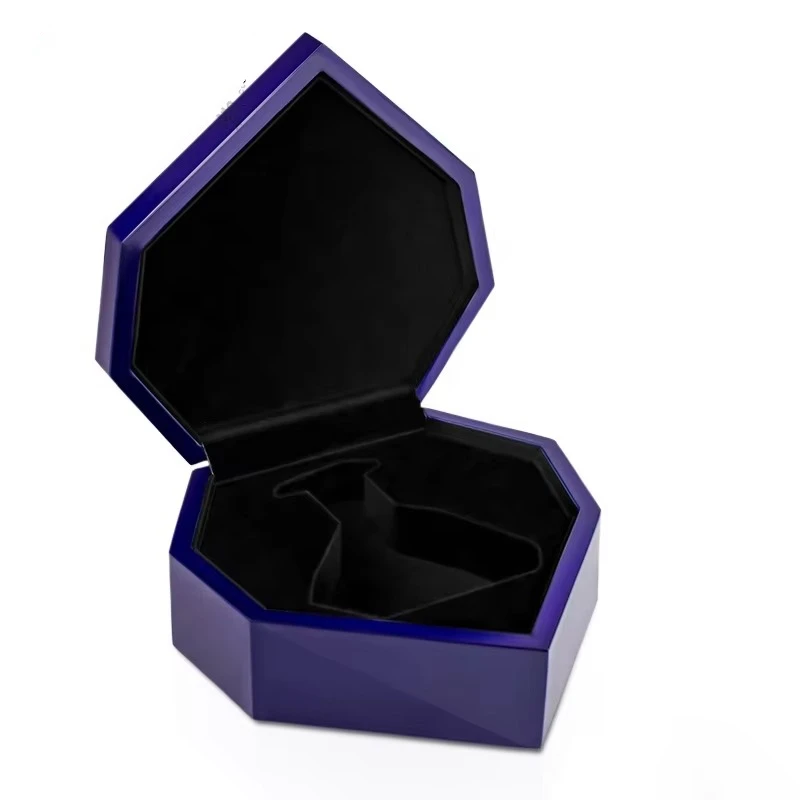
Not all woods behave the same. Species selection is a real design decision, not a marketing choice.
Safety is about predictability
Luxury brands care about control. They want packaging that behaves the same every time.
Some woods are more predictable. Others need more work.
Wood species comparison
Here is how I usually explain it to buyers:
| Holzart | Ölgehalt | Aroma | Packaging Risk |
|---|---|---|---|
| Ahorn | Sehr niedrig | Neutral | Sehr niedrig |
| Beech | Sehr niedrig | Neutral | Sehr niedrig |
| Eiche | Niedrig | Mild | Niedrig |
| Walnuss | Niedrig | Mild | Niedrig |
| Zedernholz | Hoch | Stark | Mittel |
| Kiefer | Mittel | harzig | Mittel |
| Teakholz | Hoch | Oily | Mittel |
This does not mean aromatic woods are bad. It means they need more design control.
Why low-oil woods are preferred
Low-oil woods offer:
- Stable odor profile
- Easier finishing
- Less sensory interference
- Faster regulatory approval
For most perfume brands, these benefits matter more than exotic appearance.
When aromatic woods are still used
Some brands intentionally choose aromatic woods.
This works when:
- The interior is fully sealed
- A lining is used
- The aroma matches brand identity
I have done this for limited editions and collector sets.
What I recommend to perfume brands
From my experience, I suggest:
- Default to low-oil hardwoods
- Use aromatic woods only with interior control
- Never use raw wood surfaces inside
Species choice is about risk management, not fear.
How can wood oils affect perception without affecting perfume chemistry?
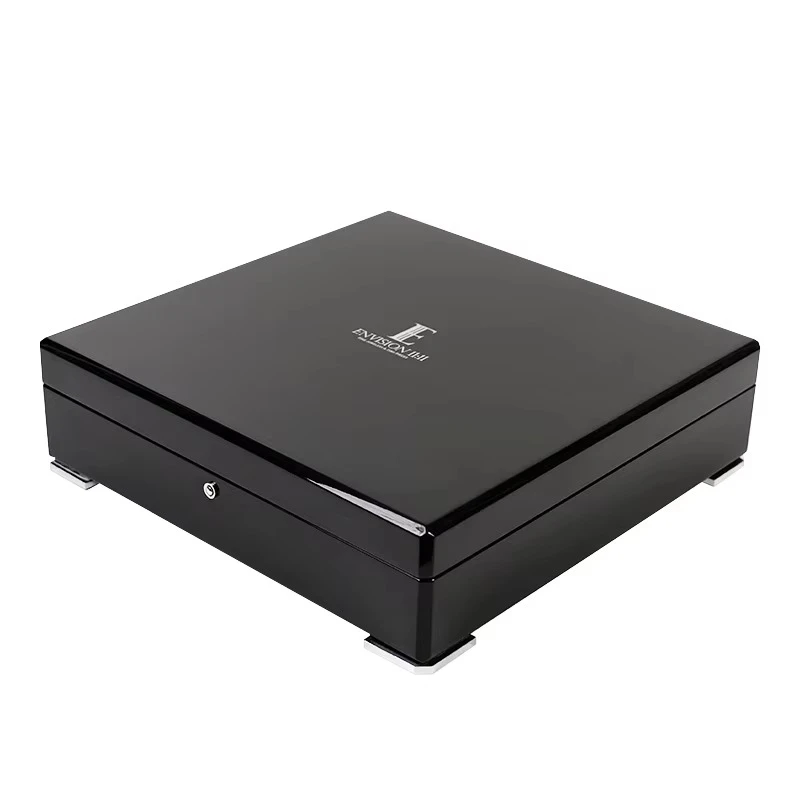
This is where many people confuse perception with chemistry.
Wood oils can influence experience, not formula.
The unboxing moment matters
When a wooden box is opened, the user experiences:
- Visual impression
- Tactile feel
- Ambient smell
If the wood has a natural aroma, it may be noticeable.
This does not mean contamination.
Sensory influence vs chemical change
There is a clear difference:
| Aspekt | Was passiert |
|---|---|
| Perfume liquid | No change |
| Bottle interior | No exposure |
| User perception | Temporary aroma |
| Long-term effect | Keine |
The wood scent stays in the box. It does not attach to the perfume.
Why the effect is temporary
Once the bottle is removed:
- Air circulates
- The wood aroma fades
- The perfume stands alone
Even inside the box, the aroma weakens over time due to:
- Dry wood
- Sealed finishes
- Alterung
Psychological association
Some buyers actually like this effect.
Zum Beispiel:
- Cedar feels warm and classic
- Pine feels fresh and clean
- Walnut feels calm and refined
These impressions support branding. They do not change the fragrance.
When perception becomes a problem
Perception becomes a risk only when:
- Raw wood is used inside
- No lining is present
- Poor drying causes strong odor
These are design errors, not material flaws.
Good packaging controls perception as carefully as it controls structure.
How do proper processing and finishing eliminate safety risks?
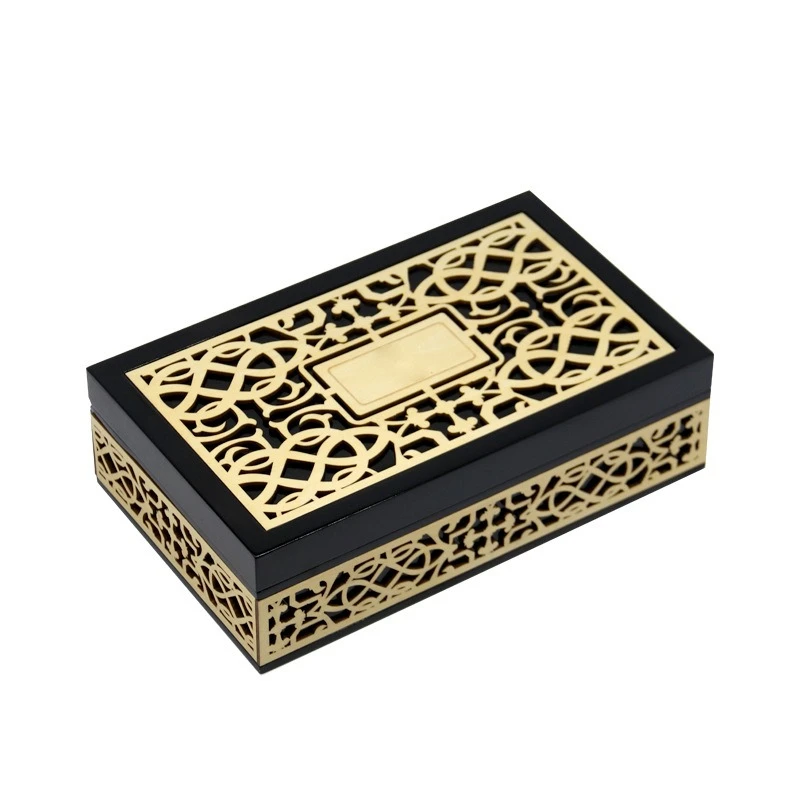
This is the real key. Wood safety is not about avoiding wood. It is about processing it correctly.
Drying is the foundation
All quality wooden packaging starts with proper drying.
We use:
- Trocknen im Ofen
- Controlled moisture levels
- Long stabilization periods
This step:
- Reduces oil volatility
- Removes excess moisture
- Prevents future movement
Aging improves stability
After drying, wood continues to stabilize.
Time allows:
- Internal stresses to relax
- Odors to soften
- Oils to settle
Rushed production is the real risk.
Sealing blocks interaction
Interior sealing is critical.
We apply:
- Clear sealers
- Lacquer layers
- Barrier coatings
This creates a physical wall between wood and air.
Interior linings add protection
For perfume packaging, we often use:
- Samt
- Mikrofaser
- PU-Leder
- EVA inserts
These materials:
- Isolate the bottle
- Reduce air exchange
- Improve presentation
Finishing process overview
Here is how we control risk step by step:
| Schritt | Zweck |
|---|---|
| Trocknen im Ofen | Reduce moisture and oils |
| Alterung | Stabilize wood |
| Schleifen | Remove surface residues |
| Versiegeln | Lock in oils |
| Lining | Isolate bottle |
| Montage | Prevent direct contact |
Each step reduces uncertainty.
Why this matters for brands
From a brand risk view:
- Regulators want predictability
- Customers want consistency
- Collectors want longevity
Proper processing delivers all three.
When wood is controlled, it becomes one of the safest packaging materials available.
Schlussfolgerung
Wood oils are not the enemy. Poor understanding is. With the right wood, drying, sealing, and design, natural timber protects perfume safely and beautifully.
Markenname: WoodoBox
Slogan: Maßgefertigte Holzkisten, handwerklich perfekt gefertigt

 Deutsch
  English
  Español
  Português
  Français
  Italiano
  العربية