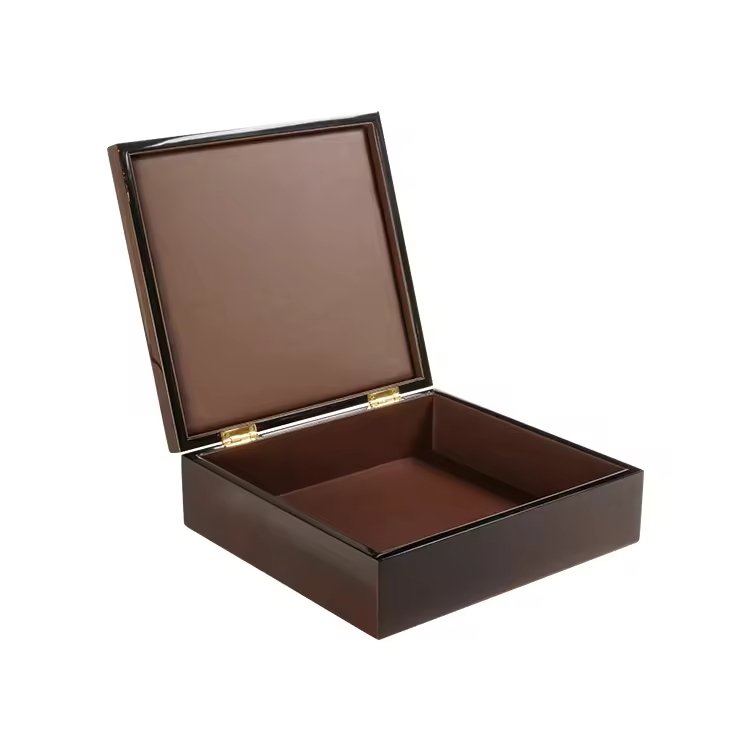
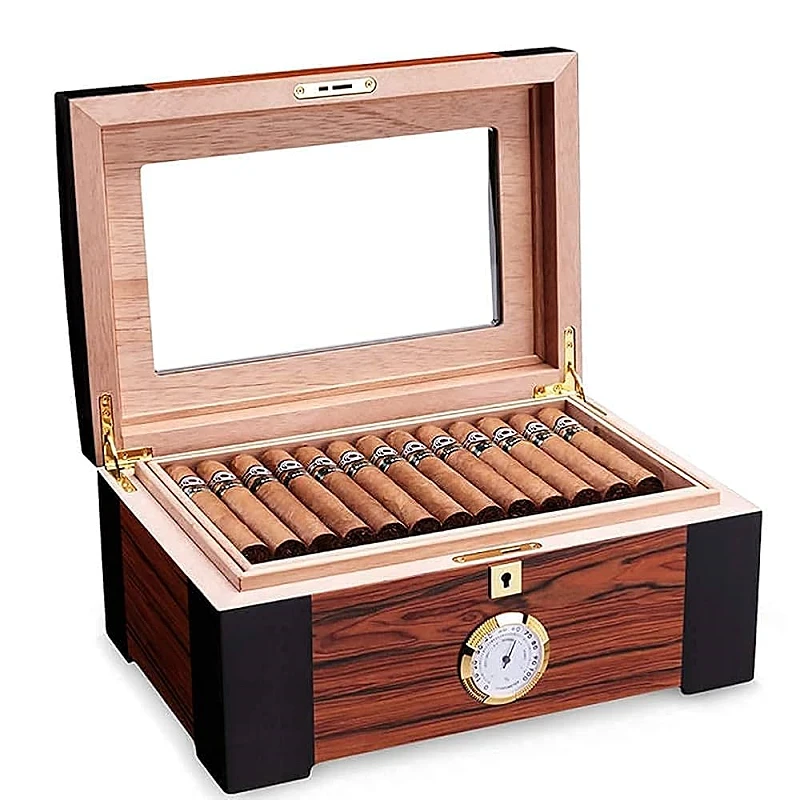
Some people think adding air holes to a cigar box helps cigars breathe. Others say it ruins humidity control. Who's right?
A cigar box should not have visible ventilation holes. Properly designed structures use micro-gaps and breathable materials to balance humidity without sacrificing airflow.
Ventilation sounds logical—but for cigars, too much airflow means unstable moisture. On the other hand, a 100% airtight box has its own risks. Let’s look at how to get this balance right.
Why might ventilation be considered in a cigar wooden box design?

Some designers believe that cigars need fresh air to age properly. Others think ventilation prevents mold or helps the humidor “breathe.”
Ventilation is considered to improve air exchange, avoid stale conditions, and reduce the risk of mold. But in cigar boxes, it must be handled very carefully.
Cigars are organic. They contain oils, live tobacco leaves, and moisture. Some airflow helps age them gently. But too much airflow dries them out.
That’s why some cheaper boxes include holes in the corners or bottom. However, we’ve tested these, and in most cases, the ventilation speeds up humidity loss far too quickly.
Common Arguments for Ventilation:
| Grund | Truth Behind It |
|---|---|
| Prevents mold | Only if excess moisture is already present |
| Helps aging | True—but very minimal airflow is enough |
| Avoids “musty” smell | Not a problem in Spanish cedar-lined boxes |
| Cools box internally | Not needed with stable room temperature |
Ventilation might be useful in humidors with electronic systems, but for handcrafted wooden boxes, it’s not necessary—and usually harmful.
How does too much airflow affect humidity stability inside the box?

Airflow seems harmless—until it pulls out the moisture your cigars need to survive. A poorly sealed box can lose humidity in just hours.
Too much airflow causes fast humidity drop, leading to dry cigars, cracked wrappers, and loss of flavor.
Air constantly tries to balance pressure. So if your cigar box has even small holes, dry outside air will pull moisture out faster than the humidifier can replace it.
We’ve tested this by making identical boxes, one with a 2mm vent hole. Over 5 days:
- The box with no hole stayed within ±2% RH.
- The box with a vent hole dropped by 12% RH, even with a Boveda pack.
Cigars stored in the ventilated box became visibly drier, with rough textures and lighter weight.
What risks come from a completely airtight cigar box?

If airflow is bad, maybe we should go 100% airtight? Not so fast. A fully sealed box comes with its own problems.
Completely airtight boxes can trap excess moisture, leading to condensation, mold, or a lack of gentle cigar aging.
Humidity inside the box comes from either humidifiers or the cigars themselves. If it's trapped with no air exchange at all, and there's too much moisture, mold growth can begin. Also, the tobacco aging process slows down without any gas exchange.
Common Airtight Box Issues:
| Problem | Ursache |
|---|---|
| Condensation | No ventilation + high internal moisture |
| Mold Formation | Humidity above 75% with no airflow |
| Harsh Aroma | Stale air not circulating |
| No Aging Progress | No oxygen to support flavor development |
In practice, even the most “airtight” wooden box is never truly airtight. Wood breathes. The seams allow microscopic exchange. That’s often enough.
How can micro-gaps or natural wood breathability replace visible vents?
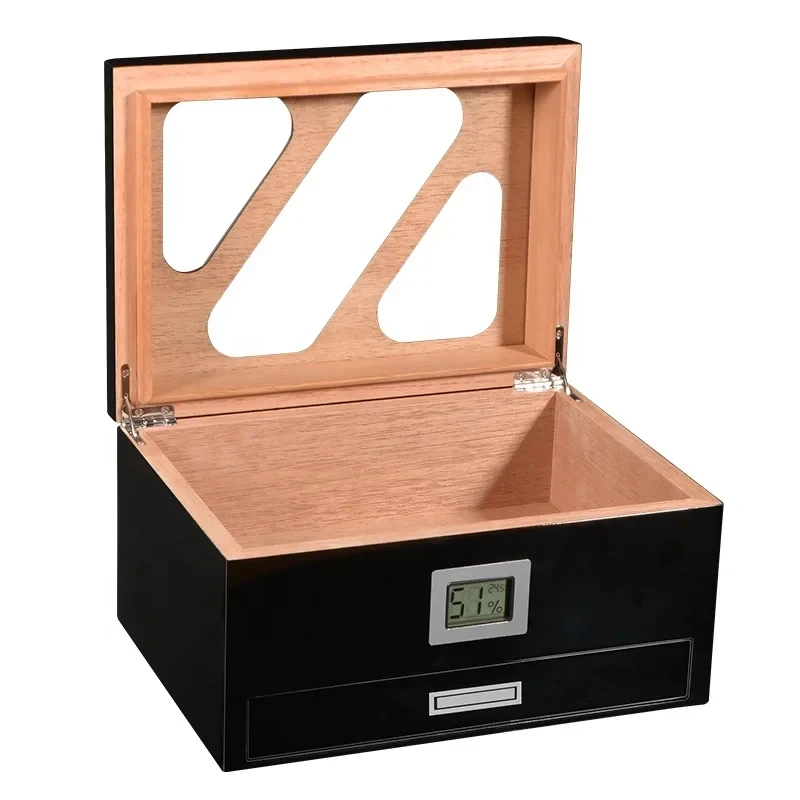
Instead of drilling holes or adding vents, premium boxes rely on the natural breathability of materials and controlled fitting.
Precision-fit lids and porous woods like Spanish cedar allow just enough air exchange to avoid over-sealing while still retaining humidity.
We call this “passive ventilation.” It's subtle but effective. Micro-gaps between the lid and box—typically less than 0.3mm—offer the right balance.
Natural Ventilation Techniques:
| Methode | Zweck |
|---|---|
| Thin Lid Clearance (0.2–0.3mm) | Allows slow air exchange |
| Spanish Cedar Lining (3–5mm) | Absorbs/releases moisture naturally |
| Box Joinery with Overlap Design | Seals tightly but not 100% locked |
When we build humidors for long-term aging, we avoid mechanical vents entirely. Instead, we build the lid to “float” on a velvet-lined seal with slight pressure. This is enough to maintain consistent humidity without making the box feel like Tupperware.
What design strategies help balance moisture retention with minimal airflow?
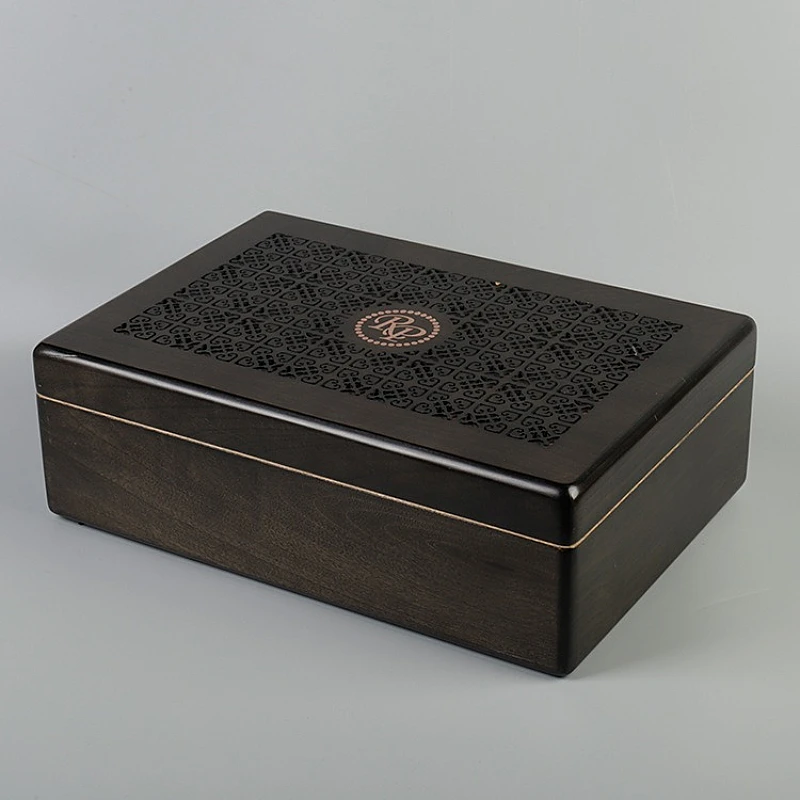
The key is to slow moisture loss—not eliminate all air movement. Smart design choices help keep humidity stable for weeks or months.
Layered sealing, breathable lining, and optimal lid pressure work together to balance air control in a wooden cigar box.
These strategies are not obvious at first glance, but they’re baked into the way high-end boxes are built.
Effective Design Tactics:
1. Overlapping Lid Design
The lid drops slightly into the box structure, creating a natural pressure point around the edge. It minimizes airflow while still allowing manual opening.
2. Cedar Interior Lining
Spanish cedar isn’t just aromatic. Its capillary structure absorbs and releases water vapor as needed, providing dynamic moisture control.
3. Velvet or PU Gasket Strip
These materials, added around the contact edge, act like soft seals. They close tiny gaps while adding a premium feel.
4. Magnetic Assistance
Hidden neodymium magnets give just enough force to press the lid down firmly without locking it shut. This enhances the seal without sacrificing user experience.
Every part of the structure contributes to the final balance. That’s why when clients ask, “Should I add vent holes?”—I always say: build smarter, not leakier.
How do cigar experts test whether the box achieves the right balance?
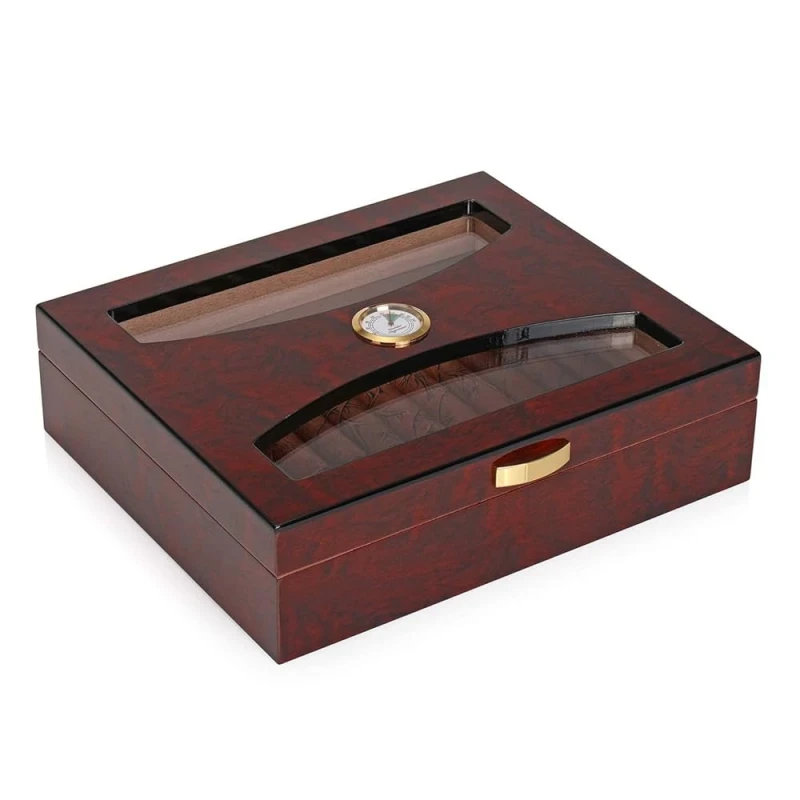
You can’t see airflow, but you can measure its effects. Cigar professionals use long-term humidity tracking to evaluate a box’s performance.
The best way to test airflow balance is by sealing the box with a humidity pack and measuring stability over time in different environments.
Here’s our standard testing process at WoodoBox:
Step-by-Step Testing Protocol:
-
Insert 69% Boveda Pack
- Place it alongside cigars or cedar blocks.
-
Add a Digital Hygrometer
- Ensure accuracy to ±1% RH.
-
Seal the Box
- Let it sit in a room with 45–55% RH.
-
Log Internal RH Over 7 Days
- Ideal variation: ±2–3%.
-
Open and Close Test
- Check how RH recovers after 1-minute opening.
-
Compare to Control Box
- Use an identical box with known performance for reference.
If humidity stays stable and recovers quickly after short openings, the airflow balance is correct. If it drops too fast—or climbs over 75%—there’s a sealing issue.
We also sometimes use fog tracing (like with electronic humidors), but for wooden boxes, the best test is real-time RH monitoring under normal storage conditions.
Schlussfolgerung
No vents. No holes. Just intelligent design. A premium cigar box should breathe gently—through materials and fit—not through open gaps.
Markenname: WoodoBox
Slogan: Maßgefertigte Holzkisten, handwerklich perfekt gefertigt
Website: www.woodobox.com
WhatsApp: +86 18359265311




 Deutsch
  English
  Español
  Português
  Français
  Italiano
  العربية