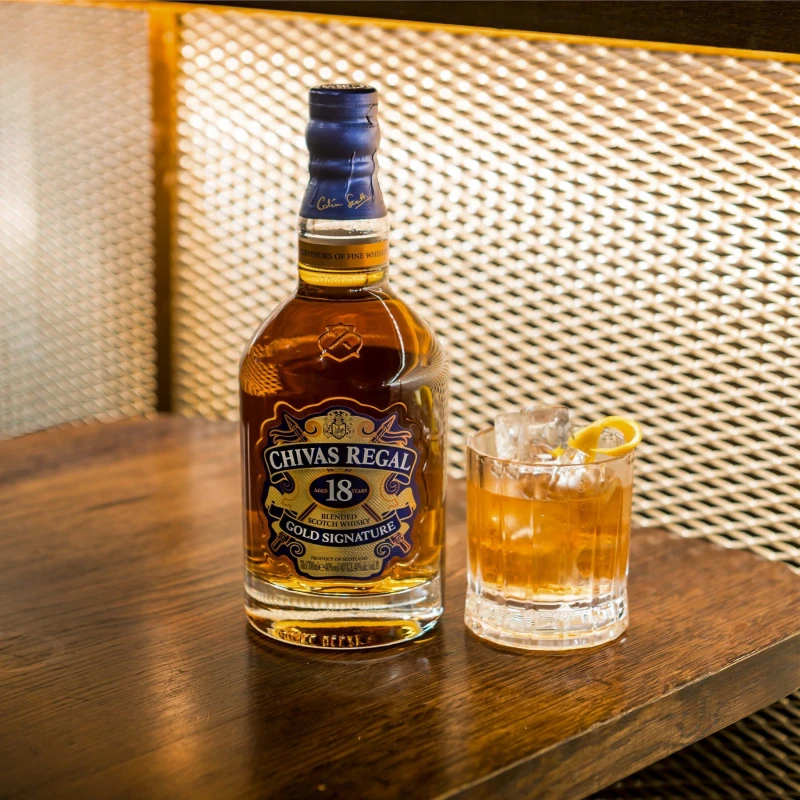
Many people look at the alcohol percentage on a whisky label and assume higher means stronger, better, or more premium. This assumption often creates confusion and unnecessary pressure.
Most whiskies contain between 40% and 46% alcohol by volume (ABV), a range chosen to balance flavor, aroma, and drinkability rather than to impress with strength.
From my 15+ years working with premium brands, I’ve learned that numbers alone never define quality. Context always matters more.
What is the typical alcohol percentage (ABV) of most whiskies?
This is the starting point for understanding whisky strength.
The typical alcohol percentage of most whiskies falls between 40% and 46% ABV.
Why this range is so common
Most whiskies are bottled within this range because it allows:
- clear aroma expression
- balanced mouthfeel
- manageable alcohol intensity
This is where whisky feels expressive without being aggressive.
Legal minimum matters
In many countries, whisky must be bottled at no less than 40% ABV. This has become a global reference point.
Anything below that loses structure and identity.
Common bottling strengths you’ll see
| ABV | What it usually means |
|---|---|
| 40% | standard, widely approachable |
| 43% | slightly richer, more body |
| 46% | fuller texture, stronger aroma |
None of these automatically signal quality. They signal style.
My professional comparison
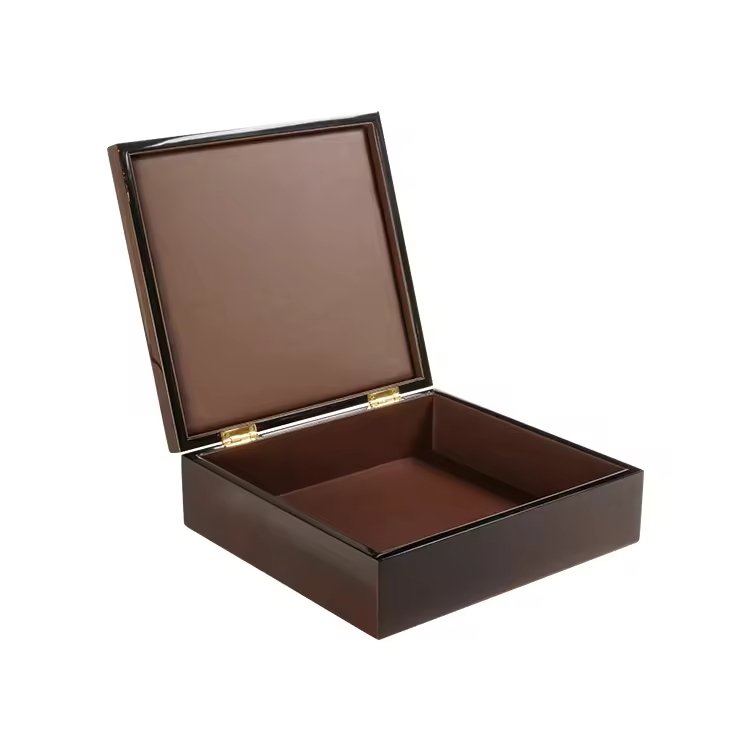
In wooden box manufacturing, thickness alone does not define strength. Proportion does. Whisky ABV works the same way.
Why do many whiskies sit around 40% alcohol?
This number is not accidental or lazy.
40% ABV is widely used because it is the point where whisky remains stable, flavorful, and accessible to most drinkers.
Balance is the goal
At around 40% ABV:
- alcohol supports flavor instead of dominating it
- aromas are easy to detect
- the burn is controlled
This makes whisky enjoyable for a wide audience.
History and practicality
Historically, 40% became a standard because:
- it preserved whisky well
- it traveled safely
- it appealed to broad markets
Standards survive because they work.
What happens below 40%
Below 40% ABV, whisky often:
- tastes thin
- loses aroma quickly
- feels diluted
This is why producers rarely go lower.
My industry parallel
In premium packaging, minimum thickness protects structure. 40% ABV protects whisky identity.
What is cask strength whisky, and why is its alcohol content higher?
This is where things become more intense.
Cask strength whisky is bottled at the strength it naturally reaches in the barrel, often between 50% and 65% ABV.
What “cask strength” really means
Cask strength whisky:
- is not diluted with water before bottling
- reflects barrel conditions directly
- shows raw intensity
It is whisky in its most concentrated form.
Why the alcohol is higher
Alcohol percentage increases during aging due to:
- evaporation
- climate
- barrel interaction
In some regions, alcohol rises rather than falls.
How it feels different
Cask strength whisky often feels:
- bold
- powerful
- intense
It demands attention and care.
Not beginner-focused by design
These whiskies are often aimed at experienced drinkers who enjoy adjusting strength with water.
My craftsmanship analogy
In my workshop, raw materials are powerful but unforgiving. Cask strength whisky is the same. It offers potential, not comfort.
Does higher alcohol percentage mean better quality whisky?
This is one of the most common misconceptions.
Higher alcohol percentage does not mean better quality; it simply means a different style and experience.
What quality really depends on
Whisky quality depends on:
- grain quality
- fermentation
- distillation control
- barrel selection
- aging decisions
ABV is only one variable.
Why high ABV gets attention
Higher numbers feel impressive. They suggest strength and intensity. But intensity is not the same as balance.
When higher ABV works
Higher ABV works well when:
- the whisky has depth
- alcohol is integrated
- the drinker adjusts with water
Without balance, strength becomes noise.
A simple truth
| ABV | Quality Indicator |
|---|---|
| Niedrig | not guaranteed |
| Mittel | not guaranteed |
| Hoch | not guaranteed |
Quality is built, not measured.
My professional mindset
In premium manufacturing, adding more material never guarantees better results. Control does.
How should alcohol strength influence how you drink whisky?
This is where knowledge becomes practical.
Alcohol strength should guide how slowly you drink, whether you add water, and how you approach the experience—not how you judge the whisky.
Adjusting your approach
- Lower ABV: easier sipping, more casual
- Higher ABV: slower pace, smaller sips
There is no need to rush.
Water is a tool, not a mistake
Adding water:
- reduces alcohol bite
- opens aroma
- improves balance
This is a normal and respected practice.
Matching strength to moment
Not every moment needs intensity. Some evenings call for calm, others for exploration.
Meine persönliche Gewohnheit
I let the whisky tell me what it needs. If alcohol dominates, I adjust. That’s respect, not weakness.
The real purpose of ABV
ABV is information, not a challenge.
Schlussfolgerung
Most whiskies sit around 40–46% ABV because balance matters more than strength. Higher alcohol offers intensity, not superiority. Understanding ABV helps you drink whisky with confidence, control, and enjoyment.
WoodoBox
Maßgefertigte Holzkisten, handwerklich perfekt gefertigt

 Deutsch
  English
  Español
  Português
  Français
  Italiano
  العربية