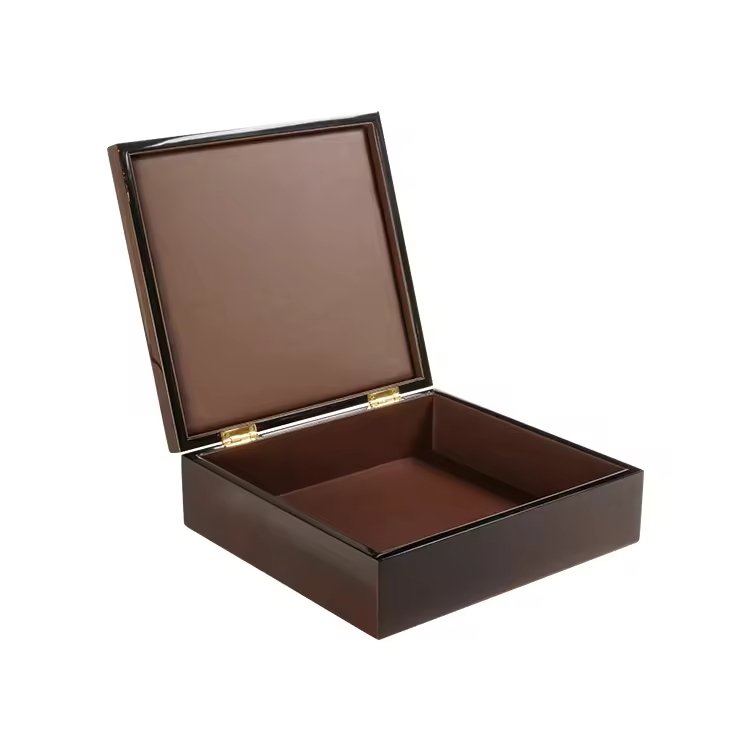
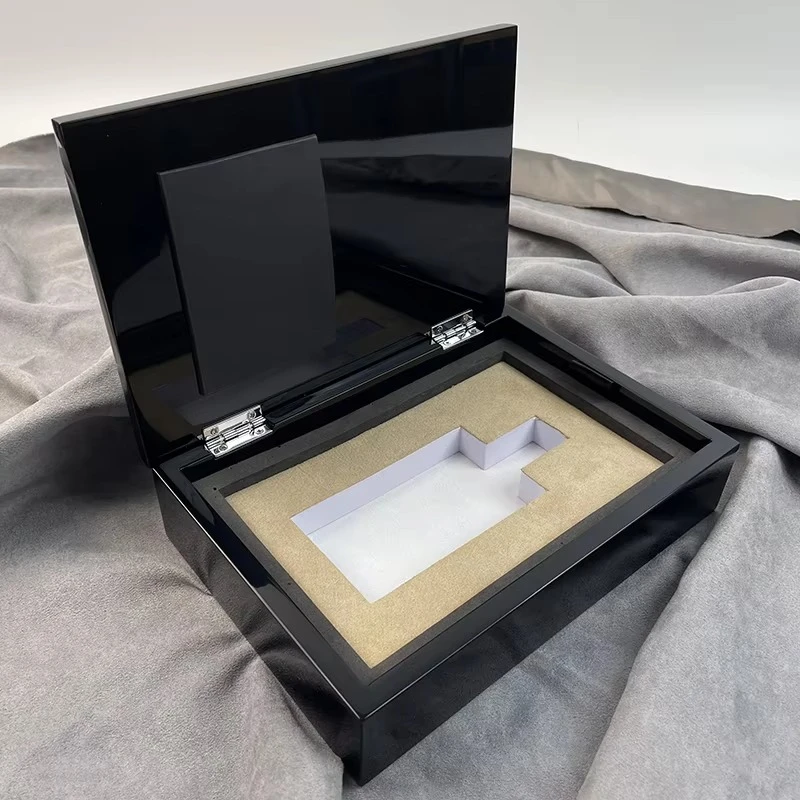
In many global markets, brands lose sales not because their fragrance is weak, but because their packaging fails to show respect, effort, and status.
Some markets value handcrafted packaging over fragrance because packaging is visible, permanent, and socially readable, while scent is private, temporary, and harder to judge.
I have worked with perfume brands for more than fifteen years. I design and produce high-end handcrafted wooden boxes for global buyers. Over time, I learned that value is not universal. It is cultural. And packaging often speaks louder than scent.
Why does cultural tradition place higher value on the object than the consumable?
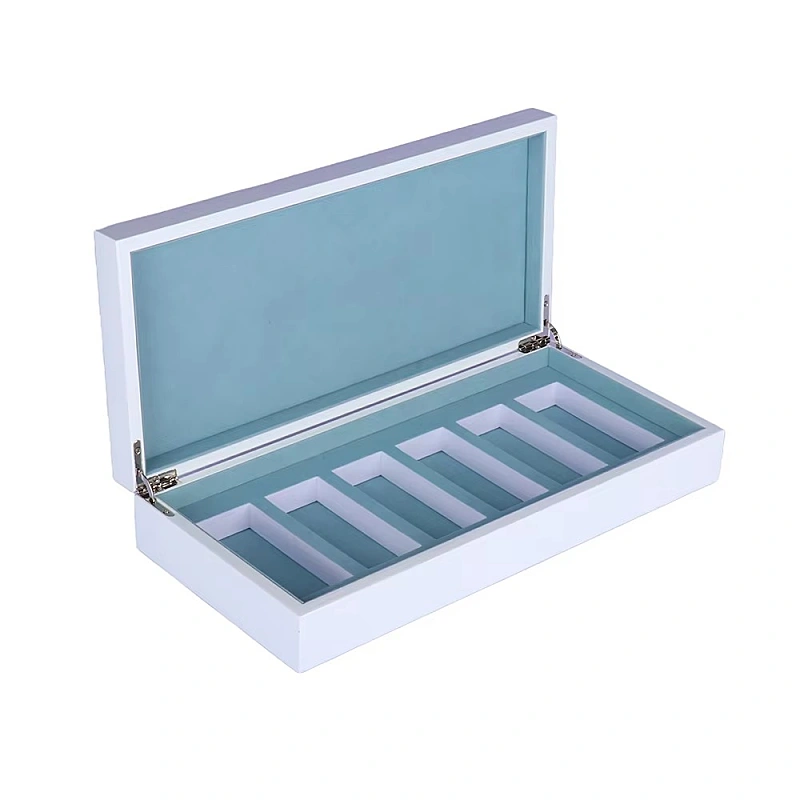
In gift-centered cultures, brands often misunderstand what people truly evaluate when they receive a product.
In many cultures, the physical object carries cultural weight because it represents effort, intention, and respect in a way consumables cannot.
I learned this lesson early when working with Middle Eastern and East Asian clients. In these markets, gifts are not only about use. They are about meaning. A consumable product disappears. The object stays. This changes how people judge value.
Objects as carriers of tradition
In many traditional societies, objects have always been used to record meaning. Jewelry, boxes, furniture, and tools last for years. They carry memory. Consumables like food, drink, or perfume were never expected to hold meaning on their own.
When perfume entered these cultures, it followed existing rules. The liquid became secondary. The container became the cultural anchor.
Why the box comes first
When a gift is exchanged, several things happen at once:
- The giver shows effort
- The receiver evaluates sincerity
- Others may observe the exchange
The box is present in all three moments. The scent is not.
I often explain this to Western brand owners using a simple idea. You can hide poor fragrance for a while. You cannot hide poor packaging for even one second.
Cultural logic behind permanence
In cultures that value lineage and memory, permanence equals value. A wooden box can be reused. It can be displayed. It can be passed down. This matters.
Below is a simplified comparison I often share with clients:
| Element | Duft | Handcrafted Box |
|---|---|---|
| Visibility | Private | Public |
| Dauer | Temporary | Long-term |
| Cultural Signal | Schwach | Stark |
| Memory Value | Niedrig | Hoch |
From my experience, cultural tradition does not reject fragrance. It simply ranks objects higher because objects survive time.
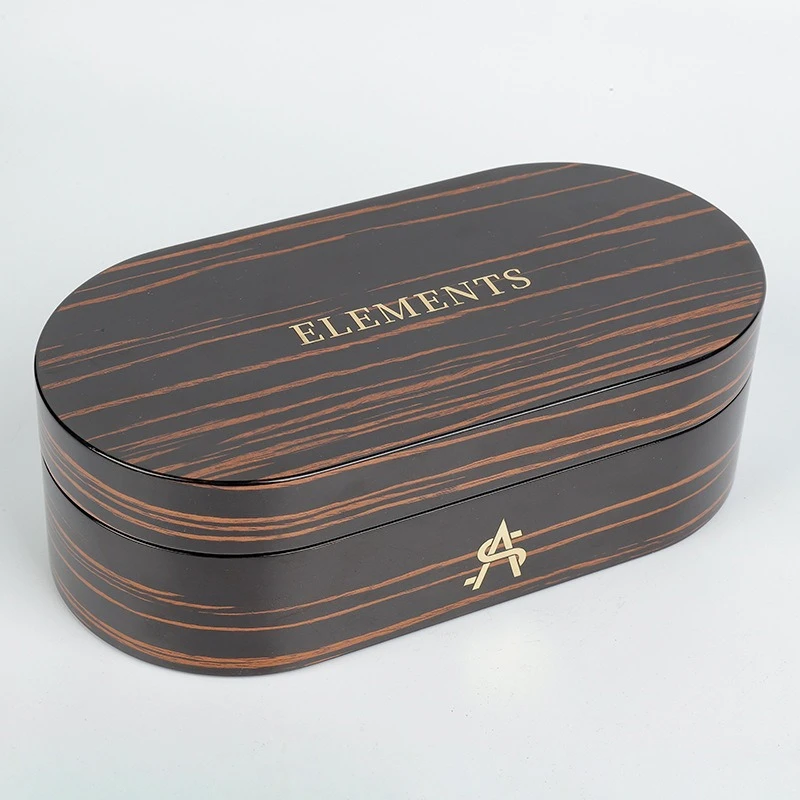
Many buyers think packaging protects the product. In gift-driven markets, packaging performs a social role.
Handcrafted packaging works as a visible social signal that communicates status, sincerity, and effort without words.
I have seen this repeatedly in Saudi Arabia, UAE, and similar regions. People do not explain why a gift is valuable. The box explains it for them.
Packaging as silent language
In high-context cultures, people avoid direct statements. They rely on symbols. Packaging becomes one of those symbols.
A handcrafted wooden box says:
- This was not rushed
- This was not cheap
- This was chosen carefully
Mass-produced packaging sends the opposite message. Even if the fragrance inside is excellent, the signal feels weak.
The role of craftsmanship
Craftsmanship matters because it implies human involvement. Slight variations in wood grain. Hand-polished lacquer. Subtle weight. These details suggest time and labor.
I often tell clients that perfection is not always the goal. Evidence of human work builds trust.
Social exposure after gifting
Another overlooked point is what happens after the gift is given. In many cultures, gifts are displayed. Visitors see them. Family members see them.
The box remains visible long after the scent is gone.
Here is how social signaling plays out over time:
| Bühne | What People See |
|---|---|
| Gift exchange | Box design and finish |
| Short-term | Box during use |
| Long-term | Box as display object |
The fragrance fades from memory. The box stays in the room.
From my experience, handcrafted packaging does not just protect fragrance. It protects social reputation.
Why do some buyers trust craftsmanship more than invisible product quality?
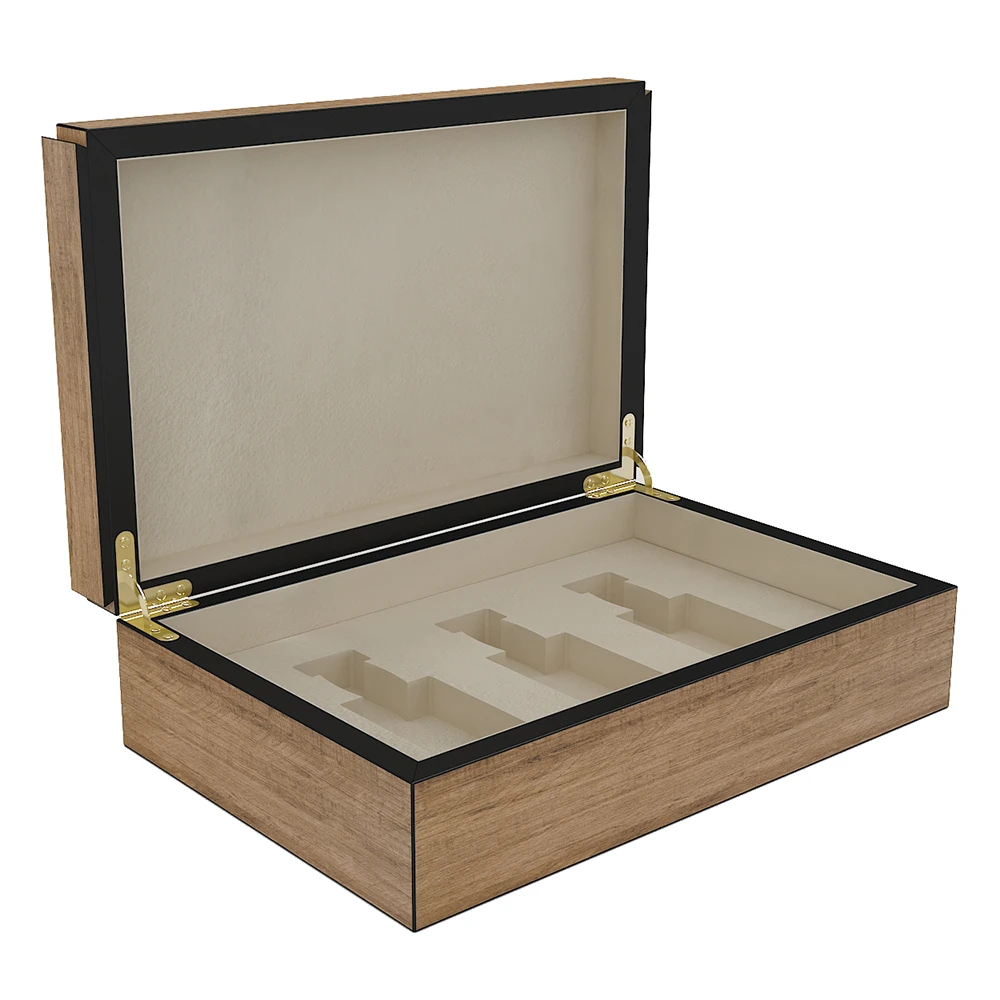
Many buyers are not fragrance experts. They still need a way to judge quality.
Craftsmanship becomes a trusted proxy for quality because it is visible, understandable, and easier to evaluate than scent.
I see this clearly when working with first-time buyers or gift buyers. They do not know how to judge fragrance notes. But they know how to judge a box.
The problem with invisible quality
Fragrance quality requires training. It requires experience. It also requires time.
Packaging quality can be judged instantly.
People trust what they can see and touch.
How buyers make decisions
In many cases, buyers use simple logic:
- If the box is carefully made, the brand must care
- If the brand cares, the product is likely good
This is not scientific. It is human.
Craft as proof of seriousness
Handcrafted packaging signals investment. It shows that the brand spent money before making money.
I have seen buyers pay more without smelling the fragrance simply because the box felt right.
Here is how buyers often interpret signals:
| Signal | Buyer Interpretation |
|---|---|
| Thick wood | Dauerhaftigkeit |
| Smooth lacquer | Präzision |
| Clean joints | Skill |
| Gewicht | Wert |
None of these relate to scent. Yet they influence buying decisions.
Trust transfer effect
One of the strongest effects I observe is trust transfer. Buyers transfer trust from the box to the fragrance.
If the packaging feels cheap, buyers doubt the liquid. If the box feels premium, buyers assume quality.
From my experience, craftsmanship reduces uncertainty. In uncertain situations, visible quality always wins.
How does permanence outweigh sensory experience in certain cultures?
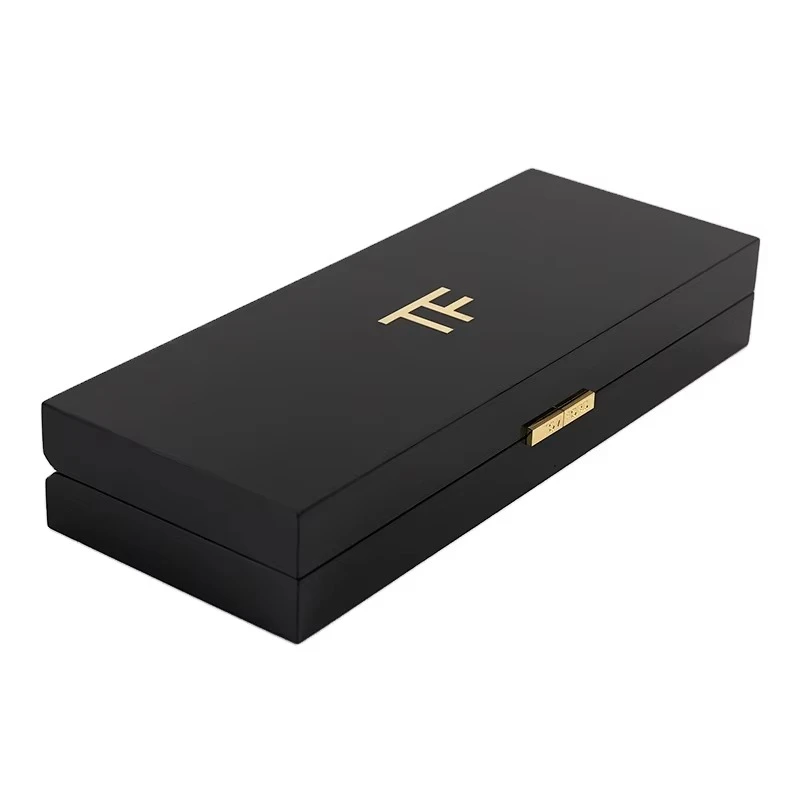
Sensory experiences are powerful. But they disappear. Some cultures value what remains.
Permanence outweighs sensory experience because lasting objects create memory, identity, and continuity beyond the moment of use.
I often explain this difference using a simple idea. Smell exists in time. Objects exist in space.
Cultural focus on legacy
In many regions, people value items that can stay with them. They value things that can be kept, reused, or shown.
Perfume is finished in weeks or months. A wooden box can last decades.
Emotional attachment to objects
People form emotional bonds with objects that stay in their environment. A box on a shelf becomes part of daily life.
The scent is remembered. The box is seen.
Reuse and reinterpretation
I have seen customers reuse perfume boxes as:
- Schmuckaufbewahrung
- Document boxes
- Display pieces
This reuse extends the emotional life of the product.
Here is how permanence affects value perception:
| Faktor | Duft | Holzkiste |
|---|---|---|
| Lebensdauer | Kurz | Lang |
| Reuse | Nein | Ja |
| Anzeige | Seltene | Gemeinsame |
| Memory Trigger | Schwach | Stark |
The box becomes part of the home. The scent becomes part of the past.
From my experience, permanence gives packaging a role beyond protection. It becomes a memory object.
Why does handcrafted packaging carry more emotional and symbolic value than scent?
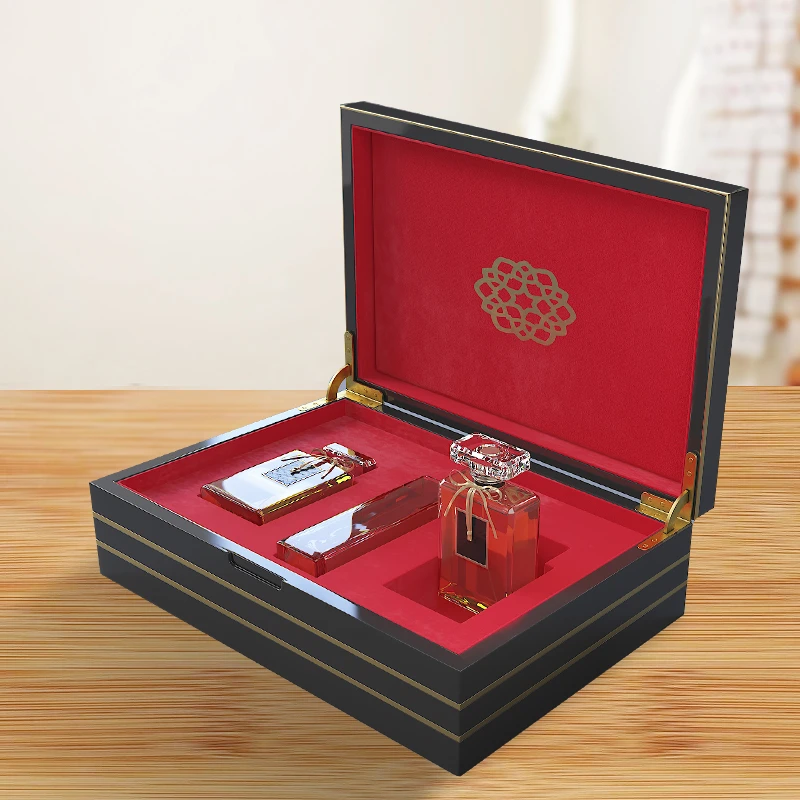
Emotion is not only about sensation. It is also about meaning.
Handcrafted packaging carries emotional and symbolic value because it represents time, skill, and respect in physical form.
I often say that scent touches emotion. Craftsmanship explains emotion.
Symbolism of handmade work
Handcrafted items symbolize patience. They show that someone slowed down.
In fast-moving markets, slowness feels valuable.
Respect shown through materials
Wood has cultural meaning. It comes from nature. It ages. It changes.
When a brand uses real wood and careful finishing, it shows respect for material. This respect transfers to the receiver.
Imperfection as emotional trigger
Perfect symmetry feels industrial. Small imperfections feel human.
I have seen buyers respond emotionally to tiny details like hand-polished edges or visible grain variation.
Emotional hierarchy in gifting
In gift culture, emotion follows structure:
- Respect
- Effort
- Bedeutung
- Vergnügen
Scent delivers pleasure. Packaging delivers respect and effort.
That is why packaging often ranks higher emotionally.
From my experience, handcrafted packaging does not replace fragrance. It frames it emotionally.
Schlussfolgerung
Handcrafted packaging carries visible respect, lasting presence, and cultural meaning, which is why some markets value the box more than the scent itself.
Markenname: WoodoBox
Slogan: Maßgefertigte Holzkisten, handwerklich perfekt gefertigt

 Deutsch
  English
  Español
  Português
  Français
  Italiano
  العربية