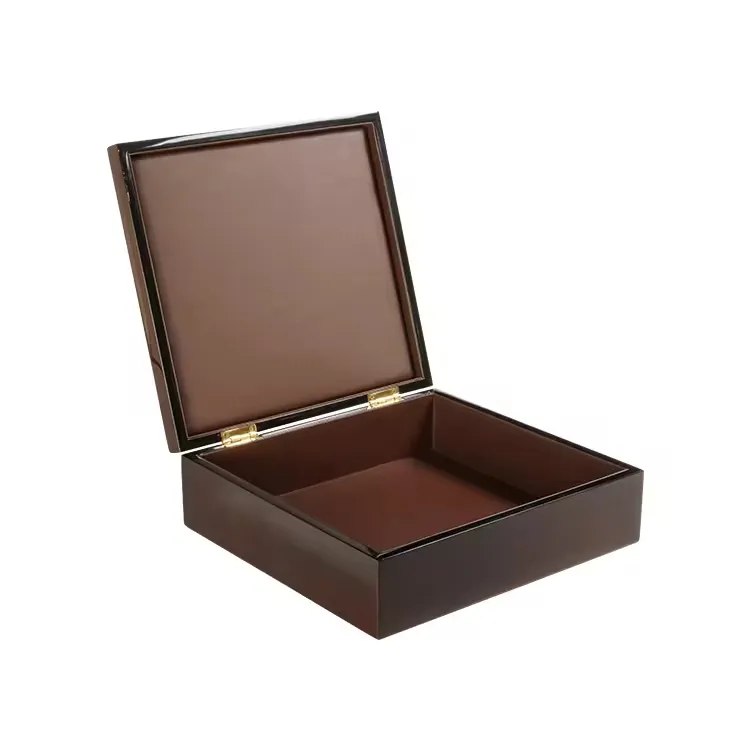
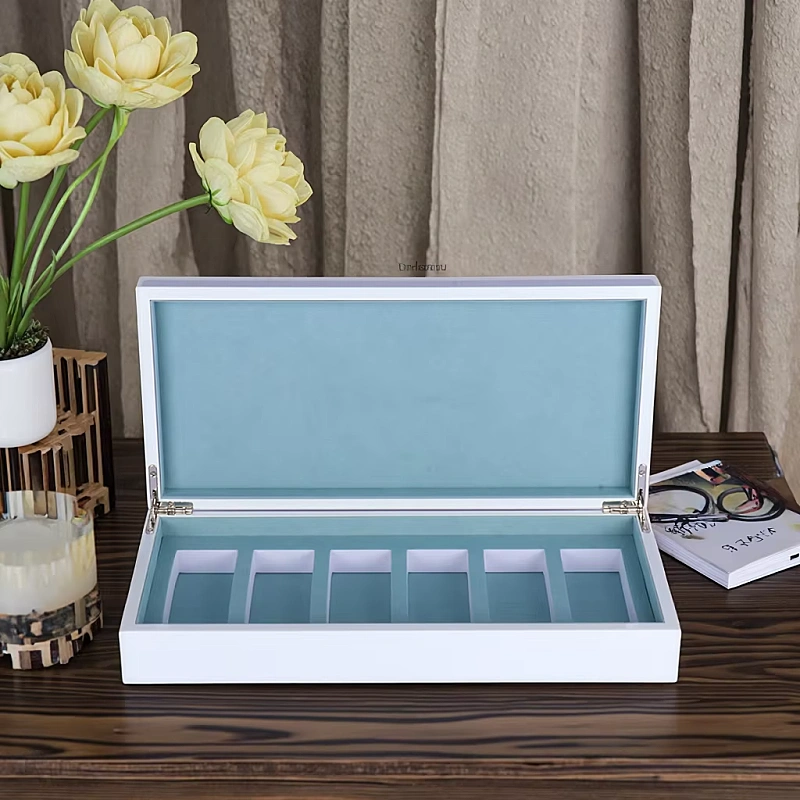
I often see brands underestimate how much packaging affects long-term value. That mistake quietly kills collectibility before it even begins.
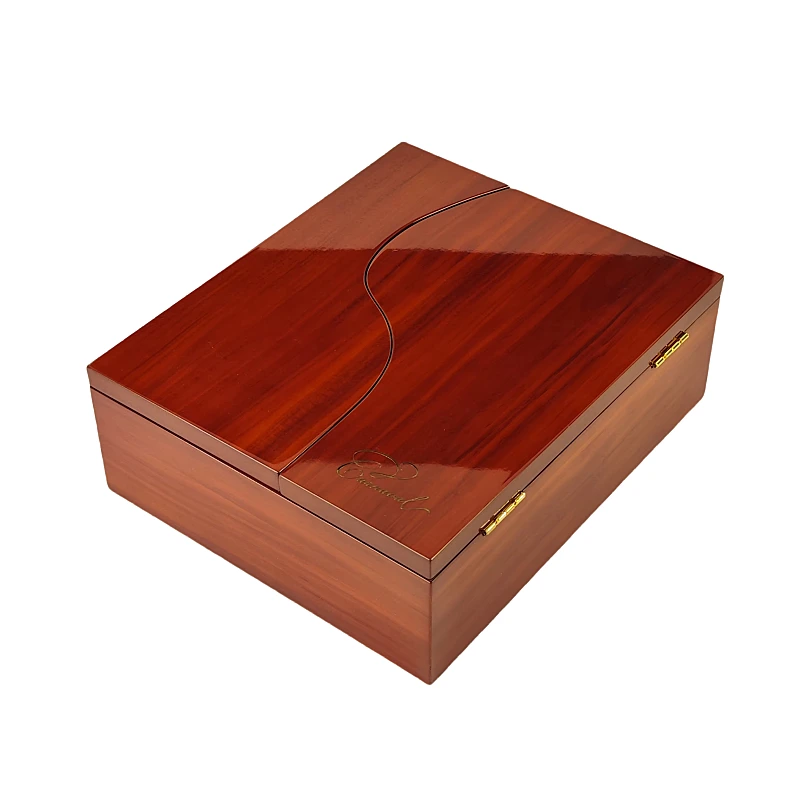
A wooden perfume box is more collectible because it signals permanence, protects better, ages with dignity, and becomes part of the object itself rather than disposable packaging.
I have spent more than 15 years designing and manufacturing high-end wooden boxes for perfume brands. I also speak often with collectors. Over time, one pattern is very clear. Collectibility always starts with the assumption that something was meant to last.
Why does material permanence define collectibility from the start?
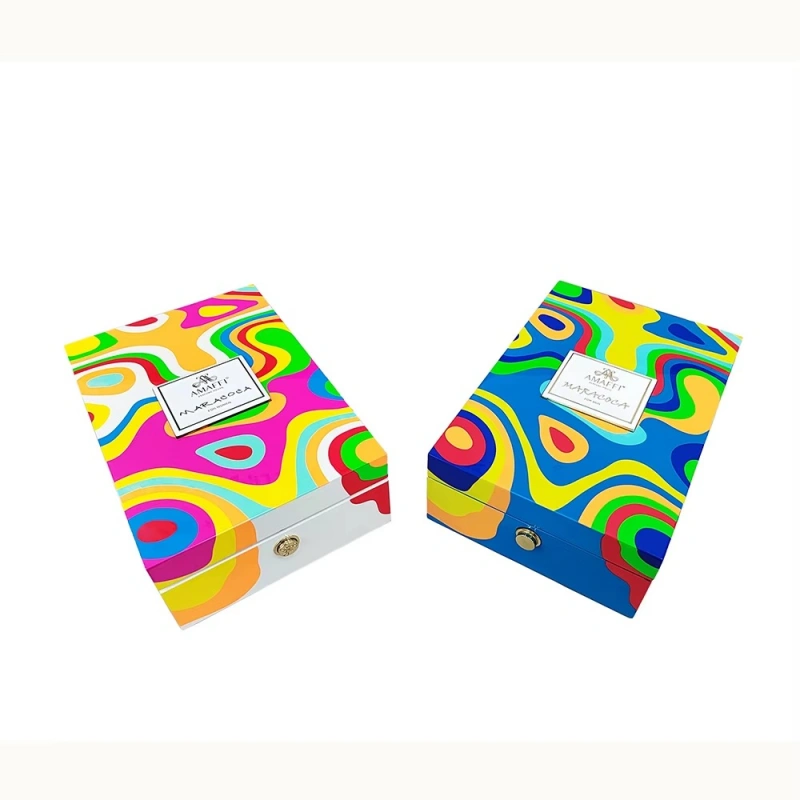
Collectors feel disappointed when packaging fails over time. That disappointment often starts with material choice, not design.
Material permanence defines collectibility because collectors only trust objects that were designed to survive time, handling, and storage without structural failure.
The first signal collectors read
When I hand a wooden perfume box to a buyer, the reaction is immediate. They touch it. They lift it slowly. They already assume weight equals value. Cardboard never gets this reaction. Even rigid cardboard feels light. That lightness tells the collector one thing. This was made for transport and display, not for life.
Cardboard is engineered for efficiency. It is optimized for printing, folding, shipping, and disposal. That is not a criticism. It does its job well. But collectibility demands a different goal. It demands resistance to time.
Wood is chosen for permanence. Even MDF with veneer still carries this message. It does not bend easily. It does not collapse under pressure. It does not feel temporary in the hand. From my production side, this choice already separates mass packaging from archival packaging.
Permanence as a mindset match
Collectors think long-term by nature. They buy today for tomorrow. They store, document, and preserve. When packaging is made from cardboard, it conflicts with their mindset. They feel they must compensate by adding outer cases or controlled storage.
With wood, the mindset aligns. The box already assumes care. This alignment builds trust before the bottle is even opened.
Comparison of material intent
| Material | Intended Lifespan | Sammler-Wahrnehmung | Strukturelle Stabilität |
|---|---|---|---|
| Pappe | Short-term | Disposable | Niedrig |
| Holz | Long-term | Archival | Hoch |
From my experience, once permanence is missing, collectibility struggles to grow later. You cannot add permanence after the fact.
How does wood communicate intention and long-term value better than cardboard?
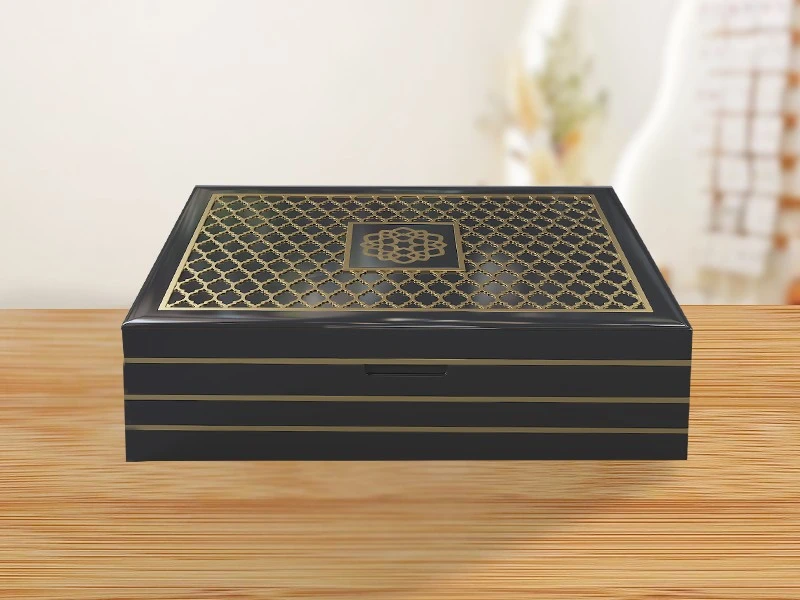
Many brands ask me why collectors react emotionally to wooden boxes. The answer is not decoration. It is intention.
Wood communicates intention because it shows that the brand planned for longevity, not just for shelf impact or short-term sales.
Intention is visible without explanation
A wooden box does not need a story card to explain itself. The material already speaks. It tells the collector that someone invested more time, more cost, and more thought.
Cardboard relies heavily on graphics. Once colors fade or corners soften, its message disappears. Wood relies on structure and mass. Even without printing, it keeps its voice.
Cost is not the point, commitment is
Many people think wood equals expensive. That is not always true. But collectors do not calculate cost per unit. They read commitment. When a brand selects wood, it commits to slower production, tighter tolerances, and more manual steps.
I know this because I manage these steps daily. Wood requires sanding, sealing, coating, curing, and inspection. Each step adds time. Collectors sense this effort even if they do not know the process.
Long-term value signals
Wood also signals that replacement was not expected. Cardboard suggests that once damaged, it can be replaced or ignored. Wood suggests that repair, care, and preservation are part of the product life.
This difference matters deeply in the secondary market. Auction descriptions rarely highlight cardboard boxes. Wooden boxes are described in detail.
Material language comparison
| Aspekt | Cardboard Message | Wooden Box Message |
|---|---|---|
| Brand intent | Retail-focused | Legacy-focused |
| Expected lifespan | Begrenzt | Lang |
| Emotional weight | Niedrig | Hoch |
| Resale description | Often omitted | Actively detailed |
In my experience, intention is the foundation of perceived value. Wood makes that intention visible.
Why do collectors trust wooden boxes more as proof of preservation?
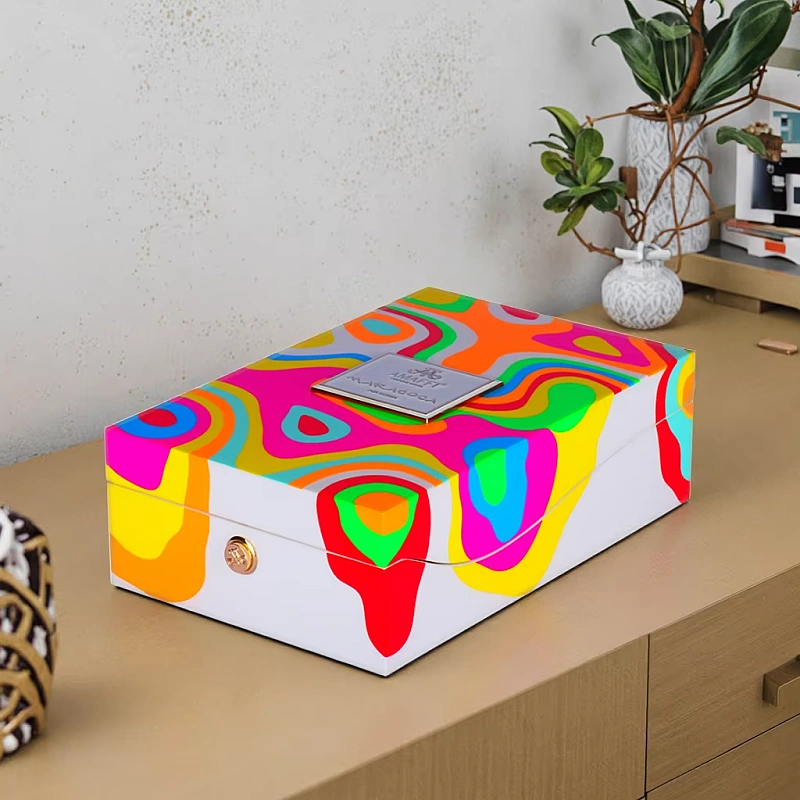
Collectors worry about one thing more than design. They worry about condition.
Collectors trust wooden boxes because they provide stronger physical protection and suggest that the perfume inside aged under better conditions.
Protection beyond appearance
A wooden box protects against compression. It protects against accidental impact. It also offers better insulation from temperature shifts and light exposure.
Cardboard weakens over time. Humidity softens it. Weight deforms it. Even when stored carefully, it slowly fails. Collectors see this failure and assume risk.
Assumptions matter in resale
In private sales and auctions, buyers often decide before inspecting the liquid. Packaging influences that decision. When they see a wooden box, they assume controlled storage. When they see cardboard, they assume exposure risk.
I have witnessed deals where the bottle was never tested. The wooden box alone created confidence.
Trust through structure
Wood closes tightly. Hinges align. Lids sit flat. This precision reassures collectors. Cardboard flaps loosen. Edges warp. These small failures create doubt.
Preservation comparison
| Preservation Factor | Cardboard Box | Holzkiste |
|---|---|---|
| Stoßfestigkeit | Niedrig | Hoch |
| Humidity tolerance | Schlecht | Better |
| Structural longevity | Schwach | Stark |
| Vertrauen der Sammler | Niedrig | Hoch |
Trust is not about guarantees. It is about probability. Wooden boxes raise the probability that preservation was taken seriously.
How does aging behavior affect collectible status over time?
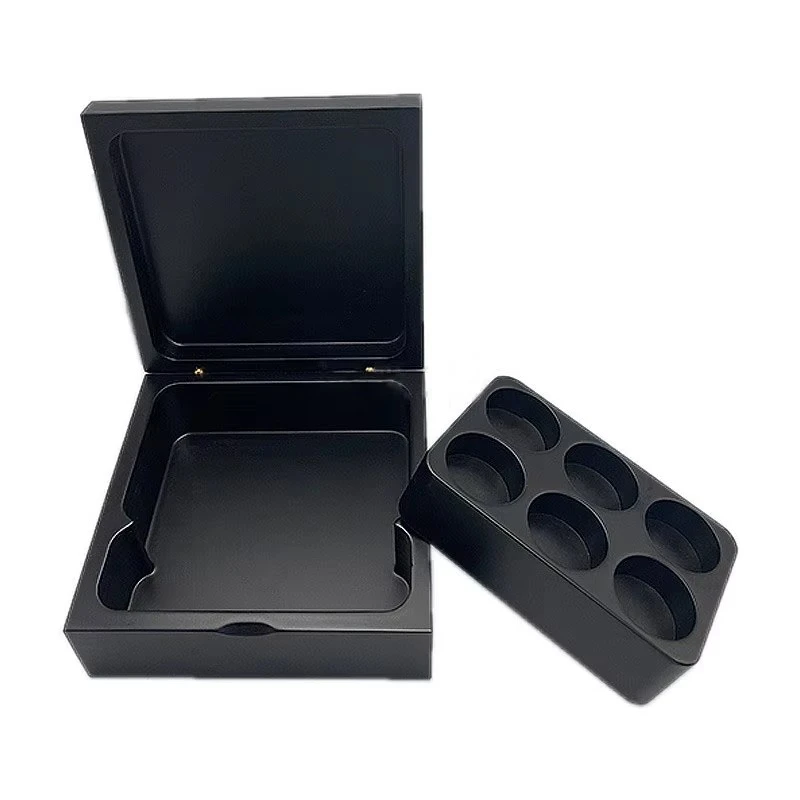
Time is unavoidable. How packaging reacts to time defines its future value.
Aging behavior affects collectibility because collectors accept graceful aging but reject visible deterioration.
Cardboard shows damage, wood shows age
Cardboard fades unevenly. It creases. It absorbs stains. These signs look like neglect even when storage was careful.
Wood develops patina. Color deepens. Minor marks appear. These signs resemble furniture and instruments. Collectors are familiar with this language.
Psychological acceptance of wear
Collectors forgive wear when it feels natural. They do not forgive collapse. Wood rarely collapses. Cardboard often does.
I have seen wooden boxes from decades ago that still close perfectly. I rarely see cardboard boxes older than ten years without deformation.
Aging and storytelling
Wood carries history. Each mark feels like a chapter. Cardboard carries damage. Each mark feels like loss.
This difference changes how collectors talk about the item. Wood invites storytelling. Cardboard invites apology.
Aging comparison table
| Aging Aspect | Cardboard Outcome | Wood Outcome |
|---|---|---|
| Visual change | Degradation | Patina |
| Structural change | Weakening | Stabilität |
| Collector reaction | Negative | Neutral or positive |
Collectibility grows with time only if aging adds character instead of subtracting integrity.
Why does a wooden box become part of the collectible—not just the container?
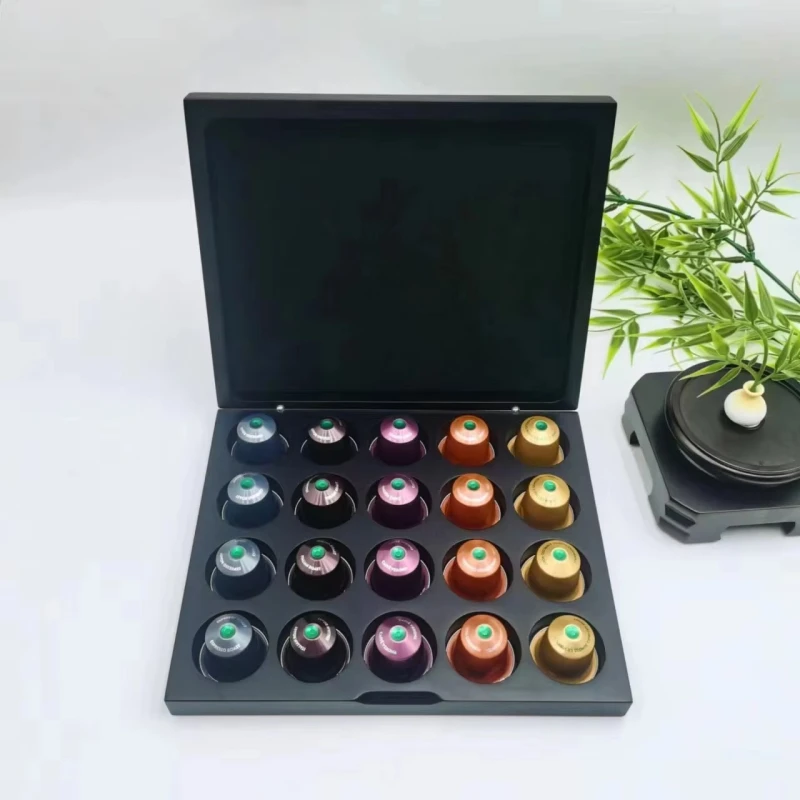
At a certain point, packaging stops being packaging.
A wooden box becomes part of the collectible because it integrates into the identity, history, and market value of the perfume itself.
Identity fusion
Collectors do not ask if the box exists. They ask if the wooden box exists. This shift is critical. The box becomes inseparable from the object.
In listings, photos include the wooden box. Descriptions mention its condition. Pricing reflects its presence.
Psychological threshold
Cardboard rarely crosses this threshold. It remains optional. Wood becomes expected.
This is not marketing language. This is observed behavior from years of buyer conversations.
Brand memory and permanence
When a perfume brand uses wood, it anchors the product in memory. Years later, collectors remember the box as much as the scent.
That memory strengthens secondary value.
Packaging role comparison
| Rolle | Cardboard Box | Holzkiste |
|---|---|---|
| Optional accessory | Ja | Nein |
| Identity component | Selten | Gemeinsame |
| Auction relevance | Niedrig | Hoch |
| Emotionale Bindung | Schwach | Stark |
From my perspective as a manufacturer, this is the highest achievement of packaging. When the container becomes history.
Schlussfolgerung
A wooden perfume box is more collectible because it was designed to stay, protect, age, and belong—long after cardboard disappears.
Markenname: WoodoBox
Slogan: Maßgefertigte Holzkisten, handwerklich perfekt gefertigt

 Deutsch
  English
  Español
  Português
  Français
  Italiano
  العربية