Zum Inhalt wechseln
Air shipment damage is one of the most expensive hidden risks in perfume exports. Many brands only discover this after broken bottles, leaks, or customer complaints arrive.
The most effective way to prevent perfume bottles from exploding at high altitude is pressure-buffered secondary packaging that absorbs pressure, temperature, and movement before they reach the bottle.
I have seen this repeatedly in real export projects. Bottles fail when packaging reacts too fast to environmental change. Bottles survive when packaging slows everything down.
Before we talk about solutions, we must first understand why altitude creates such stress on perfume bottles.
Why does air pressure change at high altitude stress perfume bottles?
Air pressure drops fast as altitude increases. For sealed perfume bottles, this creates an invisible but powerful outward force.
Air pressure inside a sealed perfume bottle stays close to sea-level pressure. During air transport, the external pressure drops quickly. This creates a pressure difference that pushes outward on the glass, pump, and seals.
What actually changes at altitude?
At cruising altitude, aircraft cabins are pressurized, but not to sea-level conditions. The pressure is lower and changes during ascent and descent. For cargo holds, especially in older aircraft or regional routes, pressure control is even less stable.
Hier ist ein einfacher Vergleich:
| Umwelt | Relative Air Pressure |
|---|---|
| Sea level warehouse | High and stable |
| Aircraft cargo hold | Lower and changing |
| High-altitude city | Lower and steady |
The bottle does not know where it is. It only reacts to pressure difference.
Why glass bottles are not the main problem
Many buyers assume thicker glass solves the issue. From my experience, this is rarely true.
Glass is strong under compression but weak under uneven stress. Pressure difference does not push evenly. It concentrates at joints, seals, and weak transitions. Even the best glass bottle will fail if pressure change happens too fast.
Why speed matters more than pressure level
I want to stress one point very clearly:
Most failures happen because pressure changes too fast, not because pressure is too high.
If pressure changes slowly, materials adjust. If pressure changes fast, stress builds instantly. Packaging that reacts instantly transfers stress directly to the bottle. Packaging that reacts slowly protects the bottle.
This is why outer packaging design matters more than bottle thickness.
How does internal pressure build up inside sealed perfume containers?
Perfume bottles are sealed systems. Once filled and crimped, they trap air, vapor, and liquid in a fixed volume.
Internal pressure does not disappear just because the outside pressure drops.
Sources of internal pressure
From production to delivery, internal pressure comes from several sources:
1. Trapped air during filling
Even with good filling lines, a small air pocket remains inside the bottle. This air expands when external pressure drops.
2. Volatile perfume ingredients
Many fragrance formulas contain alcohol and aromatic compounds that evaporate easily. At lower pressure, evaporation increases, raising internal vapor pressure.
3. Temperature variation
Pressure and temperature are linked. During air transport, cargo experiences cooling at altitude and warming during descent. Each cycle changes internal pressure.
Here is a simplified view:
| Faktor | Effect on Internal Pressure |
|---|---|
| Lower external pressure | Internal pressure pushes outward |
| Cooling | Liquid contracts, vapor behavior changes |
| Warming | Expansion increases pressure |
Why sealed systems cannot equalize pressure
Unlike food jars with flexible lids, perfume bottles are rigid and sealed. There is no designed pressure release mechanism. When pressure builds, it must escape somewhere.
It always escapes at the weakest point.
Why “tight packaging” makes things worse
One common mistake I see is over-tight packing. Bottles packed tightly with no surrounding space transmit pressure directly.
When external pressure drops:
- Outer box reacts instantly
- No air space absorbs change
- Bottle receives full stress immediately
This is why internal buffer space is critical. Packaging should never be an extension of the bottle. It should be a protective layer that delays change.
Why are spray systems and bottle necks the weakest points?
In real damage cases, glass breakage is not the most common failure. Leakage is.
Spray pumps and bottle necks fail long before the glass body does.
Structural weakness at the neck
The bottle neck is where different materials meet:
- Glas
- Metal crimp
- Plastic pump
- Rubber or PE gasket
Each material reacts differently to pressure and temperature change. This mismatch creates micro-movement.
Spray systems are not pressure vessels
Most spray pumps are designed for daily use, not for pressure cycling at altitude. Many pumps pass factory leakage tests but fail during transport.
Common failure points include:
- Loose crimp tolerance
- Incompatible gasket material
- Micro gaps between pump and neck
Why pressure escapes violently
When pressure finds a weak point, it escapes fast. This creates:
- Sudden leakage
- Spray head popping off
- Crimp deformation
- In rare cases, neck cracking
I have handled claims where only the spray pump failed, but the liquid loss damaged labels, cartons, and entire shipments.
Packaging cannot fix bad pumps, but it can reduce stress
I want to be very honest here. Packaging cannot save a badly designed pump system. But good packaging can reduce the stress that causes failure.
In my projects, improving secondary packaging often reduced leakage even when primary components stayed the same.
How do pressure-buffering packaging methods reduce explosion risk?
Pressure-buffering packaging does one simple thing very well: it slows change.
The goal is not to block pressure, but to delay how fast pressure, temperature, and movement reach the bottle.
Core principle of pressure buffering
Pressure buffering works by creating a micro-environment around the bottle. This environment changes more slowly than the outside world.
This includes:
- Air pressure
- Temperatur
- Mechanical vibration
Key components of pressure-buffered packaging
1. Controlled air space
A small air gap around the bottle allows pressure to equalize gradually. No air gap means instant transmission.
2. Elastic internal support
Foam, EVA, or fitted trays allow micro movement. This prevents stress concentration at the neck.
3. Rigid but slow-reacting outer structure
This is where material choice becomes critical.
Here is a comparison from my experience:
| Verpackungsart | Reaction Speed | Schutzniveau |
|---|---|---|
| Thin paper carton | Sehr schnell | Niedrig |
| Plastic clamshell | Schnell | Mittel |
| Corrugated box | Mittel | Mittel |
| Rigid wooden box | Langsam | Hoch |
Why “soft-only” packaging is not enough
Some brands rely only on foam and soft materials. This helps with shock, but not with pressure.
Soft materials compress quickly. They do not slow pressure change. Without a rigid outer shell, pressure buffering is incomplete.
The balance that works
The safest system always combines:
- Good primary sealing
- Elastic internal support
- Rigid, slow-reacting outer packaging
This combination has consistently reduced failures in my export shipments.
What role do rigid outer boxes—especially wooden boxes—play in altitude safety?
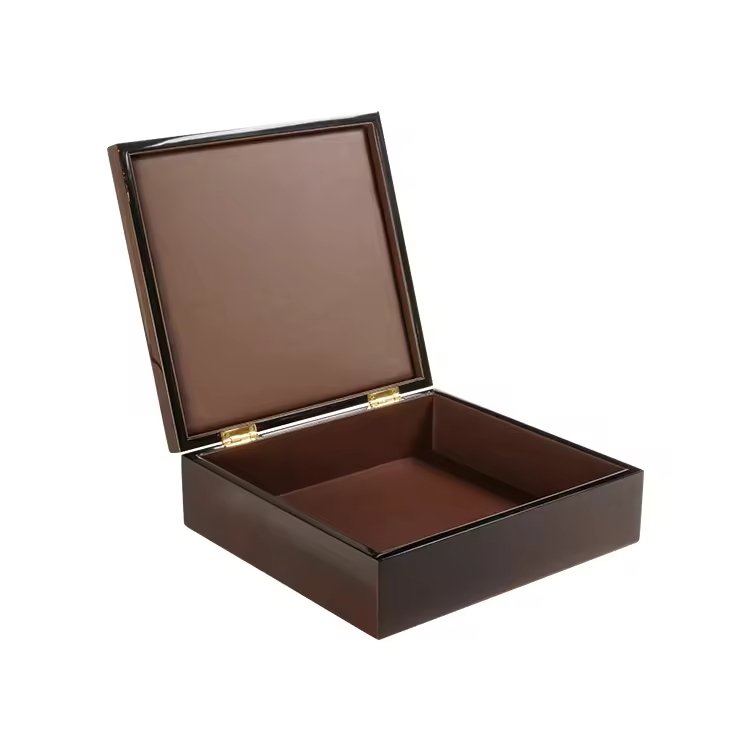
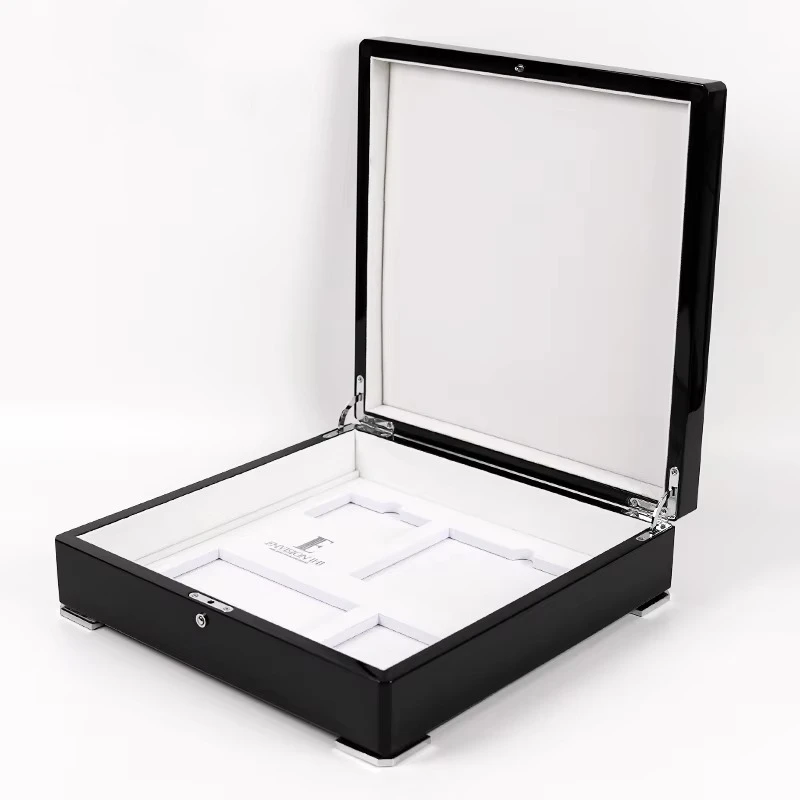
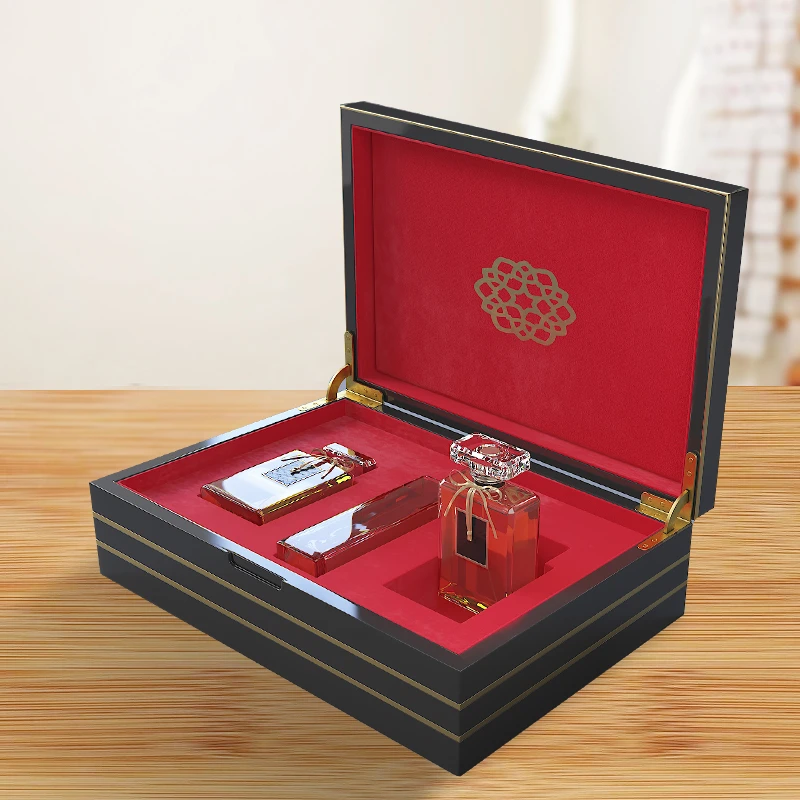
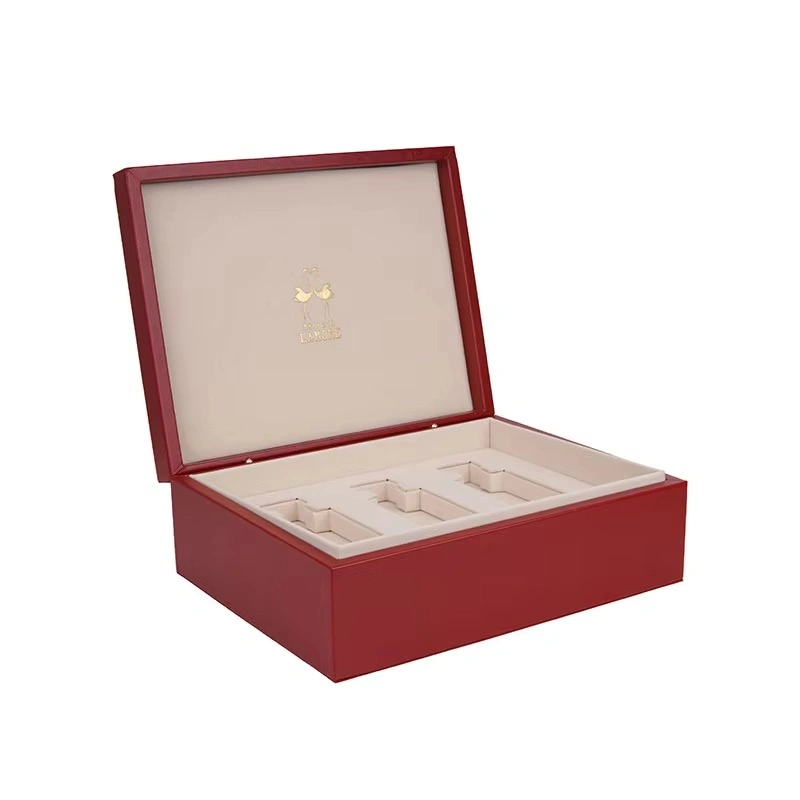
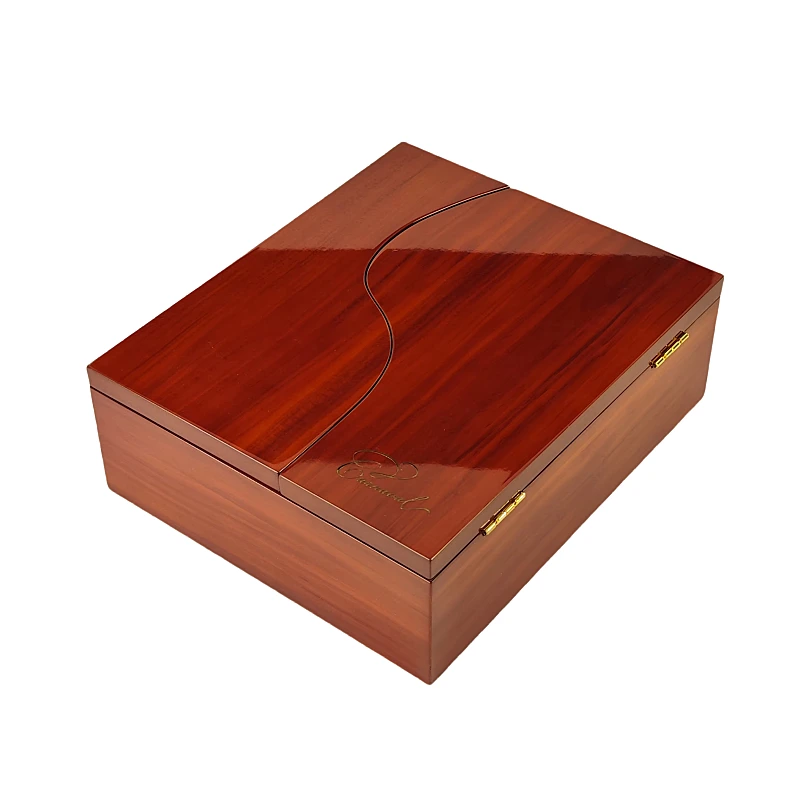
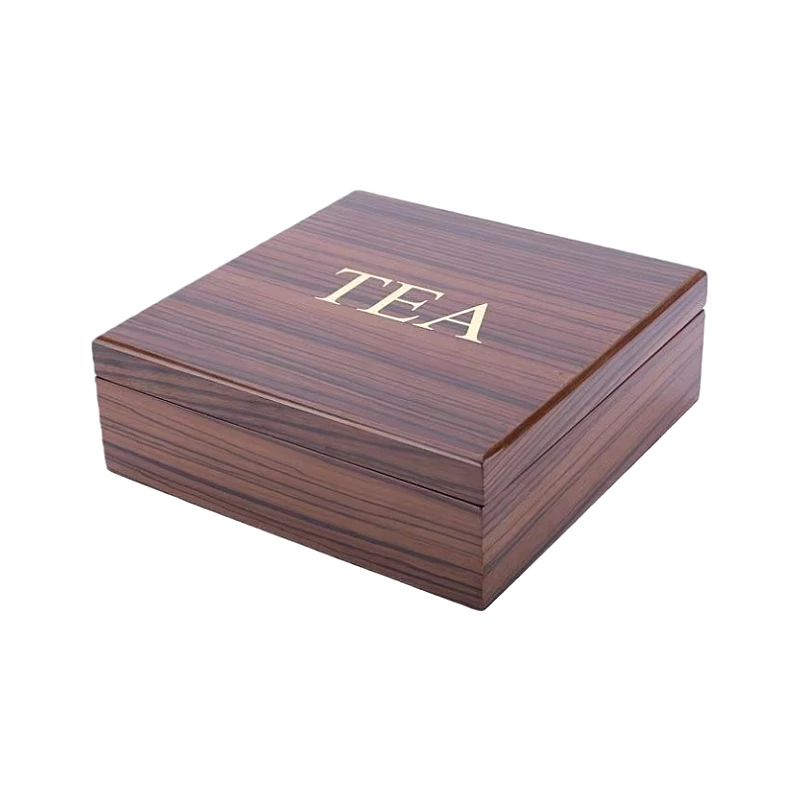
Rigid outer boxes are the final defense. Among all materials I have tested and produced, wooden boxes perform the best for altitude-related risks.
Warum Holz sich anders verhält
Wood is not airtight like plastic. It is not thin like paper. It has structure, density, and natural buffering properties.
Key advantages include:
1. Slow pressure transmission
Wood does not react instantly to pressure change. Its internal structure delays environmental shifts.
2. Thermal moderation
Wood slows temperature changes. This reduces pressure cycling inside the bottle.
3. Structural stability
Rigid wooden boxes do not deform under pressure changes. This prevents secondary stress on the bottle.
Real-world comparison from my projects
In one air-freight project involving high-value perfumes:
- Carton packaging showed leakage rates above 3%
- Plastic packaging reduced leakage but not fully
- Wooden box packaging showed zero leakage and zero breakage
The bottles were the same. Only the packaging changed.
Internal wooden structures matter too
Wooden outer boxes work best when combined with:
- Custom wooden trays
- EVA-lined inserts
- Controlled tolerance fitting
This prevents bottle movement while still allowing micro-adjustment.
Wooden boxes are not luxury. They are insurance.
Many brands see wooden boxes as premium decoration. From my experience, for air export and high-altitude markets, they are functional risk control.
They reduce:
- Kundenbeschwerden
- Returns
- Brand damage
- Insurance claims
For brands shipping by air or selling in high-altitude regions, wooden packaging is not over-engineering. It is practical protection.
Schlussfolgerung
Perfume bottles survive high altitude when packaging absorbs change. Pressure-buffered systems, especially rigid wooden boxes, protect bottles by slowing pressure, temperature, and stress before failure occurs.
Markenname: WoodoBox
Slogan: Maßgefertigte Holzkisten, handwerklich perfekt gefertigt

 Deutsch
  English
  Español
  Português
  Français
  Italiano
  العربية