Zum Inhalt wechseln
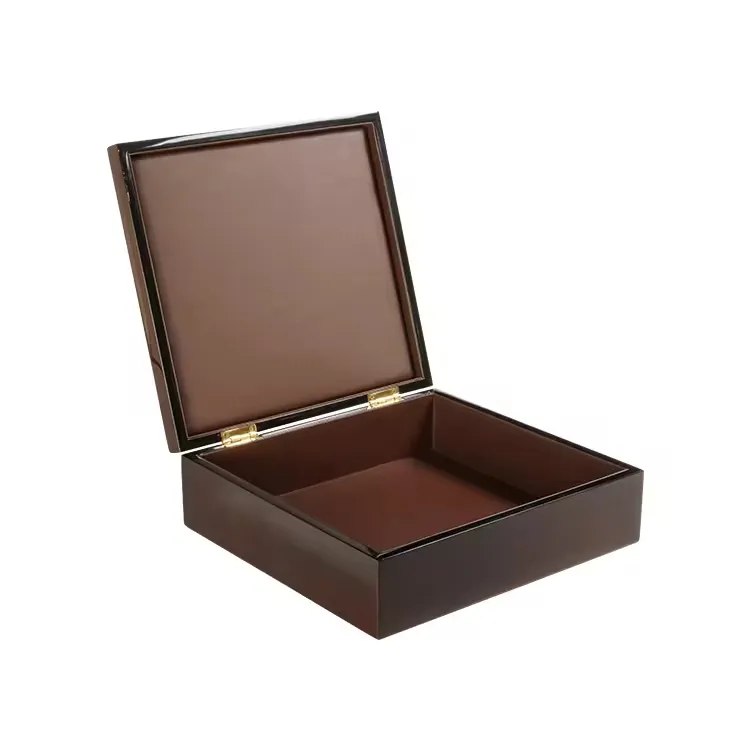
From my daily work with perfume brands, I see the same problem again and again. Many brands struggle to justify a higher price. They focus on fragrance formulas, but buyers decide much earlier. The real judgment starts with packaging.
Packaging material often determines a perfume’s price tier before the fragrance is ever smelled. Customers use weight, texture, and finish to decide if a perfume feels affordable, premium, or truly luxurious.
If you understand this, pricing becomes easier. If you ignore it, even the best scent will fight an uphill battle.
How does the choice of packaging material shape a customer’s first impression of a perfume brand?
A customer forms an opinion in seconds. They touch the box. They feel the weight. They see the surface. This moment shapes trust, desire, and price expectation.
Packaging material shapes first impression by triggering subconscious judgments about quality, care, and brand seriousness. Before reading a label, customers already decide where your perfume belongs in the market.
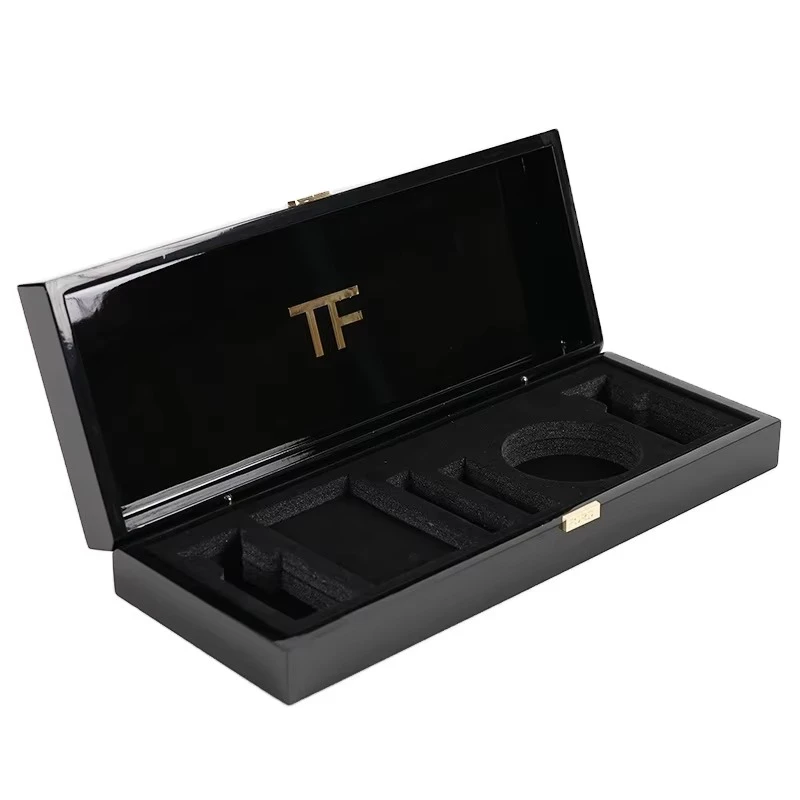
Touch Comes Before Smell
In my experience, touch is more powerful than sight. A thin paper box feels light. That signals speed and scale. A heavy box slows the hand. It asks for attention.
When a customer lifts a package, they ask silent questions:
- Does this feel solid?
- Does this feel intentional?
- Does this feel worth keeping?
Material answers these questions instantly.
Material as a Visual Shortcut
Customers do not calculate cost. They use shortcuts. Packaging material is one of the strongest ones.
Here is how customers often interpret materials:
| Packaging Material | First Impression | Price Expectation |
|---|---|---|
| Thin paperboard | Basic, fast | Low to mid |
| Starre Pappe | Structured | Mitte |
| Thick glass | Serious | Mid to high |
| Metall-Akzente | Technical | Hoch |
| Solid wood box | Crafted | Luxus |
This logic works across markets. I see it in Europe, the US, and Asia.
My Experience with New Brands
I remember a startup perfume brand that came to me with a beautiful fragrance. Their box was standard paper. Sales were slow. We redesigned the packaging using a simple MDF box with wood veneer and soft-touch interior.
Nothing else changed. Same fragrance. Same marketing.
They raised retail price by 40%. Sales improved.
The material shifted perception. That is the power of first impression.
Premium materials speak a universal language. They feel durable. They feel costly. They feel intentional.
Materials like wood, glass, and metal signal higher price tiers because they are associated with longevity, craftsmanship, and controlled production. Customers assume effort, skill, and investment.
Wood Feels Human
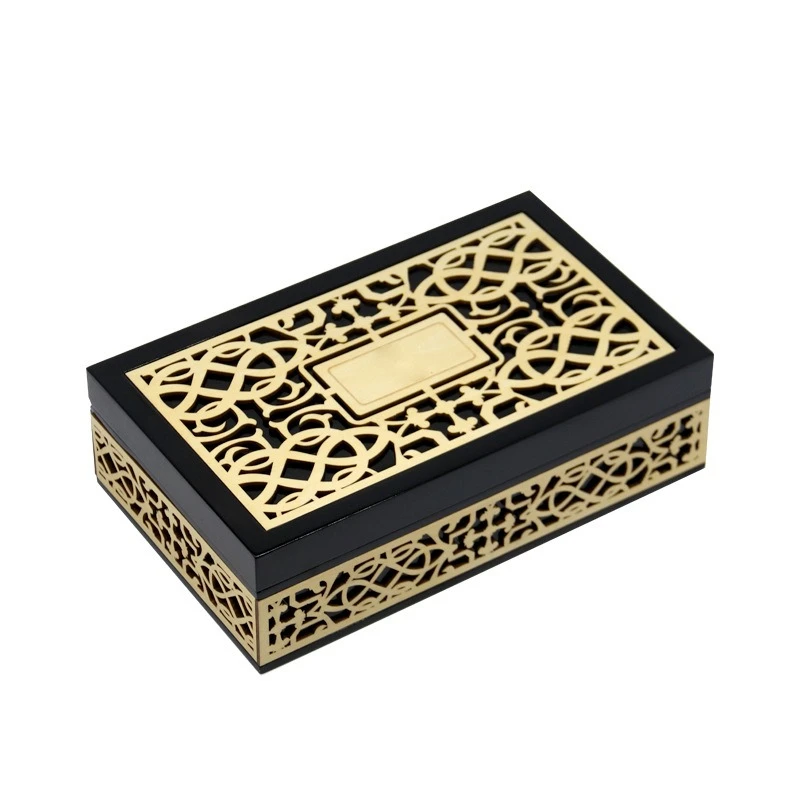
Wood is warm. It has grain. No two pieces are identical. This matters.
When a customer touches wood, they sense:
- Handwerk
- Zeit
- Natural origin
In my factory, even a simple wooden box takes more steps than paper packaging. Customers feel this without knowing the process.
Glass Communicates Weight and Purity
Glass bottles are heavy. Weight equals value in the human brain.
Glass also signals purity. For perfume, this connects directly to fragrance quality. That is why even mid-tier brands invest in thick glass bottles.
Metal Signals Precision
Metal feels cold and precise. It signals engineering and control.
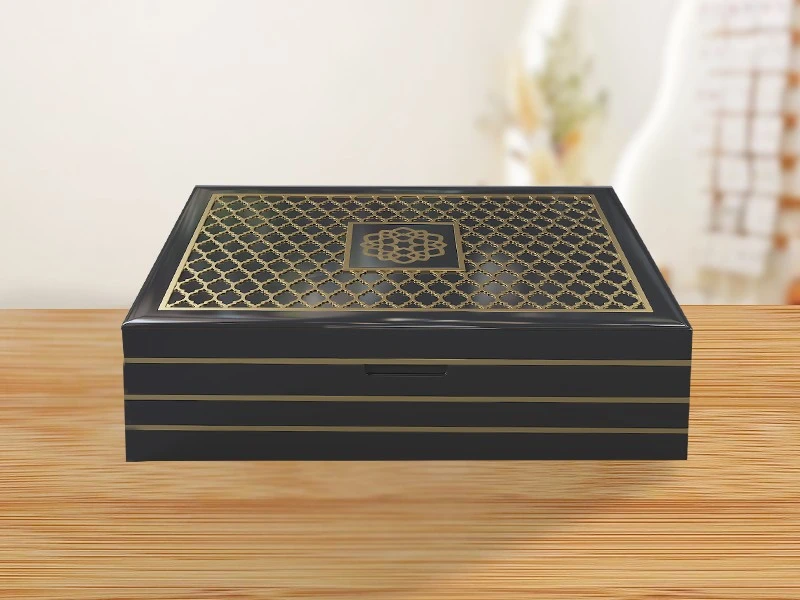
When metal is used well, such as plaques or hinges, it adds authority. It tells the customer this product was planned, not rushed.
Wahrnehmung vs. Realität
The actual cost increase of premium materials is often smaller than brands expect. But the perceived value jump is large.
Here is a simplified view:
| Material Upgrade | Cost Increase | Perceived Value Increase |
|---|---|---|
| Paper → Rigid Box | Niedrig | Mittel |
| Rigid → Glass | Mittel | Hoch |
| Glass → Wood Box | Mittel | Sehr hoch |
This gap is where luxury pricing lives.
How does packaging material influence perceived value versus actual production cost?
This is where strategy matters. Many brands fear higher costs. But cost and value do not rise at the same speed.
Packaging material often increases perceived value far more than it increases production cost. This creates pricing space and higher margins.
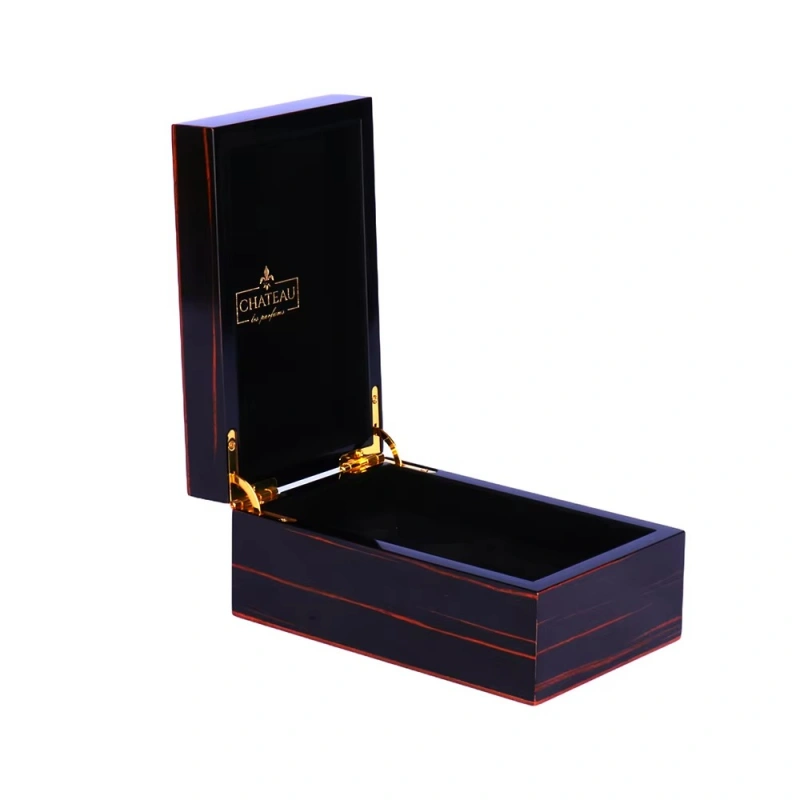
Cost Is Linear, Perception Is Not
Production cost grows step by step. Perceived value jumps.
For example, adding a wooden outer box may add a few dollars. But it can support a price increase of tens of dollars.
This happens because customers do not price materials. They price feelings.
Breakdown from My Projects
Below is a simplified example from real client discussions:
| Artikel | Standard Packaging | Verpackung aus Holz |
|---|---|---|
| Packaging cost | $2.50 | $7.50 |
| Retail price | $60 | $120 |
| Customer reaction | Akzeptabel | Desirable |
The wooden box does not double the cost. But it supports double the price.
Warum das funktioniert
Customers assume:
- Better packaging means better fragrance
- Better materials mean lower risk
- Heavier packaging means higher brand confidence
None of this needs explanation. It happens automatically.
Mistakes I Often See
Some brands overspend on complexity. That is risky.
Luxury does not mean complicated. It means controlled.
Simple wooden structures with clean finishes often work better than complex shapes with poor execution.
Material choice must match brand clarity.
Can sustainable and eco-friendly materials elevate a perfume brand’s market positioning?
Yes, when done honestly. Sustainability is not decoration. It is positioning.
Eco-friendly materials elevate a perfume brand when they are consistent with quality, transparency, and long-term use. Sustainability alone is not luxury, but sustainable premium materials are.
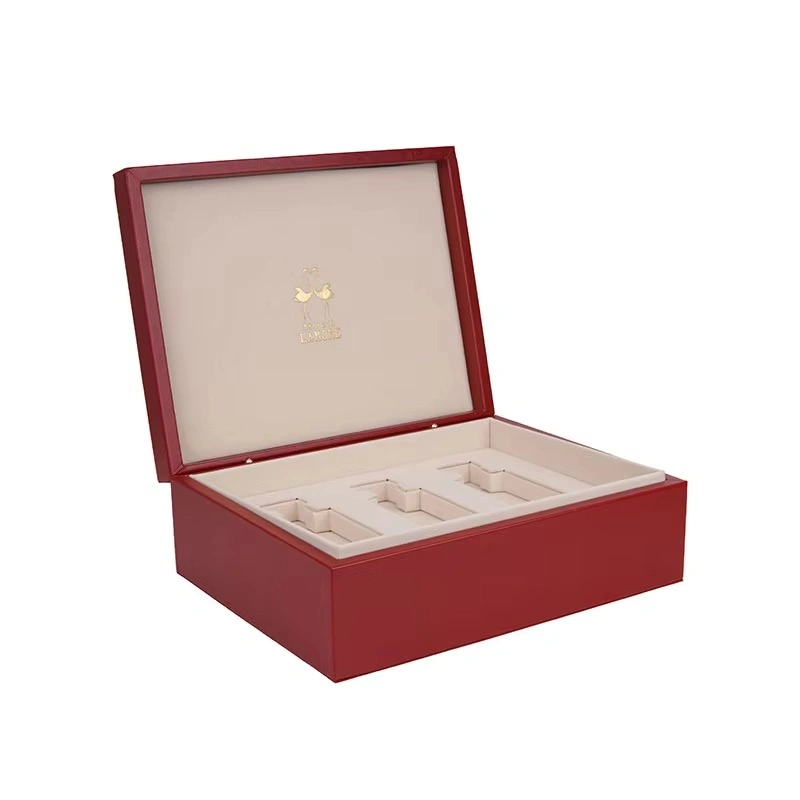
Sustainability as a Value Signal
Today’s buyers ask different questions:
- Where does this come from?
- Will this last?
- Can I keep or reuse it?
Wood answers all three when sourced responsibly.
Wood and Sustainability Work Together
Wood is renewable. It ages well. It feels permanent.
In my projects, FSC-certified wood and water-based coatings help brands tell a stronger story without lowering quality.
What Customers Believe
Customers believe sustainable packaging means:
- The brand thinks long term
- The brand respects resources
- The brand is confident in its pricing
This belief supports higher price tiers.
Common Pitfalls
Greenwashing destroys trust. Cheap eco claims on low-quality packaging feel fake.
Hier ist ein klarer Vergleich:
| Näherung | Ergebnis |
|---|---|
| Cheap recycled paper | Feels low-end |
| Solid wood with certification | Feels premium |
| Eco story without quality | Feels marketing |
| Eco material with craftsmanship | Feels authentic |
Sustainability must sit on top of quality, not replace it.
How do custom and handcrafted materials help perfume brands move from mass-market to luxury?
Luxury lives in difference. Custom materials create distance from mass-market products.
Custom and handcrafted materials move perfume brands upward by creating exclusivity, scarcity, and emotional connection. This cannot be copied easily.
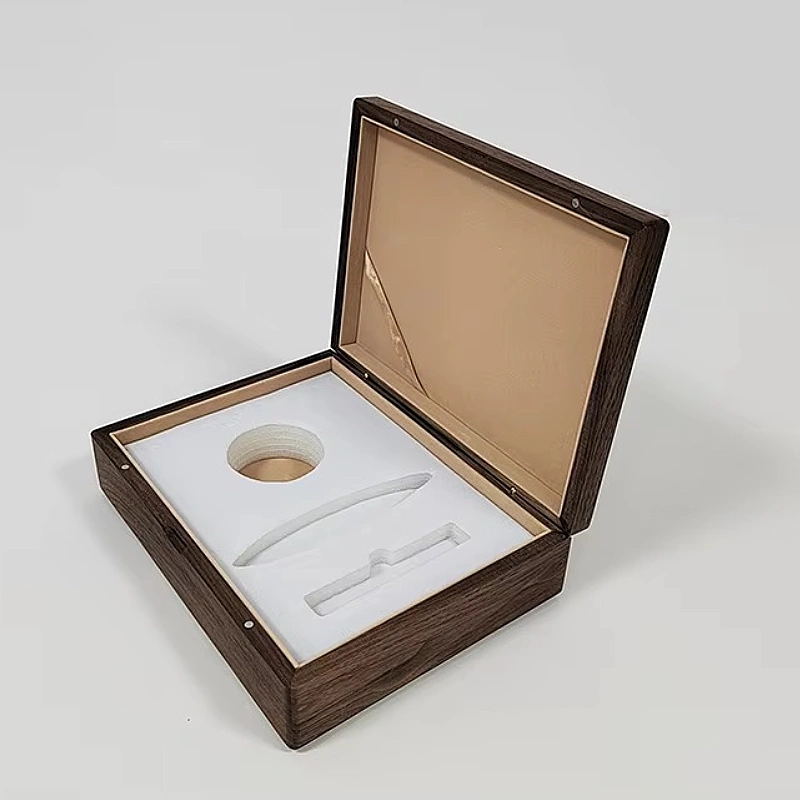
Customization Signals Intent
Mass-market packaging is optimized for speed. Custom packaging is optimized for identity.
When customers see custom details, they assume:
- Lower volume
- Higher care
- Höherer Preis
Handcrafted Details Matter
In wooden packaging, small details change everything:
- Hand-polished edges
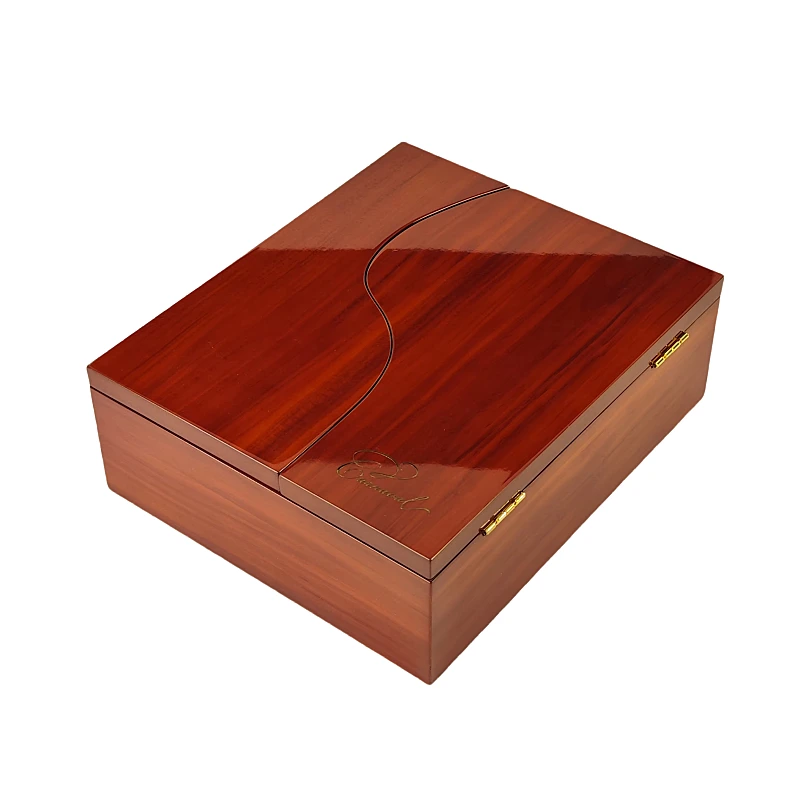
- Klavierlackoberflächen
- Fabric-lined interiors
- Custom metal logos
Each detail slows production. Customers sense this.
Emotional Ownership
A wooden box often stays after the perfume is gone. It becomes storage. It becomes decor.
This changes the product from consumable to collectible.
That shift allows brands to move into luxury pricing without resistance.
Example from My Experience
One client moved from mass retail to niche luxury. We developed a custom wooden box with a magnetic opening and satin interior.
Retailers stopped comparing price. They started comparing story.
That is the moment a brand leaves mass-market behind.
Schlussfolgerung
Packaging material defines perception, value, and price. In my experience, brands that invest in premium, sustainable, and custom materials earn higher prices naturally.
Markenname: WoodoBox
Slogan: Maßgefertigte Holzkisten, handwerklich perfekt gefertigt

 Deutsch
  English
  Español
  Português
  Français
  Italiano
  العربية