تخطي إلى المحتوى

Air shipments fail quietly but expensively. One cracked perfume bottle can destroy an entire pallet. I have seen this happen more times than buyers expect.
Rigid box structures are preferred because they reduce uncertainty, control movement, and protect liquid fragrances in extreme air cargo conditions.
I have worked with perfume brands, freight forwarders, and cargo handlers for over 15 years. Every discussion comes back to one thing. Air cargo is not gentle. Packaging must survive speed, pressure, and machines. This is where rigid boxes change the outcome.
How do rigid boxes reduce leakage and breakage risk during air transport?
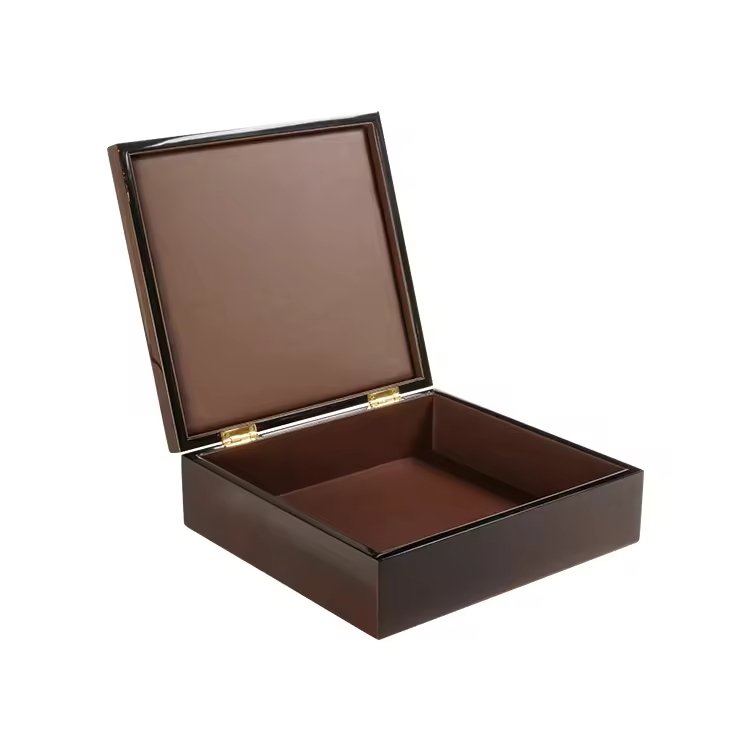
Leakage usually starts inside the box, not outside. Once the bottle moves, stress builds, and seals fail.
Rigid boxes reduce leakage and breakage by limiting internal movement and spreading impact forces across a stable structure.
In air transport, boxes face drops, slides, and sudden stops. Rigid structures act like a fixed shell. They do not bend inward. They do not transfer shock directly to the bottle.
Internal movement is the real enemy
From my experience, most perfume failures are not caused by big accidents. They come from small repeated movements.
- Bottles knock against inserts
- Spray pumps loosen over time
- Micro cracks form in glass
Rigid boxes reduce this risk because they hold inserts in place. The box walls do not flex. The internal fit stays tight from origin to destination.
Why flexible cartons fail faster
Flexible cartons rely on foam and paper only. That works on the ground. In the air, it fails faster.
| نوع التغليف | Box Behavior | Bottle Risk |
|---|---|---|
| Flexible carton | Bends under load | عالية |
| Corrugated box | Compresses over time | متوسط |
| Rigid wooden box | Holds shape | منخفضة |
When the outer box bends, the insert also shifts. That movement transfers force directly to the bottle neck and spray system.
Rigid boxes absorb shock differently
Rigid wooden boxes absorb impact in layers.
- Outer structure spreads force
- Inserts slow movement
- Bottle receives less peak stress
This delay matters. Even a fraction of a second can prevent seal failure.
I have opened air-shipped perfume boxes after long routes. With rigid structures, bottles sit exactly where they started. With soft boxes, something is always off.
Why does structural stability matter more at altitude than on ground shipping?

Altitude changes the rules. Pressure drops. Temperature shifts. Materials react.
Structural stability matters more at altitude because pressure and temperature changes amplify stress on liquid containers.
This is where many buyers underestimate air freight risk.
Pressure change affects liquid and seals
At cruising altitude:
- Air pressure decreases
- Liquid expands slightly
- Internal bottle pressure increases
If the outer box flexes, this pressure transfers directly to the weakest point. Usually the spray pump or crimped seal.
Rigid boxes resist this movement. They slow the pressure change effect.
Temperature fluctuation adds another layer
Cargo holds are not climate controlled like cabins.
- Cold during ascent
- Warm during ground delays
- Rapid shifts during transfer
Flexible packaging reacts instantly. Rigid packaging reacts slowly.
This delay reduces stress on:
- Glass walls
- Alcohol-based liquid
- Plastic spray components
My real shipment observations
I once compared two shipments on the same flight.
- Same perfume
- Same bottle
- Same insert
- Different outer box
The flexible carton shipment had minor leaks in 3% of cartons. The rigid box shipment had none.
The only difference was structure.
Structural stability equals predictability
Cargo handlers value predictability.
- Boxes keep shape
- Loads stay balanced
- Straps do not crush edges
At altitude, unpredictable behavior becomes expensive. Rigid boxes behave the same every time.
How do rigid boxes help cargo handlers stack, secure, and identify fragile liquids?
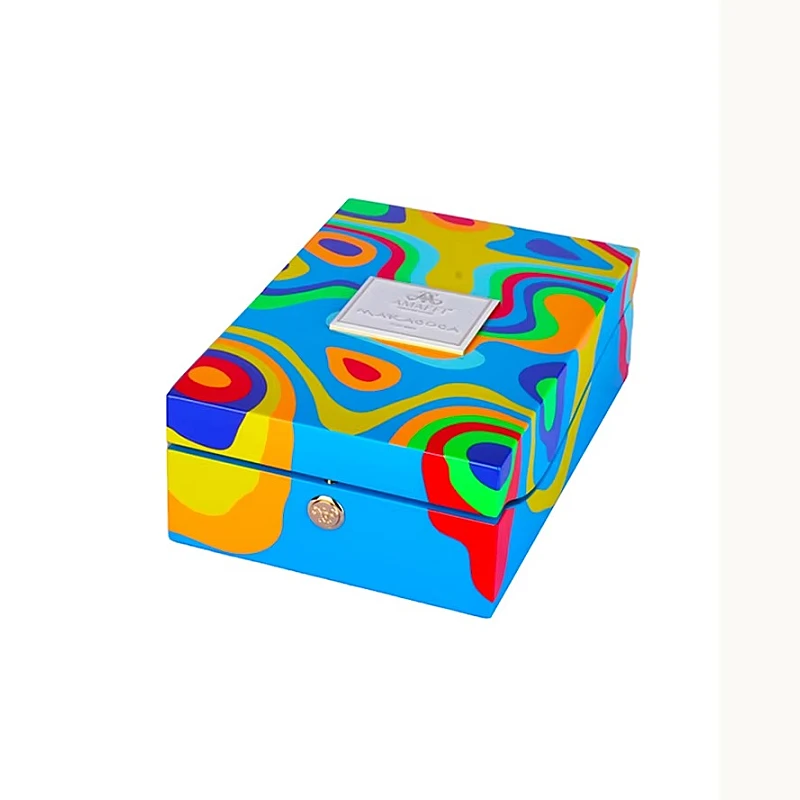
Handlers do not read marketing copy. They read box behavior.
Rigid boxes help handlers by stacking cleanly, resisting compression, and clearly signaling fragile liquid contents.
This directly affects how your shipment is treated.
Stacking efficiency matters
Air cargo is built in units.
- Pallets
- ULD containers
- Nets and straps
Rigid boxes create flat surfaces. Loads stay level.
| نوع الصندوق | Stack Stability | Handler Confidence |
|---|---|---|
| Soft carton | منخفضة | منخفضة |
| Double wall carton | متوسط | متوسط |
| Rigid box | عالية | عالية |
When boxes stay square, handlers stack higher with less risk.
Shape retention under straps
Cargo nets apply pressure.
Flexible boxes collapse under straps. Rigid boxes resist.
This means:
- Less deformation
- No corner crush
- Inserts stay aligned
Handlers trust boxes that survive strapping.
Visual and tactile signals
Rigid boxes send clear signals:
- Weight feels intentional
- Walls feel solid
- Corners stay sharp
This tells handlers the cargo is valuable and fragile.
I have had handlers tell me directly. When a box feels solid, they slow down. When it feels soft, they rush.
Easier identification in mixed cargo
Air cargo mixes many goods.
Rigid boxes stand out among soft cartons. This helps handlers:
- Place them on top
- Avoid heavy stacking
- Secure them near container walls
Packaging shape influences handling more than labels.
Why are rigid structures better at handling pressure, vibration, and turbulence?
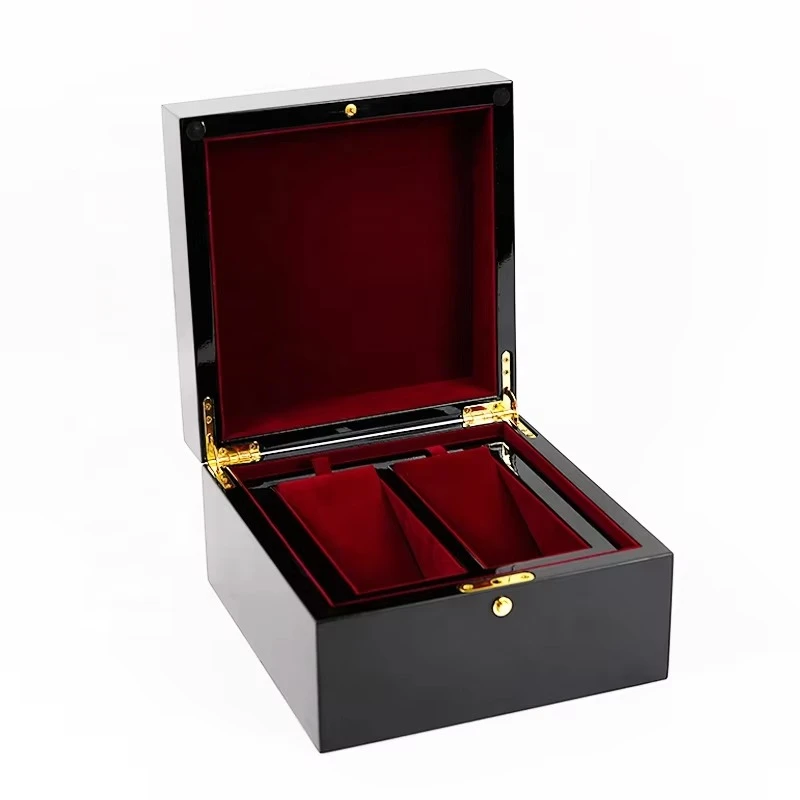
Flights are not smooth systems. Vibration is constant.
Rigid structures handle pressure, vibration, and turbulence by damping energy instead of transmitting it directly to the bottle.
This is critical for liquid fragrances.
Vibration causes slow damage
Vibration loosens:
- Spray pumps
- Internal seals
- Decorative caps
Flexible boxes vibrate with the aircraft. Rigid boxes resist this motion.
Turbulence creates sudden forces
During turbulence:
- Loads shift
- Boxes knock together
- Pressure spikes happen
Rigid boxes maintain spacing. They protect neighboring cargo and themselves.
Energy distribution matters
Rigid structures spread force across the entire box.
| Force Type | Flexible Box | Rigid Box |
|---|---|---|
| Vibration | Transmitted | Damped |
| Shock | Focused | Spread |
| الضغط | Immediate | Slowed |
This difference protects the weakest point. Usually the bottle neck.
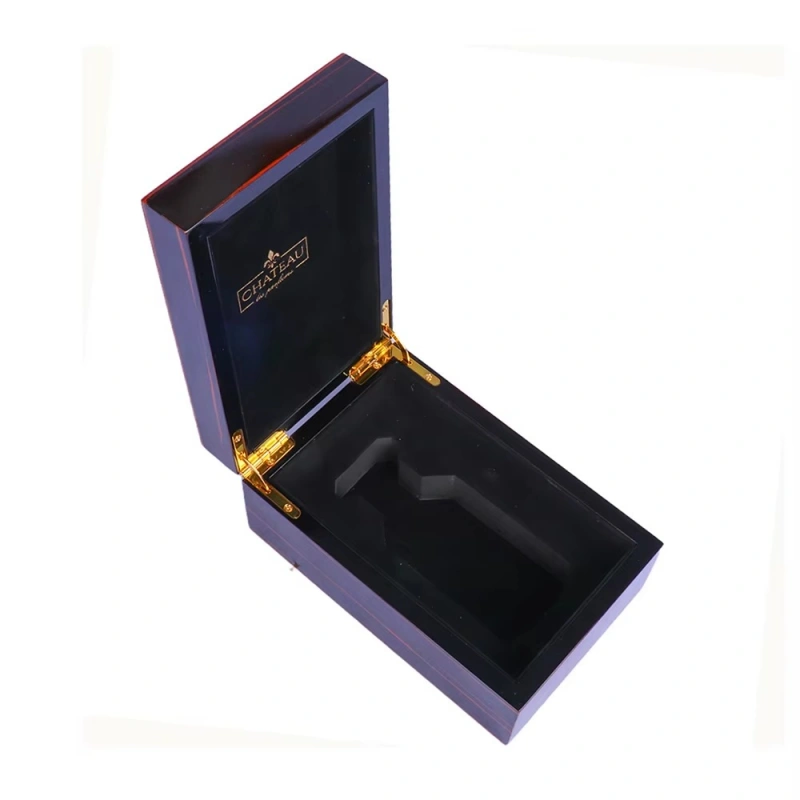
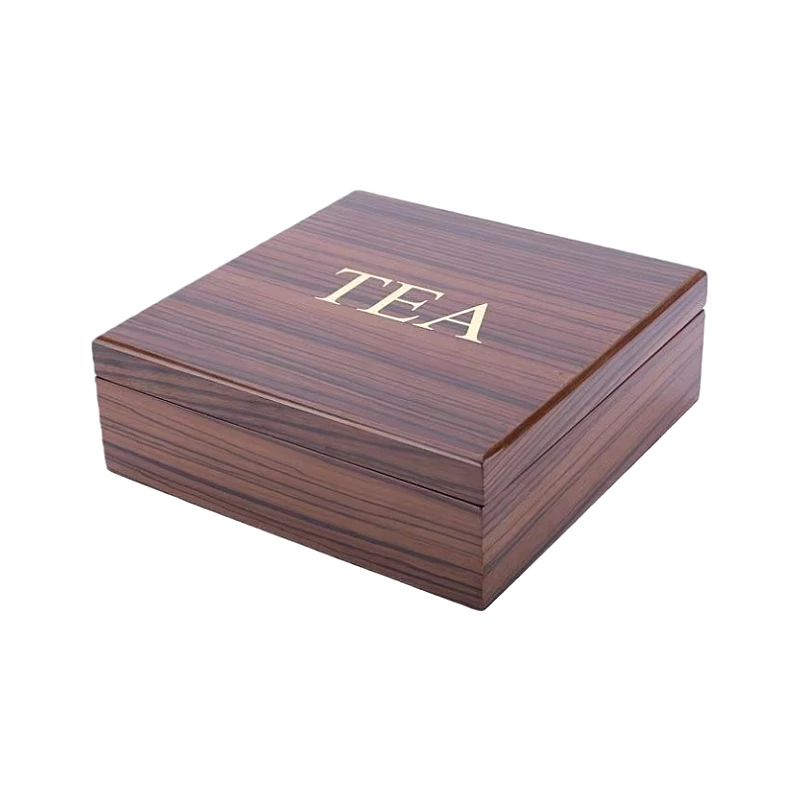
Wooden rigid boxes perform best
From my production side, wooden rigid boxes perform better than rigid paper boxes for air freight.
- Better shock absorption
- Higher compression strength
- Stable under humidity change
This is why high-value perfumes often use wooden outer packaging for export flights.
How does rigid packaging lower liability and claims for airlines and handlers?
Leaking perfume is not a small issue.
Rigid packaging lowers liability by reducing leakage incidents that damage other cargo and trigger insurance claims.
This is a major reason airlines prefer rigid structures.
Leakage affects more than one shipment
Perfume contains alcohol.
- It spreads fast
- It damages paper, food, textiles
- It raises safety concerns
One leak can affect many consignments.
Claims history influences handling rules
Airlines track claims.
From my discussions with logistics partners:
- Flexible-packed perfumes show higher claim rates
- Rigid-packed perfumes show fewer incidents
This influences internal handling preference.
Predictable packaging reduces risk exposure
Rigid boxes:
- Leak less
- Break less
- Shift less
This reduces:
- Cleanup cost
- Compensation claims
- Investigation time
Real comparison data I have seen
In one export season:
| نوع التغليف | Leakage Rate | Claims |
|---|---|---|
| Flexible carton | عالية | متكرر |
| Rigid outer box | منخفضة جداً | نادرة |
This is not theory. This is logistics reality.
Trust reduces friction
When handlers trust packaging, they handle it faster and safer. This reduces mistakes.
Rigid boxes reduce hesitation and confusion. Everyone knows how to treat them.
الخاتمة
Rigid box structures create predictability. In air cargo, predictability protects liquid fragrances better than any label or warning.

 العربية
  English
  Español
  Português
  Deutsch
  Français
  Italiano