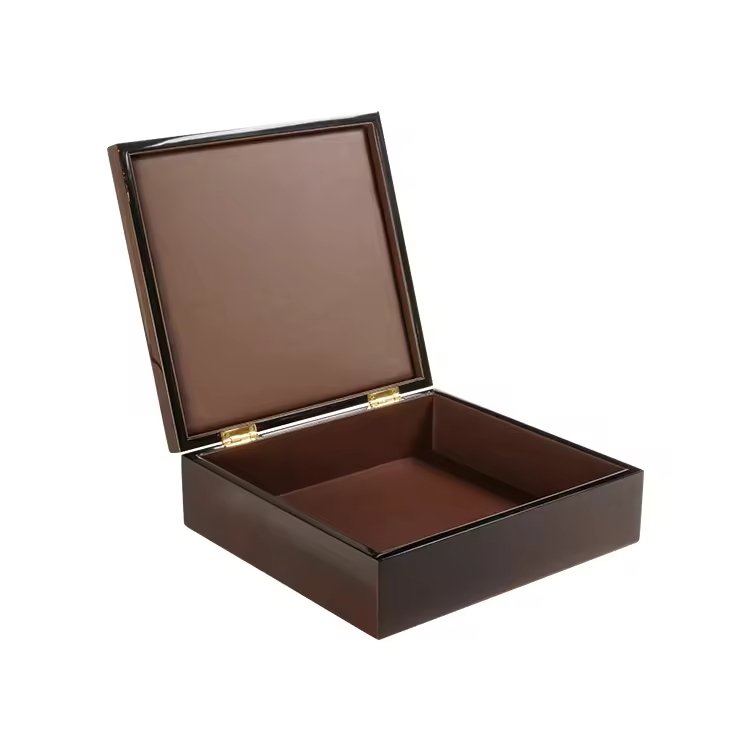
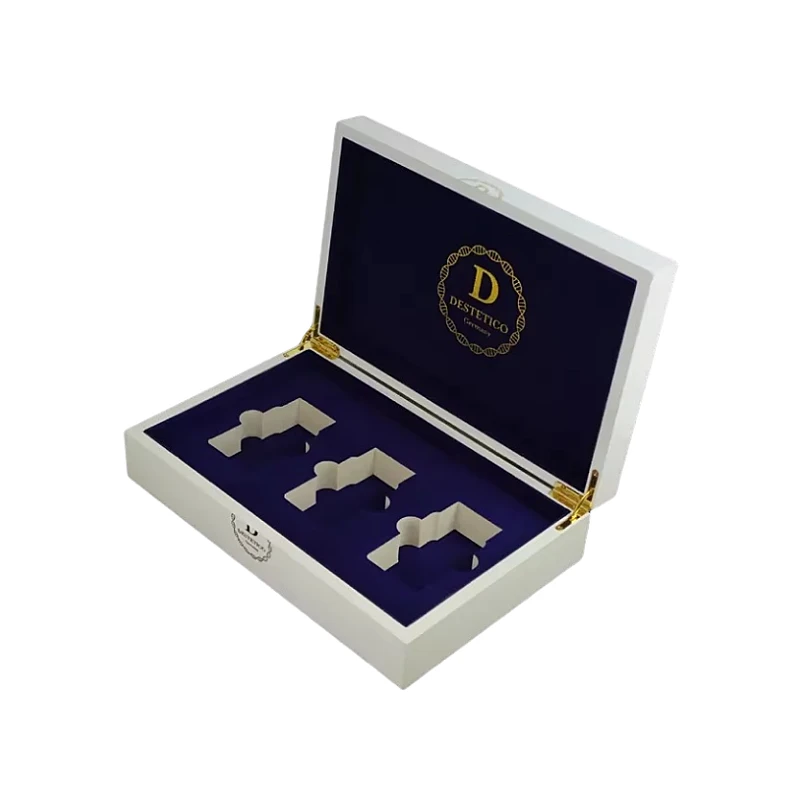
Luxury perfume often fails before it is even opened. The scent may be complex, but the box feels cheap. This mismatch destroys trust and weakens the brand story.
Walnut wood enhances the luxury tone of perfume packaging by using color, grain, and aging behavior to express quiet confidence, emotional depth, and long-term value without visual noise.
I have spent more than fifteen years designing and producing high-end wooden boxes for perfume brands. From the first prototype to mass production, I have seen how material choice alone can shift a brand’s perceived level. Walnut is one of the few woods that does this naturally.
Most buyers do not analyze wood types. They feel them. Walnut works because it communicates luxury without explanation. That is why so many premium perfume brands return to it again and again.
Why does walnut’s natural color immediately communicate warmth and depth?
Warmth is often missing in luxury packaging. Many boxes look cold, technical, or overly decorative. Walnut solves this problem at first glance.
Walnut’s natural color creates emotional depth and warmth that aligns with premium perfume narratives, especially those focused on sensuality, maturity, and complexity.
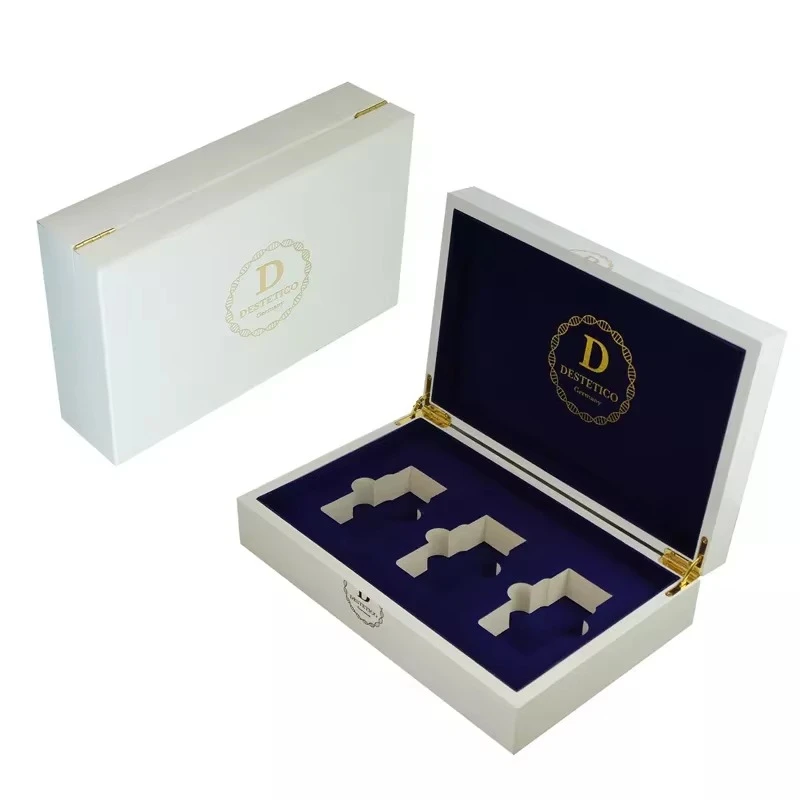
Color psychology in luxury packaging
In my daily work, I see how color sets expectations before touch or opening. Walnut has a deep brown base. It often carries subtle chocolate, coffee, or purple tones. These tones feel grounded and calm.
Unlike light woods, walnut does not feel casual. Unlike black coatings, it does not feel aggressive. It sits in the middle. This balance matters.
From buyer feedback I have collected over the years:
| نوع الخشب | Emotional Impression | Common Brand Use |
|---|---|---|
| Beech / Birch | Clean, light, casual | Entry-level or lifestyle |
| بلوط | Rustic, strong, traditional | Heritage or wine |
| Ebony / Black MDF | Sharp, bold, modern | Statement luxury |
| خشب الجوز | Warm, deep, composed | Premium perfume, jewelry |
Walnut signals intention. It feels chosen, not default.
Why walnut feels “serious” without being heavy
Many luxury perfume brands want seriousness, but they fear looking old. Walnut solves this tension. Its darkness adds weight, but its natural variation keeps it alive.
I remember a niche perfume brand that switched from white lacquered MDF to walnut veneer. Nothing else changed. Same shape. Same logo size. Same price. Customers immediately described the brand as “more mature” and “more confident.”
That shift came only from color.
Consistency across finishes
Another advantage is finish tolerance. Walnut looks good with:
- Matte clear lacquer
- Open-pore oil finish
- Piano gloss coating
Even under high-gloss finishes, walnut keeps its depth. Cheaper woods often lose character once sealed. Walnut holds it.
This makes walnut a safe luxury choice when brands are unsure about final surface treatment.
How does fine walnut grain signal refinement and craftsmanship?
Luxury is not about decoration. It is about control. Grain quality plays a silent but powerful role here.
Walnut’s fine, flowing grain communicates refinement and craftsmanship because it feels calm, intentional, and precise rather than loud or chaotic.
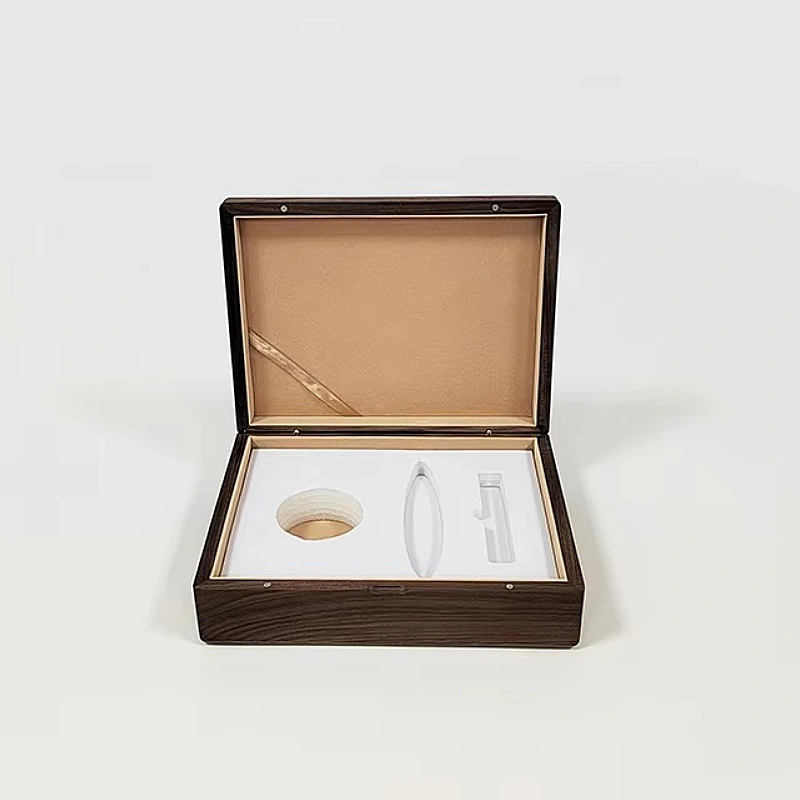
Grain as a visual rhythm
When I review veneer sheets with clients, I always ask them to slow down. Grain is not pattern. It is rhythm.
Walnut grain is:
- ضيقة
- سلس
- Naturally flowing
It does not jump at the eye. It invites a second look.
This matters because perfume is an intimate product. It is not consumed instantly. The packaging should support that pace.
Comparison with decorative grains
Some woods have strong, dramatic grain. They look impressive in furniture. In perfume packaging, they often distract.
| Grain Type | المؤثرات البصرية | Risk in Perfume Packaging |
|---|---|---|
| Strong oak grain | Bold, rustic | Feels heavy, old |
| Burl veneer | Decorative, busy | Competes with brand |
| Zebrawood | تباين عالٍ | Feels fashion-driven |
| خشب الجوز | Balanced, calm | Supports restraint |
Luxury perfume packaging should frame the scent, not compete with it.
التصور الحرفي
Fine grain also hides joints better. This is practical but important.
When grain is calm:
- Miter joints look cleaner
- Corners feel tighter
- Veneer matching looks intentional
Even non-expert buyers sense this quality. They may not name it, but they trust it.
I have seen customers reject boxes subconsciously because grain direction felt messy. Walnut reduces this risk.
Supporting minimal branding
Walnut grain allows brands to reduce logo size. Laser engraving, blind embossing, or small metal plates all work well.
This supports a key luxury rule I always share with clients:
If the material is strong, the logo can be quiet.
Walnut gives brands permission to be quiet.
Why is walnut associated with understated, mature luxury rather than flashiness?
Many brands confuse luxury with attention. Walnut supports the opposite approach.
Walnut is linked to understated luxury because it has long been used in objects that value longevity, skill, and discretion rather than trend or display.
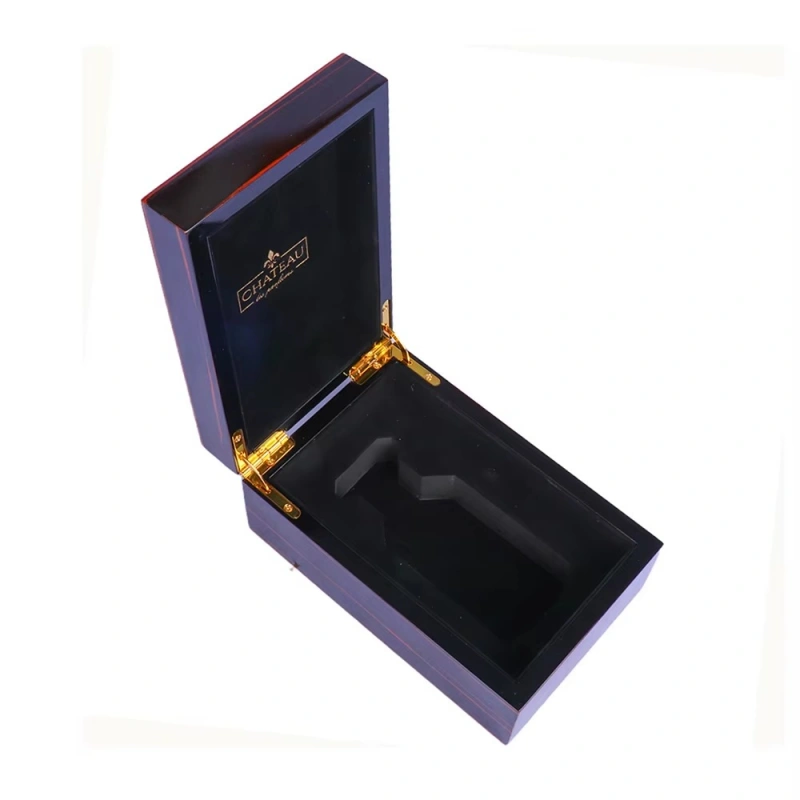
Cultural memory matters
Walnut appears in:
- Fine furniture
- الآلات الموسيقية
- Executive interiors
- Heritage homes
These contexts shape how people feel about the material. Even if they cannot name walnut, they recognize its presence.
It feels established. It feels earned.
Contrast with “loud luxury”
In perfume packaging, loud luxury often uses:
- High-gloss black
- Gold foil everywhere
- Complex shapes
This works for some brands. But it often attracts short-term attention.
Walnut attracts long-term trust.
I worked with a brand that removed gold stamping entirely after switching to walnut boxes. Sales increased in selective boutiques. Why? The packaging felt more confident.
Age and target audience alignment
Mature luxury buyers often prefer:
- Less contrast
- Softer finishes
- Natural materials
Walnut fits this preference perfectly. It does not chase trends. It avoids youth-driven signals.
This makes it ideal for:
- Niche perfumers
- Artisan brands
- High-price-point SKUs
Luxury through restraint
True luxury often whispers. Walnut whispers well.
It does not need to prove itself. It simply exists with dignity. That is rare in packaging materials.
How does walnut pair especially well with niche and high-end perfume brands?
Niche perfume brands rely on storytelling and authenticity. Walnut supports both.
Walnut pairs naturally with niche and high-end perfume brands because it reinforces craftsmanship, individuality, and emotional depth without mass-market signals.
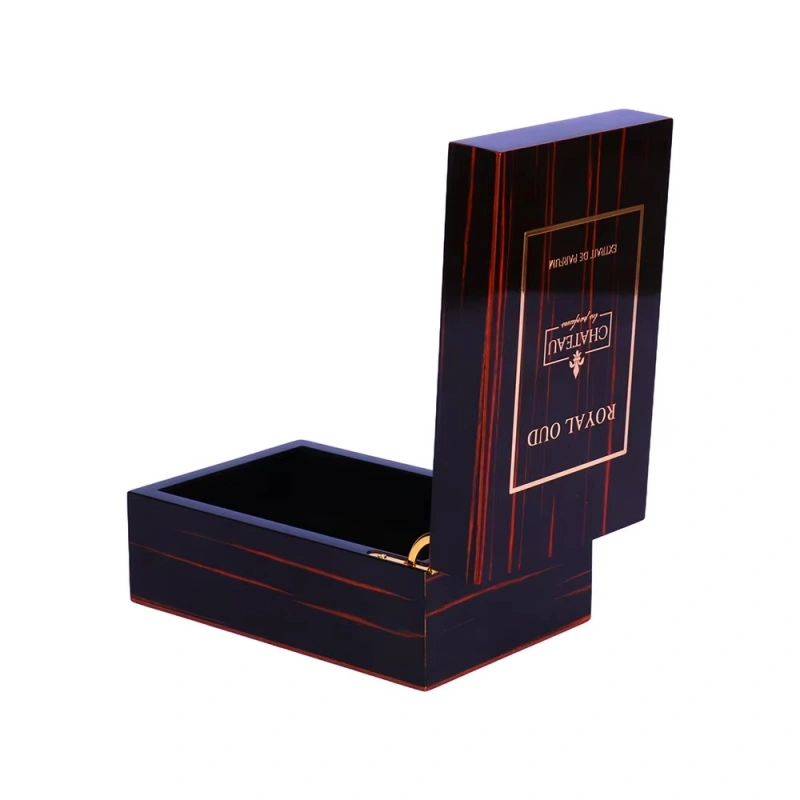
Supporting brand narratives
Many niche perfumes talk about:
- الأصل
- الحرف اليدوية
- الوقت
- العاطفة
Walnut fits these stories. Plastic does not. Bright coatings do not.
I often advise niche brands to ask one question:
Does your packaging feel like your scent?
Complex scents rarely belong in simple boxes. Walnut adds layers.
Customization flexibility
From a manufacturing view, walnut works well with:
- خشب صلب
- MDF with walnut veneer
- Mixed materials
This allows brands to control cost while keeping luxury perception.
| الهيكل | النتيجة المرئية | مراقبة التكاليف |
|---|---|---|
| Solid walnut | Highest prestige | عالية |
| MDF + walnut veneer | Same look | متوسط |
| Walnut top + MDF body | Accent focus | Optimized |
This flexibility is critical for niche brands managing small batches.
Compatibility with other materials
Walnut pairs well with:
- Brass
- Matte black metal
- بطانة جلدية
- Velvet interiors
This allows designers to create contrast without conflict.
I have seen walnut boxes with no logo at all, only interior storytelling. They still felt premium.
Distance from mass market
Many mass-market brands avoid walnut because:
- It feels too serious
- It lacks instant shine
That is exactly why niche brands choose it.
Walnut creates separation. It tells the buyer, “This is not for everyone.”
Luxury is not only about first impression. It is about what remains after time.
Walnut ages gracefully by deepening in tone and developing patina, which reinforces long-term value and collector appeal in premium perfume packaging.
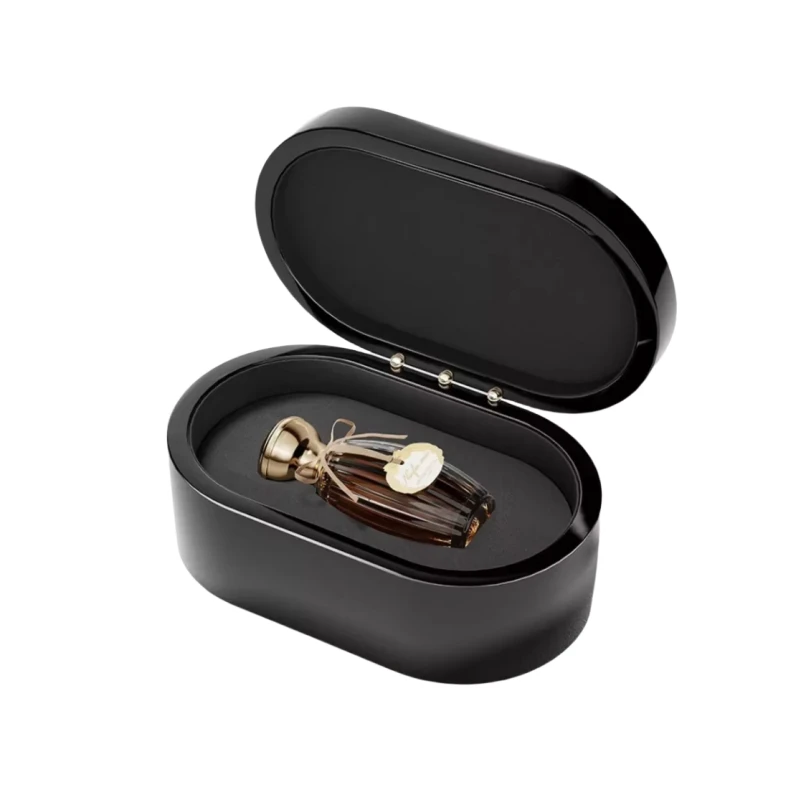
Aging behavior of walnut
Over time, walnut:
- Darkens slightly
- Gains warmth
- Maintains grain clarity
It does not yellow like light woods. It does not crack easily when processed correctly.
This matters for collectors.
علم نفس الجامع
Many high-end perfumes are kept. Boxes are stored. Some are resold.
From my experience:
- Walnut boxes feel intentional even after years
- Scratches feel like character, not damage
- Patina adds story
This increases perceived value over time.
Comparison with other materials
| المواد | Aging Result | Perceived Value Over Time |
|---|---|---|
| White lacquer | Yellowing, chips | Drops |
| بلاستيك | Scratches | Drops |
| Light wood | البقع | Drops |
| خشب الجوز | Patina | Holds or rises |
This is why collectors prefer walnut packaging.
Long-term brand image
When brands think long-term, walnut makes sense. It aligns with slow luxury.
I have clients who still receive praise for walnut boxes produced ten years ago. That is rare.
Walnut does not expire visually. It settles.
الخاتمة
Walnut enhances luxury perfume packaging because it expresses confidence, depth, and restraint through color, grain, heritage, and graceful aging—without needing to be loud.
اسم العلامة التجارية: وودوبوكس
الشعار: صناديق خشبية مصممة حسب الطلب، مصنوعة بإتقان

 العربية
  English
  Español
  Português
  Deutsch
  Français
  Italiano